Topic
Economy and rates
Everything e2gold.ca has published on economy and rates for Canadians, in one place. The list mixes reference articles, practical guides and tools, sorted by how often Canadians search for each subject. Every article lists the sources its figures come from, and new pages on economy and rates are added as they are released. Use the search box to narrow the list down.
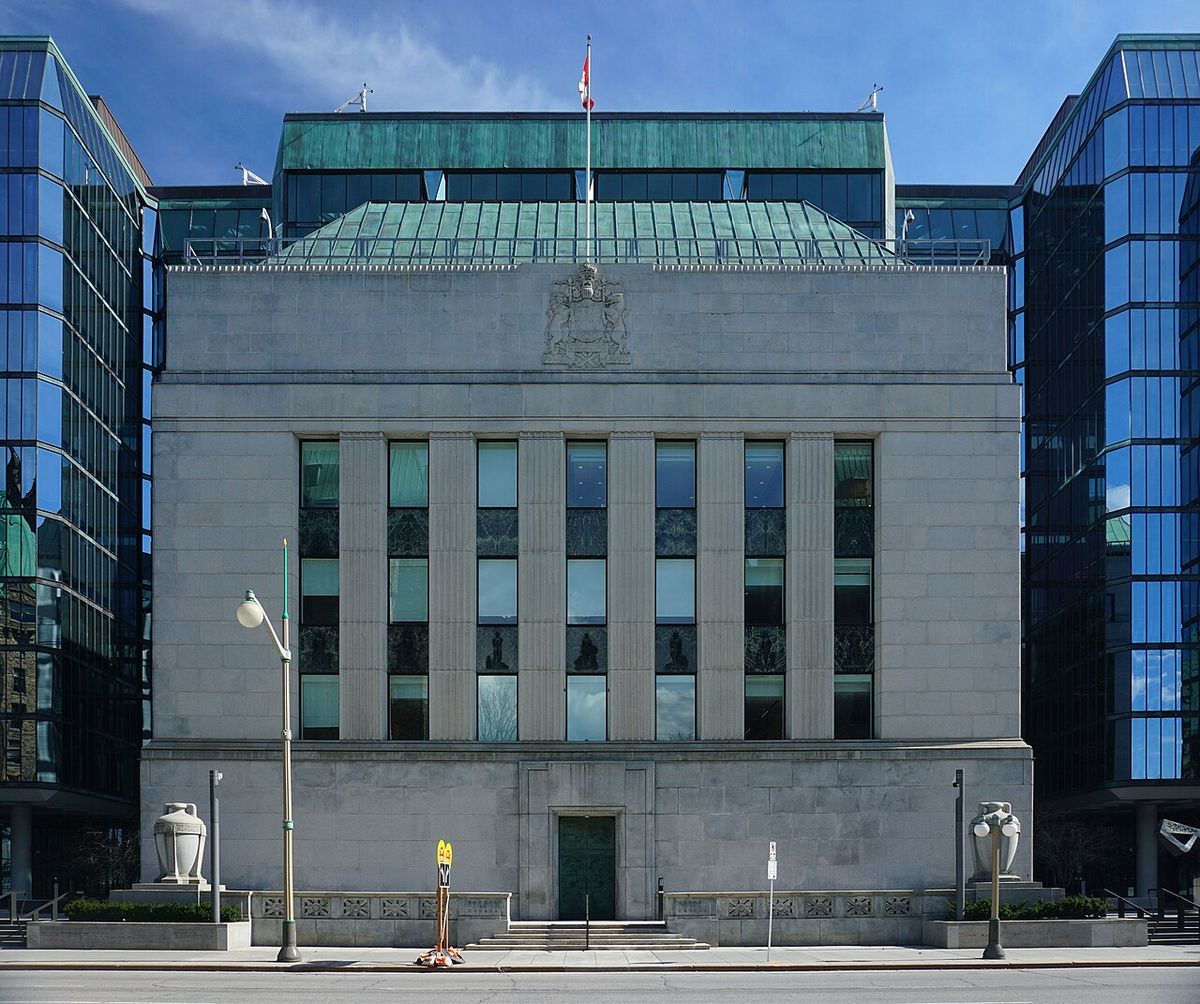 Bank of Canada: Canada's Central Bank and Monetary Authority
The Bank of Canada is Canada's independent central bank, tasked with maintaining low inflation and a stable financial system through...
 Canada Inflation Calculator: Measure Purchasing Power Changes
The inflation calculator uses Statistics Canada CPI data to show how the purchasing power of the Canadian dollar changes from 1914 onward.
 Recession in Canada: Definition, History, and Economic Impact
A recession in Canada is a period of economic decline, typically marked by two straight quarters of falling GDP, impacting employment,...
 Gross Domestic Product (GDP): Definition, Calculation and Canada's Economy
Gross domestic product is the primary monetary measure of a nation's total economic output, calculated as the value of all final goods...
 Inflation in Canada: Definition, History and Key Measures
Inflation in Canada is the sustained rise in consumer prices, measured by the CPI and managed by the Bank of Canada to maintain economic...
 Economy of Canada
Canada's economy is an advanced, resource-rich, and trade-oriented mixed economy, ranking 11th globally, with strong services,...
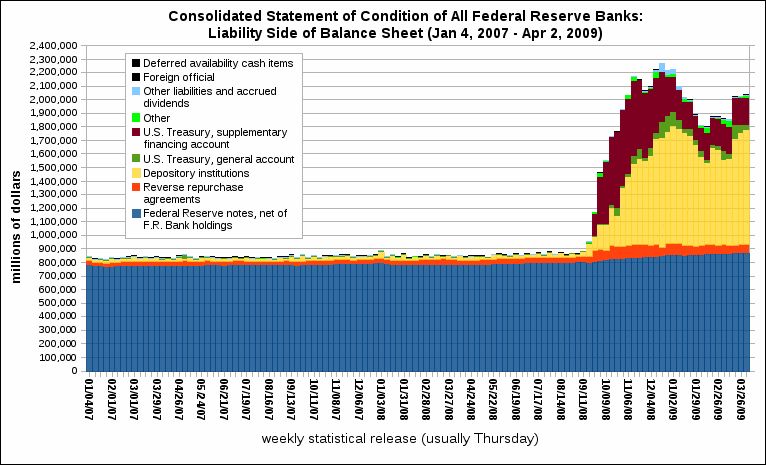 Federal Reserve System: The U.S. Central Bank and Its Impact on Canada
The Federal Reserve is the U.S. central bank, crucial for monetary policy and financial stability, with significant spillover effects on...
 Jerome Powell: Federal Reserve Chair and Impact on Canada
Jerome Powell's tenure as Federal Reserve Chair from 2018 to 2026 was defined by crisis management, political conflict, and policies...
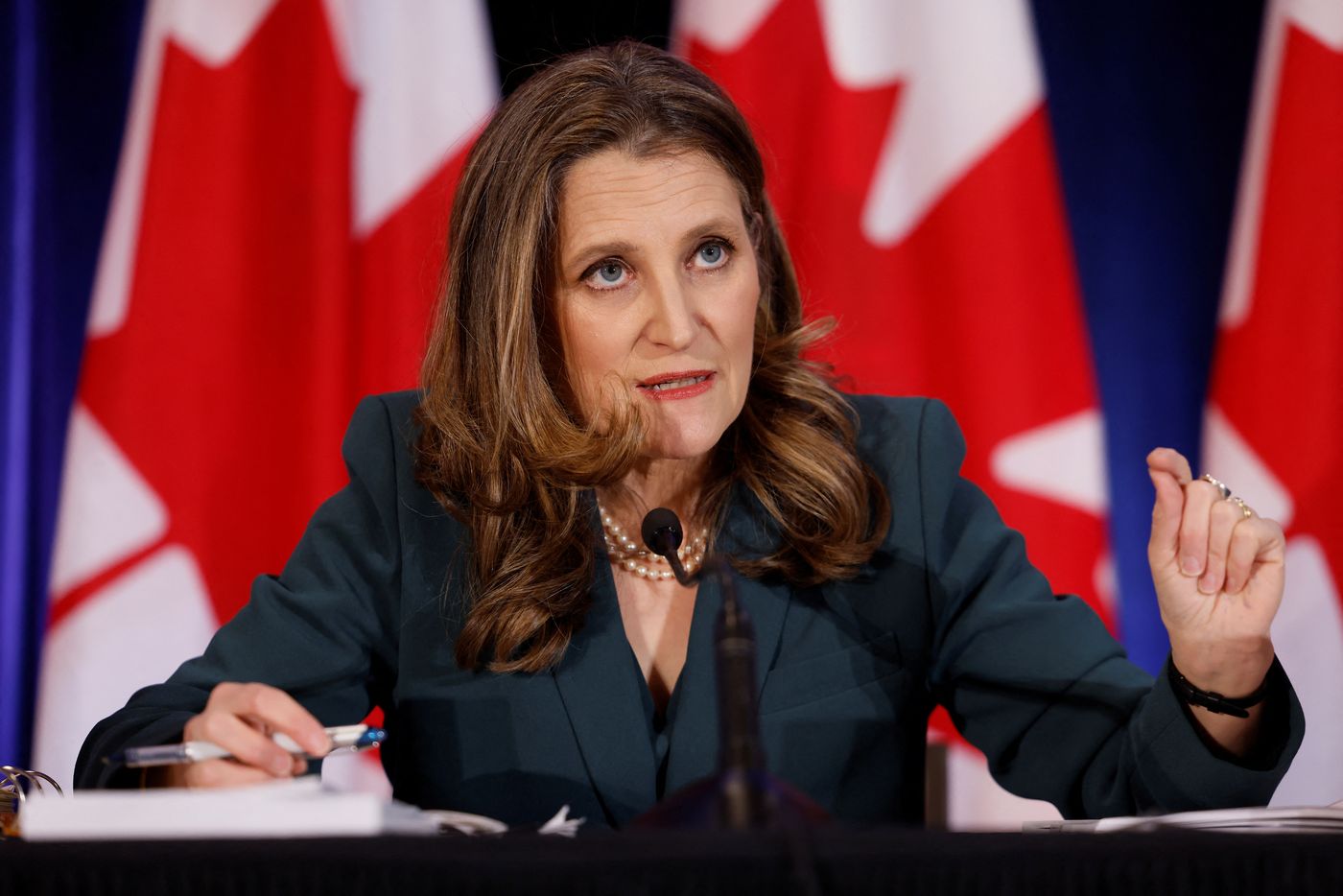 Canadian Federal Budget: Annual Government Spending Plan
The Canadian federal budget is the government's annual financial plan, presented to Parliament to authorize spending and taxation,...
 Unemployment in Canada
, measured by Statistics Canada, reflects the health of the labour market and economy, with rates historically...
 Tariffs in Canada: Policy, Application and Trade Relations
Tariffs in Canada are taxes on imports used to respond to foreign trade actions and protect domestic industries, impacting prices,...
 Canada, United States Trade Relations
Canada, U.S. trade is a vast, integrated relationship governed by the USMCA, marked by both deep cooperation and periodic disputes,...
 Federal Open Market Committee (FOMC) and Its Impact on Canada
The FOMC sets US monetary policy, influencing global interest rates, currencies, and economic conditions, with direct consequences for...
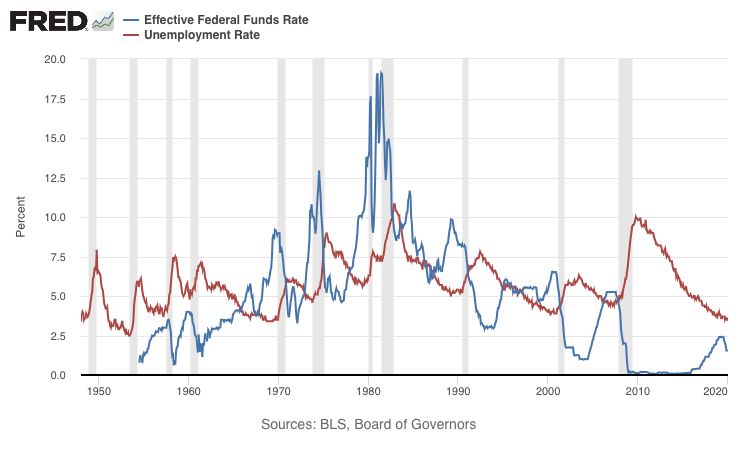 Federal Funds Rate: What It Is and How It Affects Canada
The federal funds rate is the key U.S. overnight interbank lending rate, set by the Federal Reserve to guide monetary policy and...
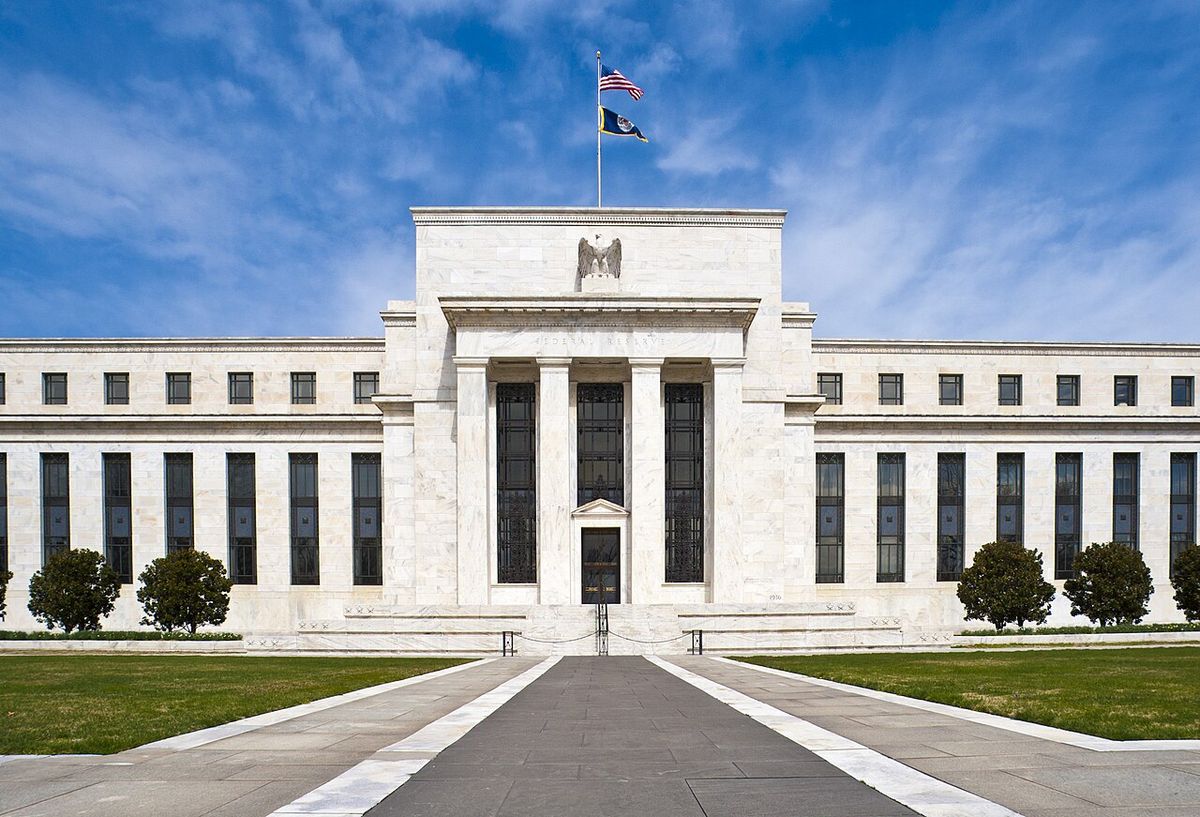 Economic Depression: Definition, History and Impact in Canada
An economic depression is a severe, prolonged downturn marked by mass unemployment, crashing output, and financial crisis, with the...
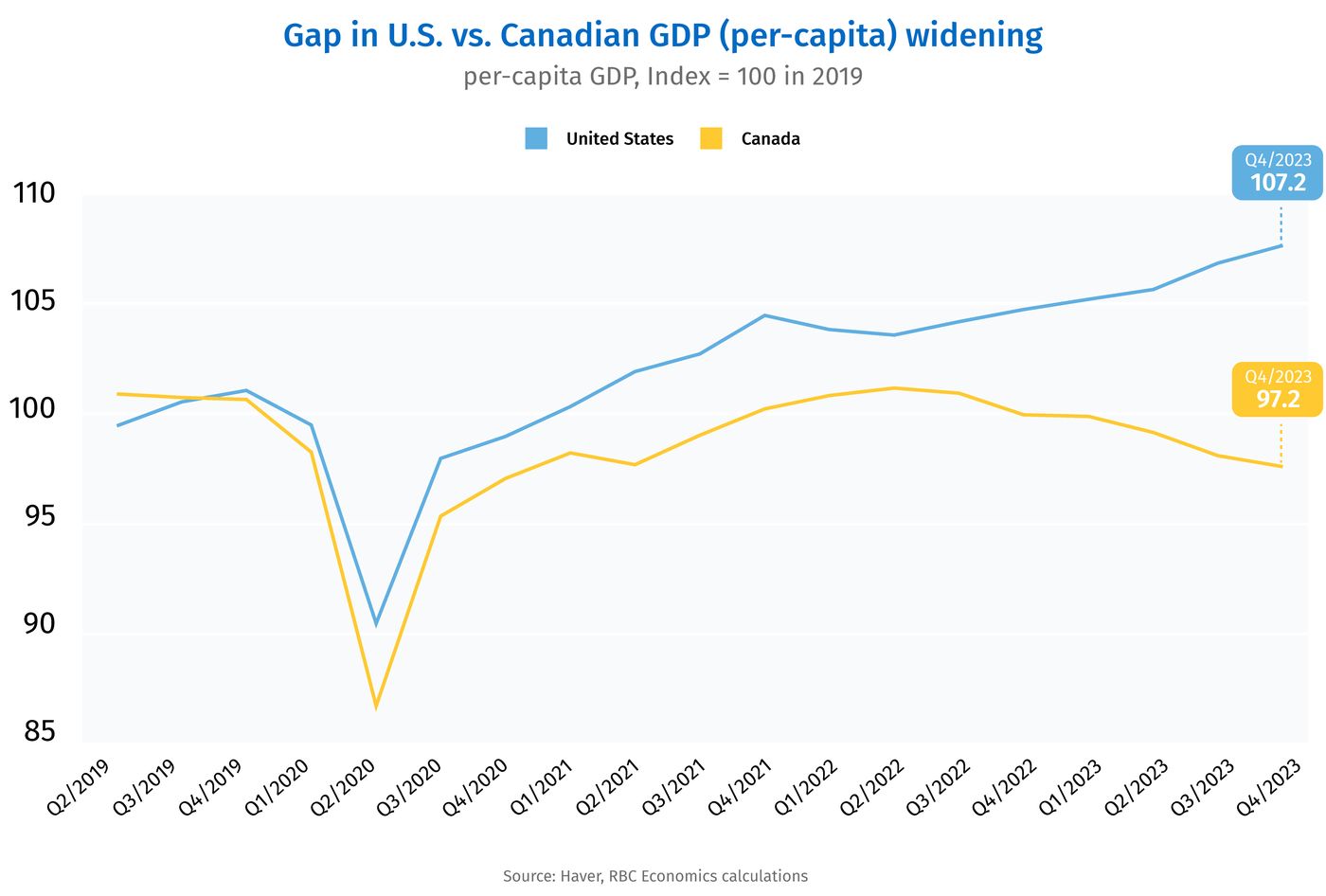 GDP per Capita Explained: What It Is and Canada's Global Rank
Nominal GDP per capita measures a country's economic output per person in US dollars, with Canada ranking 28th globally, but it has...
 Consumer Price Index (CPI) in Canada
The Consumer Price Index is Canada's official measure of inflation, tracking price changes for a representative basket of goods and...
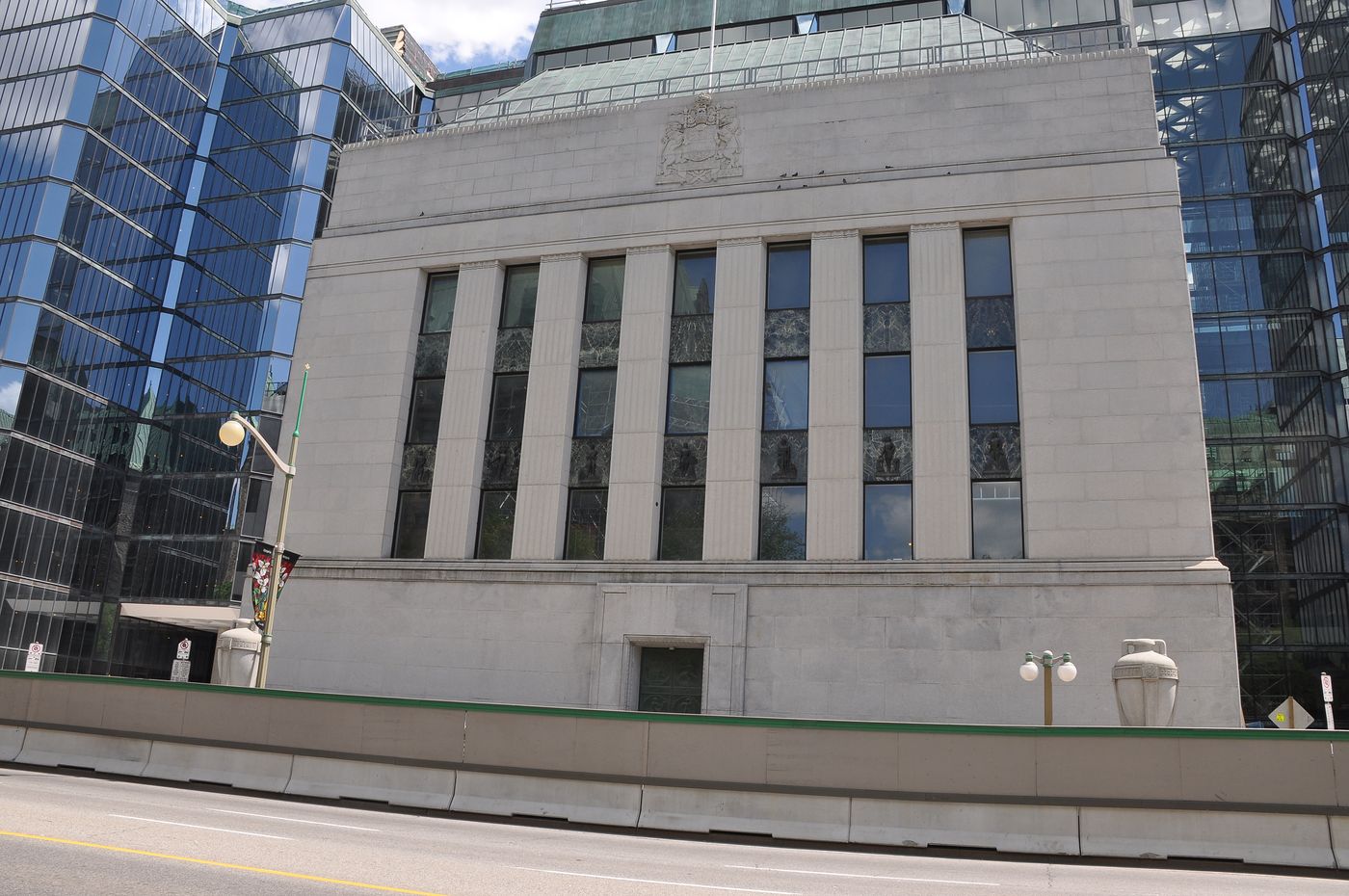 Canada Interest Rate Forecast for 2026 and Beyond
Interest rate forecasts for 2026 to 2027 point to a steady Bank of Canada policy rate of 2.25%, with upward pressure from inflation...
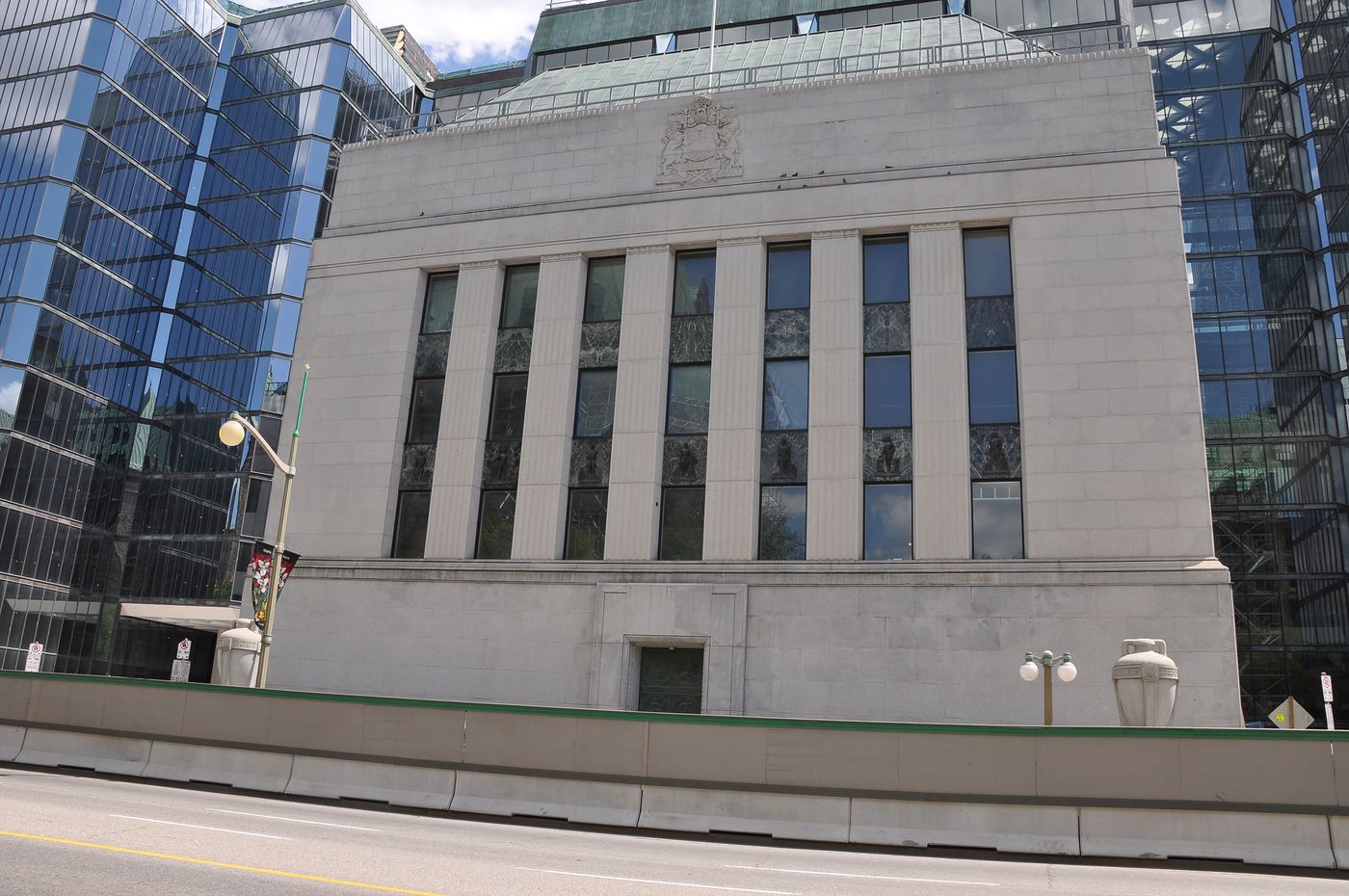 Latest Developments in the Canadian Economy and Markets
The Canadian economy shows near-term strength but faces slowing growth due to trade tensions, higher rates impacting housing, and...
 Federal Reserve Meeting Schedule and Impact on Canada
The Federal Reserve sets US interest rates at eight scheduled meetings yearly, with decisions impacting global finance and Canadian...
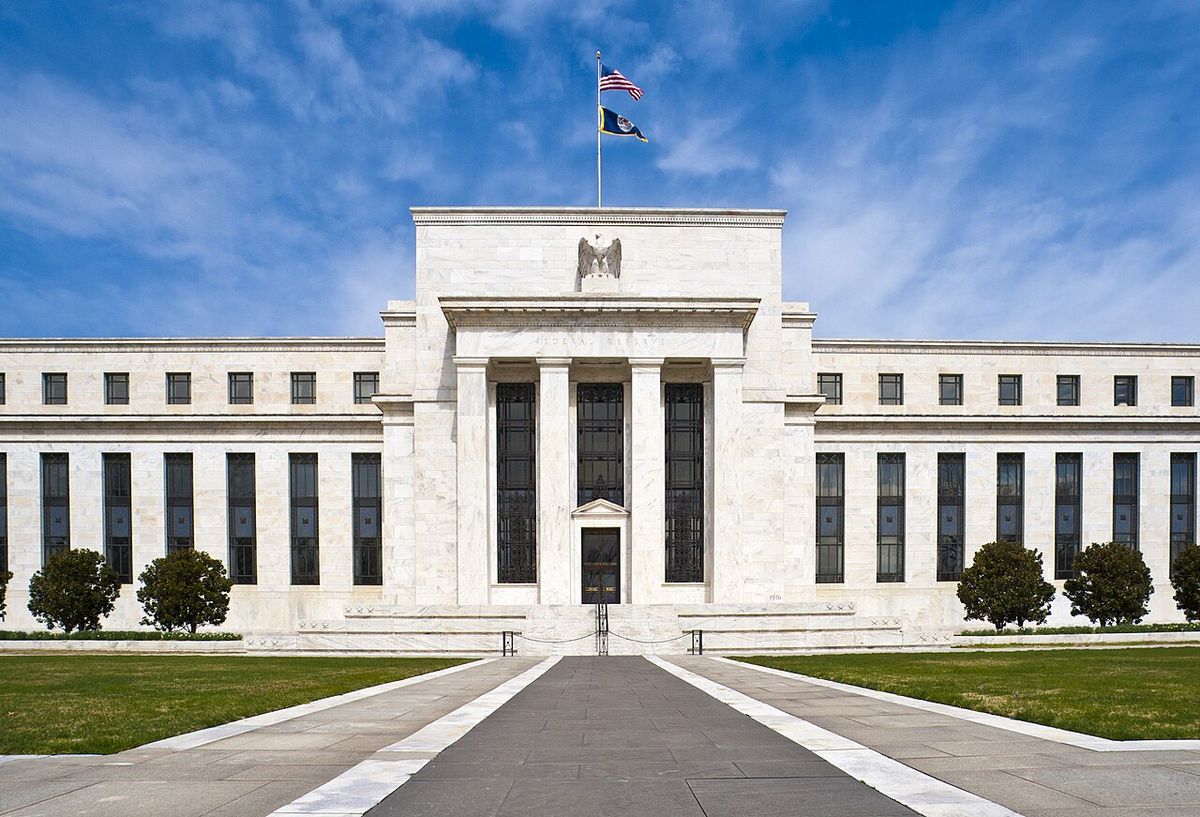 Stagflation: Definition, Causes, and Impact on Canada
Stagflation is a severe economic condition combining high inflation, stagnant growth, and high unemployment, posing a significant policy...
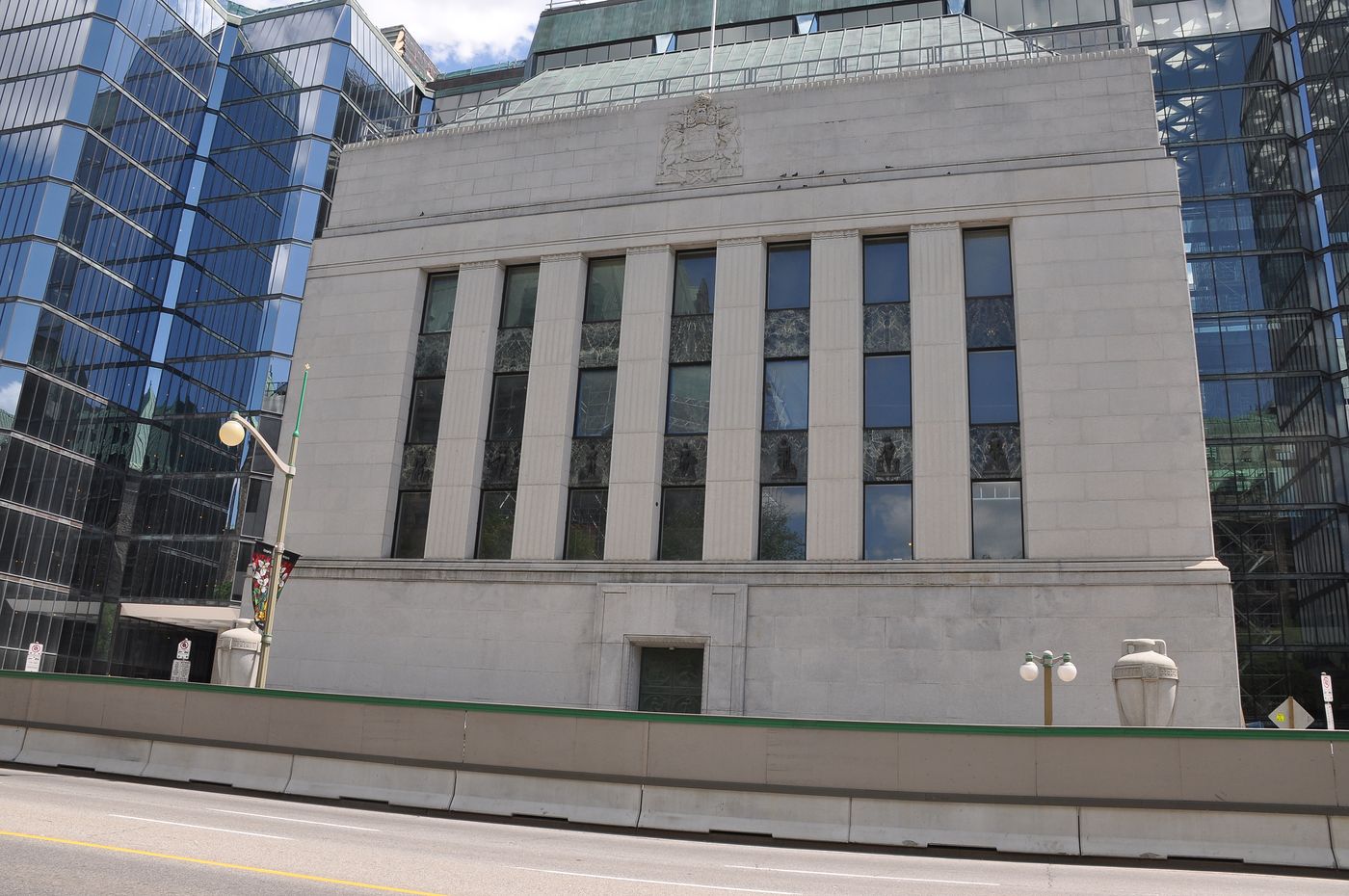 Bank of Canada Interest Rate Announcement Schedule for Canadians
The Bank of Canada announces its policy interest rate eight times yearly on a fixed Wednesday schedule, directly influencing borrowing...
 Federal Reserve Interest Rate Announcement Schedule for Canadians
The Federal Reserve announces rates roughly eight times yearly, a schedule that Canadian markets watch closely due to its global...
 FOMC Meeting Schedule and Bank of Canada Rate Announcements
The FOMC and Bank of Canada follow set annual schedules for monetary policy decisions that significantly impact Canadian interest rates...
 Current Interest Rates in Canada: Mortgages, Savings, and Policy Rates
Current interest rates in Canada encompass the Bank of Canada's policy rate, lender prime rates, and the resulting costs for mortgages,...
 Bank of Canada Interest Rate Decisions Explained for Canadians
The Bank of Canada sets the policy interest rate eight times yearly, directly influencing borrowing costs and economic conditions for...
 Bank of Canada Interest Rate Forecast for Canadian Borrowers
The Bank of Canada is forecast to maintain its policy rate at 2.25% through 2026, with potential increases in 2027, impacting variable...
 Economy: Definition, History and Canada's Economic System
An economy is the system for managing a society's production and consumption, and Canada's advanced mixed market economy is a global...
 Next Bank of Canada Interest Rate Announcement Date and Details
The Bank of Canada will announce its next interest rate decision on October 28, 2026, with the current rate at 2.25% amid inflation...
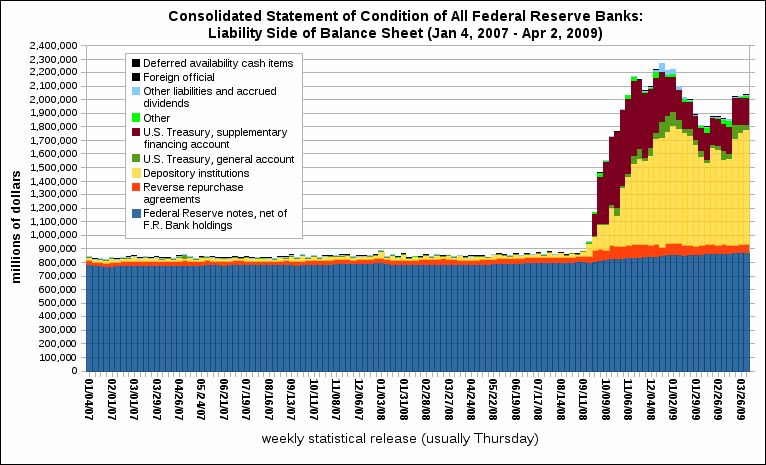 Federal Reserve Interest Rate Decisions and Their Impact on Canada
The Federal Reserve's interest rate decisions are important for U.S. and global economies, directly influencing financial conditions,...
 Canadian Armed Forces Budget and Defence Spending
The Canadian Armed Forces budget funds personnel, operations, and equipment, with spending set to reach US$63 billion by 2026 to 2027,...
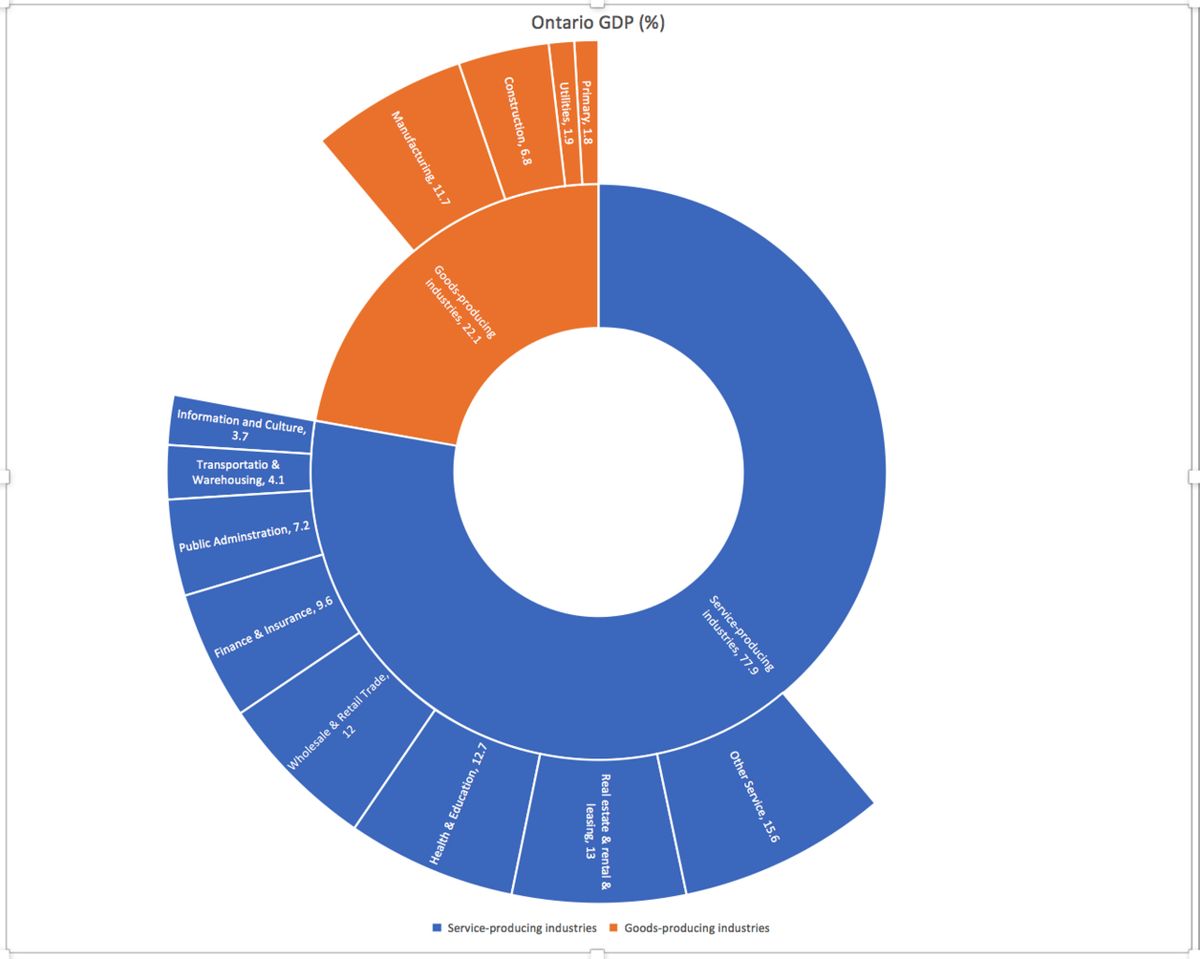 Unemployment in Ontario: Rates, Benefits, and Labour Market
Unemployment in Ontario is measured by a fluctuating rate, supported by federal EI benefits and provincial Ontario Works assistance,...
 Lisa Cook: American Economist and Federal Reserve Governor
Lisa Cook is a groundbreaking American economist and Federal Reserve governor whose tenure has been defined by a historic legal battle...
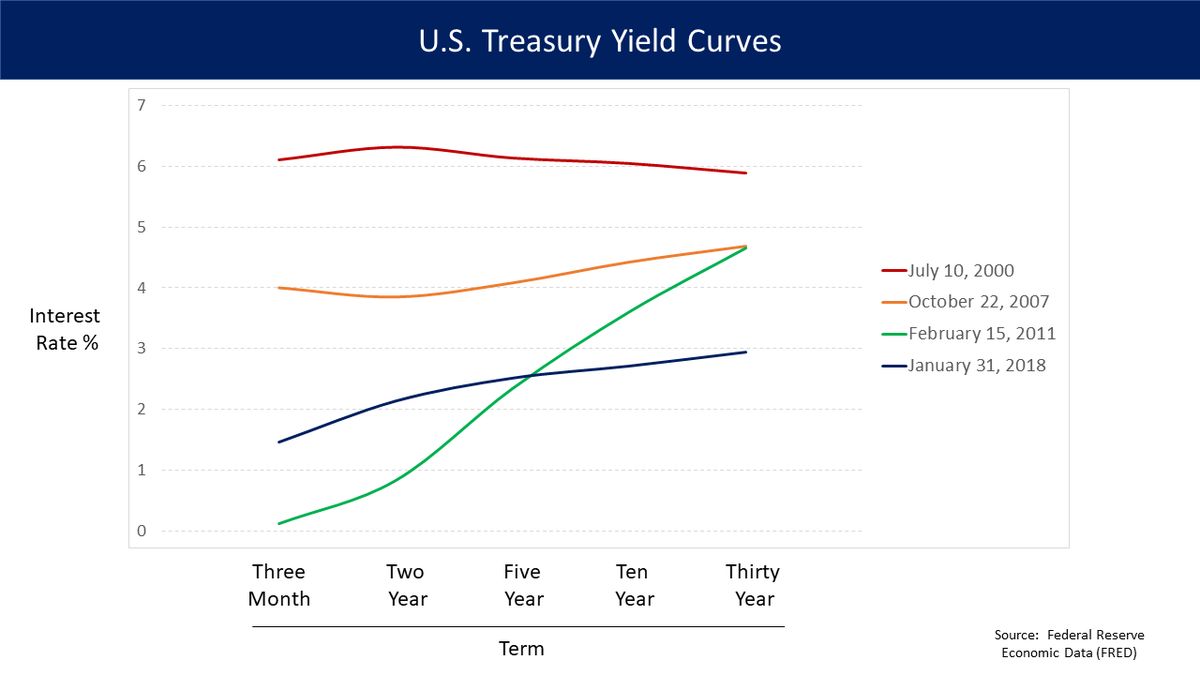 Yield Curve in Canada: Definition, Types, and Economic Signals
The yield curve is a vital financial graph plotting bond yields against maturities, with the Canadian government curve serving as a key...
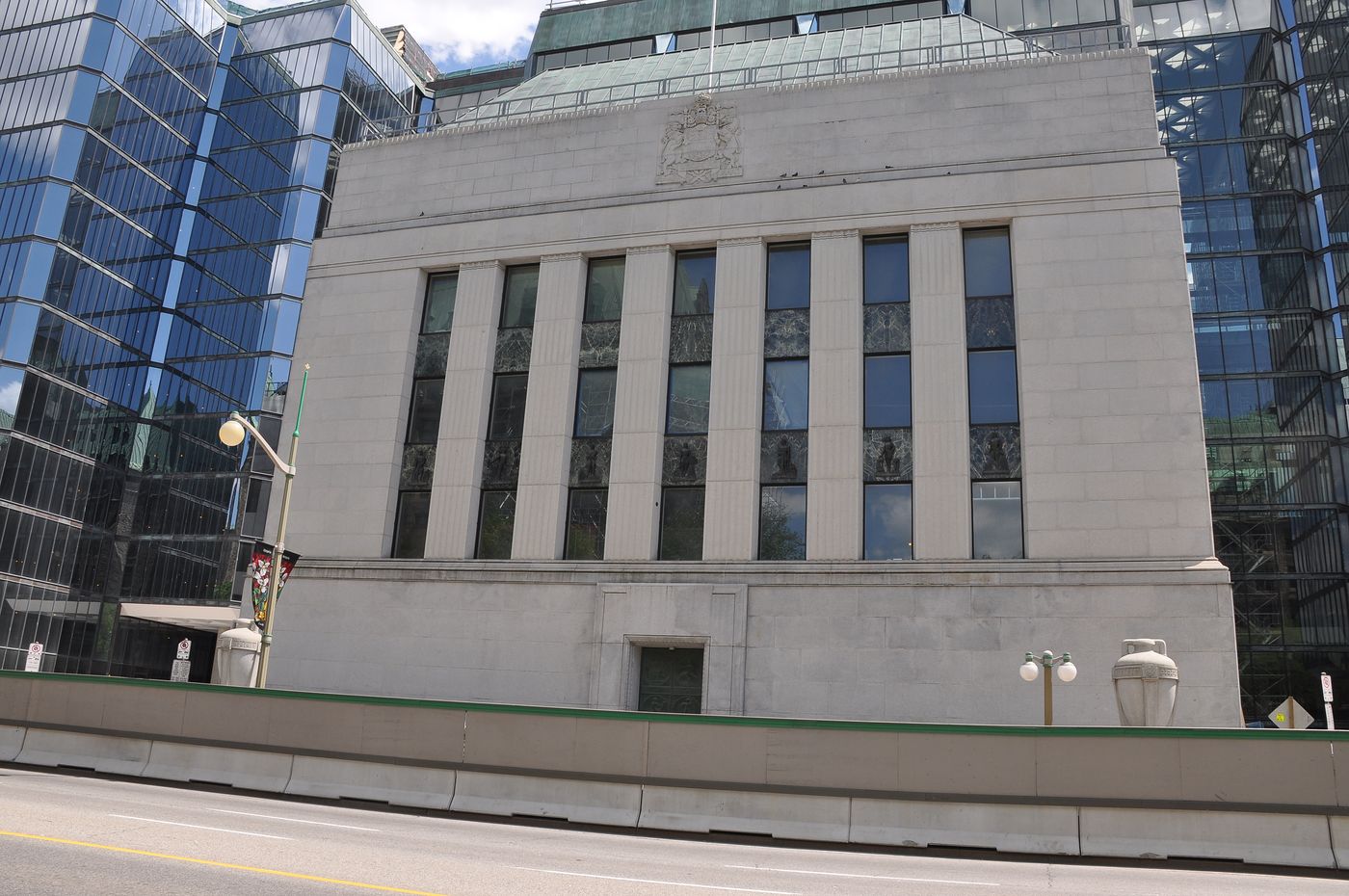 Canadian Interest Rate Forecast for Mortgages and Borrowing
The Bank of Canada is expected to hold its policy rate at 2.25% through 2026, but markets signal potential hikes amid inflation risks,...
 Alberta Unemployment Rate: Current Data and Labour Market Trends
Alberta's unemployment rate was 6.4% in September 2026, reflecting monthly volatility and long-term trends influenced by migration,...
 Benjamin Tal: CIBC Deputy Chief Economist and Market Commentator
Benjamin Tal is the Deputy Chief Economist at CIBC, a leading voice on the Canadian economy known for his research on housing, labour...
 Understanding Mortgage Interest Rates in Ontario
Mortgage interest rates in Ontario are influenced by national monetary policy and lender-specific factors, with key considerations...
 Ontario Unemployment Rate: Monthly Data and Labour Market Trends
Ontario's unemployment rate was 7.0% in September 2026, reflecting monthly volatility in a labour market shaped by sectoral shifts and...
 Unemployment Rate in Toronto: Trends and Economic Context
Toronto's unemployment rate was 6.9% in September 2026, shaped by strong population growth and sector-specific economic pressures.
 Canada, China Relations: Trade, Diplomacy and Strategic Partnership
Canada, China relations are a complex mix of deep economic ties, historic people-to-people links, and ongoing diplomatic challenges over...
 Interest Rate Cut in Canada: Definition and Monetary Policy
An interest rate cut is a reduction in the central bank's policy rate used to stimulate economic activity by lowering borrowing costs...
 Average Wage and Income in Alberta: A Canadian Guide
Alberta's wage landscape features a high average income influenced by top earners, a more moderate median, and a cost of living that...
 British Columbia Unemployment Rate: Trends and Regional Data
British Columbia's unemployment rate, currently 6.4%, measures provincial labour market health and varies by region and industry.
 Calgary Unemployment Rate: Trends and Economic Context
Calgary's unemployment rate reflects a recovering and diversifying economy, influenced by population growth, energy sector dynamics, and...
 Chair of the Federal Reserve and Its Impact on Canada
The Federal Reserve chair directs U.S. monetary policy, influencing global interest rates and directly impacting Canadian borrowing...
 Ontario GDP: Canada's Largest Provincial Economy
Ontario's $909 billion economy drives Canada but faces challenges from trade exposure, modest growth, and a productivity gap with the...
 Governor of the Bank of Canada
The Governor of the Bank of Canada is the chief executive and monetary policy leader, appointed for a seven-year term to maintain...
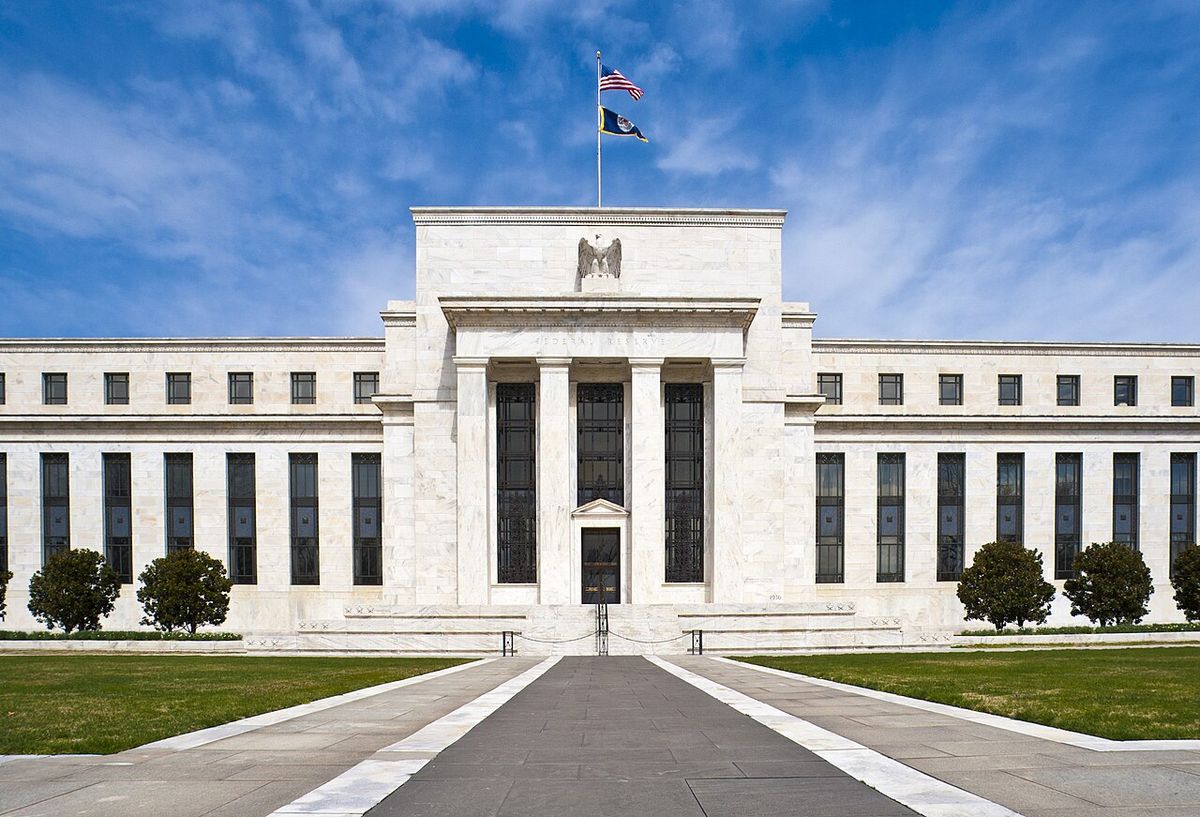 Gross Domestic Product per Capita in Canada
GDP per capita measures average economic output per person and is a key, though flawed, indicator for assessing Canada's living...
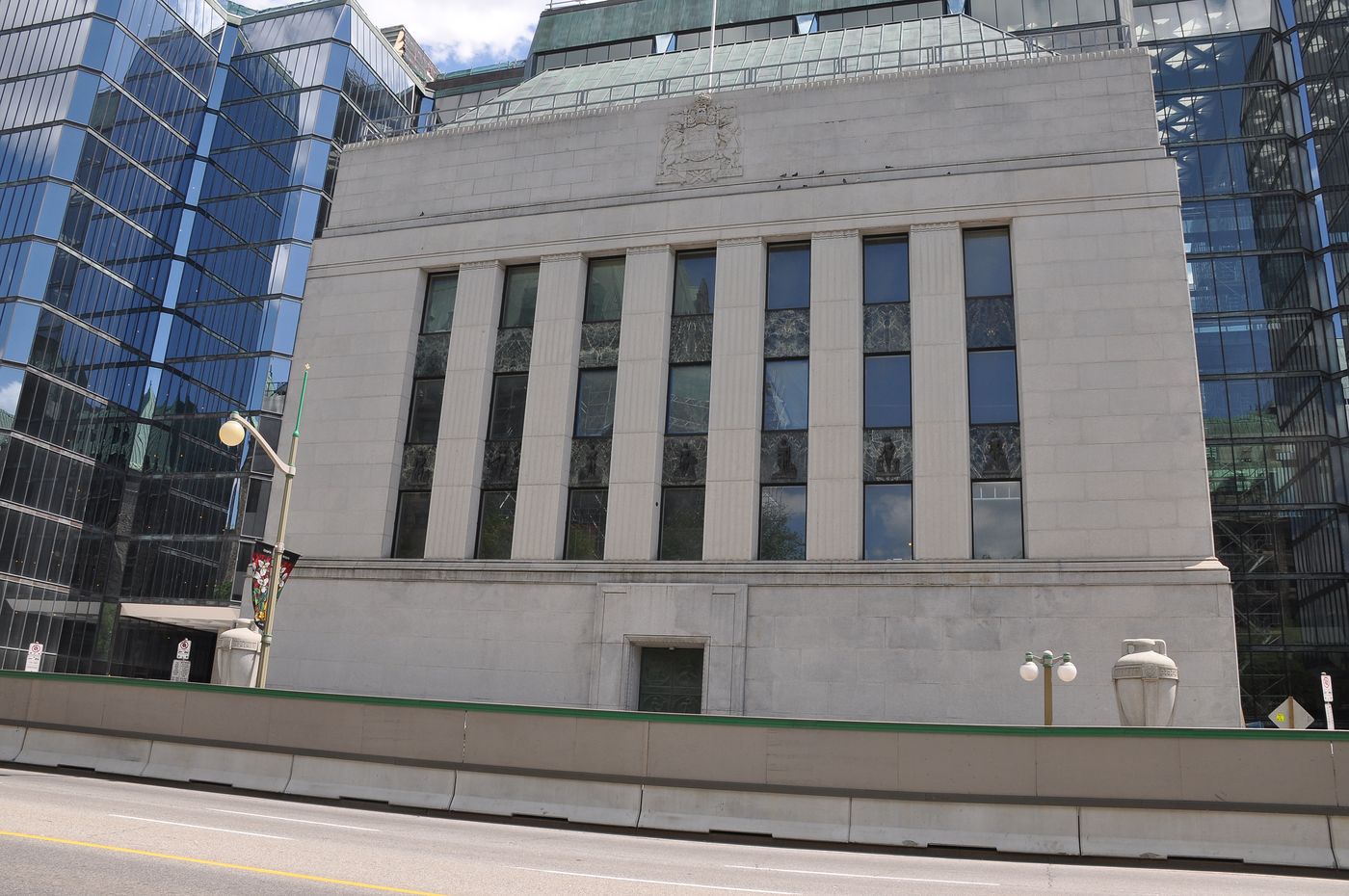 Interest Rate Cuts in Canada: The Bank of Canada's Policy and Impact
The Bank of Canada uses interest rate cuts to stimulate the economy when inflation is controlled, directly affecting mortgage costs,...
 Youth Unemployment in Canada: Rates, Trends, and Economic Impact
Youth unemployment in Canada remains high, with rates for teenagers and young adults significantly above pre-pandemic levels, driven by...
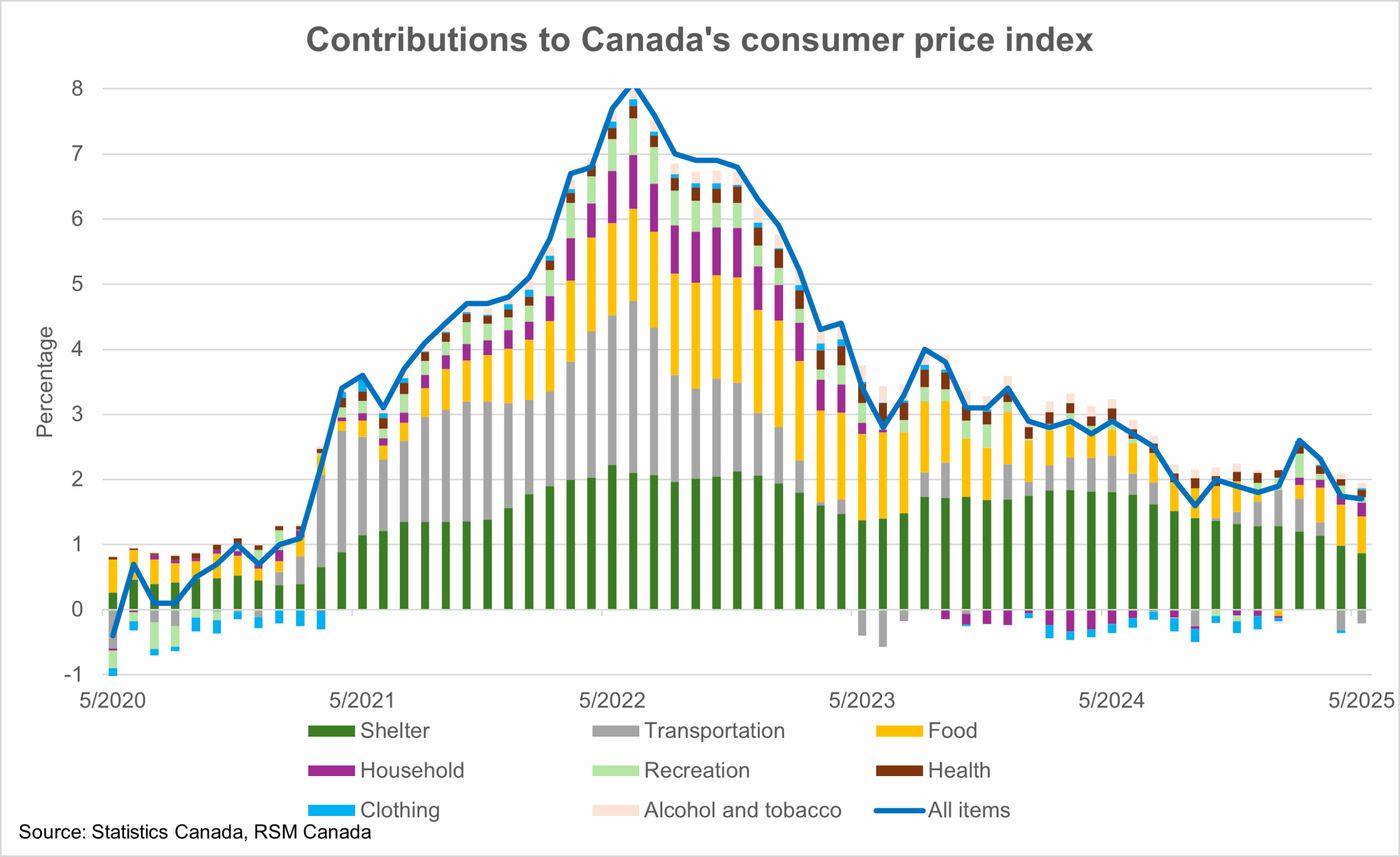 Canada Inflation Rate History: Trends and Key Periods
Canada's inflation history is defined by a long-term average near 3%, punctuated by volatile episodes like the 1920 peak and the Great...
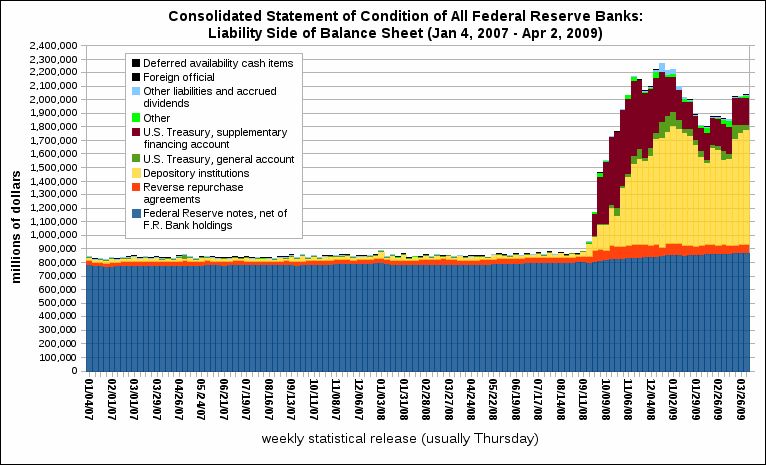 Federal Reserve Interest Rate Announcement and Its Impact on Canada
The Federal Reserve's interest rate announcement is a critical global event that directly influences Canadian exchange rates, trade, and...
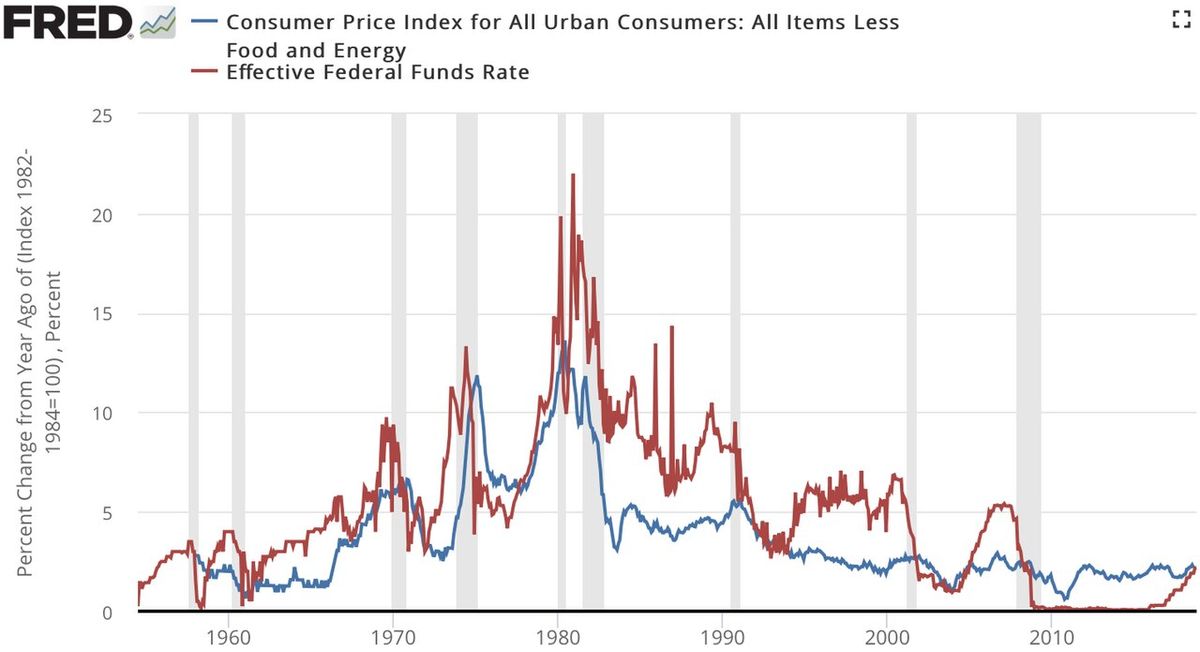 Food Price Index in Canada: CPI, Inflation and Trends
The Food Price Index, a key part of Canada's Consumer Price Index, tracks grocery inflation and is vital for understanding household...
 Tariffs on Canada: History, Impact and Current Trade Disputes
Tariffs are taxes on imports that raise consumer prices and are central to the ongoing trade dispute between Canada and the United States.
Nothing matches that search yet.