An economic depression is a severe and prolonged downturn in economic activity, far more damaging than a typical recession. It is characterized by mass unemployment, steep declines in output and trade, deflation, and financial crises. In Canada, the most profound example was the Great Depression of the 1930s, which caused immense social and economic hardship and reshaped government policy. Understanding depressions is crucial for Canadians, as such events have lasting impacts on employment, social welfare, and the national economy.
Definition and Distinction from Recession
An economic depression is defined by its severity and duration, marking a deep, sustained slump in economic activity. While a recession is a period of declining activity spread across the economy, a depression is a much more catastrophic event. Economists often use two general rules to define a depression: a decline in real gross domestic product exceeding ten percent, or a recession lasting two or more years. The key difference lies in the depth of the economic fall. Every depression coincides with a recession, sharing the same start date, but under the two-year rule, the depression lasts longer than the initiating recession. The term itself carries strong negative associations, and its application to any period is often contentious. Since 1945, most economic downturns have been termed recessions, with the global crisis beginning in 2008 frequently called the Great Recession rather than a depression. The National Bureau of Economic Research in the United States determines business cycle contractions but does not declare depressions, leaving the definition to economists and historians.
Characteristics and Causes of a Depression
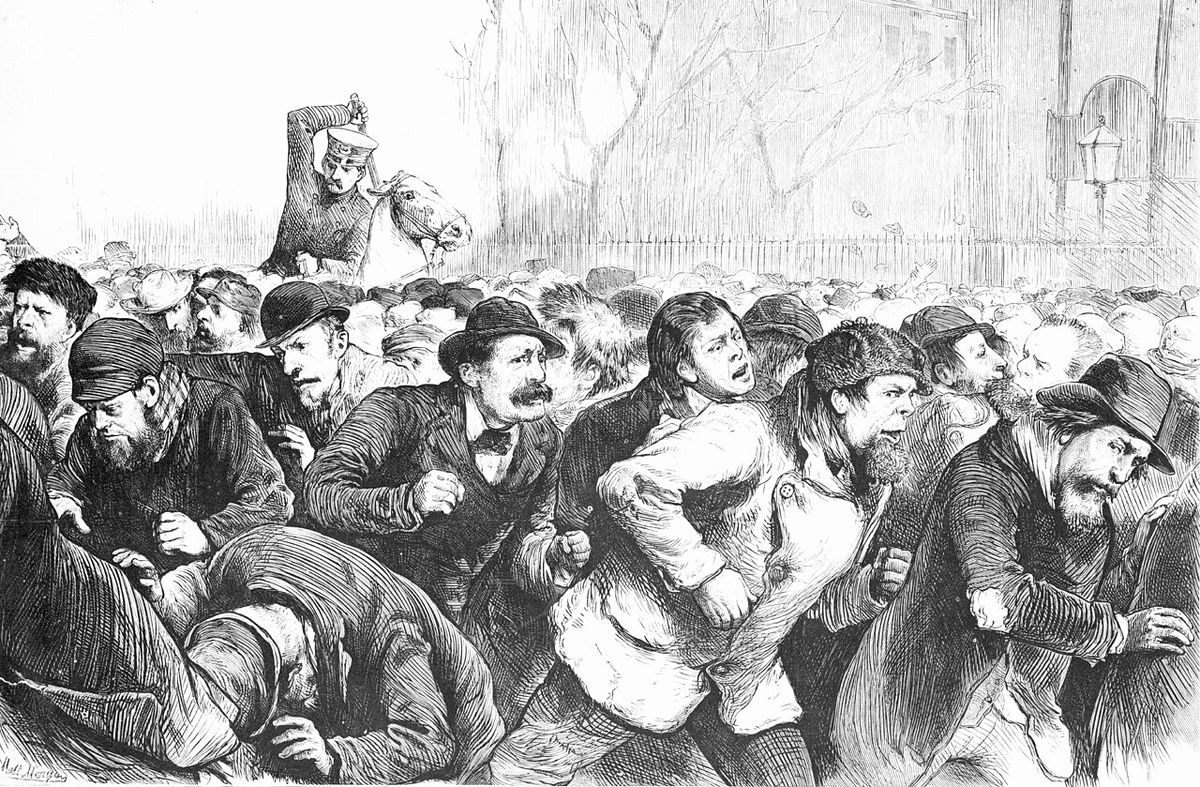
Depressions are marked by a cluster of severe economic problems that extend beyond a typical cyclical slowdown. A substantial and sustained shortfall in the ability to purchase goods relative to potential output is a core feature. These periods are characterized by large increases in unemployment, sometimes reaching abnormally high levels. Other common signs include significantly reduced amounts of trade and commerce, particularly international trade, and chaotic conditions in currency markets with highly volatile exchange rates. Prices often enter a period of deflation, where they fall rather than rise. Financial crises, stock market crashes, and bank failures are regular elements that do not normally occur during a milder recession. The causes typically involve a combination of sudden drops in world commodity prices, sharp declines in economic demand and credit, and a collapse in confidence. These factors lead to rapid declines in global trade, investment, and production, creating a vicious cycle that is difficult to break. Further problems can include a drying up of buyers, suppliers cutting back on production, lessening innovation, and increased business bankruptcies.
Historical Overview of Major Depressions
Economic depressions have occurred throughout modern history, though the terminology has evolved. In the 19th and early 20th centuries, financial crises were often called panics, such as the Panic of 1837 or the Panic of 1907. The term depression came into broader use later, with an early American crisis, the Panic of 1819, described by President James Monroe as a depression. The Long Depression, lasting from 1873 to 1896, was known as the Great Depression until the 1930s. The Great Depression of the 1930s remains the most referenced global depression, beginning with the Wall Street crash of 1929 and spreading rapidly. Between 1929 and 1933, the gross national product of the United States decreased by 33 percent while unemployment rose to 25 percent. Other significant depressive periods include the global downturn in the late 1910s and early 1920s following World War I and the Spanish flu pandemic, the post-communism depression in former Soviet states in the 1990s, and the Greek depression beginning in 2009. The only two eras commonly referred to as depressions in current discourse are the 1870s and the 1930s. The 2008 to 2009 cycle, while severe, is widely called the Great Recession.
The Great Depression in Canada
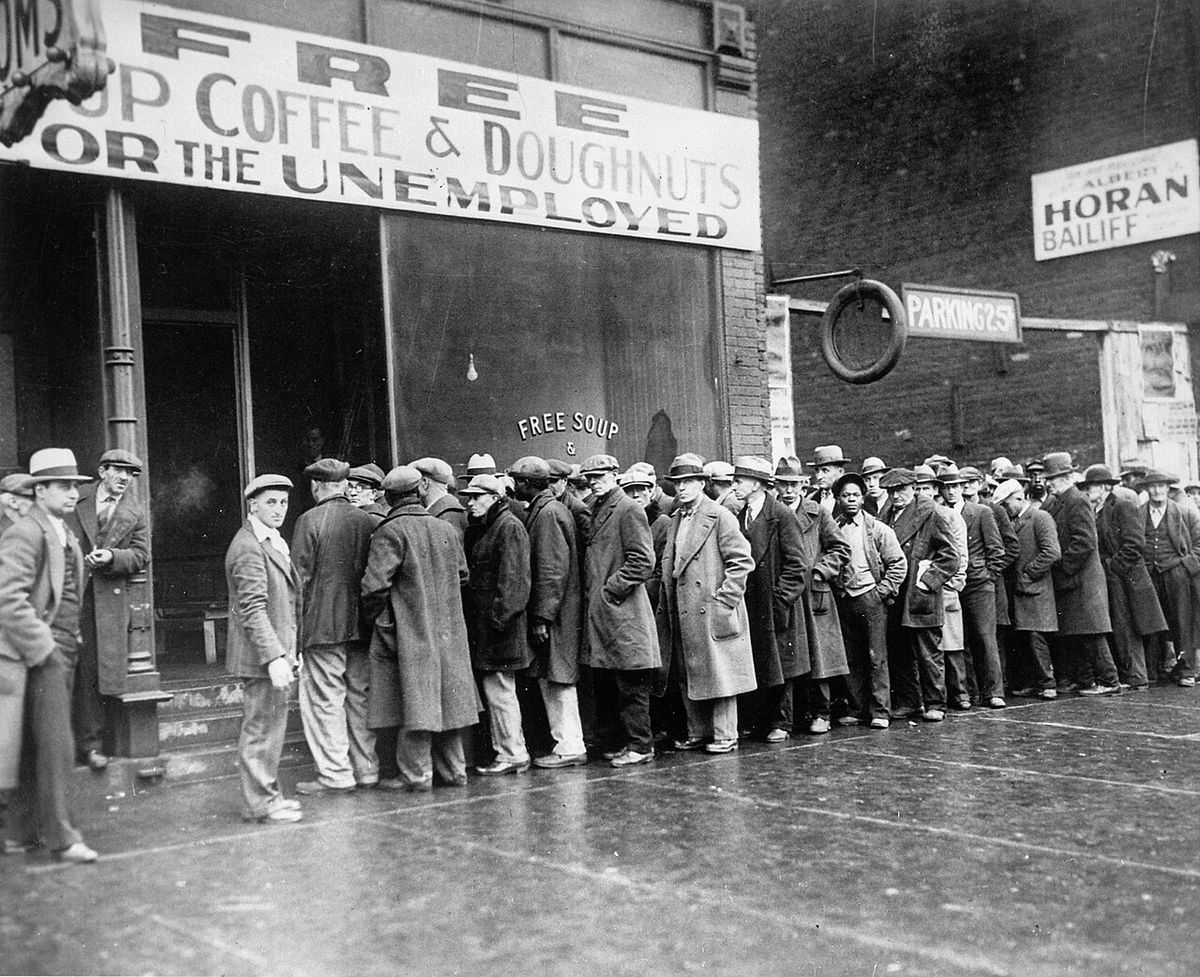
Canada was among the countries most severely affected by the Great Depression of the 1930s. The decade became known as the Dirty Thirties due to a crippling drought on the Prairies and the country's heavy dependence on raw material and farm exports. Between 1929 and 1933, the country's Gross National Expenditure fell by 42 percent. By 1933, 30 percent of the labour force was out of work, and one in five Canadians depended on government relief for survival. The unemployment rate remained above 12 percent until the start of the Second World War in 1939. The crisis was exacerbated by the collapse in international trade, from which Canada derived a third of its Gross National Income. The Depression triggered the birth of social welfare programs in Canada and led the government to take a more activist role in the economy. Demographic changes revealed the scale of the hardship, with immigration plummeting from 169,000 in 1929 to fewer than 12,000 by 1935, and birthrates falling to a low of 9.7 live births per 1,000 by 1937. The other western provinces were technically bankrupt from 1932 onwards.
Economic and Social Costs in Modern Canada
While Canada has not experienced a depression on the scale of the 1930s since, economic downturns and mental health burdens carry significant costs. Research indicates that macroeconomic conditions directly impact mental health. A study using data from the National Population Health Survey found that provincial unemployment rates have a significant positive impact on depression levels in Canada. The economic burden of mental health issues is substantial and growing. Recent estimates suggest poor mental health costs the Canadian economy approximately $180 billion annually. More specifically, depression and anxiety alone cost the economy nearly $50 billion each year through lost productivity, including absenteeism and presenteeism. Mental illness accounts for about 30 percent of all short- and long-term disability claims in Canada, with the value of these claims ranging from $15 billion to $33 billion annually. These costs underscore the deep interconnection between economic stability and public health, highlighting that economic stress extends beyond financial hardship into broader societal well-being. If Canadians with depression or anxiety had better access to treatments, up to 352,000 could enter the workforce as fully functional employees each year until 2035.
The following table outlines key economic impacts and burdens related to depression and economic downturns in Canada. Between 1929 and 1933, the country's Gross National Expenditure fell by 42 percent. As of 2024, Canada's per-person GDP has seen a near-unprecedented decline in comparative economic well-being. Some commentators have suggested the country is facing an economic depression, not merely a recession.
| Category | Impact or Cost | Context or Year |
|---|---|---|
| Great Depression GDP Decline | Gross National Expenditure fell 42% | 1929 to 1933 |
| Peak Unemployment (1930s) | 30% of labour force | 1933 |
| Annual Cost of Poor Mental Health | $180 billion | Recent estimate |
| Annual Cost of Depression | $32.3 billion | Conference Board of Canada report |
| Annual Cost of Anxiety | $17.3 billion | Conference Board of Canada report |
| Disability Claims from Mental Illness | ~30% of all claims | Recent estimate |
| Value of Disability Claims | $15B to $33B annually | Range for mental illness claims |
| Saskatchewan Income Drop | 90% within two years | Early 1930s |
These figures illustrate the lasting economic scars of deep downturns. They also show the ongoing financial weight of mental health challenges, which are often exacerbated by poor economic conditions. The prevalence of the medical condition depression is highest in sectors with precarious work. These sectors include accommodation, food services, and retail trade.
Key Factors and Regional Impacts Within Canada
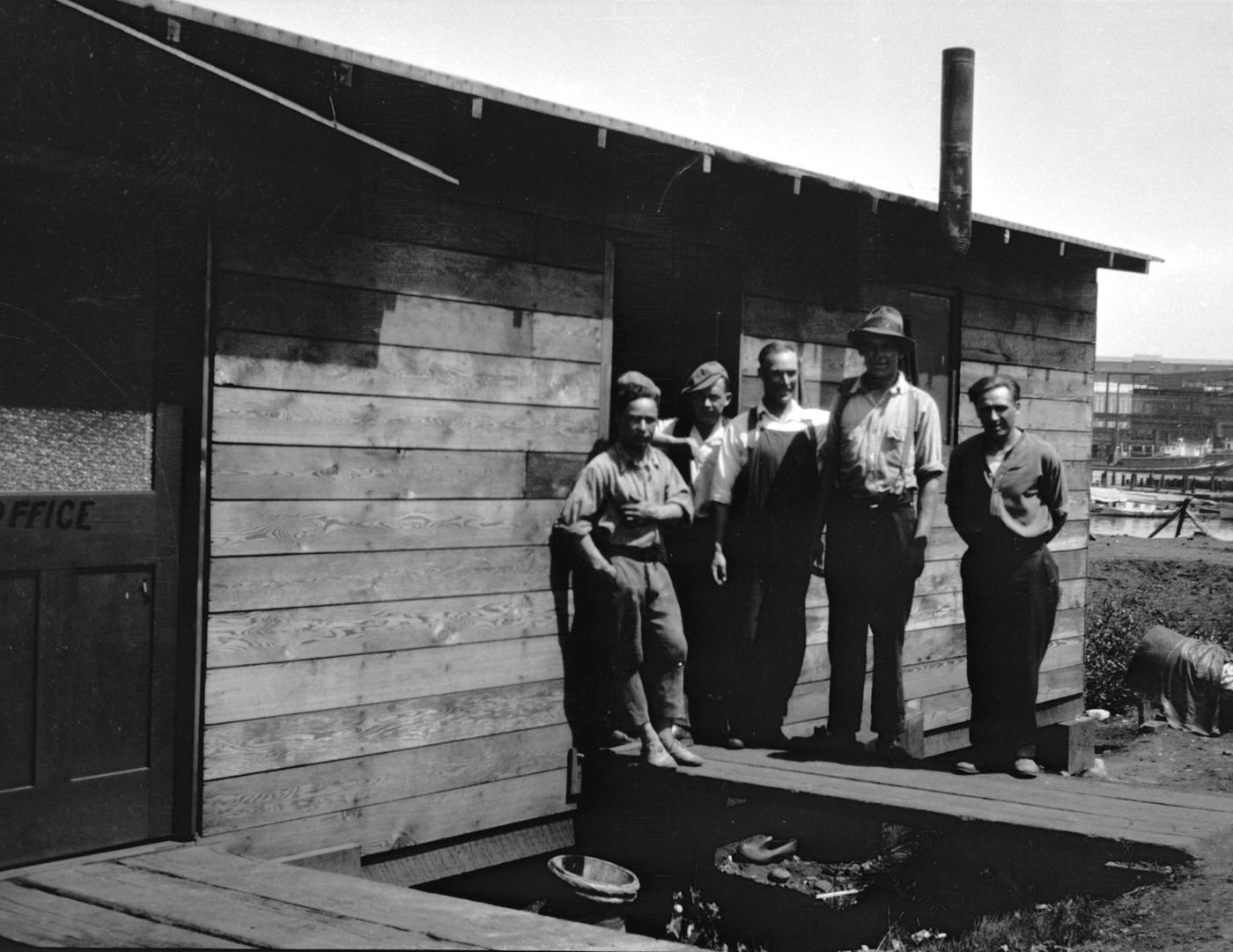
The impact of economic depressions is never uniform across a country, and Canada's experience in the 1930s highlighted stark regional and class disparities. The nation's heavy reliance on exports made it particularly vulnerable to the global collapse in trade. The four western provinces, dependent almost exclusively on primary-product exports like wheat, were the most severely affected. Saskatchewan's situation was worsened by years of drought, plagues of grasshoppers, and hailstorms, leading to a 90 percent drop in income within two years. Ontario and Quebec experienced heavy unemployment but were somewhat cushioned by their more diversified industrial economies serving the domestic market. The Maritimes, already in economic decline in the 1920s, had less distance to fall. The burden was also unequally distributed between classes. While wages dropped, prices fell faster, raising the standard of living for those with secure jobs or property. Farmers, young people, small businessmen, and the unemployed bore the brunt of the hardship. This unequal distribution of pain helped fuel the rise of populist political movements and demands for greater government intervention in the economy and social support systems. During the Depression, almost 30,000 immigrants were forcibly deported over the decade, primarily due to illness or unemployment.
Other Notable Depressions and Global Context
Beyond the 1930s, other periods have been labeled depressions, revealing patterns of severe economic distress. The Great Depression of 1837 in the United States is acknowledged to have been worse than the 1930s depression in that country, featuring a five-year downturn with bank failures and record high unemployment after a speculative real estate bubble burst. The Long Depression from 1873 to 1896, linked to the adoption of the gold standard in Britain and the United States, was longer than the 1930s depression but shallower in some sectors. In the late 20th century, the post-communism depression that struck former members of the Soviet Union in the 1990s was almost twice as intense as the Great Depression in the West, with catastrophic falls in average standards of living and GDP declines of about 45 percent from 1990 to 1996. Regional depressions have also occurred, such as in several Latin American countries in the 1980s, where Argentina, Brazil, Chile, Mexico, and Peru experienced periods with output at least 20 percent below trend. The Greek depression beginning in 2009 saw an almost 20 percent drop in economic output and unemployment near 25 percent, driven by a sovereign debt crisis.
Policy Responses and Lasting Changes
Major depressions force profound changes in economic policy and government role. The Great Depression led to the departure of every major currency from the gold standard, a process completed after World War II with the Bretton Woods Accord. In Canada, the Depression triggered the birth of the social welfare system and a more activist government role in the economy. The crisis demonstrated the inadequacy of existing social-welfare structures and laissez-faire policies. In Finland, a depression during the breakup of the Soviet Union led to the floating of the Finnish markka and its eventual replacement by the euro, ending decades of government control. Modern understanding emphasizes the need for proactive mental health support during recessions, as mental stress can lead to risky health behaviours and long-term chronic conditions. Policy makers are encouraged to consider steps to provide mental health support during economic downturns, which can also help unemployed individuals who are too depressed to search for jobs. Employers are increasingly advised to invest in psychologically healthy workplaces, seeing a return on investment through reduced disability claims, absenteeism, and improved productivity.
Frequently asked questions
What is the difference between a recession and a depression?
A recession is a period of declining economic activity spread across the economy, typically lasting less than a year. A depression is a much more severe and prolonged downturn. Economists often define a depression as a recession lasting two or more years or involving a decline in real GDP exceeding 10 percent. The key differences are the greater depth, longer duration, and more catastrophic symptoms like mass unemployment, deflation, and financial crises associated with a depression.
How was Canada affected by the Great Depression?
Canada was severely affected by the Great Depression. Between 1929 and 1933, the country's Gross National Expenditure fell by 42 percent. Unemployment reached 30 percent by 1933, and one in five Canadians depended on government relief. The western provinces, reliant on farm and resource exports, were hardest hit, especially Saskatchewan due to drought. The crisis led to widespread hunger and homelessness, triggered the creation of social welfare programs, and caused a dramatic drop in immigration and birth rates, reshaping Canadian society and government policy.
Could Canada experience another depression?
While economic cycles continue, the likelihood of a depression on the scale of the 1930s has diminished due to modern economic safeguards, active central bank policies, and social safety nets. However, severe and prolonged downturns are still possible, as seen in other countries like Greece in the 2010s. Economists debate whether specific modern crises qualify as depressions, but most post-1945 downturns, including the 2008 to 2009 crisis, are termed recessions. The structure of the global and Canadian economies, however, does not make them immune to deep, sustained slumps under the right combination of shocks.
What are the signs of an economic depression?
Signs of a depression include a severe and sustained drop in economic output, often measured by a GDP decline over 10 percent. Mass unemployment rises to abnormally high levels and persists for years. Other key signs are significant reductions in international trade, deflation (falling prices), financial crises, stock market crashes, and widespread bank failures. A persistent lack of confidence in the economy and a drying up of investment and credit also characterize these periods, creating a cycle that is difficult to reverse.
How does economic downturn affect mental health in Canada?
Economic downturns have a measurable impact on mental health in Canada. Research using longitudinal data has found that provincial unemployment rates have a significant positive impact on depression levels. Job loss, financial stress, and economic uncertainty contribute to anxiety and depression. The economic burden is substantial, with depression and anxiety alone costing the Canadian economy nearly $50 billion annually in lost productivity. This highlights the critical link between macroeconomic stability and public health outcomes.
What was the worst economic depression in history?
The Great Depression of the 1930s is generally considered the worst economic depression in modern history due to its global scale and depth. In the United States, GDP fell by 33 percent and unemployment reached 25 percent. However, some regional depressions have been more severe in specific contexts. The post-communism depression in former Soviet states in the 1990s saw GDP declines of about 45 percent, which was almost twice as intense as the 1930s depression in the West. The Long Depression of 1873 to 1896 was also longer, though sometimes shallower, than the 1930s crisis.
Sources and further reading
- Depression (economics) (Wikipedia) en.wikipedia.org
- The Great Depression in Canada thecanadianencyclopedia.ca
- The impact of economic downturn on mental health in ... crdcn.ca
- The rising economic burden of mental health at work in ... awcbc.org
- Depression, anxiety cost Canadian economy billions ... cbc.ca
This article explains how things work and is not financial, tax or legal advice. Rules, limits and rates change, so check the current figures with the Canada Revenue Agency, your province or your financial institution before you act.