The Federal Reserve interest rate announcement is a key event in global finance, setting the target for the federal funds rate in the United States. This decision is made by the Federal Open Market Committee (FOMC) and directly influences borrowing costs, investment flows, and currency valuations worldwide. For Canadians, these announcements are critical as they affect the Canada-U.S. exchange rate, cross-border trade, and the monetary policy decisions of the Bank of Canada. Understanding the Fed's process and its ripple effects is essential for anyone engaged in the Canadian economy, from investors to business owners.
What is the Federal Reserve Interest Rate Announcement
The Federal Reserve interest rate announcement is the formal communication from the Federal Open Market Committee regarding its decision on the target range for the federal funds rate. This rate is the interest rate at which depository institutions lend reserve balances to other depository institutions overnight on an uncollateralized basis. The FOMC, which consists of the seven members of the Board of Governors and five of the twelve regional Federal Reserve Bank presidents, meets eight times a year to set monetary policy. Their decisions are aimed at achieving the congressionally mandated goals of maximum employment, stable prices interpreted as an inflation rate of 2 percent per year on average, and moderate long-term interest rates. The announcement itself is a key tool for managing market expectations and transmitting policy decisions to the broader economy through the monetary transmission mechanism. Following the announcement, the Chair of the Federal Reserve typically holds a press conference to explain the committee's rationale and answer questions from the media.
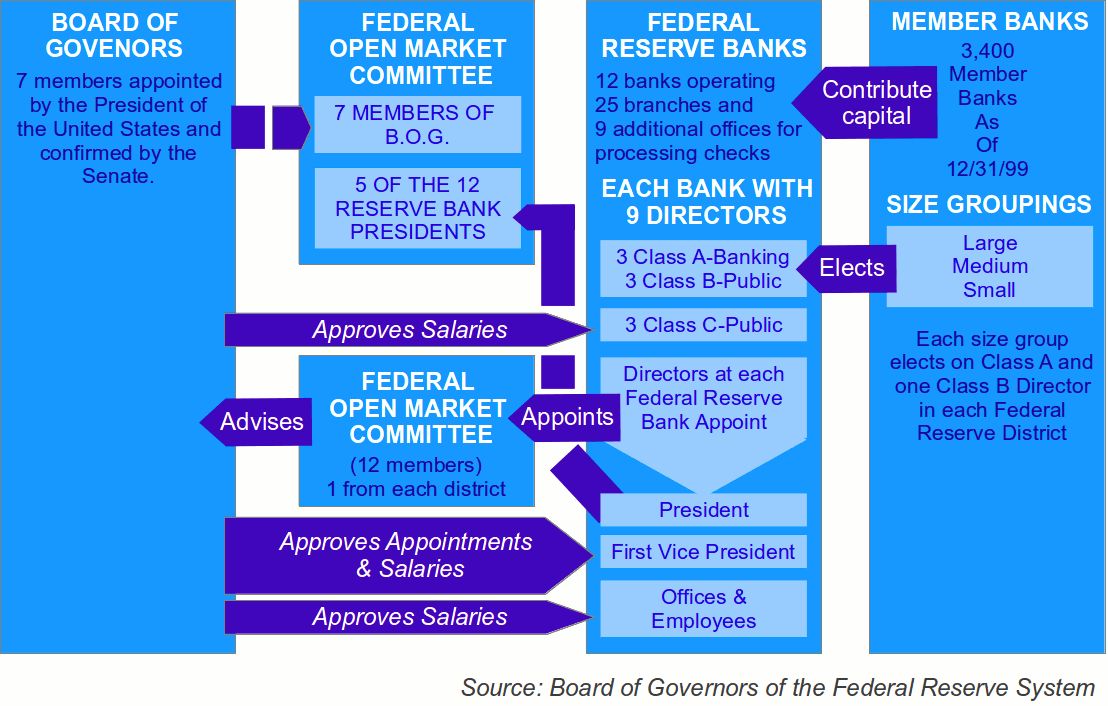
Structure and History of the Federal Reserve System
The Federal Reserve System was created on December 23, 1913, with the enactment of the Federal Reserve Act, largely in response to a series of financial panics, most notably the crisis of 1907. Its founding purpose was to address banking panics, furnish an elastic currency, afford means of rediscounting commercial paper, and establish more effective supervision of banking. The system has a unique hybrid public-private structure designed as a compromise between desires for public control and private banker independence. It is composed of several key layers. The presidentially appointed Board of Governors, with seven members serving staggered 14-year terms, functions as a large federal agency overseeing national banks and setting broad policy. Twelve regional Federal Reserve Banks, located in major cities, regulate and oversee privately owned commercial banks within their districts. The Federal Open Market Committee, which includes members from both the Board and the regional banks, is the body responsible for setting monetary policy, including the federal funds rate. Over its history, the Fed's role expanded significantly during events like the Great Depression and the 2008 financial crisis, taking on greater responsibilities for financial system stability and acting as a lender of last resort.
The original purposes of the Federal Reserve System were defined by the Federal Reserve Act of 1913 and have broadened over time. Congress established key objectives for monetary policy in the Federal Reserve Act, which are maximizing employment, stabilizing prices, and moderating long-term interest rates. The duties of the Federal Reserve now include supervising and regulating banks, maintaining the stability of the financial system, and providing financial services to depository institutions, the U.S. government, and foreign official institutions. The Fed also conducts research into the economy and provides numerous publications.
- Address the problem of banking panics and act as a lender of last resort.
- Serve as the central bank for the United States and as a banker's bank.
- Supervise and regulate banking institutions and protect the credit rights of consumers.
- Conduct monetary policy to achieve maximum employment and stable prices.
- Maintain the stability of the financial system and contain systemic risk.
- Provide financial services to depository institutions, the U.S. government, and foreign official institutions.
- Facilitate the exchange of payments among regions and operate the nation's payments system.
These duties encompass a wide range of activities from setting monetary policy to distributing currency and coin. During the Fiscal Year 2020, the Bureau of Engraving and Printing delivered 57.95 billion notes at an average cost of 7.4 cents per note. The Federal Reserve System was designed out of a compromise between the competing philosophies of privatization and government regulation. This compromise created the hybrid public-private, centralized-decentralized structure that exists today.
How the Federal Funds Rate Mechanism Works
The federal funds rate is the primary tool of the Federal Reserve's monetary policy. Federal funds are the reserve balances that private banks keep at their local Federal Reserve Bank. Banks are required to hold reserves equal to a fraction of their deposit liabilities, a practice known as fractional-reserve banking. The market where banks lend these reserve balances to one another overnight is the federal funds market. The FOMC sets a target range for this rate, and through open market operations, the New York Fed's trading desk buys or sells U.S. Treasury securities to add or drain reserves from the banking system, thereby influencing the actual rate to trade within the target. When the Fed lowers the target rate, it aims to stimulate economic activity by making borrowing cheaper for businesses and consumers. Conversely, raising the rate is intended to cool an overheating economy and curb inflation. This primary policy rate then influences a wide spectrum of other interest rates, including those for mortgages, car loans, and business credit, thereby affecting consumption, investment, and ultimately employment and prices. The Fed also uses the discount rate, the rate it charges banks for direct loans from its discount window, as a supplementary tool to provide liquidity.
The Federal Reserve employs several specific tools and services to implement its policy and maintain financial system functionality. The Federal Open Market Committee sets monetary policy by adjusting the target for the federal funds rate. The Fed provides financial services such as collecting checks, electronically transferring funds, and distributing and receiving currency and coin. It also acts as a lender of last resort to institutions that cannot obtain credit elsewhere.
- The discount window and credit operations to provide short-term liquidity for seasonal deposit fluctuations or unexpected withdrawals.
- Open market operations to buy and sell U.S. government securities and influence the federal funds rate.
- The Fedwire Funds Service for electronically transferring large-dollar amounts between institutions.
- The Fedwire Securities Service for transferring U.S. government securities.
- The FedACH system for automated clearing house transactions.
- The FedNow service, beginning in 2023, for facilitating instant retail payments.
These services ensure the effective functioning of the banking system and the nationwide payments network. Congress reaffirmed that the Federal Reserve should promote an efficient nationwide payments system in the Depository Institutions Deregulation and Monetary Control Act of 1980. By making loans through its discount window, the Fed serves as a buffer against unexpected day-to-day fluctuations in reserve demand and supply. This alleviates pressure in the reserves market and reduces the extent of unexpected movements in the interest rates.
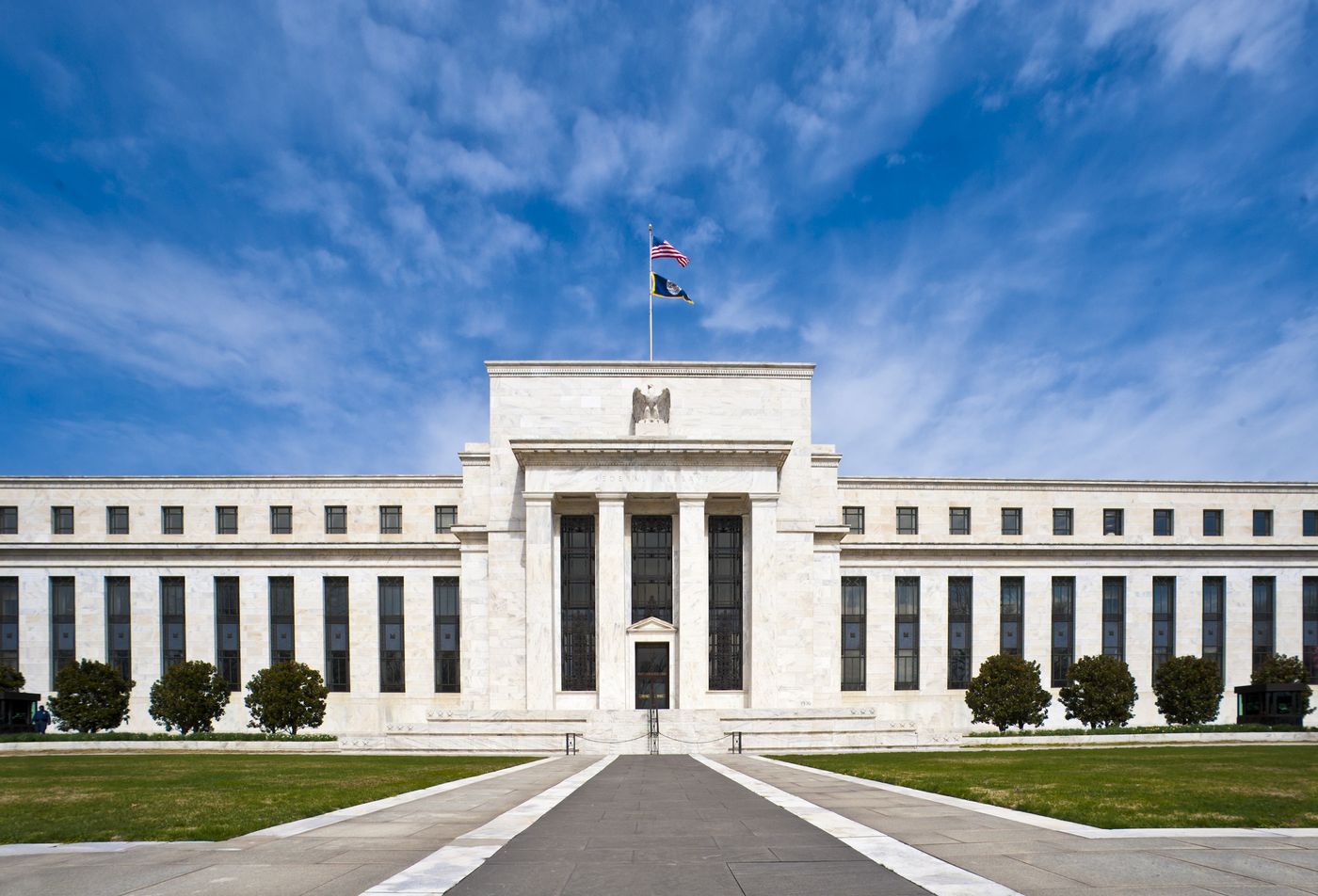
Direct and Indirect Impacts on the Canadian Economy
Federal Reserve interest rate decisions have profound and immediate consequences for Canada due to the deeply integrated North American economy. The most direct impact is on the Canada-U.S. exchange rate. A Fed rate hike typically strengthens the U.S. dollar relative to the Canadian dollar, as higher yields attract global capital flows into U.S. assets. A weaker Canadian dollar makes Canadian exports more competitive in the U.S. market but increases the cost of imported goods, contributing to domestic inflation. This dynamic directly influences the policy decisions of the Bank of Canada, which must balance domestic economic conditions against external pressures and currency movements. Canadian businesses with significant cross-border supply chains or U.S. dollar-denominated debt face immediate changes in their cost structures and profitability. Furthermore, Canadian financial markets, particularly bond yields and stock valuations, often move in sympathy with U.S. markets following a Fed announcement. The interconnectedness means that U.S. monetary policy is a critical external factor in Canada's economic outlook, influencing everything from mortgage rates set by Canadian banks to the investment decisions of domestic pension funds. This influence is a key reason why Canadian regulators require financial institutions to have robust frameworks for managing interest rate risk, as outlined in OSFI's Guideline B-12.
Canadian Regulatory Framework for Interest Rate Risk
In response to the systemic importance of interest rate fluctuations, Canadian regulators have established a robust framework for financial institutions to manage associated risks. The Office of the Superintendent of Financial Institutions (OSFI) issues Guideline B-12, the Interest Rate Risk Management guideline. A previous version of this guideline is valid until November 1, 2026, for institutions with an October 31 fiscal year-end, and until January 1, 2027, for institutions with a December 31 fiscal year-end, after which the final 2027 guideline comes into effect. This guideline applies to banks, federal credit unions, bank holding companies, and federally regulated trust and loan companies. It outlines OSFI's expectations for the identification, measurement, monitoring, and control of interest rate risk in the banking book. The framework is aligned with international standards from the Basel Committee on Banking Supervision. Key principles require institutions to have senior management oversight, a defined risk appetite articulated in terms of risk to both economic value and earnings, and measurement based on outcomes from a wide range of interest rate shock and stress scenarios. This regulatory focus ensures that Canadian institutions are resilient to volatility stemming from monetary policy shifts, including those initiated by the Federal Reserve.
The OSFI guideline establishes several core principles for sound risk management. Institutions must have an adequate IRRBB management framework involving regular independent reviews. Senior management is responsible for setting strategies and policies consistent with the board's approved risk appetite. Measurement should be based on both economic value and earnings-based measures from multiple scenarios. Institutions must fully understand and document key behavioural and modelling assumptions for products like non-maturity deposits and loans with prepayment options. The required stress tests include parallel and non-parallel rate shocks, changes in the slope of the yield curve, and forward-looking scenarios that incorporate interest rate expectations and potential changes in central bank policy. This comprehensive approach is designed to protect the safety and soundness of the Canadian financial system from domestic and external interest rate shocks.
The specific principles outlined in OSFI's Guideline B-12 provide a structured approach to risk management. These are fundamental expectations for federally regulated institutions in Canada. The guideline ensures a consistent and rigorous standard for managing financial risks from market interest rate movements. It is drawn from the Basel Committee on Banking Supervision framework published on the Bank for International Settlements website.
- Principle 1: IRRBB is an important risk for all institutions that should be specifically identified, measured, monitored and controlled.
- Principle 2: Institutions are responsible for oversight of the IRRBB management framework and the institution's risk appetite for IRRBB.
- Principle 3: An institution's risk appetite for IRRBB should be articulated in terms of the risk to both economic value and earnings.
- Principle 4: Measurement of IRRBB should be based on outcomes of both economic value and earnings-based measures from a wide range of interest rate shock and stress scenarios.
- Principle 5: In measuring IRRBB, institutions should fully understand key behavioural and modelling assumptions.
These principles ensure a consistent and rigorous standard for managing the financial risks that arise from movements in market interest rates. The guideline is drawn from the Basel Committee on Banking Supervision framework. This framework is published on the Bank for International Settlements website. By using this framework, the guideline aligns Canadian regulatory standards with global best practices for banking supervision.
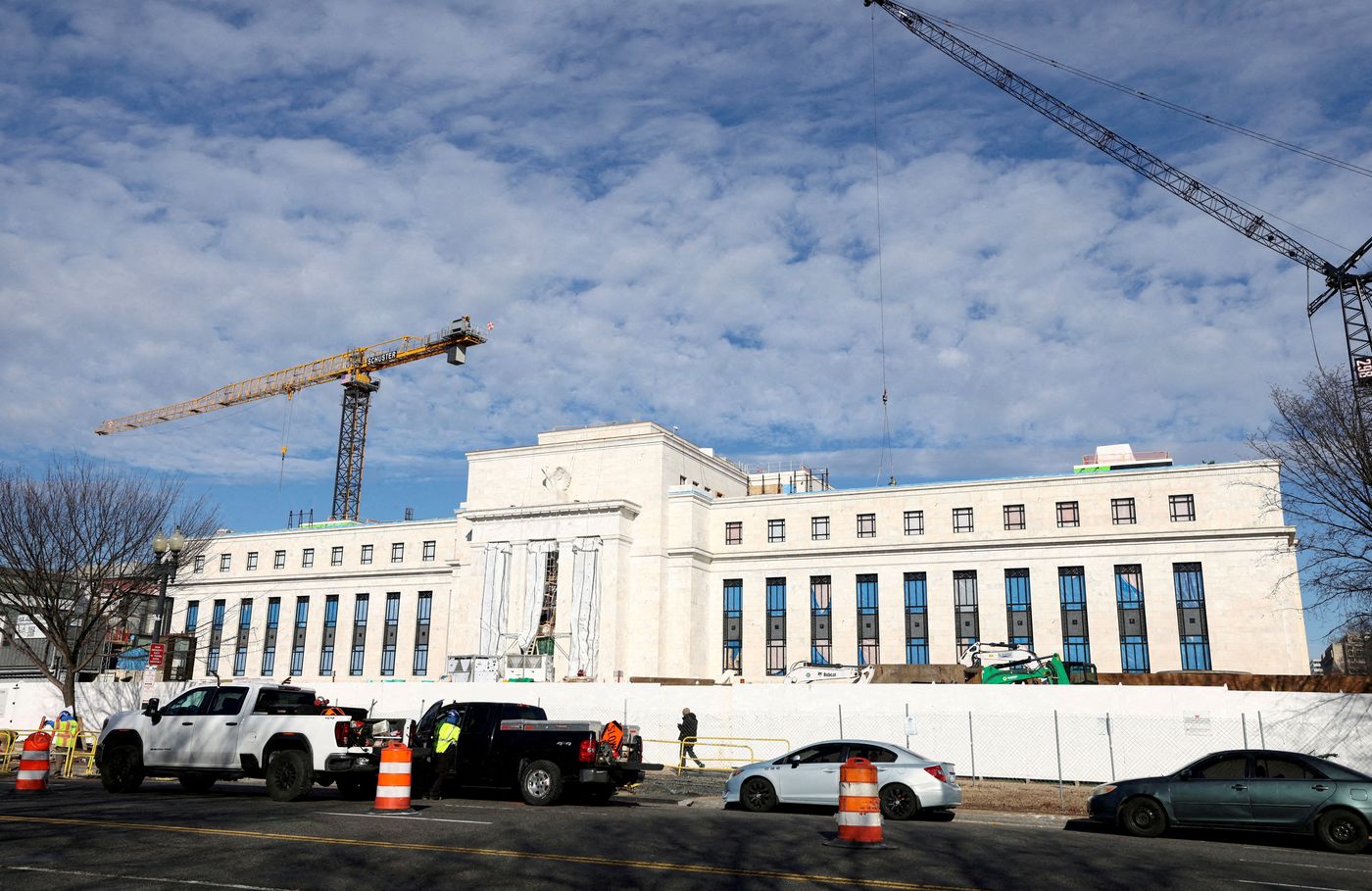
Key Debates and Criticisms of Fed Policy
The Federal Reserve's conduct of monetary policy, particularly around interest rate announcements, is subject to ongoing debate and criticism. A central historical criticism, notably from economist Milton Friedman, is that the Fed's refusal to lend money to small banks during the bank runs of 1929 contributed to the severity of the Great Depression. In the modern era, debates often focus on the Fed's approach to managing inflation, especially its commitment to a 2 percent average inflation target. Critics argue the Fed has at times been too slow to raise rates to combat rising prices or too quick to lower them, potentially fueling asset bubbles. The perceived lack of transparency in its decision-making processes and the immense power wielded by an institution that is independent within government but not fully public are persistent concerns. Furthermore, the global spillover effects of U.S. monetary policy, where Fed actions can trigger capital flight and economic instability in emerging markets, lead to debates about its international responsibilities. Domestically, there is tension between its dual mandate objectives, as actions to curb inflation by raising rates can increase unemployment. The Fed's role as lender of last resort, exemplified by its $85 billion loan to AIG in 2008, also sparks debate about moral hazard and the boundaries of its interventions. The Federal Reserve has been criticized for its approach to managing inflation and its perceived role in economic downturns throughout its history.
Historical Context and Evolution of Fed Announcements
The process and significance of Federal Reserve interest rate announcements have evolved considerably since the central bank's founding. Initially, monetary policy was less transparent and more focused on providing liquidity to prevent banking panics through the discount window. The creation of the FOMC in the 1930s centralized open market operations, but it was not until later in the 20th century that the federal funds rate emerged as the primary policy tool. A major shift occurred with the Depository Institutions Deregulation and Monetary Control Act of 1980, which subjected all depository institutions to reserve requirements and granted them equal access to Fed payment services, broadening the direct impact of policy. The practice of the Chair holding post-meeting press conferences is a 21st-century innovation designed to improve communication. This evolution reflects the growing understanding of the importance of managing market expectations and the global spotlight on U.S. monetary policy as a driver of worldwide financial conditions. The system does not draw upon public funding, and derives its authority and purpose from the Federal Reserve Act, which was passed by Congress in 1913 and is subject to Congressional modification or repeal.
Frequently asked questions
Why does the Federal Reserve's decision impact the Canadian dollar?
The impact stems from interest rate differentials and capital flows. When the Fed raises its policy rate, it often makes U.S. dollar-denominated assets like Treasury bonds more attractive to global investors seeking higher returns. This increased demand for U.S. dollars can cause the Canadian dollar to weaken relative to the U.S. dollar. Conversely, a Fed rate cut can weaken the U.S. dollar and strengthen the Canadian dollar. This exchange rate movement is a primary channel through which U.S. monetary policy affects Canadian import costs, export competitiveness, and overall inflation.
What is the difference between the federal funds rate and the Bank of Canada's policy rate?
The federal funds rate is the U.S. interbank overnight lending rate targeted by the Fed. The Bank of Canada's equivalent policy rate is the target for the overnight rate, which is the interest rate at which major financial institutions borrow and lend one-day funds among themselves. Both are the primary tools used by their respective central banks to implement monetary policy. While they serve the same purpose domestically, their levels can differ based on the unique economic conditions in each country, leading to the interest rate differentials that affect currency values.
What is the Fed's dual mandate?
The Federal Reserve's dual mandate, established by Congress, is to promote the goals of maximum employment and stable prices. The Fed interprets stable prices as an inflation rate of 2 percent per year on average over the longer run. A third, often less cited, statutory goal is to moderate long-term interest rates. All Federal Reserve interest rate decisions are made with the intention of fostering economic conditions that achieve these congressionally mandated objectives.
How do Canadian banks manage the risk from U.S. interest rate changes?
Federally regulated Canadian financial institutions follow OSFI's Guideline B-12 for Interest Rate Risk Management. This requires them to identify, measure, monitor, and control their exposure to interest rate risk. Banks use sophisticated models to stress-test their balance sheets against a wide range of interest rate shock scenarios, including parallel shifts and changes in the slope of the yield curve that could result from Fed actions. They must set internal policy limits and maintain capital buffers to ensure they can withstand potential losses from adverse movements in rates, safeguarding their stability amidst external monetary policy volatility.
How does the Federal Reserve interest rate decision affect Canadian mortgage rates?
The Federal Reserve's interest rate decisions can indirectly influence Canadian mortgage rates through global financial markets. While the Bank of Canada operates independently, the Fed's policy actions affect worldwide bond yields. Fixed mortgage rates in Canada are closely linked to long term Canadian government bond yields. When the Federal Reserve raises its target for the federal funds rate, it often leads to higher yields on U.S. Treasury securities, which can put upward pressure on Canadian bond yields and subsequently on fixed mortgage rates. Variable mortgage rates are more directly tied to the Bank of Canada's policy rate, which may consider Fed movements to manage potential currency fluctuations and align with broader economic trends, though domestic conditions remain paramount.
How often does the Federal Reserve announce interest rate decisions?
The Federal Reserve announces interest rate decisions after each of the eight regularly scheduled meetings held annually by the Federal Open Market Committee. This committee, which sets monetary policy, convenes to assess economic conditions and determine the appropriate target for the federal funds rate. While these eight meetings are the standard schedule, the FOMC can call unscheduled meetings to address urgent economic developments, as seen during financial crises. Following each scheduled meeting, the Fed issues a public statement detailing its policy decision. Furthermore, the Chair of the Board of Governors typically holds a press conference after these meetings to provide additional context and answer questions regarding the committee's assessment and outlook.
Sources and further reading
- Federal Reserve (Wikipedia) en.wikipedia.org
- Public interest inquiry guidelines citt-tcce.gc.ca
- Interest Rate Risk Management, Guideline (2027) osfi-bsif.gc.ca
This article explains how things work and is not financial, tax or legal advice. Rules, limits and rates change, so check the current figures with the Canada Revenue Agency, your province or your financial institution before you act.