The Federal Reserve interest rate decision is a key monetary policy announcement by the U.S. central bank that influences global financial conditions. The Federal Open Market Committee sets a target for the federal funds rate, which affects borrowing costs, currency values, and investment flows worldwide. For Canadians, these decisions can impact cross-border trade, the value of the Canadian dollar, and domestic interest rate trends set by the Bank of Canada. Understanding the Fed's actions is important as they ripple through the interconnected North American economy.
What is the Federal Reserve and Its Mandate
The Federal Reserve System is the central banking system of the United States, created in 1913 by the Federal Reserve Act. It was established in response to a series of financial panics, with a primary goal of addressing banking crises and providing a more stable monetary system. The Fed operates with a significant degree of independence from direct political control, though it is ultimately accountable to Congress. Its structure is a unique hybrid, featuring both public oversight through a presidentially appointed Board of Governors and private elements through regionally based Federal Reserve Banks. Over its history, its role expanded significantly during major economic events like the Great Depression and the 2008 financial crisis.
The Federal Reserve has a statutory mandate from Congress to conduct monetary policy to promote maximum employment, stable prices, and moderate long-term interest rates. The first two goals are commonly known as its dual mandate. Stable prices are interpreted as maintaining an average inflation rate of 2 percent per year. Beyond monetary policy, the Fed's duties include supervising and regulating banks, maintaining financial system stability, and providing critical financial services to depository institutions and the U.S. government. It also operates the nation's payments systems, including check clearing and electronic funds transfers.
How the Federal Reserve Sets Interest Rates
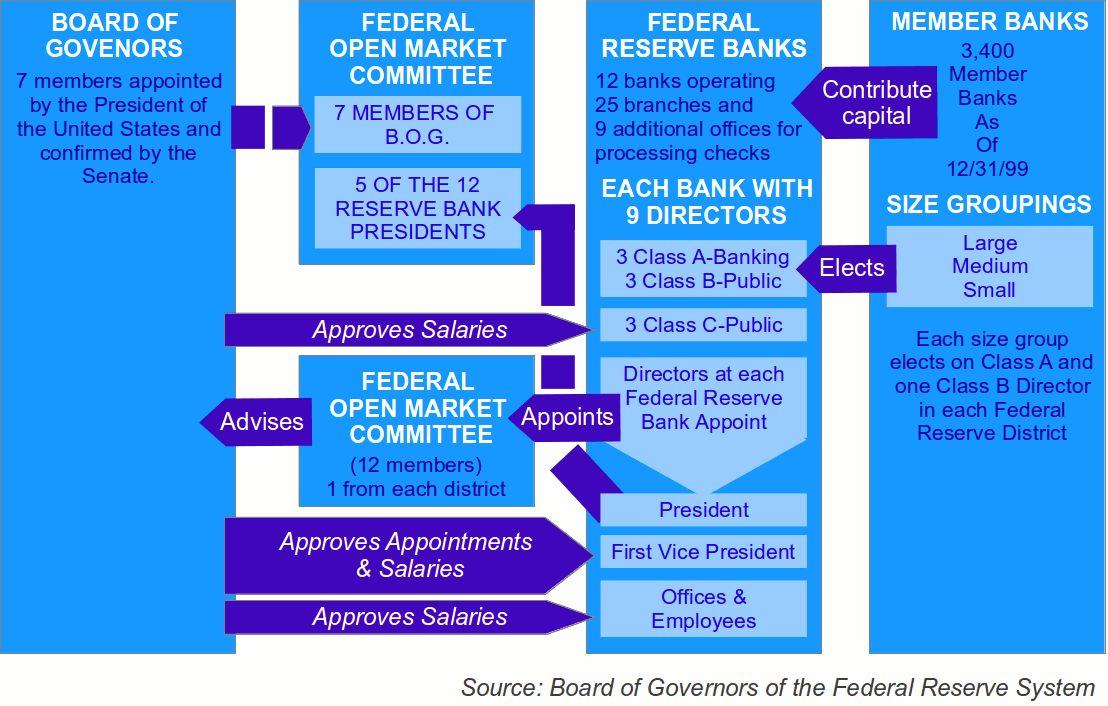
The Federal Open Market Committee is the body responsible for setting U.S. monetary policy, including the target for the federal funds rate. The FOMC consists of twelve members, including the seven members of the Board of Governors and five of the twelve regional Federal Reserve Bank presidents. The federal funds rate is the interest rate at which depository institutions lend reserve balances to other depository institutions overnight. The FOMC meets regularly, approximately eight times a year, to assess economic conditions and vote on whether to adjust this target rate. Decisions require consensus among the committee members and are based on analysis of a wide range of economic data.
Adjusting the federal funds rate is the Fed's primary tool for influencing broader economic activity. When the FOMC lowers the target rate, it aims to stimulate economic activity by making borrowing cheaper for businesses and consumers. Conversely, raising the target rate is intended to cool an overheating economy and restrain inflation by making credit more expensive. The Fed implements these rate targets through open market operations, which involve buying and selling U.S. government securities in the financial markets. These actions directly influence the supply of bank reserves, which in turn affects the actual federal funds rate that banks charge each other.
The Fed's decisions are communicated through official statements, press conferences, and the publication of meeting minutes. The central bank also provides economic projections from FOMC members, which offer insights into the likely future path of interest rates. The Fed's discount rate, which is the interest rate it charges commercial banks for short-term loans, is set by the boards of the regional Federal Reserve Banks and approved by the Board of Governors. This rate typically moves in tandem with the federal funds target and serves as a backup source of liquidity for banks.
Key Historical Context and Evolution
The Federal Reserve was created to solve specific problems plaguing the U.S. banking system before 1913. The country experienced repeated financial panics where banks, operating on a fractional-reserve system, could not meet sudden, large-scale withdrawal demands from depositors, leading to bank runs and failures. A severe crisis in 1907 was the final catalyst for the Federal Reserve Act. The original purposes included furnishing an elastic currency, providing a means for rediscounting commercial paper, and establishing more effective supervision of banking. The Fed was also designed to act as a lender of last resort to provide liquidity to solvent banks during crises, a role it took over from private clearinghouses.
Major historical events have reshaped the Fed's role and tools. During the Great Depression, some economists argue the Fed failed in its lender-of-last-resort function by refusing credit to smaller banks, worsening the economic collapse. The Depository Institutions Deregulation and Monetary Control Act of 1980 broadened the Fed's reach by extending reserve requirements and payment services to all depository institutions, not just member banks. This solidified its role in the national payments system.
The Federal Reserve's Structure and Key Entities
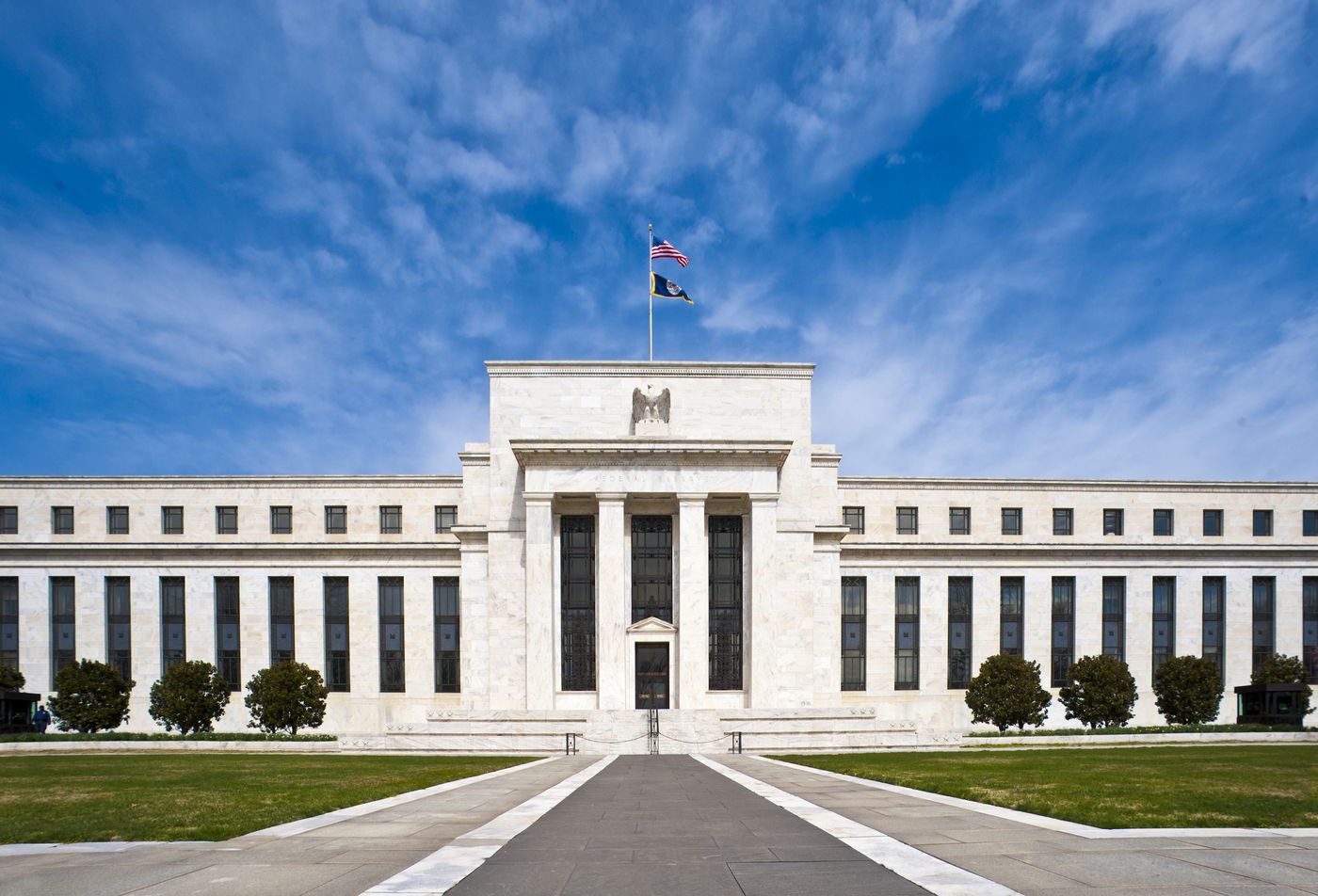
The structure of the Federal Reserve System is designed to balance national policy with regional perspectives and to provide insulation from political pressure. The system has four main components. The Board of Governors is a federal agency based in Washington, D.C., consisting of seven members appointed by the U.S. President and confirmed by the Senate for staggered 14-year terms. The Board sets reserve requirements, approves discount rate changes, and oversees the broader system. The Chair and Vice Chair of the Board are appointed to four-year terms from among the sitting governors. The twelve regional Federal Reserve Banks are located in major cities across the country and are responsible for supervising member banks, distributing currency, and providing financial services within their districts.
The Federal Open Market Committee is the key monetary policymaking body, directing open market operations to influence the federal funds rate. The member banks are the private commercial banks that hold stock in their regional Federal Reserve Bank and elect some of its directors. This hybrid structure reflects a historical compromise between those who wanted a central bank under public control and bankers who feared excessive government intervention. The Fed's operations are funded not by Congress but primarily by interest earned on its portfolio of securities, with net earnings returned to the U.S. Treasury. The Government Accountability Office audits certain Fed functions, though its authority is limited by law regarding examinations of monetary policy and foreign transactions.
How U.S. Rate Decisions Affect the Canadian Economy
Interest rate decisions by the U.S. Federal Reserve have significant direct and indirect effects on Canada's economy due to the deep integration of the two nations. When the Fed changes its policy rate, it influences global capital flows and the relative value of currencies. A Fed rate increase typically strengthens the U.S. dollar, which can put downward pressure on the Canadian dollar if the Bank of Canada does not match the move. A weaker Canadian dollar makes Canadian exports cheaper for U.S. buyers, potentially boosting sectors like manufacturing, but it also makes imports from the U.S. more expensive, contributing to domestic inflation. These exchange rate movements are a critical channel through which Fed policy transmits to Canada.
The Bank of Canada often, but not always, moves its policy rate in the same direction as the Fed to maintain stable currency relationships and manage inflationary pressures. For example, in 2026, both central banks coordinated a 25-basis-point rate cut, with the Fed bringing its rate to a range of 4.00-4.25% and the Bank of Canada cutting to 2.50%. However, the Bank of Canada maintains its independence and will deviate from the Fed's path if domestic economic conditions warrant it. Its primary mandate is to keep inflation low, stable, and predictable, with a target of 2 percent as measured by the Consumer Price Index. The Canadian central bank must balance this goal against other factors like employment and economic growth, which can be influenced by U.S. policy and trade relations.
Trade and financial linkages amplify the impact of Fed decisions. Many Canadian businesses rely on U.S. investment or export markets, so changes in U.S. borrowing costs affect their expansion plans and profitability. Furthermore, Canadian banks fund themselves in U.S. dollar markets, meaning their own cost of capital is tied to U.S. interest rates. For Canadian consumers, Fed actions can indirectly affect mortgage rates, particularly fixed rates, which are influenced by bond yields that respond to global interest rate trends. During periods of trade tension, such as the imposition of U.S. tariffs, the Bank of Canada may adjust its policy to counteract the resulting economic weakness, even if the Fed is on a different path.
Bank of Canada's Monetary Policy Framework
The Bank of Canada is the nation's central bank, with a primary responsibility to preserve the value of money by keeping inflation low, stable, and predictable. It targets an annual inflation rate of 2 percent, as measured by the Consumer Price Index, within a control range of 1 to 3 percent. The bank conducts monetary policy by setting a target for the overnight rate, which is the interest rate at which major financial institutions lend one-day funds to each other. The Governing Council, led by the Governor, makes interest rate decisions on eight predetermined dates each year. The bank's policy influences longer-term interest rates for mortgages, business loans, and other credit products, thereby affecting economic activity and inflation.
Recent policy has moved through significant volatility. The Bank of Canada cut its policy rate to 0.25 percent during the COVID-19 pandemic, then raised it ten times in 2022 and 2023 to a peak of 5 percent to combat surging inflation. It reversed course in the summer of 2024, cutting nine times over the following year and a half. As of 2026, the policy rate is 2.25 percent, which the bank considers the lower end of its neutral range where interest rates neither stimulate nor restrain the economy. The bank has held the rate steady for several consecutive decisions, indicating a cautious approach amid global uncertainties like high energy prices and trade tensions. The next scheduled announcement for 2026 was set for June 10, with another following on October 28.
The bank's other critical roles include issuing Canada's bank notes, acting as the federal government's banker, overseeing financial system stability, and regulating the retail payment system. It has also been given mandates to oversee Canada's open banking and stablecoin regimes. The bank's decisions are data-dependent, closely monitoring indicators like GDP growth, employment figures, and core inflation measures. Core inflation, which strips out volatile items, remained near 3 percent in late 2025, above the bank's target, highlighting ongoing price pressures even as headline inflation normalized. The bank projects inflation to moderate and settle close to 2 percent through 2026, assuming trade-related cost pressures are offset by weak domestic demand.
Impact on Canadian Mortgages and Household Finances
Changes in central bank policy rates directly affect the cost of borrowing for Canadian households, particularly through mortgage rates. The Bank of Canada's policy rate influences the prime rates set by commercial banks, which in turn affect variable-rate mortgage products. When the Bank of Canada cuts its rate, lenders typically lower their prime rate. For homeowners with a variable-rate mortgage with fixed payments, a rate cut means more of their monthly payment goes toward paying down the principal, potentially shortening the mortgage's amortization period. For those with variable payments, the total monthly payment amount decreases immediately, providing cash flow relief. Conversely, rate hikes increase borrowing costs for new variable-rate mortgages and can increase payments for existing holders.
Fixed-rate mortgages are not directly tied to the Bank of Canada's overnight rate but are influenced by bond yields, especially the five-year Government of Canada bond yield. These yields are affected by expectations for future monetary policy, both domestically and in the United States. When the Federal Reserve signals a more hawkish stance, it can push up Canadian bond yields, leading to higher fixed mortgage rates even if the Bank of Canada is on hold. In 2026, fixed mortgage rates climbed as the five-year bond yield reached a 52-week high near 3.73 percent, prompting major banks to raise select fixed rates. This decoupling means variable and fixed rates can move in opposite directions based on different market forces.
The renewal cycle for mortgages taken out during the ultra-low rate period is a significant financial event for many Canadians. By the end of 2026, approximately 33 percent of Canadian mortgage holders are expected to face higher monthly payments upon renewal. For those with five-year fixed-rate mortgages renewing in 2026, payment increases are projected to average around 20 percent. Borrowers with variable-rate mortgages face a wider range of outcomes. About 10 percent of those renewing a variable-rate mortgage could see payments rise by more than 40 percent, while roughly 25 percent might see payments fall by at least 7 percent. This disparity depends on whether borrowers increased their payments during the rate-hike cycle to avoid negative amortization. Financial stress is emerging, with severe mortgage delinquencies rising and insolvencies among homeowners increasing.
- Variable-rate mortgages: Directly impacted by Bank of Canada policy rate changes via lender prime rates.
- Fixed-rate mortgages: Influenced by bond yields, which react to future interest rate expectations.
- Renewal impact (2026): ~33% of holders face higher payments. Fixed-rate renewals average a 20% increase.
- Delinquency trend: Severe mortgage delinquencies (90+ days) rose 33.8% by balance year-over-year in Q2 2026.
Current Economic Context and Future Outlook
The economic backdrop for central bank decisions in 2026 is marked by competing forces of inflation risks and growth concerns. A sharp rise in energy prices, driven by geopolitical conflict that disrupted oil shipments, pushed benchmark oil prices up more than 50 percent in a month and gasoline prices in Canada up nearly 40 cents a litre. This contributed to a spike in the Consumer Price Index, with annual inflation reaching 2.4 percent in March 2026. However, core inflation measures, which exclude volatile items, remained stubbornly near 3 percent. The Bank of Canada has indicated that if high oil prices persist, it may need to implement consecutive rate increases to prevent broader inflationary pressures.
Conversely, the economy faces significant downside risks from trade tensions, particularly tariffs imposed by the United States. These levies have reduced Canadian exports by around 4 percent, paused business investment, and contributed to an unemployment rate of 6.8 percent in December 2025. The Canadian economy showed resilience with real GDP growing at an annualised rate of 3.3 percent in the second quarter of 2026, but momentum faded with negligible growth in subsequent months. The Bank of Canada must balance these opposing forces, and its stated assumption is that oil prices will moderate and additional U.S. tariffs will not be imposed. Market expectations, as reflected in interest rate swaps, have priced in the possibility of two to three quarter-point rate hikes by the Bank of Canada starting in October 2026, though many bank economists expect the first increase to occur in 2027.
The Federal Reserve's path also remains data-dependent. In 2026, it cut rates in response to a softening labour market, bringing the federal funds target range to 4.00-4.25 percent. TD Economics predicted at the time that the Fed would likely cut two more times that year. The Fed must weigh the risk of inflation flaring up due to tariffs impacting consumer prices against the need to support economic activity. For Canada, the trajectory of monetary policy will ultimately depend heavily on the outcome of the trade war with the United States and its impact on economic growth and inflation. Both central banks are expected to proceed cautiously, with the Bank of Canada likely holding its policy rate at 2.25 percent through the end of 2026 absent major shocks.
Frequently asked questions
What is the Federal Reserve interest rate decision?
The Federal Reserve interest rate decision is the announcement by the Federal Open Market Committee (FOMC) setting a target range for the federal funds rate. This is the interest rate at which banks lend reserve balances to each other overnight. The FOMC makes this decision approximately eight times a year to influence economic activity, employment, and inflation in line with its dual mandate. The decision is based on economic data and forecasts, and it directly affects borrowing costs throughout the United States and has significant international repercussions.
How does the Fed's decision affect interest rates in Canada?
The Fed's decisions affect Canada through several channels, primarily via exchange rates and financial market integration. A Fed rate hike can strengthen the U.S. dollar, potentially weakening the Canadian dollar if the Bank of Canada does not follow suit. This affects import prices and inflation. Furthermore, Canadian fixed mortgage rates are influenced by bond yields, which respond to global interest rate trends set in part by the Fed. While the Bank of Canada sets its policy independently, it often considers Fed actions to maintain economic and currency stability, leading to correlated rate movements, as seen in coordinated cuts in 2026.
What is the Bank of Canada's current interest rate?
As of 2026, the Bank of Canada's policy interest rate is 2.25 percent. The bank has held the rate steady at this level for several consecutive decisions. This rate is at the lower end of what the bank considers the neutral range, meaning it neither stimulates nor restrains the economy. The rate was reduced from a peak of 5 percent after a series of cuts that began in the summer of 2024. The bank makes eight scheduled interest rate announcements per year, with the next one in 2026 set for June 10 and another on October 28.
Will the Bank of Canada cut interest rates again?
The Bank of Canada's future rate decisions depend on evolving economic data. In 2026, the bank indicated the current 2.25 percent rate 'looks appropriate,' assuming oil prices moderate and no new U.S. tariffs are imposed. However, it acknowledged significant risks that could push rates higher or lower. Market pricing in early October 2026 suggested roughly 100 basis points of increases over the following 12 months, with some odds of a hike as soon as October 28. Many bank economists, however, expect the bank to hold steady through 2026, with the first potential increase not occurring until 2027.
How do central bank rate changes affect my mortgage?
The impact depends on your mortgage type. For variable-rate mortgages, changes in the Bank of Canada's policy rate directly affect the lender's prime rate, which your mortgage rate is tied to. A rate cut can lower your interest cost, potentially reducing payments or paying down principal faster. For fixed-rate mortgages, changes are less immediate. Your rate is locked in. However, fixed rates for new mortgages or renewals are set by bond yields, which are influenced by expectations for future central bank policy. When you renew a fixed-rate mortgage taken out during low-rate periods, you will likely face a significantly higher payment.
Sources and further reading
- Federal Reserve (Wikipedia) en.wikipedia.org
- Bank of Canada interest rate decisions theglobeandmail.com
- Bank of Canada bankofcanada.ca
- The U.S. Federal Reserve and the Bank of Canada cut rates stories.td.com
- Bank of Canada interest rate update (September 2, 2026) rbcroyalbank.com
- Mortgage Rates Forecast Canada 2026 to 2030 nesto.ca
This article explains how things work and is not financial, tax or legal advice. Rules, limits and rates change, so check the current figures with the Canada Revenue Agency, your province or your financial institution before you act.