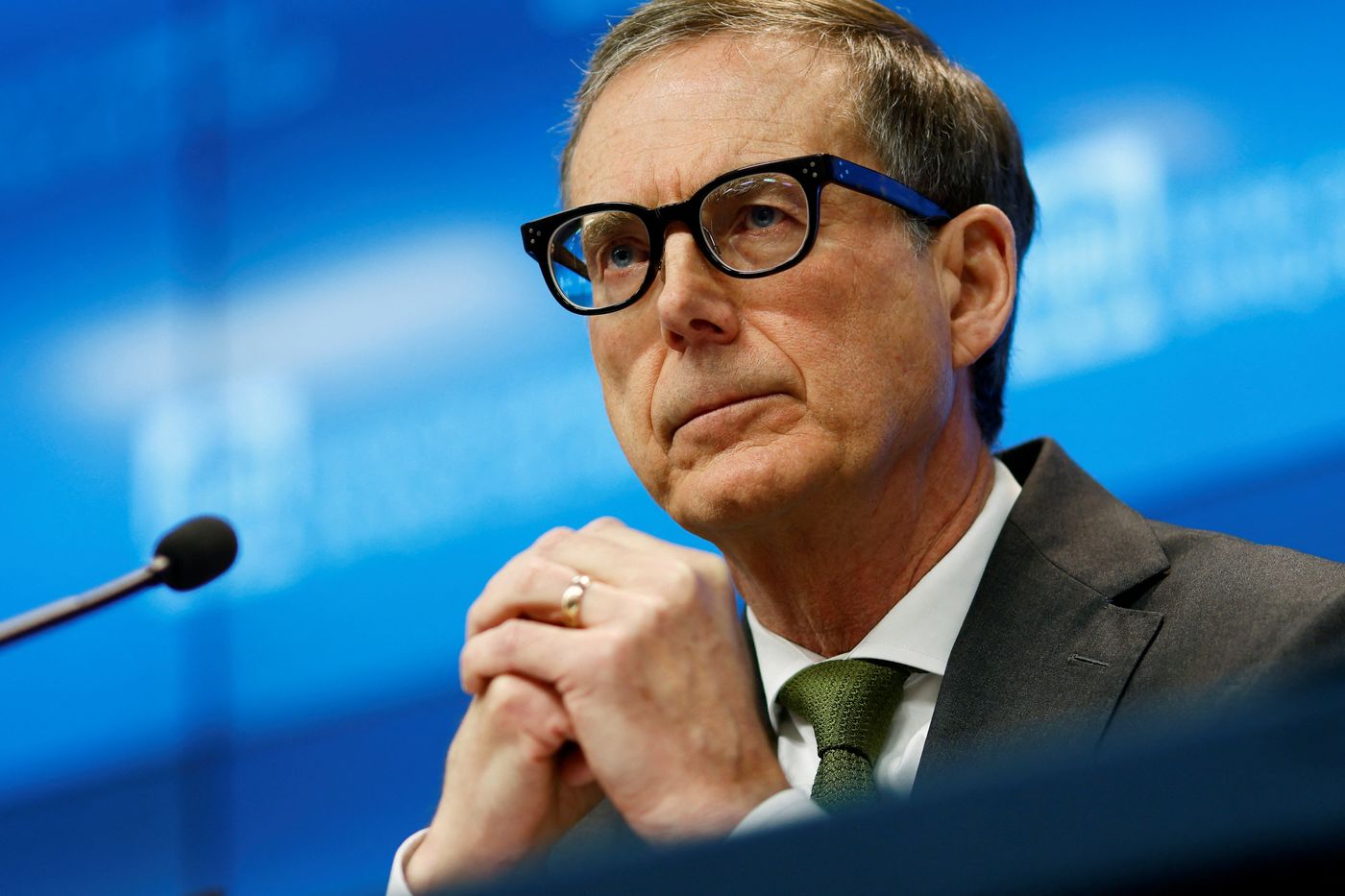
The Governor of the Bank of Canada is the chief executive officer of Canada's central bank and the chair of its board of directors. Appointed for a seven-year term, the Governor is responsible for monetary policy, financial system stability, and the issuance of Canadian currency. This role is central to the Canadian economy, influencing interest rates, inflation, and the overall financial health of the nation. The current Governor, Tiff Macklem, assumed the position on June 3, 2020.
Role and Responsibilities
The Governor of the Bank of Canada holds a dual leadership role as both the chief executive officer and the chair of the bank's board of directors. This position places the Governor at the helm of Canada's monetary policy framework, which is designed to keep inflation low, stable, and predictable. The Governor oversees the bank's operations, manages its staff, and represents Canada in key international financial forums. A critical ceremonial duty is that the Governor and the Deputy Governor sign each new series of Canadian banknotes, authenticating the currency. Furthermore, the Governor serves as the ex-officio alternate voter for Canada at the International Monetary Fund, playing a part in global economic governance. The Governor also chairs the bank's Governing Council, which is responsible for making interest rate decisions eight times a year.
Appointment and Term
The appointment process for the Governor of the Bank of Canada is established by the Bank of Canada Act. The bank's board of directors selects the Governor, and this appointment must then be approved by the Governor-General-in-Council, which effectively means the federal cabinet. By law, the Governor is appointed for a term of seven years. This lengthy term is intended to provide stability and shield the central bank's decision-making from short-term political pressures. There is no statutory limit on the number of terms a Governor may serve, though in practice most serve a single term. The current Governor, Tiff Macklem, was appointed effective June 3, 2020, for a seven-year term. His predecessor, Stephen S. Poloz, served from 2013 to 2020.
Historical List of Governors
The Bank of Canada has been led by ten Governors since its establishment. The historical leadership provides context for the evolution of Canadian monetary policy and central banking. The following list details the Governors and their terms of office. Gerald Bouey (1973 to 1987) John Crow (1987 to 1994) Gordon Thiessen (1994 to 2001) David Dodge (2001 to 2008) Mark Carney (2008 to 2013) Stephen S. Poloz (2013 to 2020) Tiff Macklem (2020–present) Mark Carney's appointment in 2008 was notable as he was the first non-Canadian-born individual to hold the position, though he was a Canadian citizen. He later left to become Governor of the Bank of England.
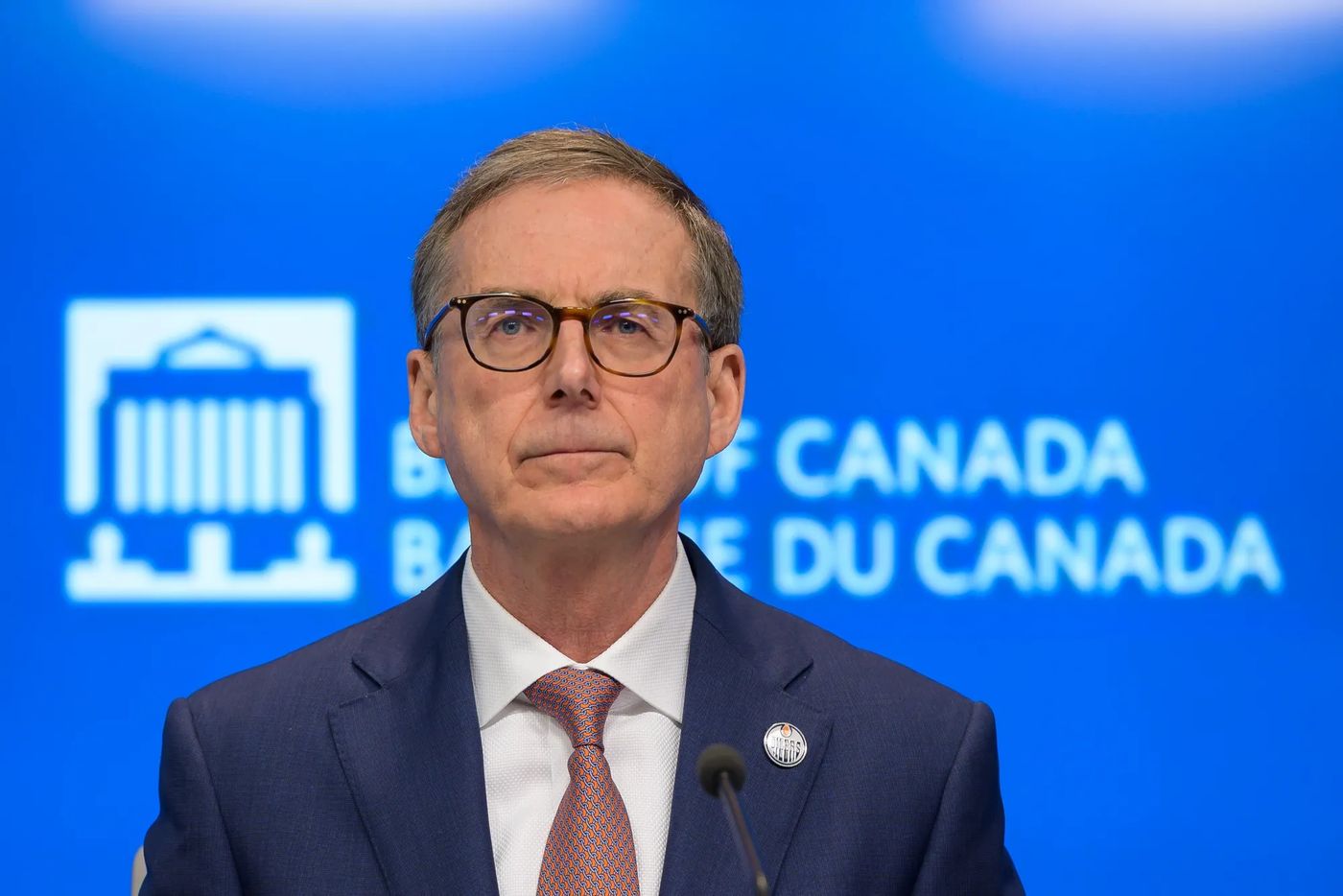
Current Governor: Tiff Macklem
Tiff Macklem is the tenth Governor of the Bank of Canada, beginning his term on June 3, 2020. Born in Montréal, Quebec, he holds a bachelor's degree in economics from Queen's University and a master's degree and PhD in economics from the University of Western Ontario. Macklem's career at the Bank of Canada began in 1984, and he has held numerous senior positions, including Deputy Governor and Senior Deputy Governor. During the 2008-09 global financial crisis, he served as Associate Deputy Minister at the Department of Finance Canada, representing Canada at the G7, G20, and Financial Stability Board. Before his appointment as Governor, Macklem was the Dean of the Rotman School of Management at the University of Toronto from 2014. He also served as a director of the Bank of Nova Scotia and chaired several economic advisory panels. In his international capacity, Governor Macklem chairs the Group of Governors and Heads of Supervision, the oversight body of the Basel Committee on Banking Supervision.
The Governing Council and Senior Management
The Governor does not make monetary policy decisions alone but leads the Bank's Governing Council. This council is the primary decision-making body for interest rates and consists of the Governor, the Senior Deputy Governor, and the Deputy Governors. The Governor chairs this council, guiding the discussion and ultimately being responsible for communicating its decisions to the public. The Senior Deputy Governor is the second-in-command, a position created in 1970. The current Senior Deputy Governor is Carolyn Rogers. Other Deputy Governors oversee specific departments such as financial markets, economic analysis, and currency. This management structure ensures that policy is informed by diverse expertise and analysis from across the bank. The Governor also oversees the broader senior management team responsible for the bank's daily operations and strategic direction.

Accountability and Public Scrutiny
While the Bank of Canada operates independently in its monetary policy decisions, the Governor is accountable to Parliament and the Canadian public. The Governor appears regularly before the House of Commons Standing Committee on Finance to explain the bank's policy decisions, economic outlook, and actions. These appearances allow parliamentarians to question the Governor on matters such as inflation, interest rates, and financial stability. The bank also publishes a detailed Monetary Policy Report four times a year, which the Governor presents and discusses at a press conference. This transparency is a key part of the bank's mandate to maintain public confidence. The Governor's speeches and public statements are closely analyzed by financial markets, economists, and the media for signals about future policy direction.
Key International Roles
The Governor of the Bank of Canada holds significant responsibilities in the global financial system beyond Canada's borders. As an ex-officio alternate voter at the International Monetary Fund, the Governor helps shape international economic policy and crisis response. Governor Macklem also serves as Chair of the Group of Governors and Heads of Supervision, which oversees the Basel Committee on Banking Supervision and its international banking standards. He chairs the Financial Stability Board's Standing Committee for the Assessment of Vulnerabilities, which monitors risks to the global financial system. Additionally, he is co-Chair of the FSB's Regional Consultative Group for the Americas and Chair of the Bank for International Settlements Consultative Council for the Americas. These roles ensure Canadian perspectives are represented in the development of global financial regulations and stability frameworks.
Frequently asked questions
Who is the current Governor of the Bank of Canada?
The current Governor of the Bank of Canada is Tiff Macklem. He was appointed on June 3, 2020, for a seven-year term. Macklem is the tenth person to hold the position. Prior to his appointment, he served as Dean of the Rotman School of Management at the University of Toronto.
What is the role of the Senior Deputy Governor?
The Senior Deputy Governor is the second-highest ranking official at the Bank of Canada, a position created in 1970. The Senior Deputy Governor supports the Governor, deputizes in their absence, and is a key member of the Governing Council that sets interest rates. The Senior Deputy Governor also provides a signature on Canadian banknotes alongside the Governor. The current Senior Deputy Governor is Carolyn Rogers.
How is the Bank of Canada Governor appointed?
The Governor of the Bank of Canada is appointed by the Bank's board of directors with the approval of the Governor-General-in-Council. This appointment process is established under the Bank of Canada Act, 1985. The Governor serves as the chief executive officer of the Bank and also acts as the chair of its board of directors. This dual role combines executive leadership with governance oversight. The appointment is a formal procedure involving the federal government's representative.
What does the Bank of Canada Governor do?
The Governor of the Bank of Canada is the chief executive officer and chair of the board of directors, controlling the Bank's operations. A key ceremonial duty is that the Governor and the deputy governor sign each series of Canadian banknotes. Internationally, the Governor serves as the ex-officio alternate voter for Canada at the International Monetary Fund. The Governor is the public face of the Bank and leads its Governing Council. This role involves overseeing monetary policy and representing Canada in global financial forums.
How long is the Governor's term?
The Governor of the Bank of Canada is appointed for a seven-year term. For example, the current Governor, Tiff Macklem, was appointed effective June 3, 2020, for a seven-year term. This fixed term provides stability and independence in the conduct of monetary policy. The seven-year duration is standard for the position, as seen with previous governors like Mark Carney who was also appointed for a seven-year term in 2008. The term length is a key feature of the office's structure.
Who was the Governor before Tiff Macklem?
The Governor immediately before Tiff Macklem was Stephen S. Poloz, who served from 2013 to 2020. Prior to Stephen Poloz, Mark Carney was Governor from 2008 to 2013. The historical leadership of the Bank includes several other past Governors: David Dodge from 2001 to 2008, Gordon Thiessen from 1994 to 2001, John Crow from 1987 to 1994, and Gerald Bouey from 1973 to 1987. Tiff Macklem is the tenth Governor in the Bank's history. This succession shows the continuity of leadership at the institution.
Sources and further reading
- Governor of the Bank of Canada (Wikipedia) en.wikipedia.org
- Tiff Macklem bankofcanada.ca
This article explains how things work and is not financial, tax or legal advice. Rules, limits and rates change, so check the current figures with the Canada Revenue Agency, your province or your financial institution before you act.