An economy is the social system of production, distribution, trade and consumption of goods and services within a region or country. It encompasses the practices, resources and institutions that determine how a society manages its material needs. The Canadian economy is an advanced, mixed market system and ranks among the ten largest in the world. Its performance directly affects the jobs, incomes and cost of living for all Canadians, making an understanding of economic principles essential for personal and national decision-making.
What an Economy Is and How It Works
An economy is defined as a social domain focused on the practices and management of resources associated with the production, distribution, trade and consumption of goods and services. It functions as a set of interconnected processes influenced by a society's culture, values, education, technology, history and political structure. These elements create the context and parameters within which economic activity occurs. Economic transactions happen when parties agree on the value of a good or service, typically using a medium of exchange like currency. The fundamental drivers of economic activity are production, which uses natural resources, labour and capital, and the dynamics of supply and demand.
Economic systems can be organized in different ways. A market economy is where goods and services are produced and exchanged according to demand and supply between participants. In contrast, a planned economy involves direct political control over what is produced and how it is distributed. Modern economies often exhibit characteristics of a mixed economy, blending market forces with government intervention. Other contemporary types include the green economy, which emphasizes low-carbon and resource-efficient growth, and the gig economy, characterized by short-term, on-demand jobs. The global economy refers to the interconnected economic systems of the world as a whole.
Economic agents, the participants in an economy, can be individuals, businesses, organizations, or governments. Their transactions form the basis of economic activity, though monetary exchanges are only one part of the broader economic domain which includes non-market activities. The study of this domain is divided into macroeconomics, which looks at regional and national level issues like inflation and employment, and microeconomics, which focuses on the behaviour of individual agents and markets. Practical fields directly related to human economic activities include business, engineering, government, and health care, while the social science of economics is central to its study.
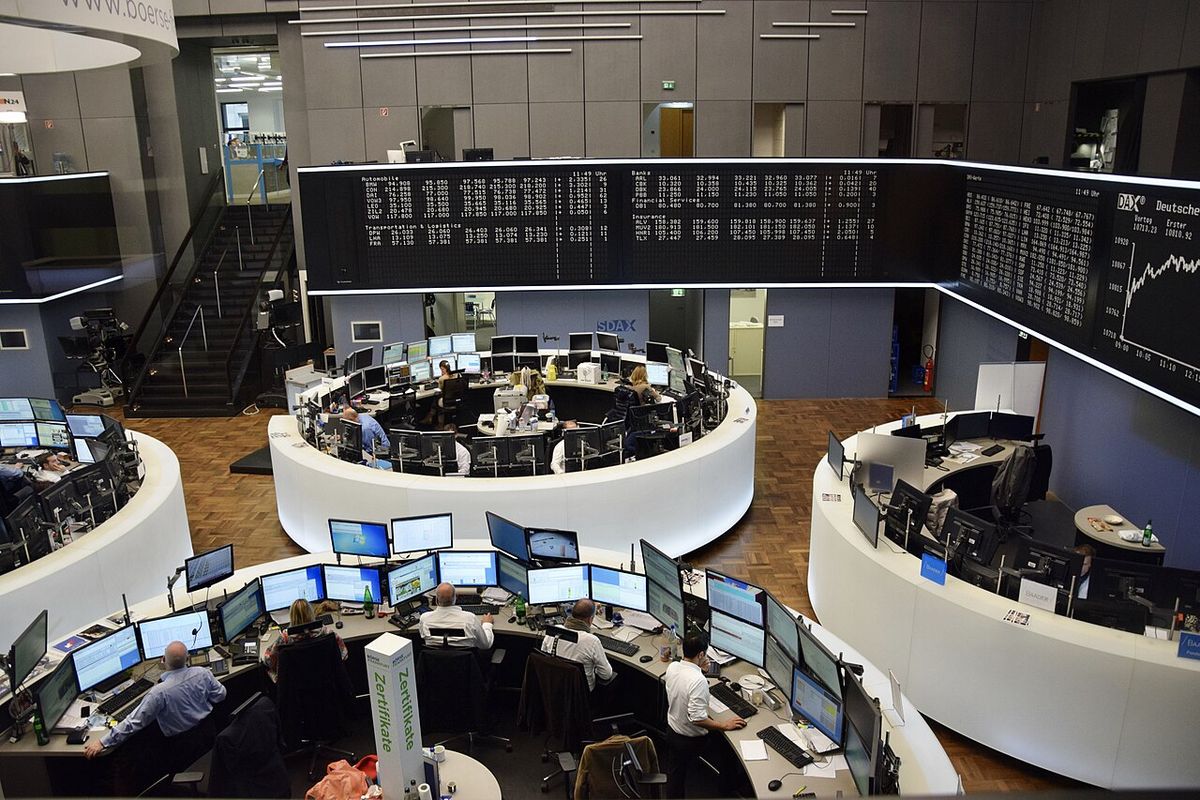
Historical Development of Economic Systems
The concept of an economy has existed as long as people have produced and traded goods. Early economies, such as those in Sumer and Babylon, were based on subsistence farming and developed early systems of commodity money, legal contracts and property rights. The term 'economy' itself originates from the Ancient Greek word 'oikonomia', meaning household management, but its modern sense denoting a national economic system did not emerge until the 1650s. During the Middle Ages, economies remained near subsistence levels, but the age of exploration led to the first global trading networks and the founding of the first stock exchange in Antwerp in 1513.
The modern study of economics began with thinkers like Adam Smith in the 18th century, who defined elements of a national economy based on competition, supply and demand, and the division of labour. The subsequent Industrial Revolution, starting in the United Kingdom, marked a profound turning point by enabling mass production and spurring economic growth through industrial capitalism. The 20th century saw the development of major economic theories in response to events like the Great Depression, notably John Maynard Keynes's advocacy for state management of aggregate demand. The late 20th and early 21st centuries have been characterized by the rise of the service and information sectors, the spread of global trade, and the increasing economic influence of nations like China and India.
- Circa 3000 BC: First use of a currency unit (the shekel) in Mesopotamia.
- 1513: First stock exchange founded in Antwerp.
- 1776: Adam Smith publishes The Wealth of Nations.
- 18th-19th Century: The Industrial Revolution transforms production.
- 1930s: The concept of 'the economy' becomes widely known during the Great Depression.
- Late 1950s: Rise of the mass consumption economy in America and Europe.
- Post-2000: Growth of the Internet and information economy.
In the Middle Ages, the European captures in the New World were financed by venture capital, which was to be repaid by the goods extracted. The secularization of church property in Europe later provided resources for town development. By the 18th century, economists like Thomas Malthus applied ideas of supply and demand to population issues. The post-World War II period saw strong economic growth in the West, termed the Wirtschaftswunder or economic miracle in Germany, leading to what John Kenneth Galbraith called the 'affluent society' in 1958. The fall of the Iron Curtain and the transition of Eastern Bloc countries to market economies further reshaped the global economic landscape in the late 20th century.
Sectors and Indicators of Economic Activity
Economies are commonly analyzed by dividing them into sectors based on the type of activity. The three-sector model is a standard framework. The primary sector involves the extraction and production of raw materials, such as agriculture, forestry, fishing and mining. The secondary sector is responsible for transforming these raw materials into finished goods, encompassing manufacturing and construction. The tertiary sector involves the provision of services to consumers and businesses, including retail, finance, education and healthcare. In developed economies like Canada's, the tertiary or service sector typically represents the largest share of economic activity. Beyond these, economies also include the public sector (government), the private sector (businesses) and the voluntary social sector.
Economists and policymakers use specific indicators to measure economic performance. The most common is the Gross Domestic Product (GDP), which is the monetary measure of the market value of all final goods and services produced in a country over a period. GDP per capita divides this total by the population to give an average economic output per person. Analysts distinguish between nominal GDP, which is unadjusted for inflation, and real GDP, which is adjusted to reflect changes in price levels. Other crucial indicators include the median income, which shows the economic situation of the average person, and employment rates. The term 'real economy' is often used to describe the part of the economy concerned with actual production of goods and services, as opposed to the financial markets.
The evolution of an economy through different phases changes the prominence of these sectors. The ancient economy was based mainly on subsistence farming. The Industrial Revolution lessened this role, expanding agriculture and causing growth in mining, construction and manufacturing. In modern consumer societies, there is a growing role for services, finance and technology, constituting the knowledge economy. Economic activity is spurred by production using natural resources, labour and capital, and is continually changed by technology, innovation and shifts in industrial relations, such as the historical replacement of child labour with universal education in some parts of the world.
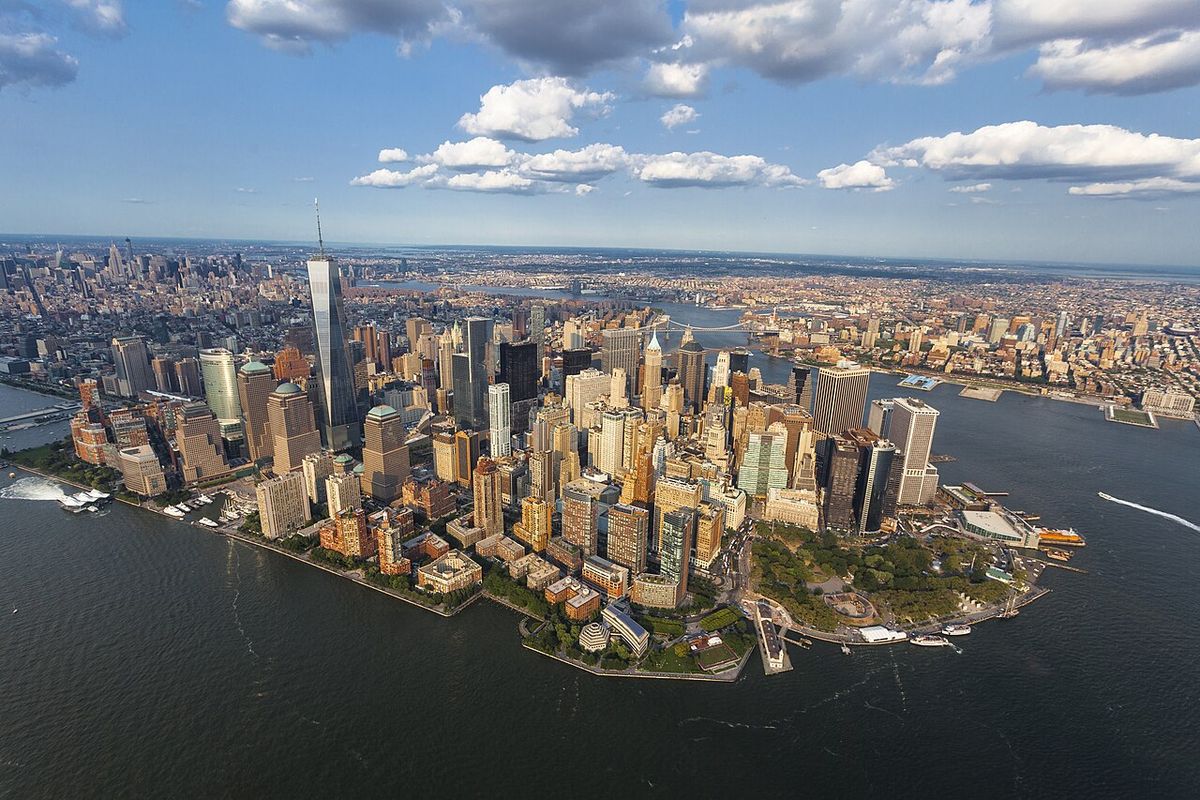
Structure and Performance of the Canadian Economy
Canada possesses an advanced, diversified mixed economy that relies heavily on its abundant natural resources and well-developed international trade networks. It operates as a market economic system where prices are largely determined in a free price system, though with government involvement in key areas. The country is a member of major trade agreements including the Asia-Pacific Economic Cooperation (APEC) and the Comprehensive and Progressive Agreement for Trans-Pacific Partnership (CPTPP). The United States-Mexico-Canada Agreement (USMCA), which succeeded NAFTA, is a central part of Canada's trade policy, though its renewal past 2026 is currently under uncertain review. The national statistical agency, Statistics Canada, provides the key data on the economy that citizens and decision-makers require.
Canada's economic performance is subject to forecasts and cyclical changes. Following a period of weakness, growth is expected to pick up. However, external pressures like U.S. tariffs and Canadian countermeasures are putting downward pressure on growth. Forecasts indicate GDP growth will slow to 0.9 percent in 2026 before strengthening to 1.7 percent in 2027 as the economy recovers from trade-related impacts. Inflation, which had been rapid, is projected to ease to around 2 percent. The Bank of Canada, the nation's central bank, had aggressively tightened monetary policy to combat inflation, and interest rate cuts were not anticipated until the latter half of 2024. The economy's recovery is seen as crucial for the governing party's prospects in the next federal election, due in late 2025.
The Liberal Party government, led by Prime Minister Justin Trudeau, has stated its focus for the period leading to the election will be on reducing emissions, protecting indigenous rights and stimulating home-building. The economy had been on the verge of recession due to the central bank's monetary policy tightening aimed at bringing down inflation. Political and economic analysts note that the government needs a recovery in the economy to be competitive in the 2025 election. The US declined to renew the USMCA for another 16 years by the mandatory deadline of July 1st 2026, initiating a process of annual reviews that creates significant uncertainty for trade. Canada will need to boost business confidence and investment if it wants to maintain recent upward momentum, according to economic reports.
Key Economic Sectors and Current Debates in Canada
Canada's economy is notably diversified, with significant strength across multiple sectors. The natural resources industries remain a traditional pillar, including forestry, fishing, agriculture, mining and energy. These sectors are major contributors to exports. Alongside resources, Canada has a robust services sector, a advanced manufacturing base, and a growing technology and knowledge economy. This diversification helps buffer the economy against shocks in any single industry. However, analysts sometimes describe a 'two-track economy', where certain regions or sectors perform strongly while others lag, creating disparities in growth and opportunity across the country.
Several major debates and risks currently shape the Canadian economic landscape. The uncertain future of the USMCA trade agreement creates significant uncertainty for businesses and investors. High levels of government deficit and concerns about secular declines in business investment are viewed as long-term challenges. There is also a strong policy focus on transitioning to a green economy, reducing carbon emissions, and stimulating home-building to address housing affordability. Furthermore, the economic impact of artificial intelligence and data centre investments on jobs and productivity is a subject of growing analysis. Financial stress among households is estimated to cost employers billions in lost productivity, indicating that personal economic stability remains a concern for overall economic health.
| Economic Indicator | Forecast/Status |
|---|---|
| GDP Growth (2026) | 0.9% |
| GDP Growth (2027) | 1.7% |
| Inflation Target | Around 2% |
| USMCA Review Deadline | July 1, 2026 |
| Next Federal Election | Late 2025 |
| Bank of Canada Policy Rate (Late 2023) | 2.25% |
| Productivity Cost of Financial Stress | $74.3 billion (estimated) |
Additional pressures include businesses delaying projects due to tariffs, higher costs and supply-chain disruptions. A poll indicated one in five small business owners describe their business as being in a 'weak' or 'critical' condition. Foreign investors have poured record amounts into Canadian government bonds as federal debt issuance has increased. Economists in late 2023 did not expect the Bank of Canada to raise interest rates from 2.25 percent until its June meeting in the following year. The pivot toward a declining Europe, the staggering federal deficit, and the secular sag in investment are all cited as bad long-term signs for the economy. Some commentators argue it is time to bring 21st-century statecraft to bear in Ottawa's economic policy to address these challenges.
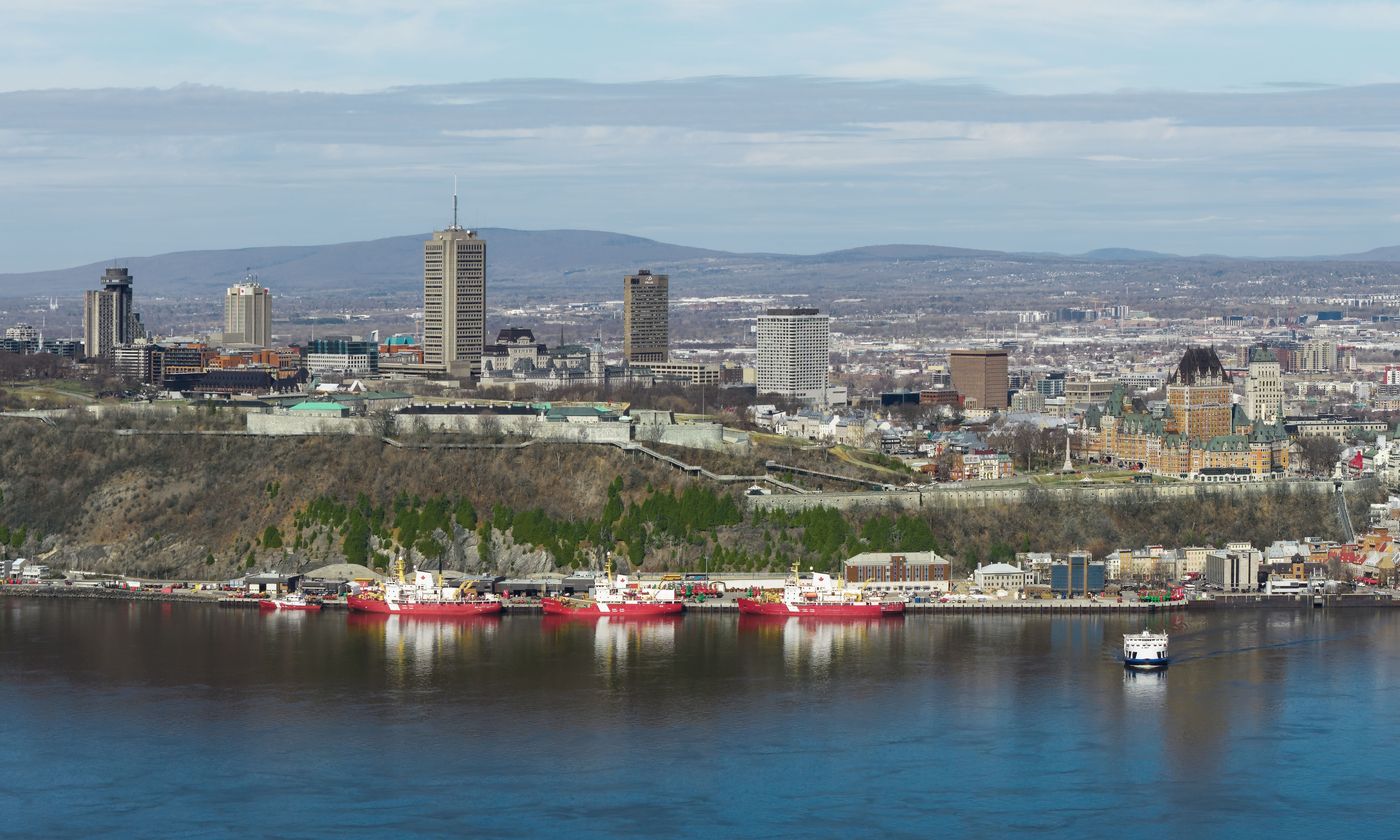
Management and Measurement of the Canadian Economy
The Canadian economy is managed and measured by several key public institutions. The Bank of Canada is the central bank responsible for monetary policy, including setting the target for the overnight interest rate to maintain price stability and control inflation. Following a period of rapid inflation, the Bank aggressively tightened monetary policy, and as of late 2023, its policy rate was 2.25 percent. The bank's actions are data-dependent, and officials monitor indicators like fuel costs, worried they could pass through to other goods and services. The Minister of Industry and the Minister responsible for Canada Economic Development for Quebec Regions also hold portfolios related to economic management.
Statistics Canada is the national statistical agency mandated to ensure Canadians have the key information on Canada's economy, society and environment. It collects and publishes data on a wide range of subjects through surveys and the census, which is conducted every five years. The agency provides data tables, microdata, data visualizations and analytical articles that are essential for understanding economic trends. Its publication, The Daily, releases statistical news, and it offers workshops and training across the country. For instance, it reported that 54 percent of Canadians in 2023 thought the yearly change in the Consumer Price Index would be higher than 3 percent by the same time the following year. The agency also produces maps to find regional data and maintains documentation to help interpret surveys.
The government's fiscal policy is another tool for economic management. The former central banker and current government official Mark Carney has focused on clearing obstacles to investment, and his fiscal pledge has been to 'spend less to invest more'. The government maintains a list of 167 major industrial and infrastructure projects to guide investment. However, critics argue that more special treatment for regions could encourage inter-regional jealousy, and that good government focused on broad economic fundamentals is what all Canadians want. The economic intelligence unit EIU provides forecasts and analysis used by businesses for strategy and risk management in the Canadian market, covering political and economic developments, regulations and market conditions.
Frequently asked questions
What are the main sectors of the Canadian economy?
The Canadian economy is divided into several key sectors. The primary sector includes natural resources like forestry, fishing, agriculture and mining. The secondary sector involves manufacturing and construction. The largest sector is the tertiary or service sector, encompassing finance, technology, retail and healthcare. Canada's economy is diversified across all these areas.
What is an economy in simple terms?
An economy is an area of the production, distribution and trade, as well as consumption of goods and services. It is defined as a social domain emphasizing the practices and management of resources, involving culture, values, technology, and political structure. Economic activity is spurred by production using natural resources, labour, and capital, and it evolves due to technology and innovation. Economic transactions occur when parties agree on the value of a good or service, often expressed in currency, though monetary transactions are only a small part. The concept dates to ancient times, with the modern sense of a national economic system developing around the 1650s.
What type of economy does Canada have?
Canada has a market economic system where the prices of goods and services are determined in a free price system. It is an advanced and diversified mixed economy, ranking as one of the ten largest economies globally. The nation relies heavily upon its abundant natural resources, such as forestry, fishing, agriculture, and mining, and well developed international trade networks. This market system operates within a framework that includes a significant public sector and government involvement, characteristic of a mixed economy integrated into the global marketplace.
What is Canada's GDP and how is it changing?
Gross Domestic Product (GDP) is a monetary measure of the market value of all final goods and services produced in Canada. According to forecasts, Canada's GDP growth is expected to strengthen over 2026 and 2027, reaching 1.2 percent and 1.7 percent respectively, as the economy recovers. However, a separate report indicates growth will slow to 0.9 percent in 2026 due to downward pressure from trade related factors like U.S. tariffs and Canadian countermeasures. These projections follow a period of economic weakness with signs of improvement, where inflation is also projected to ease.
What are the biggest risks to the Canadian economy right now?
Current risks to the Canadian economy include ongoing trade disputes, as U.S. tariffs and Canadian countermeasures continue to put downward pressure on growth. There is also concern about a secular sag in business investment and the staggering federal deficit, which are seen as bad long term signs. Furthermore, economic uncertainty is highlighted by weak labour numbers indicating how tariffs have weighed on the economy, and there is a noted need to boost business confidence and investment to maintain recent upward momentum. These factors collectively challenge economic stability and growth prospects.
Sources and further reading
- Economy (Wikipedia) en.wikipedia.org
- Canada's national statistical agency statcan.gc.ca
- Canadian-Economy financialpost.com
- Canada: Introduction >> globalEDGE globaledge.msu.edu
- Canada Insights & Analysis | EIU eiu.com
This article explains how things work and is not financial, tax or legal advice. Rules, limits and rates change, so check the current figures with the Canada Revenue Agency, your province or your financial institution before you act.