The Canadian Armed Forces budget is the financial plan for the country's unified military, managed by the Department of National Defence. It funds personnel, operations, and the acquisition of equipment for the Royal Canadian Navy, Canadian Army, and Royal Canadian Air Force. In recent years, the budget has grown significantly to meet international commitments, with planned spending reaching approximately US$63 billion in 2026 to 2027, representing about 2.0 percent of Canada's gross domestic product. This financial commitment is central to national sovereignty, domestic emergency response, and Canada's role within the North Atlantic Treaty Organization.
Budget Composition and Recent Increases
The Canadian Armed Forces budget encompasses all funding for the military's personnel, daily operations, maintenance, and capital equipment purchases. It is presented annually through the federal government's main estimates and can be adjusted through supplementary estimates. For the 2025 to 2026 fiscal year, the Main Estimates for the Department of National Defence sought authorities totaling $33.9 billion. Supplementary Estimates (A) for the same year proposed an additional $8.2 billion in spending authorities for the department, bringing the total proposed voted authorities to $42.1 billion. These supplementary estimates are used for unanticipated or refined spending requirements that were not fully developed in time for the main budget. The government has stated that planned defence spending eligible under the NATO definition will reach at least 2 percent of GDP in 2025 to 2026, with a total planned spending exceeding $62 billion when including Other Government Departments. This represents the largest year-over-year increase to Canada's defence spending in generations.
A significant portion of new funding is directed toward capital expenditures for new equipment and infrastructure. The 2025 federal budget included an $81-billion funding package for the Canadian Armed Forces, which emphasizes a Buy Canadian procurement plan to support the domestic defence industry. Supplementary estimates have also allocated $2.1 billion for recruitment, retention, and support programs for the Canadian Armed Forces and another $2.1 billion for defence research and development. Despite these large inflows, the department is simultaneously managing demands for internal reallocation and cost savings. The government has asked the Department of National Defence to prioritize capital expenditures that grow and modernize the forces while spending less on operating expenditures. This directive aligns with a broader government plan to balance operating expenses by 2027 to 2028.
Planned defence spending is projected to rise dramatically in the coming decade. According to the Parliamentary Budget Office, direct spending on the Canadian military could reach more than $163 billion by 2035. Annual defence spending is set to increase from $75 billion to $95.6 billion by 2030. The government's long-term commitment is encapsulated in the NATO Defence Investment Pledge, which aims to invest 5 percent of GDP in defence by 2035. This pledge is broken into two components. Canada will invest 3.5 percent of GDP by 2035 in core military needs such as supporting the Canadian Armed Forces, modernizing equipment, and building defence industries. An additional 1.5 percent of GDP will be dedicated to defence and security-related investments by all levels of Canadian government, such as in telecommunications and emergency preparedness systems.
Historical Context and Spending Trajectory
Defence spending in Canada has fluctuated significantly over the decades, often reflecting global geopolitical climates and domestic fiscal priorities. Following the Second World War, Canada possessed the fourth-largest air force and fifth-largest naval surface fleet in the world. However, by 2014, defence spending had fallen to just 1 percent of GDP, which was half of Canada's obligations as a NATO member at the time. The early 2000s saw several modernization efforts. For the 2007 to 2010 fiscal years, the regular defence allocation was CA$6.15 billion, or 1.4 percent of GDP. This was augmented in 2005 with an additional CA$12.5 billion over five years and again in 2010 with another CA$5.3 billion over five years for personnel increases and CA$17.1 billion for new equipment. The 2008 Canada First Defence Strategy further aimed to modernize the forces through new equipment purchases and improved readiness.
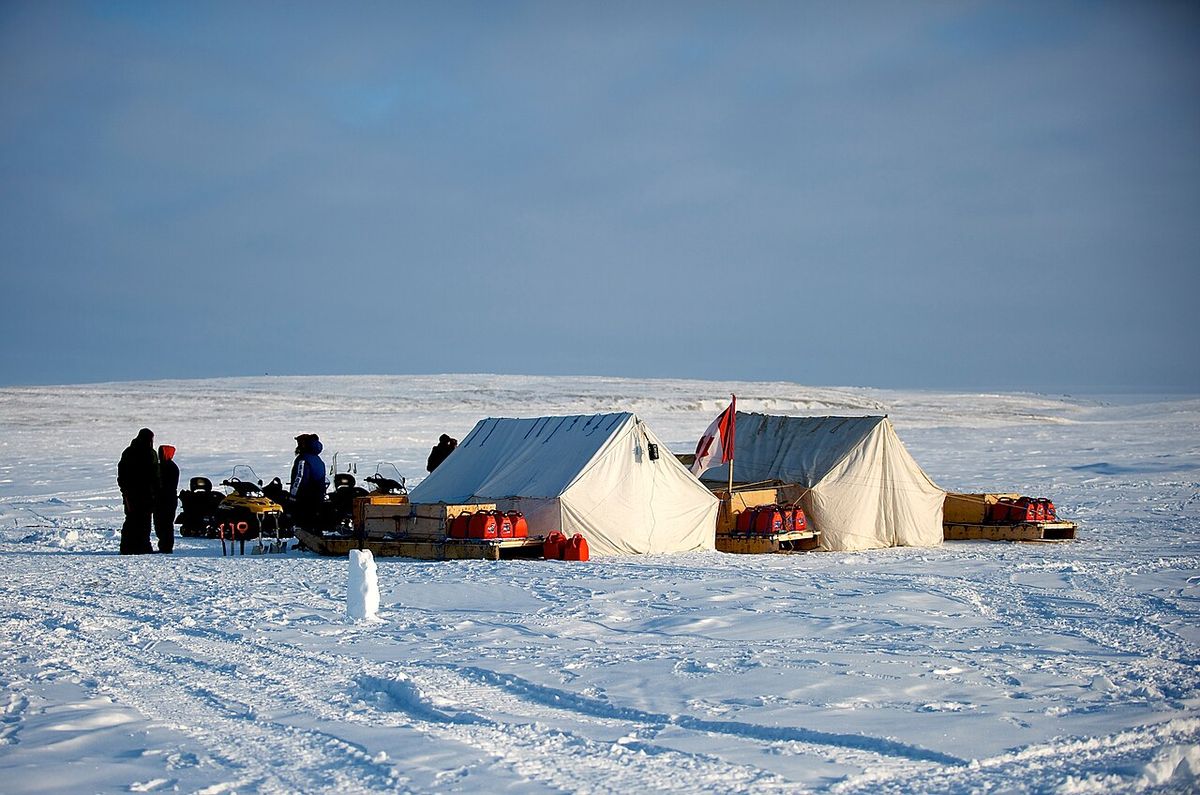
The current rapid escalation in spending marks a decisive shift. The government has stated that Canada has achieved the NATO 2 percent defence expenditure target half a decade ahead of the previous government's schedule. This acceleration is part of a plan to rebuild, rearm, and reinvest in the Canadian Armed Forces announced shortly after the 2025 election. The commitment extends beyond the immediate 2 percent target. The government's generational investments are designed to provide the military with the tools to protect sovereignty from the seafloor to the Arctic and in cyberspace. The historical pattern shows a move from post-Cold War contraction to a contemporary period of substantial reinvestment, driven by a perceived more volatile and dangerous global environment.
- 2014: Defence spending fell to 1% of GDP.
- 2007 to 2010: Regular defence budget was CA$6.15 billion (1.4% of GDP).
- 2005: Additional CA$12.5 billion over five years announced.
- 2010: Additional CA$5.3 billion over five years for personnel and CA$17.1 billion for equipment.
- 2025: NATO 2% of GDP target achieved.
- 2035 Target: NATO Defence Investment Pledge of 5% of GDP.
Procurement and the Defence Industrial Base
A central pillar of the increased defence budget is the acquisition of new equipment and the strengthening of Canada's domestic defence industry. Chronic procurement delays and equipment shortfalls have been a long-standing challenge for the Canadian Armed Forces. The new government's strategy explicitly links spending to industrial growth, aiming to reform defence procurement to make it easier and faster to buy Canadian-made equipment. This supports the domestic defence industry and creates high-paying careers. In October 2025, the government launched the Defence Investment Agency to overhaul and streamline the defence procurement process. The agency's goal is to ensure the Canadian Armed Forces receive world-class equipment when they need it.
The scale of planned investment is vast. Over the next decade, Canada plans to unleash half a trillion dollars in defence investment across submarines, aircraft, drones, sensors, and radar systems. The government announced Canada's first-ever Defence Industrial Strategy, a plan to scale Canadian defence companies and direct hundreds of billions of dollars into strategic sectors of the economy. Specific recent announcements include a $3 billion package in infrastructure and defence-related investments across Atlantic Canada. This industrial focus is intended not only to equip the military but also to build a resilient, innovative economic sector capable of contributing to national security and prosperity.
Internal Fiscal Management and Readiness Challenges
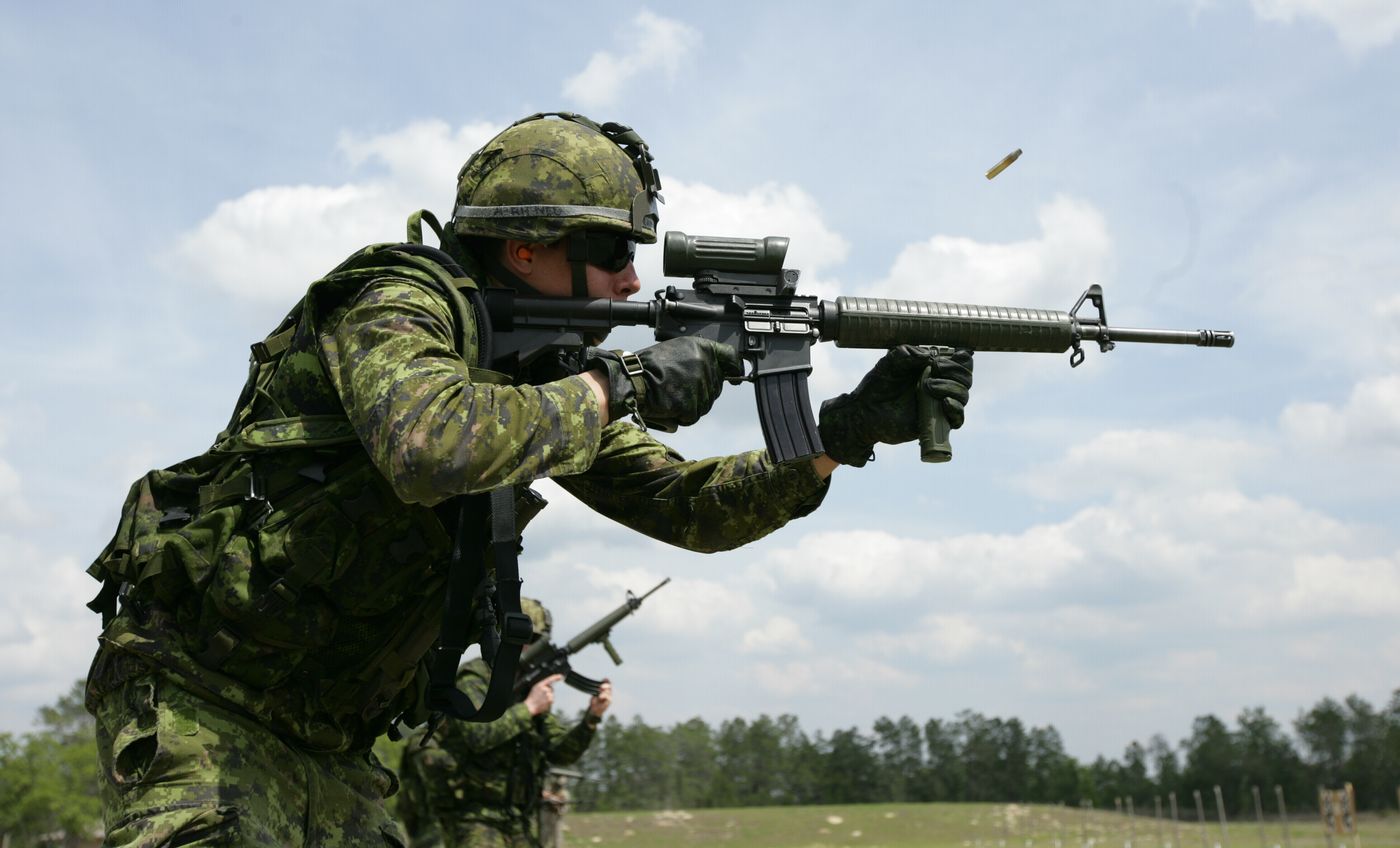
Despite the substantial influx of new money, the Canadian Armed Forces and the Department of National Defence face complex internal fiscal pressures. The department is subject to government-wide directives for cost savings and internal reallocation. In 2023, the previous government announced operations and maintenance reductions, which included an $810-million reduction the first year and planned cuts of $908 million each following year. A federal official confirmed this schedule remains unchanged. Furthermore, the Treasury Board Secretariat is examining defence operational spending with an eye to reducing expenses by 10 percent. The government has asked the department to reduce spending on outside consultants and reorient spending to prioritize capital expenditures over operating expenditures.
These internal belt-tightening measures occur alongside the massive budget increases, creating a challenging management environment. Experts warn that care must be taken with where internal cuts are made, as military readiness has suffered in the past from insufficient operations and maintenance funding. According to the latest federal budget, the current operational readiness of the military overall hovers around 61.3 percent. The vice-chief of the defence staff has communicated that internal savings need to be found and that the military's aggressive growth plans will have to be tempered. Analysts note that much of the new cash is already allocated to prior commitments, such as wage increases for personnel and promises made by the previous government, leaving less disposable cash for new initiatives than may be publicly perceived.
Strategic Priorities and Global Commitments
The Canadian Armed Forces budget directly funds the country's strategic defence priorities and international obligations. The forces are currently active in 37 operations around the world, contributing to global peace and security. These operations range from maintaining international security in the Middle East under Operation AMARNA to leading a NATO Multinational Brigade in Central and Eastern Europe under Operation REASSURANCE. Domestically, the forces conduct sovereignty patrols and security exercises in the Arctic under Operation NANOOK. The budget enables the Canadian Armed Forces to fulfill its roles in disaster response, having deployed over 16,000 troops during the 1998 North American ice storm, the largest domestic deployment for a natural disaster, and over 8,500 personnel during the 1997 Red River flood.
The renewed financial commitment is framed as a response to an increasingly dangerous world. The government states the investments are necessary to defend Canadian territory, protect its people and values, and uphold commitments to allies, including countering Russian aggression and supporting Ukraine's sovereignty. Achieving the NATO spending targets is portrayed as foundational to Canada's reliability as a partner. The planned pathway to investing 5 percent of GDP by 2035 is intended to transform the Canadian Armed Forces into a more capable and resilient institution. This strategic direction underscores a shift from a historical focus on United Nations peacekeeping, which greatly declined in the 21st century, towards a posture aligned with NATO-sanctioned operations and collective defence.
Personnel Funding and Force Structure
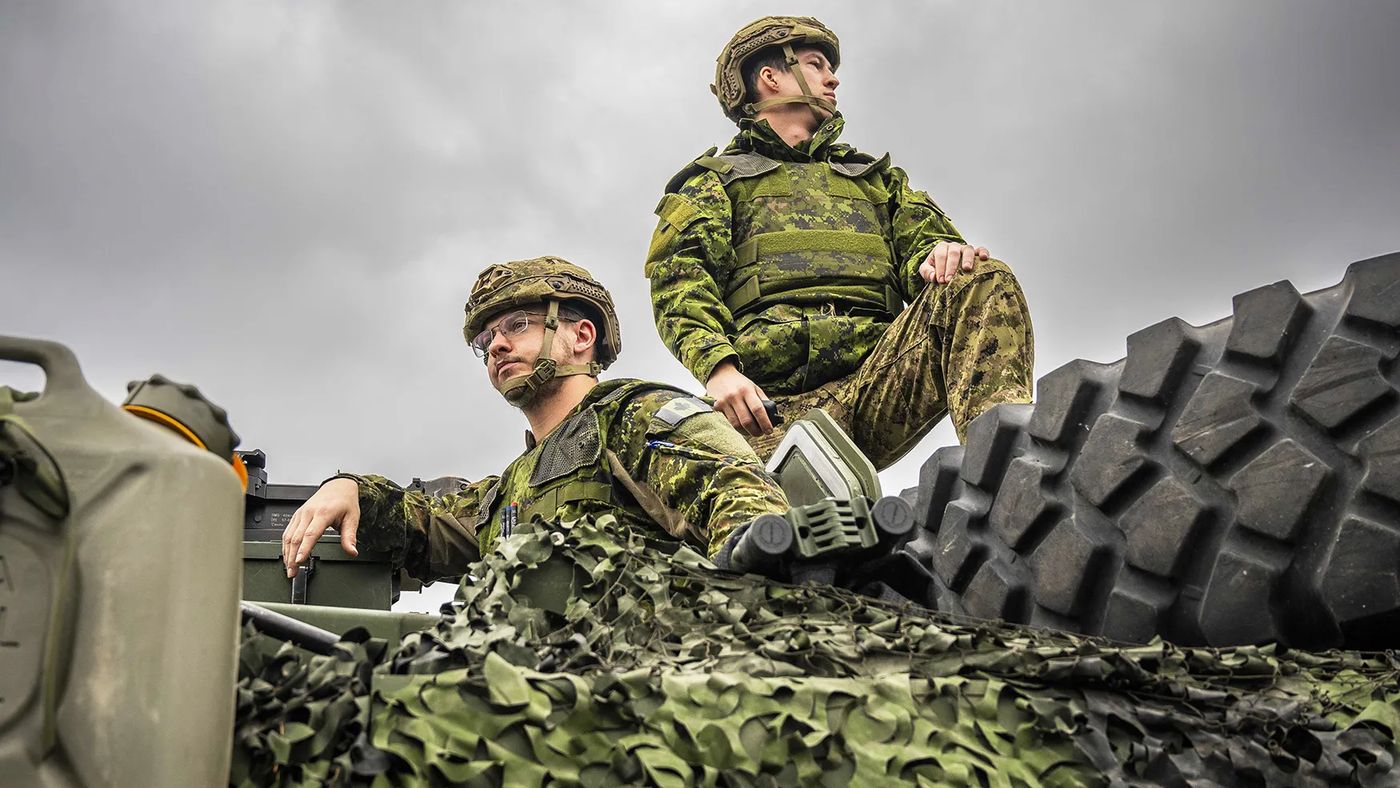
A significant portion of the defence budget is dedicated to personnel costs for the approximately 100,000 members of the Canadian Armed Forces. This includes the approximately 68,000 active personnel and 32,000 reserve personnel, which includes a sub-component of about 5,000 Canadian Rangers. The budget funds regular pay, benefits, and the recent wage increase for members. It also supports recruitment and retention programs, with supplementary estimates allocating $2.1 billion specifically for these purposes. Historical efforts to grow the force include a 2005 commitment to increase the regular force by 5,000 and the primary reserve by 4,500, and a 2010 plan for 13,000 more regular force members and 10,000 more primary reserve personnel.
The forces are a professional volunteer service, and their structure is deeply tied to budgetary decisions. The unified Canadian Armed Forces, formed on 1 February 1968, consist of the Royal Canadian Navy, Canadian Army, and Royal Canadian Air Force, along with commands like the Canadian Special Operations Forces Command. All military occupations have been open to women since 1989, with submarine service opening in 2000, effectively doubling the potential recruiting pool. The budget must account for mixed-gender force requirements, including equipment suitability and uniform design. Personnel train at institutions like the Canadian Forces Leadership and Recruit School in Saint-Jean-sur-Richelieu and the Royal Military College of Canada, with costs integrated into the overall defence expenditure.
Future Projections and Fiscal Risks
The future of the Canadian Armed Forces budget is marked by ambitious targets but also by significant fiscal uncertainties and risks. The government's commitment to reach 5 percent of GDP on defence by 2035, comprising 3.5 percent on core military and 1.5 percent on related investments, represents a monumental increase in spending. The Parliamentary Budget Office has reported that direct spending on the Canadian military could reach more than $163 billion by 2035. However, analysts caution that planned spending does not always translate into actual expenditures, and meeting the NATO targets is contingent on real, not just planned, outlays. The Parliamentary Budget Office has noted it cannot yet confirm whether the proposed authorities, along with previously planned spending, will allow Canada to meet the NATO 2 percent target in 2025 to 2026 without additional information from the government.
Several risks could impact this trajectory. Internal budget cuts aimed at operating expenses could undermine readiness and morale if not carefully managed. The collision between new spending promises and existing cost-cutting directives creates a complex fiscal environment for defence planners. Furthermore, the success of the procurement overhaul through the new Defence Investment Agency remains untested. Delays or cost overruns in major equipment projects could absorb funds intended for other priorities. Economic fluctuations that affect GDP growth could also make the percentage targets more difficult or expensive to achieve. Sustaining political and public support for such high levels of defence spending over the long term, especially amidst other national priorities, presents an ongoing challenge.
Frequently asked questions
Is the Canadian military budget increasing?
Yes, the Canadian defence budget is increasing substantially. Annual defence spending is projected to rise from $75 billion to $95.6 billion by 2030. The 2025 federal budget included an $81-billion funding package for the Canadian Armed Forces. The government has described the recent year-over-year increase as the largest in generations, driven by a plan to rebuild, rearm, and reinvest in the military.
What is Canada's current defence budget?
For the 2026 to 2027 period, Canada's military expenditures are budgeted at approximately US$63 billion. This marks the first time in decades the country has spent 2.0 percent of its gross domestic product on defence. The Department of National Defence's proposed voted authorities for 2025 to 2026 total $42.1 billion after supplementary estimates. Budget 2025 also included an $81 billion funding package for the Canadian Armed Forces with a focus on domestic procurement. This overall increase is part of a long term plan to significantly grow defence investment.
What percentage of GDP does Canada spend on defence?
Canada has achieved the NATO target of spending 2.0 percent of its gross domestic product on defence as of 2025 to 2026. This follows a period where spending had fallen to only 1.4 percent of GDP in the 2007 to 2010 fiscal year. The government has a further pledge to invest 5 percent of GDP in defence by 2035. This future target breaks down into 3.5 percent of GDP for core military spending and an additional 1.5 percent of GDP for defence and security related investments by all levels of government.
How does Canada's defence spending compare to NATO targets?
Canada has met the NATO benchmark of allocating 2 percent of GDP to defence spending as of 2025 to 2026. This commitment is part of the NATO Defence Investment Pledge. Canada has also pledged to increase this investment to 5 percent of GDP by 2035. The current achievement follows significant modernization efforts and budget increases over previous decades such as the 2005 commitment of an additional CA$12.5 billion over five years and the 2010 addition of CA$5.3 billion over five years.
What does the defence budget pay for?
The defence budget pays for the salaries and benefits of approximately 100,000 personnel split between 68,000 active members and 32,000 reservists. It funds daily operations and maintenance for the Royal Canadian Navy, Canadian Army, and Royal Canadian Air Force. The budget also covers capital expenditures for new equipment as outlined in modernization efforts including new trucks, transport aircraft, helicopters, and joint support ships. Furthermore, it supports domestic disaster response deployments and international operations sanctioned by organizations like the United Nations and NATO.
Are there cuts to the military budget despite the increases?
While overall defence spending is rising to meet NATO targets, the Department of National Defence is implementing internal cost saving measures. These include planned cuts of $908 million annually in future years for operations and maintenance. The department is also examining operational spending for potential 10 percent reductions as part of a government directive to prioritize capital spending on new equipment. This reflects an effort to manage the budget by reducing operating expenditures and consultant use even as the total allocation grows.
Sources and further reading
- Canadian Armed Forces (Wikipedia) en.wikipedia.org
- Chapter 4: Protecting Canada's sovereignty and security budget.canada.ca
- Supplementary Estimates (A) and Defence Spending pbo-dpb.ca
- Prime Minister Carney announces Canada has achieved the ... pm.gc.ca
- Billions more for defence, but Canada's military still faces ... cbc.ca
This article explains how things work and is not financial, tax or legal advice. Rules, limits and rates change, so check the current figures with the Canada Revenue Agency, your province or your financial institution before you act.