Jerome Hayden "Jay" Powell is an American central banker who served as the 16th Chair of the Federal Reserve from 2018 to 2026. His tenure was defined by the economic shocks of the COVID-19 pandemic and a significant inflation surge, during which he employed unprecedented monetary stimulus that had global repercussions. For Canadians, Powell's policies and the political pressures he faced directly influence cross-border interest rates, currency valuations, and financial stability. The Bank of Canada has consistently defended Powell's independence, underscoring the critical link between U.S. monetary policy and Canada's economic health.
Early Career and Path to the Federal Reserve
Jerome Powell built a diverse career in law and finance before entering public service. After graduating from law school in 1979, he clerked for a federal appeals court judge and worked at the law firm Davis Polk & Wardwell. His career shifted to investment banking in 1984 when he joined Dillon, Read & Co., where he focused on financing and mergers, rising to vice president. Powell first entered the Treasury Department in 1990, serving under Secretary Nicholas Brady, a former chairman of his old firm. President George H. W. Bush nominated him as Under Secretary of the Treasury for Domestic Finance in 1992, a role where he oversaw the sanctioning of Salomon Brothers and involved Warren Buffett in its restructuring. After returning to the private sector, Powell became a partner at the Carlyle Group from 1997 to 2005, later founding his own private equity firm, Severn Capital Partners. Between 2010 and 2012, he worked as a visiting scholar at the Bipartisan Policy Center for a salary of one dollar per year, focusing on the United States debt ceiling crisis.
President Barack Obama nominated Powell to the Federal Reserve Board of Governors in December 2011, alongside Jeremy C. Stein, as part of a bipartisan strategy. His nomination was notable as the first time since 1988 a president nominated a member of the opposition party for such a role. The Senate confirmed him, and he took office on May 25, 2012. In June 2014, he was confirmed for a full 14-year term on the Board by a vote of 67 to 24, with his term as a governor scheduled to end on January 31, 2028. As a governor, Powell was initially a skeptic of the third round of quantitative easing initiated in September 2012 but ultimately voted for it. He endorsed strong financial regulation to end 'too big to fail' institutions and, by April 2017, was assigned to head the Fed's bank oversight committee.
Tenure as Federal Reserve Chair
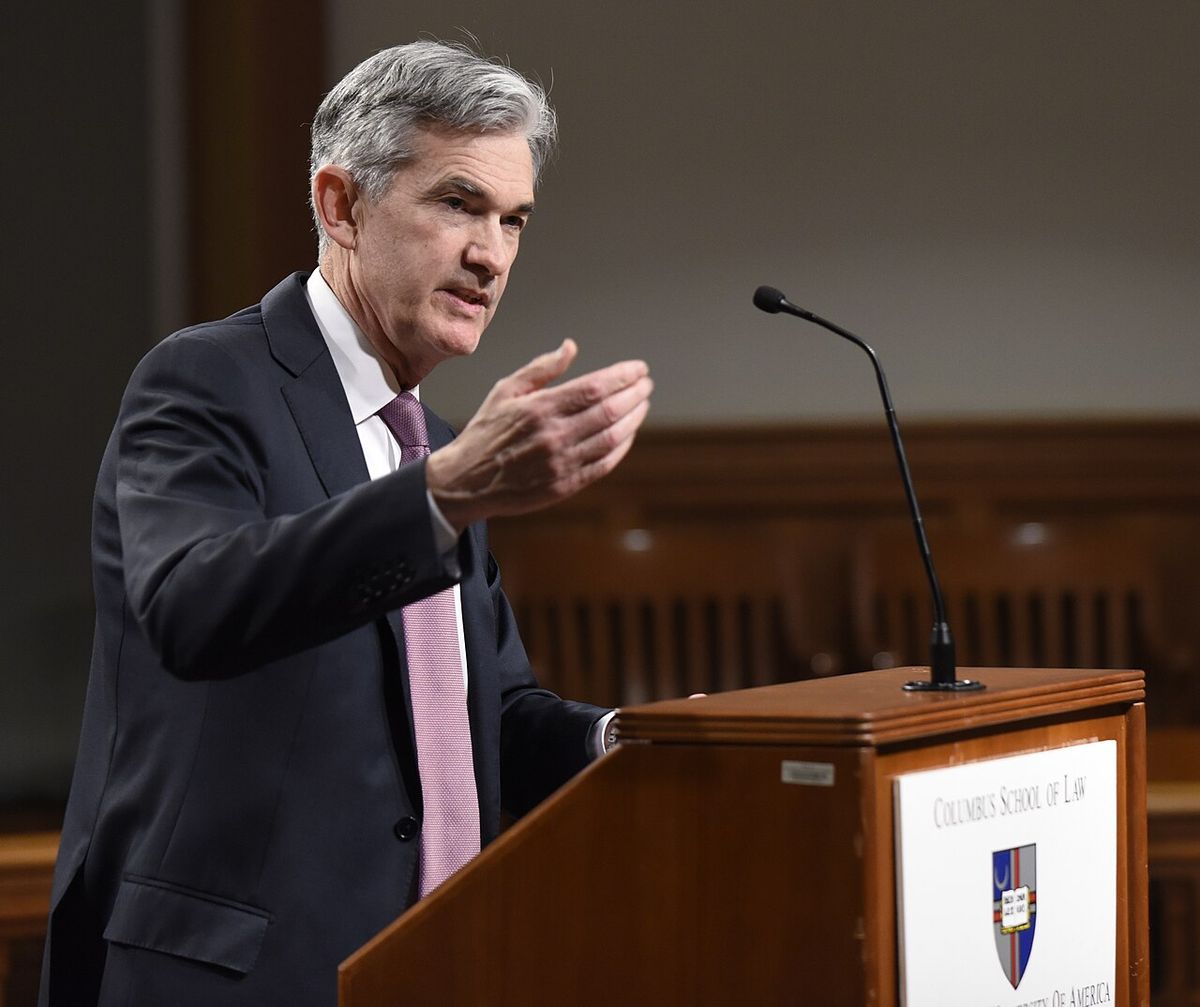
President Donald Trump nominated Powell to serve as Chair of the Federal Reserve on November 2, 2017, replacing Janet Yellen. The Senate Banking Committee approved his nomination in a 22 to 1 vote in December, with Senator Elizabeth Warren as the sole dissenter. The full Senate confirmed him on January 23, 2018, by an 84 to 13 vote, and he assumed office on February 5, 2018. President Joe Biden re-nominated him for a second term in 2021. Powell's tenure as chair concluded on May 22, 2026, after which he remained a member of the Board of Governors. His chairmanship included several distinct phases and significant economic challenges that tested the central bank's tools and independence. Initially, Powell continued a policy of raising interest rates and announced a plan to reduce the Fed's asset portfolio from $4.5 trillion to a range of $2.5 to $3 trillion over four years, a process known as quantitative tightening.
This tight monetary policy drew public criticism from President Trump, who expressed second thoughts about nominating Powell and said the chair was too enthusiastic about raising rates. Trump called the Fed's policies insane and privately discussed with White House counsel the possibility of firing Powell, which Powell dismissed. In an August 2019 interview, Trump questioned if Powell or General Secretary Xi Jinping of the Chinese Communist Party was a greater enemy of the United States. Powell abandoned quantitative tightening in early 2019, leading to a recovery in asset prices. In October 2019, Powell announced the Fed would return to expanding its balance sheet through overnight repurchase agreements, a move some dubbed QE4. Where Bernanke-era quantitative easing was conducted through outright purchases of assets, Powell's expansion operates through repos where the seller has the option to reverse the transaction.
Monetary Policy During the COVID-19 Pandemic and Aftermath
The onset of the COVID-19 pandemic in early 2020 prompted Powell to launch an unprecedented series of monetary actions. These included a dramatic expansion of the Fed's balance sheet and the introduction of new tools such as the direct purchase of corporate bonds and direct lending programs. Powell emphasized that monetary policy alone, without a robust fiscal response from Congress, would worsen income inequality. His actions earned bipartisan praise initially, including from President Trump, who in mid-2020 said he was 'very happy with his performance.' In November 2020, Powell agreed with Treasury Secretary Steve Mnuchin to return unused crisis funds to the Treasury, and both urged Congress to approve more stimulus.
These aggressive policies were credited with stabilizing financial markets but also led to significant asset price inflation. The scale of the Fed's asset purchases contributed to wealth inequality levels not seen in the United States since the 1920s and fostered a K-shaped recovery. By December 2020, monetary policy, as measured by the Goldman Sachs US Financial Conditions Index, was the loosest since the index began in 1987. This created simultaneous asset bubbles in equities, housing, bonds, and cryptocurrencies. Powell defended the policies, arguing that supporting the Fed's dual mandate of stable prices and full employment outweighed concerns over high asset prices. He invoked the Fed model to justify high price-to-earnings ratios, suggesting they were more acceptable in a low-interest-rate environment.
The policy environment attracted a new generation of retail investors who engaged in high-risk trades, often crediting 'J-Pow' and the Fed's money printer in online forums. Critics, including investors Leon Cooperman and Seth Klarman, warned of a dangerous speculative bubble. Financial media described the 'Powell Put' as more extreme than the 'Greenspan Put,' creating a one-way ratchet that provided a floor for asset prices. The Fed's actions led Wall Street investment banks to record their best year in history in 2020, leading Bloomberg News to call Powell 'Wall Street's Head of State.'
Political Conflict and Defence of Central Bank Independence
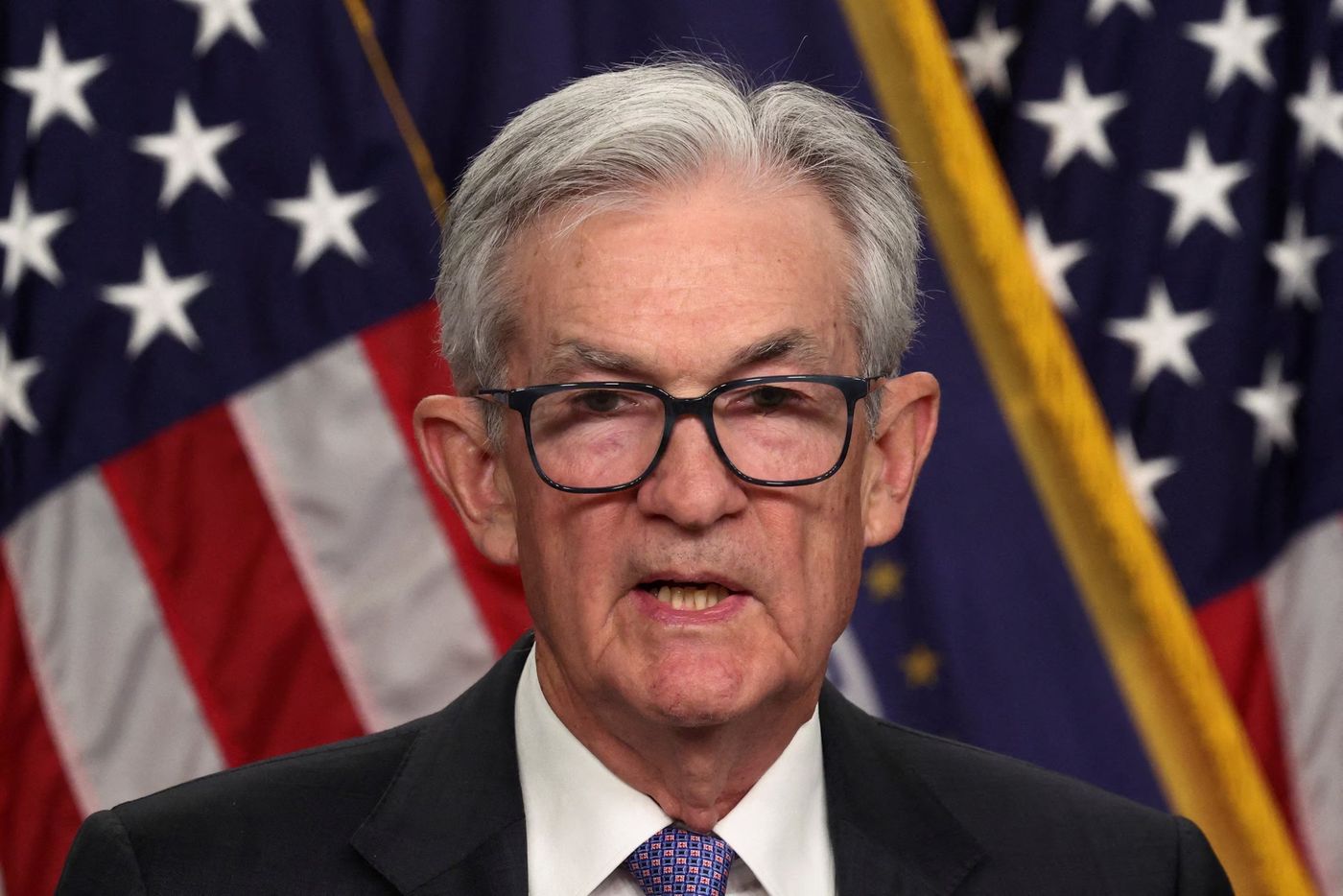
Powell's tenure was consistently marked by conflict with President Donald Trump, who publicly pressured the Fed to cut interest rates more aggressively. Trump's criticism began in July 2018 when he said he was 'not thrilled' with rate hikes and escalated to calling the Fed 'crazy' and 'loco.' In an October 2018 press conference, Trump decried the Federal Reserve as having 'gone wild' with interest rate increases, leading to concerns he could attempt to dismiss Powell. The investigation was related to testimony Powell gave to the Senate about a renovation project for Federal Reserve buildings. Powell alleged the threat was retaliation for the Fed's refusal to lower interest rates as Trump wished. This threat against the Fed chair prompted an unprecedented show of solidarity from global central bankers.
Direct Impact and Relevance for Canada
The monetary policy set by Jerome Powell and the Federal Reserve has a direct and powerful impact on the Canadian economy due to the deeply integrated financial systems and trade relationship. The Bank of Canada issued a statement congratulating Powell on his nomination in 2017, noting the close working relationship between the two institutions. When Powell faced political pressure, Bank of Canada Governor Tiff Macklem was a leading international voice in his defence, highlighting the shared principle of central bank independence. Both banks operate independently from their governments with a core mandate to keep inflation at two per cent annually, though the Fed has the added goal of promoting maximum employment.
Significant shifts in U.S. monetary policy under Powell directly affect Canadian interest rates, the exchange rate, and financial stability. For instance, a dramatic rate cut demanded by President Trump of more than 3 per cent, which would have brought the Fed's benchmark to near 1 per cent, was seen as a profound risk. Analysts warned such a politically driven cut could weaken the U.S. dollar unpredictably, affecting the Canadian loonie and creating uncertainty for exporters and importers. Furthermore, while many U.S. mortgages are fixed for 30 years, Canadian mortgage terms are generally shorter, meaning Canadian homeowners could feel the effects of subsequent rate increases more acutely if an initial cut led to future inflation.
Key Monetary Policy Tools and Actions Under Powell
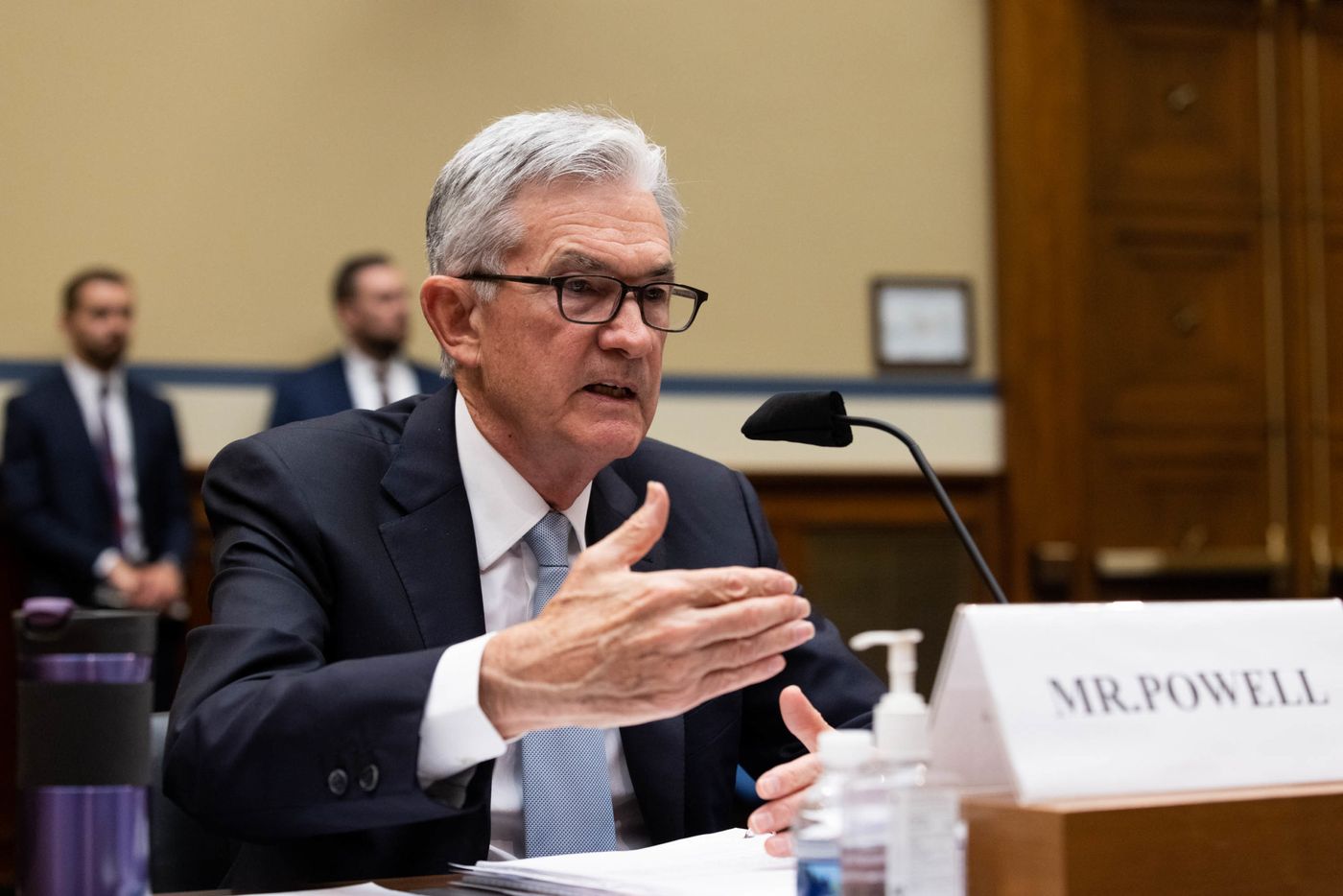
Powell's leadership saw the use and evolution of several key monetary policy tools, particularly during crises. His approach shifted from tightening to unprecedented easing, utilizing both conventional and novel methods to support the economy. These tools were deployed in response to specific economic conditions, with the scale of intervention in 2020 being historically large. The direct purchase of corporate bonds was a particularly notable expansion of the Fed's traditional role. The shift to using repo operations as a primary tool for balance sheet expansion represented a technical evolution from the outright asset purchases used during the Bernanke era.
- Quantitative Tightening (QT): Announced in 2018 to reduce the Fed's asset portfolio from $4.5 trillion to $2.5–3 trillion. Abandoned in early 2019.
- Quantitative Easing (QE): Returned to balance sheet expansion in October 2019 via repo agreements (dubbed QE4). Launched massive QE in 2020, including direct corporate bond purchases.
- Repo Operations: Used overnight repurchase agreements to provide liquidity, creating what analysts called a 'Powell Put' for markets.
- Emergency Lending Programs: Established new facilities in 2020 for direct lending to support credit markets during the pandemic.
- Forward Guidance: Used communication to manage market expectations, notably defending asset prices by citing the Fed model in December 2020.
Major Economic Challenges and Market Performance
Powell's eight-year term as chair was defined by a series of major economic upheavals. The period saw three significant stock market declines in 2020, 2022, and 2025, against a broader backdrop of market uplift. The Fed's response to these challenges, while stabilizing markets, also led to debates about long-term consequences including wealth inequality and financial stability. The inflationary period from 2021 to 2023 required a pivot from the highly accommodative policies of 2020. Powell led the Fed in raising interest rates to combat rising prices, a process that involved carefully communicating policy shifts to avoid shocking financial markets. The global trade instability, partly fueled by the U.S.-China trade war that escalated in 2019, added another layer of complexity, requiring the Fed to account for external shocks to growth and supply chains.
| Challenge | Period | Key Fed Response | Notable Outcome |
|---|---|---|---|
| COVID-19 Pandemic | Early 2020 | Unprecedented QE, corporate bond buys, emergency lending | Stabilized markets but fueled asset bubbles and wealth inequality |
| 2021 to 2023 Inflation Surge | 2021 to 2023 | Transition from stimulus to interest rate hikes | Addressed price stability amid global pressures |
| Global Trade Instability | 2019 onwards | Monetary policy adjustments amid trade war volatility | Added uncertainty to economic outlook and market conditions |
The scale and type of monetary stimulus pursued by Powell led to a noted divergence between the U.S. economy and the nation's financial sector. This divergence led to a mixed reception among the American public. The Fed's acceptance of asset price inflation from 2019 onwards resulted in levels of wealth inequality not seen in the United States since the 1920s. Fed asset purchases were seen as contributing to a K-shaped recovery that protected wealthier segments of society at the expense of others.
Legacy and Ongoing Role
Jerome Powell's legacy as Federal Reserve Chair is complex, shaped by crisis response and political tumult. His actions during the COVID-19 pandemic were historic in scale, preventing a financial meltdown but also accelerating wealth inequality and inflating asset prices to record levels. He steadfastly defended the Fed's operational independence against unprecedented political pressure, a stance that garnered international support from peers like the Bank of Canada. The monetary policy framework he oversaw, particularly the use of the balance sheet as a primary tool, has changed the central bank's approach to crisis management. Powell's tenure demonstrated the immense power of the Fed in global finance and the delicate balance between supporting employment, controlling inflation, and maintaining financial stability.
After his term as chair ended on May 22, 2026, Powell remained a member of the Federal Reserve Board of Governors, with his term lasting until January 31, 2028. This allows him to continue influencing monetary policy from within the board. His career path from investment banker and lawyer to central banker underscores a blend of private sector and public service experience that informed his leadership style, often described as that of a consensus-builder. For Canada, Powell's tenure reinforced the critical importance of U.S. monetary policy stability and the value of strong, independent central banks on both sides of the border.
Frequently asked questions
Who is Jerome Powell?
Jerome Hayden 'Jay' Powell is an American central banker who served as the 16th Chair of the Federal Reserve from 2018 to 2026. Prior to this, he was a lawyer and investment banker, including a partnership at the Carlyle Group. He was nominated to the Federal Reserve Board of Governors by President Barack Obama in 2012 and became Chair under President Donald Trump. After his term as chair ended, he remained a member of the Board of Governors.
What was the conflict between Jerome Powell and Donald Trump?
President Donald Trump publicly criticized Powell for continuing to raise interest rates, expressing second thoughts about nominating him. Trump said the chair was too enthusiastic about raising rates and later called the Fed's policies insane. In the summer of 2019, Trump labelled Powell an enemy and privately discussed the possibility of firing him. In an August 2019 interview, Trump said he completely disagreed with Powell's approach and questioned if Powell or China's Xi Jinping was a greater enemy of the United States.
How did Jerome Powell respond to the COVID-19 pandemic?
In early 2020, Powell launched an unprecedented series of actions to counter the financial market impact of the COVID-19 pandemic. This included a dramatic expansion of the Fed's balance sheet and the introduction of new tools, including the direct purchase of corporate bonds and direct lending programs. Powell emphasized that monetary policy alone without an equivalent fiscal policy response from Congress would widen income inequality. These actions earned him bipartisan praise, including from President Trump at the time.
What is Jerome Powell doing now?
Jerome Powell is currently a member of the Federal Reserve Board of Governors. His term as the 16th chair of the Federal Reserve concluded on May 22, 2026. Following the end of his chairmanship, he remained in his role as a governor on the board. His appointed term as a governor is set to continue until January 31, 2028. This continuation in service follows his extensive career in public service and central banking that began with his nomination to the board in 2012.
What was Jerome Powell's career before joining the Federal Reserve?
Before public service, Jerome Powell was both a lawyer and an investment banker. He worked at the investment bank Dillon, Read & Co. from 1984 to 1990, rising to vice president. He later became a partner at the Carlyle Group from 1997 to 2005, and then founded his own private equity firm, Severn Capital Partners. He also served as a managing director at Bankers Trust and a managing partner at the Global Environment Fund.
What is Jerome Powell's educational background?
Jerome Powell earned a Bachelor of Arts in politics from Princeton University in 1975 and a Juris Doctor from the Georgetown University Law Center in 1979. At Princeton, his senior thesis was titled 'South Africa: Forces for Change.' Before attending law school, he spent a year as a legislative assistant to U.S. Senator Richard Schweiker. At Georgetown Law Center, he served as editor in chief of the Georgetown Law Journal, graduating in 1979. This educational foundation preceded his careers in law, investment banking, and public service.
Sources and further reading
- Jerome Powell (Wikipedia) en.wikipedia.org
- Bank of Canada governor defends U.S. Fed's Powell amid ... cbc.ca
- Trump's war on Fed Chair Jerome Powell could roil Canada cdhowe.org
- Statement on the Nomination of a New Federal Reserve ... bankofcanada.ca
- Jerome-Powell financialpost.com
This article explains how things work and is not financial, tax or legal advice. Rules, limits and rates change, so check the current figures with the Canada Revenue Agency, your province or your financial institution before you act.