The chair of the Board of Governors of the Federal Reserve System is the head of the central bank of the United States. This official presides over the Federal Reserve Board and, by custom, chairs the Federal Open Market Committee, which directs U.S. monetary policy. The chair's decisions on interest rates directly influence U.S. Treasury yields, which in turn shape Government of Canada bond yields and Canadian fixed mortgage rates. For Canadians, understanding the role and direction of the Fed chair is crucial for anticipating changes in borrowing costs and currency values.
Role and Responsibilities of the Fed Chair
The chair of the Federal Reserve serves as the active executive officer of the Board of Governors. By law, the chair presides over meetings of the board, which is responsible for analyzing domestic and international financial developments. The board supervises and regulates the Federal Reserve Banks, oversees the nation's payments system, and administers consumer credit protection laws. The chair also reports twice a year to the U.S. Congress on the Federal Reserve's monetary policy objectives and testifies on other financial issues. A key duty is meeting periodically with the U.S. treasury secretary, a member of the president's Cabinet, to coordinate economic policy.
By established custom, the chair of the Board of Governors also chairs the Federal Open Market Committee. Although the FOMC's rules allow it to elect any member as its chair, it has always chosen the board chair in practice. This gives the chair significant influence over the committee that sets the federal funds rate, the primary tool of U.S. monetary policy. The chair's leadership style and communication can frame risks and guide the committee's decisions, though the chair holds just one vote among the committee's members. The chair's public statements and congressional testimony are closely watched by global financial markets for signals about future policy direction.
Appointment Process and Term
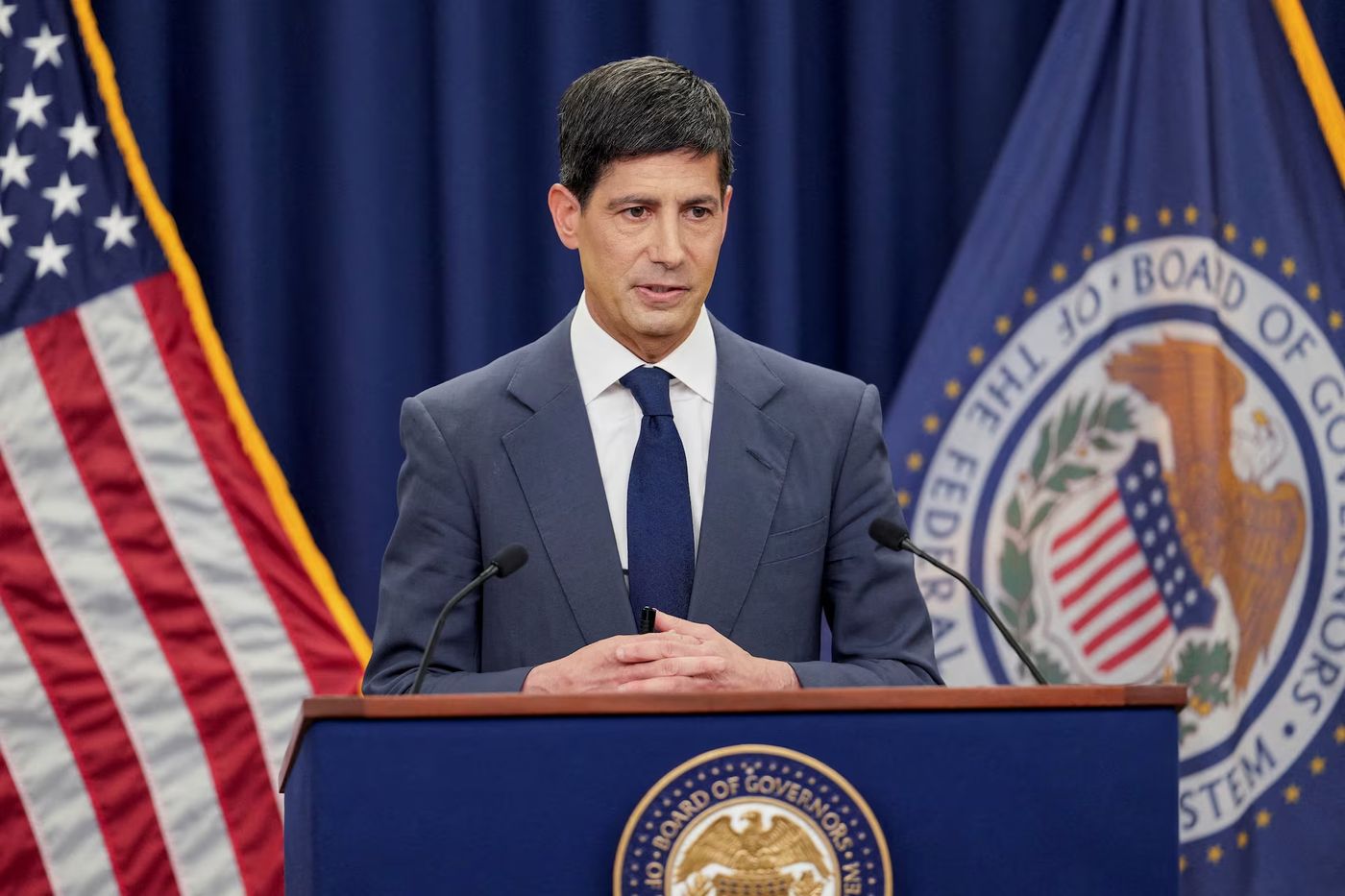
The chair is nominated by the president of the United States and must be confirmed by the United States Senate. The Senate Committee on Banking is responsible for vetting the nominee. As stipulated by the Banking Act of 1935, the chair is chosen by the president from among the sitting governors of the Federal Reserve Board to serve a four-year term. The chair serves concurrently as a member of the Board of Governors throughout their term. A chair may serve multiple terms, subject to re-nomination and Senate confirmation each time. This process is designed with political accountability and public scrutiny in mind, involving public hearings and significant market attention.
The appointment process has evolved through statutory changes. A major change came with the Banking Act of 1935, which ended the practice of the U.S. treasury secretary serving as the ex officio chair of the Federal Reserve Board. Before that act took effect on February 1, 1936, the de facto active head was known as the governor of the Federal Reserve Board. The 1935 Act re-designated that governor as the chairman of the Board of Governors. Subsequent acts, including the Federal Reserve Reform Act of 1977 and the Dodd-Frank Act of 2010, further refined the leadership structure, including the creation of a Vice Chairman for Supervision.
Historical Evolution and Key Chairs
The Federal Reserve System was established by the Federal Reserve Act on December 23, 1913. The first Federal Reserve Board was sworn in on August 10, 1914. Initially, the U.S. secretary of the treasury served as the ex officio chairman. William Gibbs McAdoo, the treasury secretary at the time, oversaw the system's establishment. This structure persisted until the Banking Act of 1935 formally separated the roles, creating the modern position of chairman of the Board of Governors. Marriner S. Eccles was a key figure during this transition and became the first chair under the new structure.
Since the 1935 Act, individuals have served four-year terms as chair, with some serving multiple terms. William McChesney Martin, who served from 1951 to 1970, holds the record as the longest-serving chair. Alan Greenspan, who served from 1987 to 2006, is a close second. Since Greenspan's term, most Fed chairs have been economists with a doctorate in economics, with Arthur Burns being the first chair to hold a PhD in economics.
- 1914 to 1936: Treasury Secretary serves as ex officio chair.
- 1936: Banking Act of 1935 takes effect, creating modern chair position.
- 1951 to 1970: William McChesney Martin serves as longest-tenured chair.
- 1987 to 2006: Alan Greenspan serves as chair.
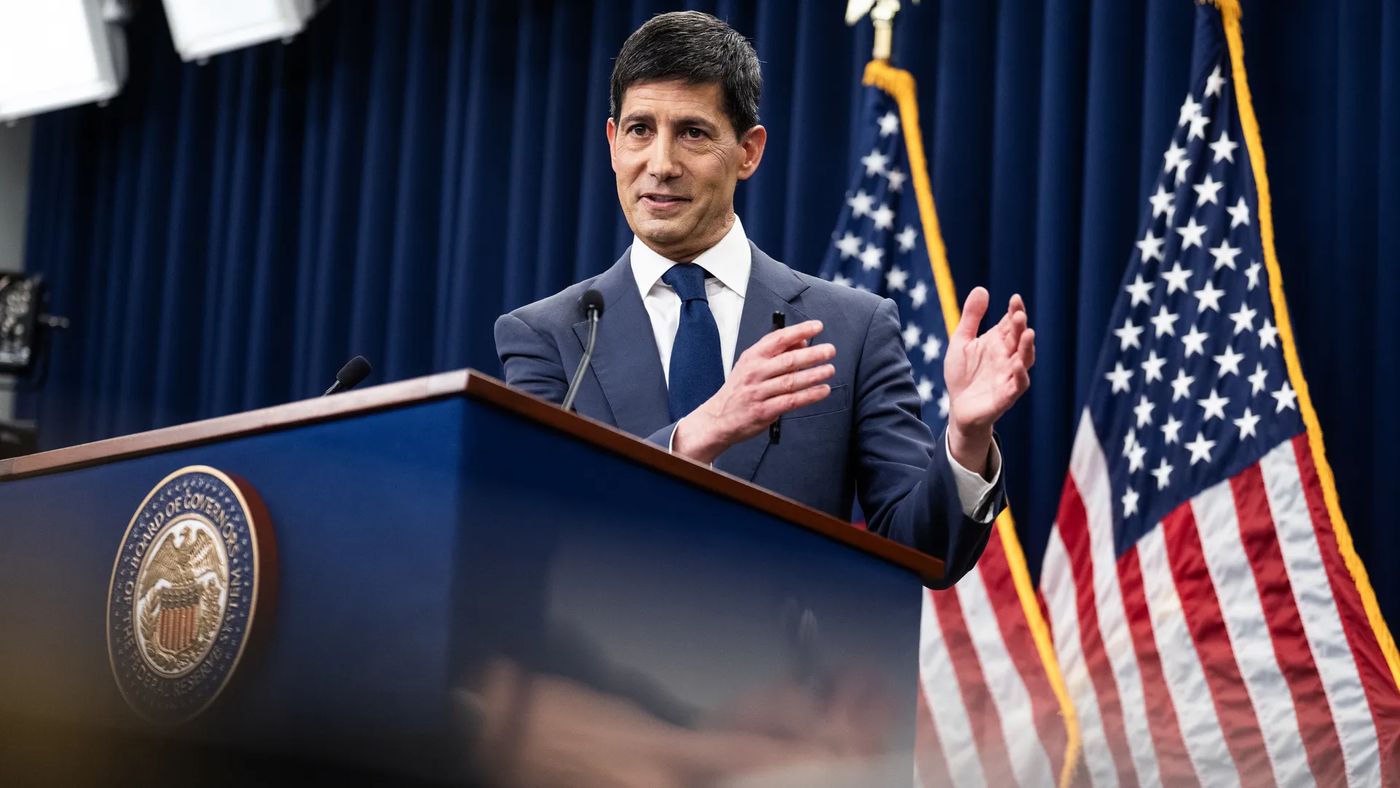
- May 22, 2026: Kevin Warsh sworn in as the 11th chair.
Rules Governing Conduct and Independence
Federal law establishes strict conflict of interest rules for the chair and all members of the Board of Governors. No member shall be an officer or director of any bank, banking institution, trust company, or Federal Reserve bank, nor hold stock in any bank, banking institution, or trust company. Before assuming duties, a member must certify under oath that they have complied with this requirement, and the certification is filed with the secretary of the Board. This is intended to ensure the chair's decisions are made in the public interest, free from personal financial conflicts. The principle of central bank independence is a core tenet of modern monetary policy, designed to insulate the chair from short-term political pressures once confirmed.
Political pressure on the Fed chair has been a recurring theme, testing the boundaries of this independence. For example, during his second term beginning in January 2025, President Donald Trump applied relentless pressure on Chair Jerome Powell, openly threatening dismissal and leading to a Department of Justice investigation. Such pressures can create financial uncertainty and market instability, highlighting the ongoing debate about preserving the Fed's operational independence from the executive branch. The resignation of Bank of Canada Governor James Coyne in 1961 over a policy dispute was a similar domestic moment that reinforced the importance of central bank autonomy.
Direct Impact on Canadian Financial Markets
The Federal Reserve chair's policy decisions have a direct and significant impact on Canadian financial conditions, even though the Fed sets no policy in Canada. The Fed's approach to setting the U.S. federal funds rate directly influences U.S. Treasury bond yields. These yields are a global benchmark, and movements in them shape Government of Canada bond yields. Since Canadian fixed mortgage rates are closely tied to these bond yields, the Fed chair's stance on interest rates is immediately relevant to Canadian borrowers and mortgage brokers. A shift in U.S. monetary policy can therefore alter the cost of borrowing for homes and businesses across Canada.
Divergence between U.S. and Canadian monetary policy can also affect the Canadian dollar. If the Fed raises rates while the Bank of Canada holds steady, the interest rate differential can put downward pressure on the loonie. This is a critical factor for Canadians with variable-rate mortgages or those considering such products, as a weaker Canadian dollar can influence inflation and the Bank of Canada's own policy decisions. For instance, in April 2026, the Bank of Canada held its overnight rate at 2.25 percent while the U.S. federal funds rate was at 3.6 percent, a gap that influenced currency markets and financial planning.
The Current Chair and Canadian Outlook
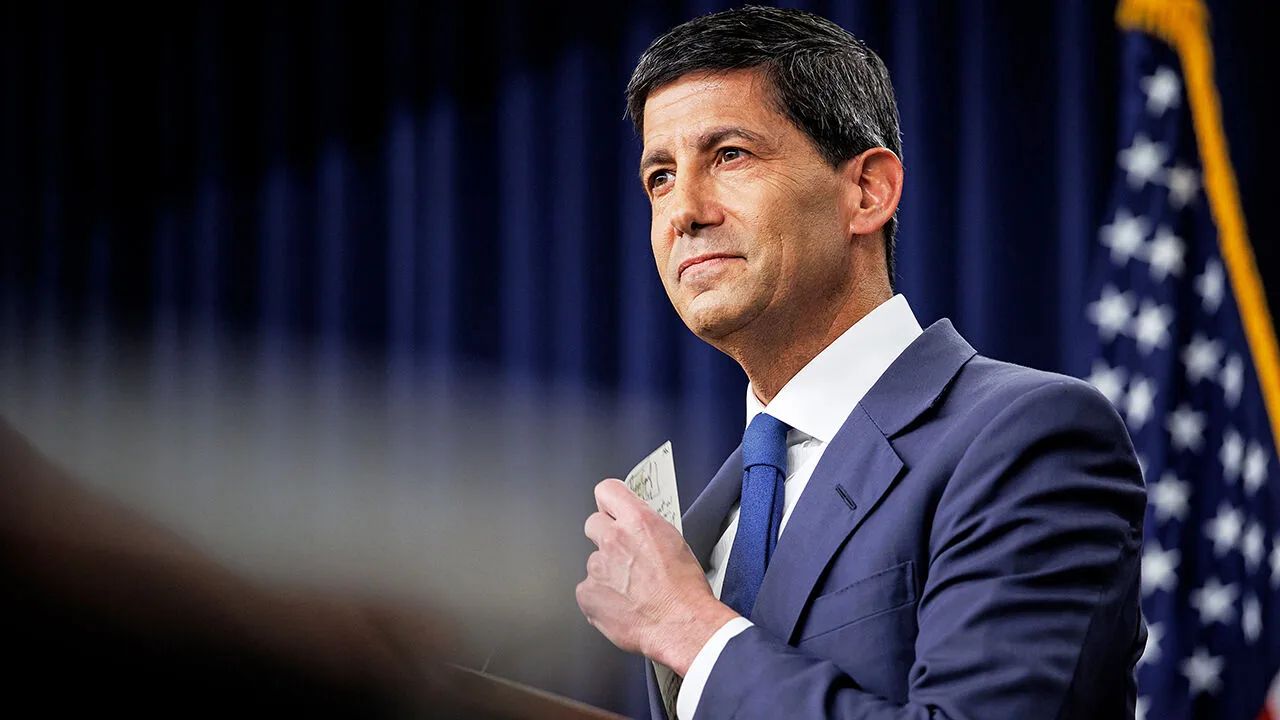
Kevin Warsh was sworn in as the 11th chair of the Federal Reserve on May 22, 2026, replacing Jerome Powell after an eight-year tenure. His appointment was viewed by some observers as a surprisingly hawkish pick, given his past comments highlighting inflation risks. However, he has also expressed recent support for lower interest rates. For Canadian mortgage brokers and homeowners, his leadership introduces a period of watchful waiting. Most analysts suggest that despite the leadership change, major economic obstacles like high U.S. inflation and energy prices make a quick reduction in mortgage rates unlikely, with rate drops not expected until late 2026 or 2027 at the earliest.
Market reaction to Warsh's nomination was muted, suggesting that investors believe the Fed's governance structures will prevent any radical immediate shift. As Bank of Montreal chief economist Doug Porter noted, financial markets were not pricing in anything unusual for the rest of 2026, comforted by the view that policy is set by a committee where the chair holds just one vote. For clients dealing with renewal decisions in a high-rate environment, the Warsh era is not an automatic reason to change strategy but a factor to monitor alongside domestic economic data and Bank of Canada communications. Five-year bond yields rose by 0.35 to 0.40 percentage points in early 2026, with forecasts placing them in the 3.0 to 3.5 percent range.
| Economic Factor (2026) | U.S. Context | Canadian Context |
|---|---|---|
| Policy Interest Rate | 3.6% | 2.25% |
| Inflation Pressure | 3.8% | Within 1-3% target |
| Monetary Stance | Restrictive | Neutral/Holding pattern |
| Key Concern for Chair | Trade policy, fiscal deficits | Cost of living, housing |
Comparison with the Bank of Canada Governor
The head of Canada's central bank, the Governor of the Bank of Canada, holds a role analogous to the U.S. Fed chair but operates within a different governance framework. Tiff Macklem was appointed Governor effective June 3, 2020, for a seven-year term. As Governor, he is also Chair of the Bank's Board of Directors. The appointment process in Canada is more technocratic, designed to emphasize institutional independence. The bank's board of directors selects the candidate, who is then officially appointed by the federal cabinet, unlike the overtly political U.S. process of presidential nomination and Senate confirmation. This difference in structure gives Canada a perceived edge in central bank independence from short-term political cycles.
Both central bank leaders face political pressure, but the nature of the pressure differs. Bank of Canada Governor Tiff Macklem faced significant scrutiny during the post-COVID inflation surge, including a threat of dismissal from a political leader in 2022. He defended the value of central bank independence during difficult times. In contrast, U.S. Fed chairs often face more direct and public pressure from the president, as seen with President Trump's threats against Jerome Powell. Both leaders must manage complex economic challenges and public expectations, with cost of living and housing being top priorities for Canadian citizens according to a January 2026 poll.
Frequently asked questions
How does the Fed chair affect Canadian mortgage rates?
The Fed chair influences Canadian mortgage rates through the bond market. Decisions on U.S. interest rates affect U.S. Treasury yields, which are a global benchmark. Government of Canada bond yields, which directly determine fixed mortgage rates in Canada, tend to move in correlation with U.S. yields. Therefore, a hawkish or dovish stance from the Fed chair can indirectly push Canadian borrowing costs higher or lower.
How does the Fed chair's role differ from Canada's central bank governor?
Both set monetary policy, but their appointment processes differ. The Fed chair is politically appointed by the U.S. president and confirmed by the Senate. The Bank of Canada Governor is selected by the bank's board of directors in a more technocratic process, then appointed by the federal cabinet. The Canadian process is designed to emphasize institutional independence from short-term political cycles.
Who is the current chair of the Federal Reserve?
The current chair of the Federal Reserve is Kevin Warsh. He was sworn in as the 11th chair on May 22, 2026, replacing Jerome Powell after an eight year tenure. The chair is the head of the Federal Reserve, the central bank of the United States, and serves as the active executive officer of the Board of Governors. Kevin Warsh is a former Federal Reserve governor and investment banker, and his appointment followed a nomination by the president and confirmation by the Senate. His leadership is relevant to international financial markets, including in Canada, as the Fed's interest rate decisions influence global bond yields.
What is the term length for a Federal Reserve chair?
The chair of the Federal Reserve serves a four year term. This term length is stipulated by law, specifically the Banking Act of 1935. The chair is nominated by the president of the United States from among the sitting governors and must be confirmed by the United States Senate. A chair may serve multiple consecutive terms, subject to renomination and reconfirmation each time. William McChesney Martin, who served from 1951 to 1970, holds the record as the longest serving chair. The chair serves concurrently as a member of the Board of Governors throughout their term.
Can the U.S. president fire the Fed chair?
The law does not provide a clear mechanism for a president to directly fire a sitting Federal Reserve chair before their four year term ends. The chair is appointed through a process requiring Senate confirmation, which grants a degree of independence. However, a president can choose not to renominate a chair when their term expires and can exert significant political pressure. For instance, during President Donald Trump's second term beginning in 2025, he applied relentless pressure and openly threatened to dismiss Chair Jerome Powell, creating financial uncertainty. This highlights the ongoing tension between presidential influence and central bank independence.
What was the significance of the Banking Act of 1935?
The Banking Act of 1935 was a landmark law that redefined the leadership structure of the Federal Reserve. It ended the long standing practice where the United States secretary of the treasury served as the ex officio chairman of the Federal Reserve Board. The Act re designated the body as the Board of Governors of the Federal Reserve System and changed the title of its active head from 'governor' to 'chairman.' This change, effective February 1, 1936, established the modern, independent position of the Fed chair as separate from the Treasury. It solidified the chair's role in presiding over the Board and, by custom, the Federal Open Market Committee which sets monetary policy.
Sources and further reading
- Chair of the Federal Reserve (Wikipedia) en.wikipedia.org
- What the new Fed chair means for Canada mpamag.com
- Tiff Macklem bankofcanada.ca
- Donald Trump's Choice for Central Banker policymagazine.ca
- Board of Governors Members, 1914-Present federalreserve.gov
- Trump names former Fed official turned critic Kevin Warsh ... cbc.ca
This article explains how things work and is not financial, tax or legal advice. Rules, limits and rates change, so check the current figures with the Canada Revenue Agency, your province or your financial institution before you act.