OTTAWA
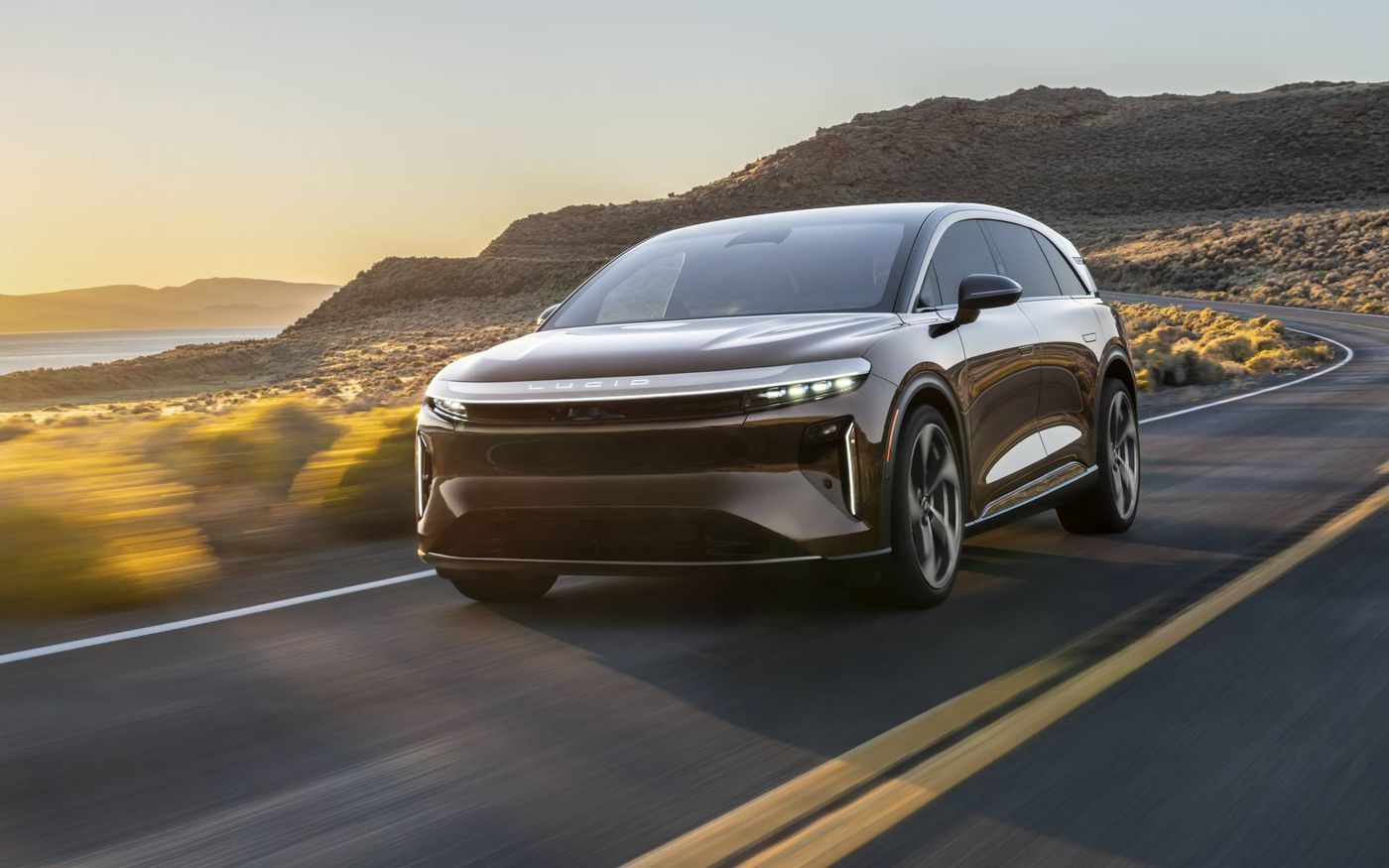
The federal government is proposing to exempt more fully electric and hydrogen-powered vehicles from the luxury tax by raising the price threshold from $100,000 to $150,000.
Finance Minister François-Philippe Champagne announced the change on Wednesday, saying it would be effective as of Thursday, subject to subsequent parliamentary approval.
The measure would apply only to zero-emission vehicles, while all other vehicles would remain subject to the existing $100,000 price threshold.
"By updating this measure to reflect today’s vehicle market, we are supporting the transition to a cleaner, more competitive economy," Champagne said in a statement.
The government said the change recognizes the higher upfront cost of zero-emission vehicles and supports the global shift to electric vehicles.
Raising the threshold also aligns with the government's broader emissions targets, the Department of Finance said.
The Luxury Tax generally applies to passenger vehicles valued above $100,000 and is imposed on sales, importations, leases, and certain improvements of subject vehicles.
The amount of tax is the lesser of 10 per cent of the full value of the vehicle and 20 per cent of the value above $100,000.
The announcement fits into a wider federal push to position Canada for an economy that increasingly runs on electricity.
The government says the country starts with a nearly 80% clean grid and some of the lowest electricity costs in the G7.
Champagne said these factors are advantages for attracting investment, improving productivity and sustaining growth.
"The world is changing rapidly," the finance department said in its announcement. "The economy of the 21st century will increasingly run on electricity, so countries that can provide abundant, reliable, and affordable power will be best positioned to attract investment, drive innovation, improve productivity, and sustain economic growth."
Budget 2026 also expands charging infrastructure to support faster electric vehicle adoption.
Within five years, EVs are projected to account for nearly 40% of global car sales, according to the government.
Canada has invested steadily to expand the charging network by supporting more than 50,000 chargers to date.
Budget 2026 committed $587 million over five years, starting in 2027-28, to install more than 55,000 EV chargers through a renewed Zero Emission Vehicle Infrastructure Program.
This will roughly double federally supported chargers, the government said.
In addition, Budget 2026 proposed $45 million over five years, starting in 2027-28, to fund research and development for charging infrastructure.
"With Budget 2026, we are expanding our electricity system, cutting emissions, and unlocking new investment in clean technologies," Champagne said.
As the economy and industries become more energy intensive, electricity demand is expected to double by 2050, the finance department noted.
Central to Canada's mission of becoming a global energy superpower is producing, supplying and controlling its own energy, the department said.
The shift to clean and affordable power is extending to transportation, with Budget 2026 expanding charging infrastructure to support the accelerating shift toward electric vehicles.
This story was written by the e2gold.ca newsroom from reporting by Department of Finance Canada and Traders Union. Quotes are checked word for word against that reporting.