A cryptocurrency wallet is a digital tool that allows you to store, send, and receive digital assets like Bitcoin and Ethereum. For Canadians, selecting a wallet involves considering how it integrates with local payment methods like Interac e-Transfer and complies with Canadian regulations. The choice between different wallet types fundamentally affects the security and accessibility of your investments. Understanding the available options helps you manage your crypto assets effectively within the Canadian financial landscape.
Understanding Cryptocurrency Wallet Types
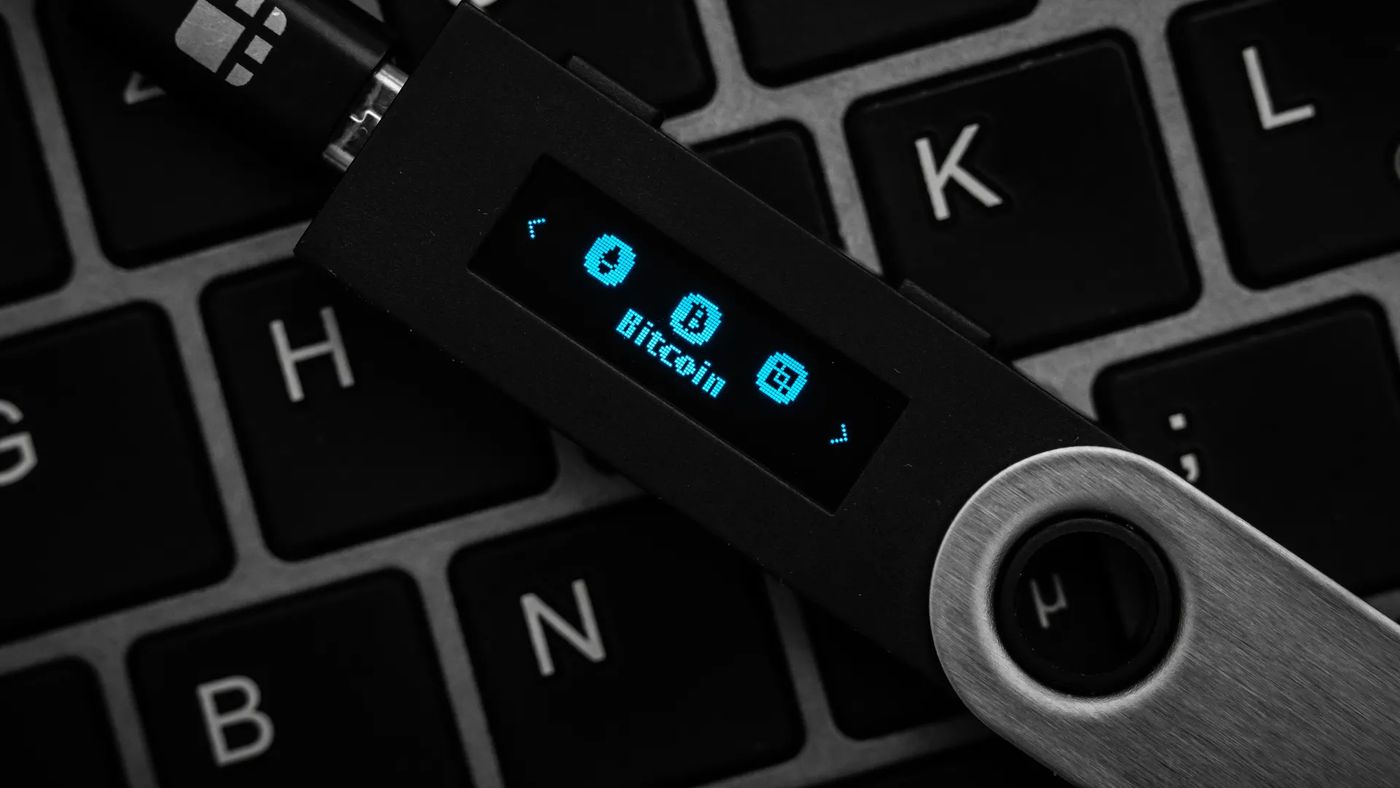
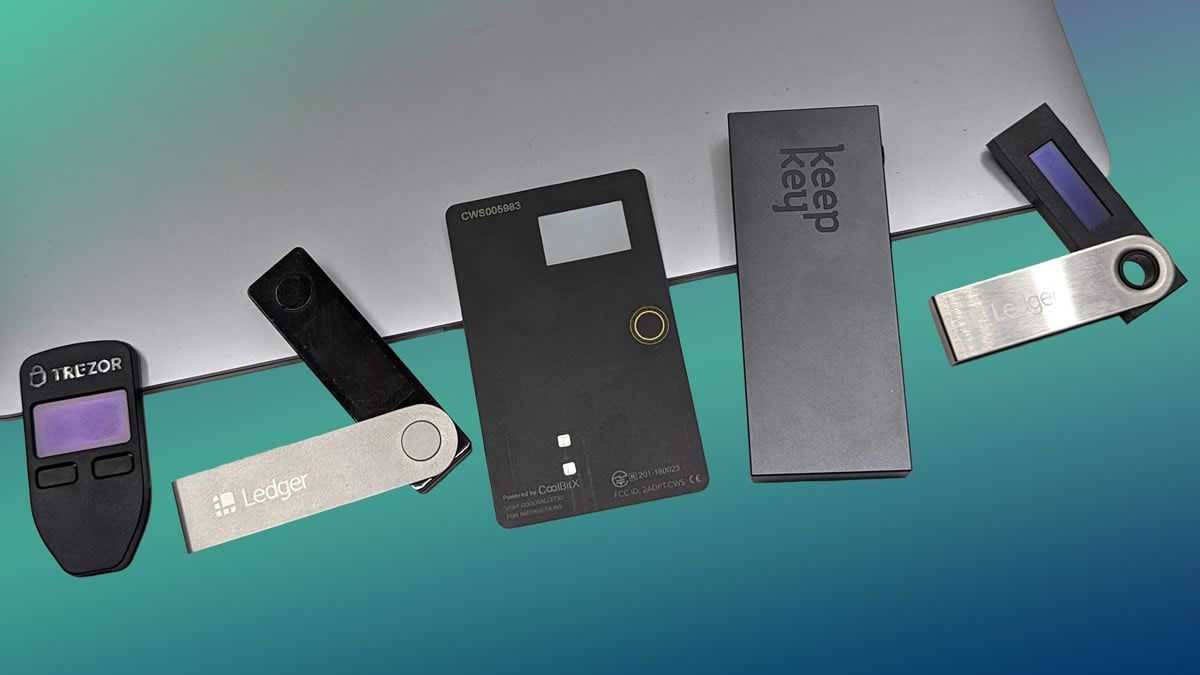
Cryptocurrency wallets are broadly categorized into two main types: hot wallets and cold wallets. Hot wallets are software-based and connected to the internet, providing convenience for frequent trading and access. Examples include mobile apps, desktop applications, and browser extensions like MetaMask, Trust Wallet, and Coinbase Wallet. Cold wallets are physical hardware devices that store cryptocurrency keys offline, offering enhanced security for long-term storage of significant amounts. Popular hardware wallet models include the Ledger Nano S Plus and the SafePal S1 Pro, which is noted for allowing unlimited crypto storage. The fundamental difference lies in where the private keys, which control access to the funds, are stored. In a hot wallet, keys are stored on an internet-connected device, while in a cold wallet, they are generated and remain on the secure hardware device. Canadian users often start with a hot wallet for its ease of use with platforms supporting Interac e-Transfer deposits before considering a cold wallet for larger, long-term holdings. Some users recommend moving to cold storage options like the Foundation Passport or Coldcard as the value of their holdings increases.
Key Features and Security Considerations
Security is the paramount feature when evaluating any cryptocurrency wallet. The principle of self-custody, where you control your private keys, is a critical security differentiator. Non-custodial wallets like Aqua Wallet, Zengo, and MetaMask give you full control, whereas custodial wallets, often offered by exchanges like Bitbuy or Coinbase, hold the keys on your behalf. Multi-factor authentication (MFA) and biometric verification, such as the 3D Facelock used by Zengo, add layers of account security. Zengo is an MPC (Multi-Party Computation) wallet that eliminates the traditional seed phrase, aiming to make assets bulletproof against certain hacks and scams. Many wallets now integrate Web3 capabilities, allowing users to interact with decentralized applications (DApps), manage non-fungible tokens (NFTs), and access DeFi protocols. For Canadian users, additional practical features include integration with Canadian banking rails for converting crypto to Canadian dollars and robust customer support to address issues promptly. It is essential to verify that a wallet's security features, such as a 90% cold storage policy offered by Bitbuy for exchange-held assets, align with your trading frequency and the value of assets you plan to store.
Wallets and Canadian Exchange Platforms
Many Canadians acquire cryptocurrency through registered trading platforms, which often provide integrated wallet services. These platform wallets are typically custodial, meaning the exchange holds the private keys. Bitbuy and Coinsquare are examples of Canadian-regulated platforms that offer such wallet services alongside trading, with Bitbuy having processed over $7 billion in transactions. Global exchanges like Coinbase, Kraken, and Binance also serve Canadian users and provide their own wallet solutions. A key consideration is the ability to withdraw your cryptocurrency from the exchange platform to a private wallet you control. This process involves a network transaction fee, often called a withdrawal fee, which can affect the all-in cost of a purchase. Some Canada-focused platforms like Bull Bitcoin are built around a non-custodial model, automatically sending purchased bitcoin to a user's own external wallet, emphasizing a Bitcoin-only approach. When using an exchange's wallet, you are trusting its security practices, including cold storage policies, and its regulatory compliance as a FINTRAC-registered Money Services Business. Coinbase Canada, for instance, is registered as a Restricted Dealer in all provinces and territories and with FINTRAC as an MSB.
A Detailed Comparison of Wallet Options
The Canadian market offers a wide array of wallet options, each with distinct characteristics and supported assets. Software wallets, or hot wallets, are applications installed on phones or computers. Exodus supports millions of assets across over 50 blockchain networks and allows staking and swapping. Trust Wallet is a Web3-enabled wallet that is independently audited, ISO-certified, and trusted by a large user base. Atomic Wallet emphasizes decentralization and anonymity, offering features like instant swapping for cashback. Guarda functions as both a wallet and an exchange, offering staking and crypto loan features. For users prioritizing security above all, hardware wallets like the Ledger Nano S Plus provide offline storage. The SafePal S1 Pro is another cold wallet noted for allowing unlimited crypto storage. Seedless wallets like Zengo use Multi-Party Computation (MPC) technology to eliminate the traditional seed phrase, aiming to reduce vulnerability to certain hacks, and its pro version includes features like five separate wallets and legacy transfer capabilities. The following table outlines some prominent wallet types and their general attributes.
| Wallet Name | Primary Type | Notable Feature | Asset Support |
|---|---|---|---|
| Zengo | Software (MPC) | Seedless security, 3FA, 380+ assets | Over 380 assets |
| Ledger Nano S Plus | Hardware (Cold) | Offline key storage | Multi-asset |
| MetaMask | Software (Browser/Mobile) | Web3 & DApp access, key vault | Ethereum-compatible networks |
| Aqua Wallet | Software (Self-Custody) | All-in-one Bitcoin wallet, low fees | Bitcoin-focused |
| Coinbase Wallet | Software | Integration with Coinbase exchange, DApp access | Thousands of tokens |
| SafePal S1 Pro | Hardware (Cold) | Unlimited storage capacity | Multi-asset |
| Exodus | Software | Swap across networks, staking | Millions of assets |
Your choice of crypto wallet should be guided by whether you need constant access for trading, the value of the assets you are securing, and your comfort level with managing private keys. Canadian specific factors are also important, such as a wallet's compatibility with local exchanges for easy transfers. The ability to fund your wallet via Interac e Transfer is a key consideration for many users. Discussions among Canadian users often compare the convenience of platforms like Shakepay and Newton against the pricing and trading tools of platforms like NDAX or Kraken.
Canadian Banking Integration and Payment Methods
Funding a cryptocurrency wallet in Canada heavily relies on integration with the domestic banking system. Interac e-Transfer is the standout local payment method for its speed and familiarity, supported by most Canadian-focused platforms like Shakepay, Newton, Bitbuy, and NDAX. However, Canadian users report that some financial institutions, including BMO, TD, Simplii, EQ Bank, and Koho, may block or subject e-Transfers to crypto platforms to extra review, especially after an initial successful smaller transaction. Alternative funding methods include bank wire transfers, debit card purchases, and direct crypto deposits from another wallet. The all-in cost of acquiring crypto can vary significantly once spreads, Interac limits, wire fees, and Bitcoin withdrawal fees from an exchange are factored in. Some global platforms have adapted to the Canadian market. Coinbase, for example, allows Canadian users to add cash for free with Interac e-Transfer and Electronic Funds Transfer (EFT). When selecting a wallet or exchange, considering the reliability and cost of these on-ramps is as important as the wallet's security features.
Regulatory Compliance and Tax Obligations
Using cryptocurrency wallets in Canada carries specific regulatory and tax responsibilities defined by federal and provincial authorities. Platforms operating as crypto asset trading platforms may be registered with provincial securities regulators, like the Ontario Securities Commission (OSC). Bitbuy, for instance, is a Registered Marketplace and Investment Dealer with the OSC. The Financial Transactions and Reports Analysis Centre of Canada (FINTRAC) regulates virtual currency exchange and transfer services for anti-money laundering purposes, requiring them to register as Money Services Businesses. From a tax perspective, the Canada Revenue Agency publishes specific guidance requiring users to keep detailed records of all cryptocurrency transactions. This includes records of purchases, sales, trades, wallet transfers, and any fees incurred. These records are necessary for calculating capital gains or losses for income tax purposes, and even moving assets between your own wallets on different platforms is a reportable event. Canadian users should ensure their chosen wallet or exchange can provide comprehensive transaction history exports to simplify tax reporting. Furthermore, Canada was an early adopter of regulated spot Bitcoin ETF access, with the Purpose Bitcoin ETF beginning trading on the Toronto Stock Exchange in 2021, providing an alternative, non-wallet-based route to Bitcoin exposure for investors.
Common Setup Steps and Critical Mistakes to Avoid
Setting up a cryptocurrency wallet involves a series of important steps that, if done incorrectly, can lead to loss of funds. First, you must choose a wallet type that matches your security needs and usage patterns. Next, you download the application from an official app store or purchase the hardware device directly from the manufacturer to avoid tampered devices. During installation, you will generate or be given a recovery phrase, often called a seed phrase, typically consisting of 12 to 24 words. This phrase is the master key to restoring your wallet if the device is lost, damaged, or you forget your password. You must write this phrase down on paper and store it in a physically secure location, never digitally. A common and critical mistake is storing the seed phrase on a computer, in an email, or taking a screenshot, which exposes it to potential hackers. Another error is sending cryptocurrency to an incompatible wallet address, as assets sent to the wrong network may be lost permanently. Failing to verify and test transactions with a small amount first is another frequent oversight. For hardware wallets, a mistake is buying from unauthorized third-party sellers, risking pre-tampered devices. Finally, neglecting to plan for estate transfer, a feature some wallets like Zengo Pro offer as legacy transfer, can result in permanently inaccessible assets for your heirs.
Selecting a Wallet Aligned with Canadian Usage
The process of selecting a cryptocurrency wallet should be methodical and based on individual circumstances and the Canadian context. You must assess how you intend to use your digital assets, whether for daily spending, active trading, or long-term savings. For active trading and frequent access, a hot wallet linked to a reliable Canadian exchange like Bitbuy, Newton, or Shakepay may be suitable due to fast Interac e-Transfer funding and integrated trading features. For long-term holding of substantial value, a cold storage hardware wallet like a Ledger or SafePal is generally recommended. Consider the types of cryptocurrencies you own, as not all wallets support every asset. Zengo supports over 380 assets, while Aqua Wallet and Bull Bitcoin are Bitcoin-focused. Evaluate the wallet's user interface to ensure it matches your technical expertise, as some offer simple interfaces while others provide advanced trading tools. Also, review the wallet provider's reputation, audit history, and customer support responsiveness, as issues with support are a common complaint among Canadian users. Practical Canadian concerns include the wallet's integration with the Canadian financial system for smooth CAD withdrawals, awareness of potential bank blocks on e-Transfers, and the ability to generate CRA-ready transaction reports. By carefully weighing security, convenience, asset support, and local compatibility, you can select a storage solution that effectively safeguards your cryptocurrency investments.
Frequently asked questions
What is the difference between a hot wallet and a cold wallet?
A hot wallet is a software-based cryptocurrency wallet that is connected to the internet, such as a mobile app or browser extension. It offers convenience for frequent access and trading. A cold wallet is a physical hardware device that stores your private keys offline, providing superior security for long-term storage of larger cryptocurrency amounts. The core distinction is that hot wallet keys are internet-connected, while cold wallet keys are kept isolated on the hardware device. Examples include MetaMask for hot storage and the Ledger Nano S Plus for cold storage.
Do I need a wallet if I use a Canadian crypto exchange like Bitbuy?
When you buy cryptocurrency on an exchange like Bitbuy or Coinbase, the platform typically holds it in a custodial wallet they control for you. You do not need a separate wallet to start, but using the exchange's wallet means trusting their security and policies, such as their 90% cold storage. Many users later transfer assets to a private, self-custody wallet for increased security and control. Some services, like Bull Bitcoin, are designed from the start to send purchases directly to your own private wallet, emphasizing a non-custodial approach.
What are the tax implications of using a crypto wallet in Canada?
The Canada Revenue Agency requires you to report all cryptocurrency transactions for tax purposes. This includes trades, sales, purchases, and even transfers between your own wallets. You must calculate capital gains or losses in Canadian dollars based on the fair market value at the time of each transaction. It is crucial to keep detailed records of dates, amounts, values in CAD, counterparties, and transaction fees. Many wallets and exchanges provide transaction history exports to assist with this record-keeping for your annual tax return, which is a key consideration for Canadian users.
What is a seed phrase and why is it so important?
A seed phrase, or recovery phrase, is a series of 12 to 24 words generated when you create a self-custody wallet. This phrase is a human-readable representation of your wallet's private keys and is used to derive all the addresses in that wallet. Anyone who possesses this phrase can control all the cryptocurrency stored in that wallet, making its security paramount. It is the only way to recover your funds if you lose access to your wallet device or software, forget your password, or if the application is uninstalled. You must write it down on paper and store it securely offline, never digitally, to prevent theft.
Are cryptocurrency wallets regulated in Canada?
Cryptocurrency wallets themselves, as software or hardware products, are not directly regulated. However, platforms that act as exchanges or custodial wallet providers are regulated. In Canada, they must register with FINTRAC as Money Services Businesses for anti-money laundering compliance and may also need to register with provincial securities regulators like the OSC if they are considered trading platforms. For example, Coinbase Canada is a registered Restricted Dealer in all provinces. Users should look for platforms that disclose their regulatory status to ensure they are using a compliant service.
What payment methods can I use to fund a wallet in Canada?
The most common and convenient payment method for Canadians to fund a cryptocurrency wallet via an exchange is Interac e-Transfer. Many Canadian platforms like Shakepay, Newton, Bitbuy, and NDAX support it, often with low or no deposit fees. Other methods include bank wire transfers, debit card purchases, and direct crypto deposits from another wallet. Some users report that banks including BMO, TD, Simplii, EQ Bank, and Koho may scrutinize or block e-Transfers to crypto platforms, so being aware of your bank's policy and having alternative funding methods is important.
Sources and further reading
- The Best Crypto Wallets in Canada 2026 springfinancial.ca
- 7 Best Crypto Exchanges in Canada, May 2026 bitbuy.ca
- 12 Best Bitcoin Exchanges in Canada for 2026 newhedge.io
- Coinbase Canada, Buy & Sell Bitcoin, Ethereum, and ... coinbase.com
- Best Crypto Wallet Canada: Secure Storage Solutions bitcoin4u.ca
This article explains how things work and is not financial, tax or legal advice. Rules, limits and rates change, so check the current figures with the Canada Revenue Agency, your province or your financial institution before you act.