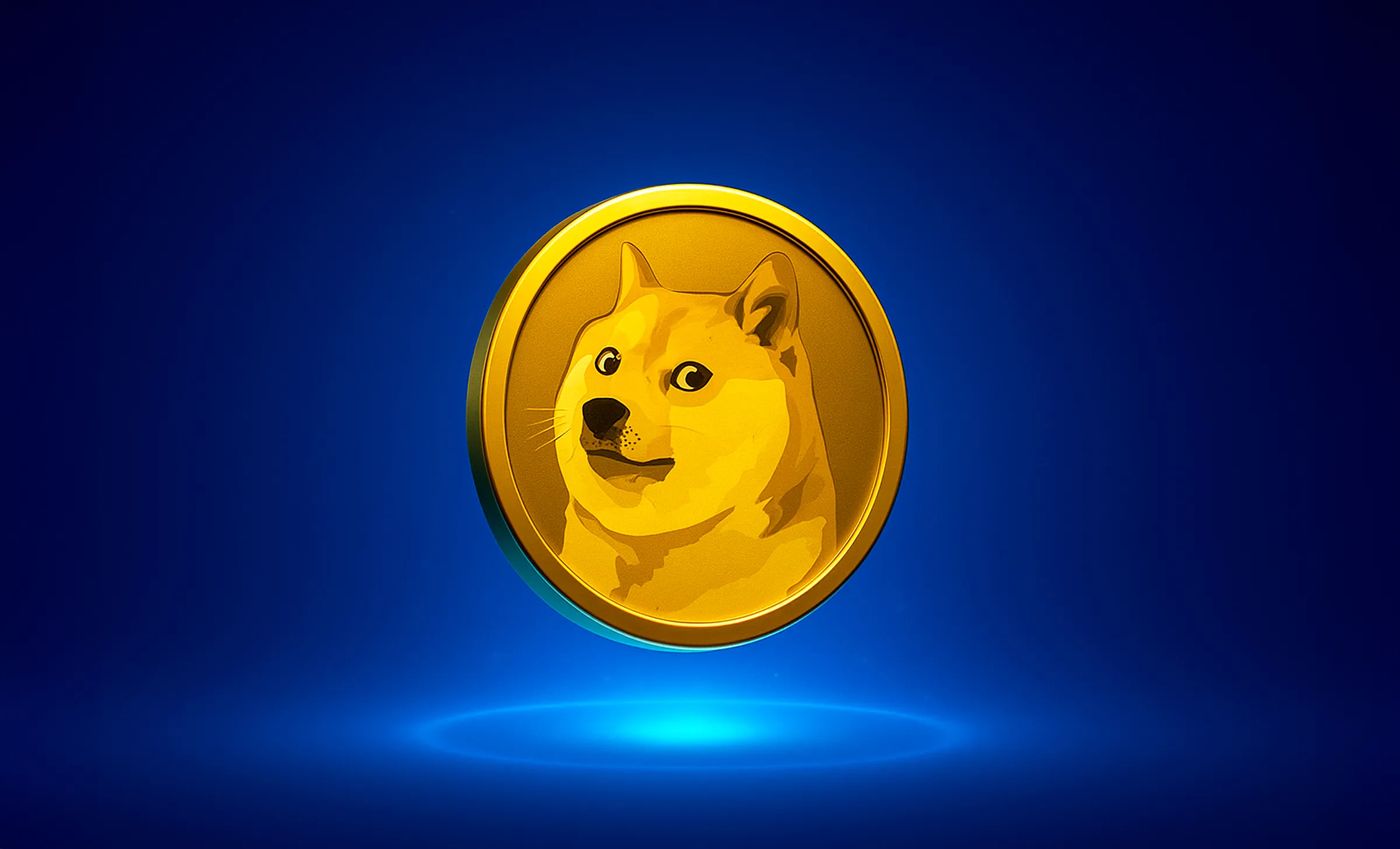
Dogecoin is a peer-to-peer cryptocurrency created in 2013 as a satirical joke by software engineers Billy Markus and Jackson Palmer. Featuring the face of the popular 'doge' meme, it was designed to mock the speculative frenzy around digital assets like Bitcoin. Despite its origins, Dogecoin developed a massive online community and has been used for tipping, charitable fundraising, and as a speculative investment. For Canadians, Dogecoin is available for trading on several regulated domestic cryptocurrency platforms, though its price remains highly volatile and influenced by social media trends.
What Is Dogecoin?
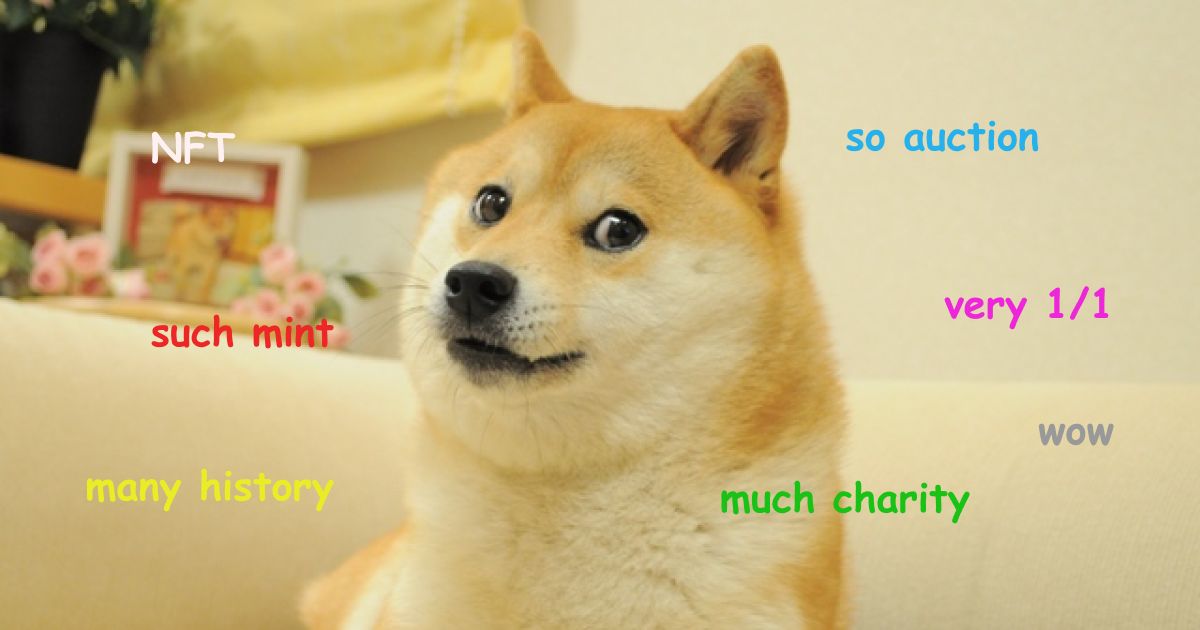
Dogecoin is a decentralized, peer-to-peer digital currency often described as the first 'meme coin'. It was launched on December 6, 2013, by software engineers Billy Markus and Jackson Palmer as a lighthearted parody of the cryptocurrency boom, specifically to make fun of Bitcoin and the many other cryptocurrencies that had grand plans to take over the world. The currency uses the image of Kabosu, the Shiba Inu from the 'doge' internet meme, as its logo and namesake. The project's official website promotes it as the 'fun and friendly Internet currency', a direct nod to its jocular beginnings. Unlike Bitcoin, which has a hard cap of 21 million coins, Dogecoin was initially conceived with an intended supply limit of 100 billion coins, but this limit was removed from the codebase in early 2014 to create a consistent, low inflation rate. The 100 billionth Dogecoin was mined by mid-2015, and since then approximately five billion new coins have been added to circulation each year, making its supply uncapped and inherently inflationary, though the inflation rate decreases over time as a percentage of the growing total supply.
How Dogecoin Works
Dogecoin operates on a blockchain, a distributed digital ledger that records all transactions. It uses a proof-of-work consensus mechanism, similar to Bitcoin, to validate transactions and secure the network. However, Dogecoin employs the Scrypt hashing algorithm, which was inherited from its original codebase, forked from Litecoin. This algorithm is more memory-intensive than Bitcoin's SHA-256, meaning specialized Bitcoin mining equipment known as ASICs cannot be used to mine Dogecoin, requiring instead dedicated FPGA or ASIC devices designed for Scrypt. The target block time for Dogecoin is one minute, which is faster than Litecoin's 2.5 minutes and Bitcoin's 10 minutes, allowing for quicker transaction confirmations. Miners are rewarded with a static 10,000 DOGE for each new block they successfully add to the blockchain, a change from an initial randomized reward system that was updated in March 2014. Dogecoin's blockchain cannot interact with smart contracts directly, but the token can be tied to other blockchains like Ethereum to access some decentralized finance instruments. For everyday use, Dogecoin functions as a digital payment method, enabling users to send and receive funds directly without an intermediary, and it has been used for online tipping, retail purchases, and even an attempted property sale.
History and Key Developments
Dogecoin's history is marked by rapid community growth, viral moments, significant price volatility, and notable controversies. Within the first 30 days of its December 2013 launch, Dogecoin.com had over 1 million visitors, and within two weeks the currency's market value reached $8 million. The community quickly organized around charitable causes, raising over $50,000 in Dogecoin to send the Jamaican Bobsled Team to the 2014 Winter Olympics and later sponsoring NASCAR driver Josh Wise, whose car featured a Dogecoin paint scheme at the Talladega Superspeedway. A major early theft occurred on December 25, 2013, when the Dogewallet platform was hacked and millions of coins were stolen, but the community's 'SaveDogemas' initiative donated enough to cover all losses. Co-founder Jackson Palmer left the project in 2015, criticizing the cryptocurrency ecosystem as fundamentally exploitative, a position his co-founder Billy Markus later agreed was generally valid. Dogecoin saw its first major price bubble in early 2018, reaching nearly $0.017. Its most dramatic period began in 2020, fueled by social media trends like a TikTok campaign aiming to get the price to $1 and relentless endorsements from billionaire Elon Musk.
The following timeline highlights major events in Dogecoin's history. Dogecoin was created as a joke by software engineers Billy Markus and Jackson Palmer and launched on December 6, 2013. It quickly developed a large online community and has been used for various charitable fundraising efforts. The cryptocurrency experienced significant price increases in 2021, reaching a peak market capitalization of over US$85 billion on May 5, 2021.
- December 2013: Dogecoin is launched by Billy Markus and Jackson Palmer.
- December 19, 2013: Value jumps nearly 300% in 72 hours, then crashes 80% days later.
- January 2014: Community raises funds for the Jamaican Bobsled Team. Trading volume briefly surpasses all other cryptos combined.
- March 2014: Block reward is changed from randomized to a static 10,000 DOGE.
- January 2018: Price peaks at $0.017 during the crypto bubble.
- July 2020: Price spikes following a TikTok trend aiming for $1.
- January 2021: Price rises over 800% in 24 hours, driven by Reddit and Elon Musk.
- April 2021: Price first hits $0.10, then $0.45, causing an outage on Robinhood.
- May 2021: SpaceX announces the DOGE-1 Moon mission, funded by Dogecoin. Price hits an all-time high near $0.71.
- August 2021: Dogecoin Foundation is re-established with advisors including Vitalik Buterin and Jared Birchall.
- April 2023: Twitter temporarily replaces its logo with the Doge image, causing a price increase.
- August 2024: Elon Musk and Tesla win dismissal of a lawsuit accusing them of hyping Dogecoin.
- November 2024: Price spikes after Donald Trump announces a 'DOGE' department acronym.
In the summer of 2025, it was announced that House of Doge, an investment arm of Dogecoin, had become the largest equity holder in Italian soccer team US Triestina Calcio 1918. Shortly after, it became the second largest investor in Swiss ice hockey team HC Sierre. In the spring of 2026, House of Doge became the main investor in Milano Hockey Club, an expansion ICE Hockey League team. This series of investments demonstrates a continued expansion into sports ownership by entities related to Dogecoin.

Dogecoin in the Canadian Market
Canadian investors can buy, sell, and trade Dogecoin on several domestic cryptocurrency platforms that are accessible and regulated. These exchanges allow users to fund accounts with Canadian dollars and convert them to DOGE, and they cater to both beginners and advanced traders. Popular Canadian platforms include Wealthsimple Crypto, which launched in 2019 as Canada's first regulated crypto platform, CoinSmart, known for its simple interface and ability to trade coins without conversion, Bitbuy, which was the first platform fully regulated as a marketplace and restricted dealer, the National Digital Asset Exchange (NDAX), which offers advanced order types and low trading fees, and CoinSquare, one of the oldest Canadian exchanges founded in 2014. These services provide user-friendly interfaces, security features like cold storage and two-factor authentication, and educational resources. Canadians can also acquire Dogecoin through the process of mining, though this requires specialized Scrypt-compatible hardware and has been known to occur illicitly on institutional computers, such as at Harvard University and Imperial College London. Once purchased, DOGE can be stored in the wallet provided by the exchange or transferred to a private software or hardware wallet for increased security. The value of Dogecoin in Canadian dollars fluctuates constantly based on global market demand, and platforms typically provide live price charts and trading volume data to help inform trading decisions.
Price, Supply, and Market Data
Dogecoin's price is notoriously volatile, heavily influenced by social media sentiment and celebrity endorsements rather than fundamental technical developments. Its all-time high was approximately $0.71 USD in May 2021, during a period of intense retail investor interest and a peak market capitalization of over $85 billion USD. Instead, a fixed reward of 10,000 DOGE per block results in about 5 billion new coins entering circulation each year. This means the inflation rate decreases over time as a percentage of the total supply, a design choice to avoid deflationary pressures. Dogecoin consistently ranks among the top cryptocurrencies by market capitalization, which is calculated by multiplying the current price by the circulating supply. High trading volume is common, especially during periods of social media hype, indicating strong liquidity on exchanges. For example, nearly $70 billion USD worth was traded in a 24-hour period in April 2021. The currency's fully diluted value is an estimate of its market cap if the ongoing annual issuance continued indefinitely, a figure relevant due to its uncapped supply.
| Metric | Description/Figure |
|---|---|
| All-Time High Price | ~$0.71 USD (May 2021) |
| Peak Market Cap | >$85 billion USD (May 2021) |
| Annual New Supply | ~5 billion DOGE |
| Block Reward | 10,000 DOGE |
| Initial Block Reward (Pre-Mar 2014) | Randomized |
| Market Cap Ranking (2021 Peak) | 5th highest-valued cryptocurrency |
| Notable 24hr Volume (Apr 2021) | ~$70 billion USD |
Uses and Community Initiatives
Beyond speculation, Dogecoin has been used for practical purposes and community-driven philanthropy, cementing its 'fun and friendly' ethos. Its primary initial use case was for online 'tipping', where users on platforms like Reddit and Twitter would reward others with small amounts of DOGE for creating interesting or noteworthy content. Services like Dogetipbot facilitated this by allowing transfers through Reddit comments until it was discontinued in May 2017 after its creator declared bankruptcy, leaving many users unable to access their stored coins. The Dogecoin community is renowned for its charitable fundraising, often organized through the Dogecoin Foundation. In commerce, the NBA's Dallas Mavericks began accepting Dogecoin for tickets and merchandise in March 2021, carrying out 20,000 transactions within two days to become the top Dogecoin merchant. Tesla also accepted Dogecoin for merchandise starting in December 2021. These uses highlight the currency's role in micro-transactions and community engagement, and it has also seen use in the pornography and gambling industries, where its fast and low-cost transactions are sometimes utilized.
The Role of Elon Musk and Market Influence
Elon Musk, the CEO of Tesla and SpaceX, has become the most influential figure affecting Dogecoin's market price and public perception. His first Dogecoin-related tweet on December 20, 2020, simply stating 'One Word: Doge', caused an immediate 20% rise in the currency's value. Throughout 2021, a series of his tweets, including phrases like 'Dogecoin is the people's crypto' and posting an image captioned 'Doge Barking at the Moon', repeatedly triggered price surges, sometimes over 100%. His appearance on Saturday Night Live in May 2021, where he called Dogecoin a 'hustle' in a sketch, conversely led to a sell-off, with the price dropping as much as 29.5%. Musk's companies have also integrated Dogecoin, with SpaceX announcing a lunar mission completely funded by DOGE and Tesla accepting it for merchandise. His acquisition of Twitter in October 2022 led to a 46% price increase, and a temporary replacement of the Twitter logo with the Doge image in April 2023 caused another spike. These actions have led to accusations of market manipulation and insider trading, including a 2022 lawsuit seeking $258 billion in damages, though a separate federal lawsuit was dismissed in August 2024. Because cryptocurrencies are not regulated like stocks, such promotional actions are not typically illegal, but they underscore the asset's sensitivity to influencer sentiment and have been criticized by Dogecoin co-founder Jackson Palmer, who called Musk a self-absorbed grifter.
Risks, Criticisms, and Legal Debates
Investing in Dogecoin carries significant risks and has attracted substantial criticism from financial experts and its own creators. Its origin as a joke makes it difficult for some to take seriously as a long-term investment or store of value. Critics, including co-founder Jackson Palmer, often label it and similar cryptocurrencies as potential Ponzi schemes, where early investors have a large financial incentive to draw in later purchasers to drive the price up, benefiting at the direct expense of newcomers. The lack of a supply cap is a frequent point of contention, as it creates a persistent inflationary pressure unlike deflationary assets like Bitcoin, potentially eroding value over time. Dogecoin has a long history of association with scams, including the early Dogewallet hack and the collapse of the Dogetipbot service. The debate over market manipulation is central, focusing on whether figures like Elon Musk, through his massive social media influence, artificially inflate the price for their own benefit or that of early holders. The legal landscape remains murky. While a 2024 lawsuit against Musk and Tesla was dismissed, the question of whether cryptocurrency promotion constitutes securities fraud is unresolved in many jurisdictions. Furthermore, the currency's technological development has been sporadic, relying on community efforts and notable advisors like Vitalik Buterin after years without an official leading organization, which poses a risk to its long-term viability and security upgrades.
Future Developments and Cultural Impact
The future of Dogecoin hinges on both continued community engagement and potential technological upgrades. The re-establishment of the Dogecoin Foundation in August 2021, with a board including high-profile advisors like Ethereum co-founder Vitalik Buterin, signals an intent to bring more serious development to the project. Stated goals include supporting the Dogecoin ecosystem, promoting the blockchain's future, and exploring enhancements to scalability, security, and usability. Its cultural impact as the first and most famous meme coin is undeniable, having paved the way for countless other joke-inspired cryptocurrencies like Shiba Inu. Dogecoin demonstrated the power of online communities to drive value and organize real-world initiatives, from charity to sports sponsorship. The involvement of high-profile business figures and its use in high-concept projects like space missions have blurred the line between satire and legitimacy. However, its trajectory remains tightly coupled with social media trends and the whims of influencers, making its long-term path uncertain. For Canadians and global users alike, Dogecoin represents a unique case study in internet culture converging with finance, embodying both the playful potential and the extreme volatility of the cryptocurrency space.
Frequently asked questions
What is Dogecoin?
Dogecoin is a cryptocurrency created by software engineers Billy Markus and Jackson Palmer as a satirical joke, making fun of the wild speculation in cryptocurrencies at the time. It is considered the first 'meme coin' and features the face of Kabosu from the 'doge' meme as its logo. It was introduced on December 6, 2013, and quickly developed its own online community. Despite its satirical nature, some consider it a legitimate investment prospect.
How does Dogecoin work?
Dogecoin is a cryptocurrency that uses a proof-of-work algorithm based on scrypt technology, forked from Litecoin. Its target block time is 1 minute. Miners use dedicated hardware to mine Dogecoin and receive a static block reward. It is traded on several reputable cryptocurrency exchanges and is used for online tipping and trading tangible items on communities like Reddit. Dogecoin's blockchain cannot interact with smart contracts directly but can be tied to other blockchains for DeFi access.
What is the history of Dogecoin?
Dogecoin was officially launched on December 6, 2013, by Billy Markus and Jackson Palmer. Within the first 30 days, there were over 1 million visitors to Dogecoin.com. The community has engaged in notable fundraising, such as for the Jamaican Bobsled Team in 2014 and sponsoring a NASCAR driver. Its value saw dramatic increases in 2021, partly due to attention from figures like Elon Musk, reaching a peak market capitalization of over US$85 billion on May 5, 2021.
Why does Elon Musk influence the Dogecoin price?
Elon Musk frequently uses his platform to express his views on Dogecoin. The price of Dogecoin frequently experiences price movements shortly after his tweets. For example, following a tweet in December 2020, the value of Dogecoin rose by 20 percent. In April 2021, the price rose by more than 100 percent after another tweet. Because cryptocurrencies are not regulated like stocks, these actions are not illegal, but they have led to accusations of market manipulation and lawsuits.
How can I buy Dogecoin in Canada?
The notes describe Dogecoin as an altcoin with a large userbase that is traded against fiat currencies and other cryptocurrencies on several reputable cryptocurrency exchanges and retail investment platforms. However, no specific platforms or step by step processes for Canadian residents are detailed. The notes also mention that trading items for Dogecoin occurs on online communities like Reddit and Twitter, but this does not constitute a direct purchasing guide. Therefore, based solely on the provided material, specific methods for acquiring Dogecoin in Canada are not outlined.
Can you use Dogecoin at online casinos?
The notes state that Dogecoin has been used in the pornography and gambling industries, indicating its acceptance as a form of payment in those sectors. Furthermore, trading physical, tangible items in exchange for Dogecoin takes place on online communities such as Reddit and Twitter, where users share cryptocurrency related information. This suggests a broader context of using Dogecoin for various online transactions. The information is presented as a general factual statement about one of its historical applications.
Sources and further reading
- Dogecoin (Wikipedia) en.wikipedia.org
- Dogecoin DOGE (DOGE-CAD) Live Price, News, Chart & ... ca.finance.yahoo.com
- How To Buy Dogecoin In Canada loanscanada.ca
- What is dogecoin? And why is it rising and falling with Elon ... cbc.ca
- What is Dogecoin (DOGE) and How Does It Work? ndax.io
- Dogecoin (DOGE) price, chart, coin profile and news finder.com
This article explains how things work and is not financial, tax or legal advice. Rules, limits and rates change, so check the current figures with the Canada Revenue Agency, your province or your financial institution before you act.