Gold and silver spot prices represent the current global market value for these precious metals, quoted in Canadian dollars. For Canadian investors and collectors, the spot price is the foundational benchmark used when buying or selling bullion, coins, and other forms of physical metal. The price Canadians see is influenced by international trading on major exchanges like London and New York, as well as by fluctuations in the Canadian dollar. Understanding how these prices are set, what moves them, and how they apply to tangible assets is essential for anyone participating in the precious metals market.
How Spot Prices Are Determined
The spot price for gold and silver is the current live value for immediate delivery of the metal. This price is not set by a single entity but is established through continuous trading on global over-the-counter markets and futures exchanges. The most influential benchmarks originate from the London Bullion Market and the COMEX division of the New York Mercantile Exchange. Trading occurs nearly 24 hours a day as activity passes between financial centres in London, New York, and Asia. The price quoted in Canadian dollars is derived by taking the U.S. dollar spot price and converting it using the prevailing USD/CAD exchange rate. This means the Canadian price reflects both changes in the underlying metal's global value and movements in the foreign exchange market. Canadian investors monitoring live prices are seeing a real-time synthesis of these two dynamic factors.
Market makers and large institutions trade huge volumes of metal and futures contracts, which establishes the baseline price used worldwide. The spot price is essentially the wholesale price for pure, unallocated bullion. Retail prices for physical products like coins and bars are then set at a premium above this spot price to cover minting, distribution, dealer margins, and other costs. The spot price itself is highly liquid and changes by the second during active trading sessions, providing a transparent and universally accepted reference point.
Understanding Troy Ounces and Grams
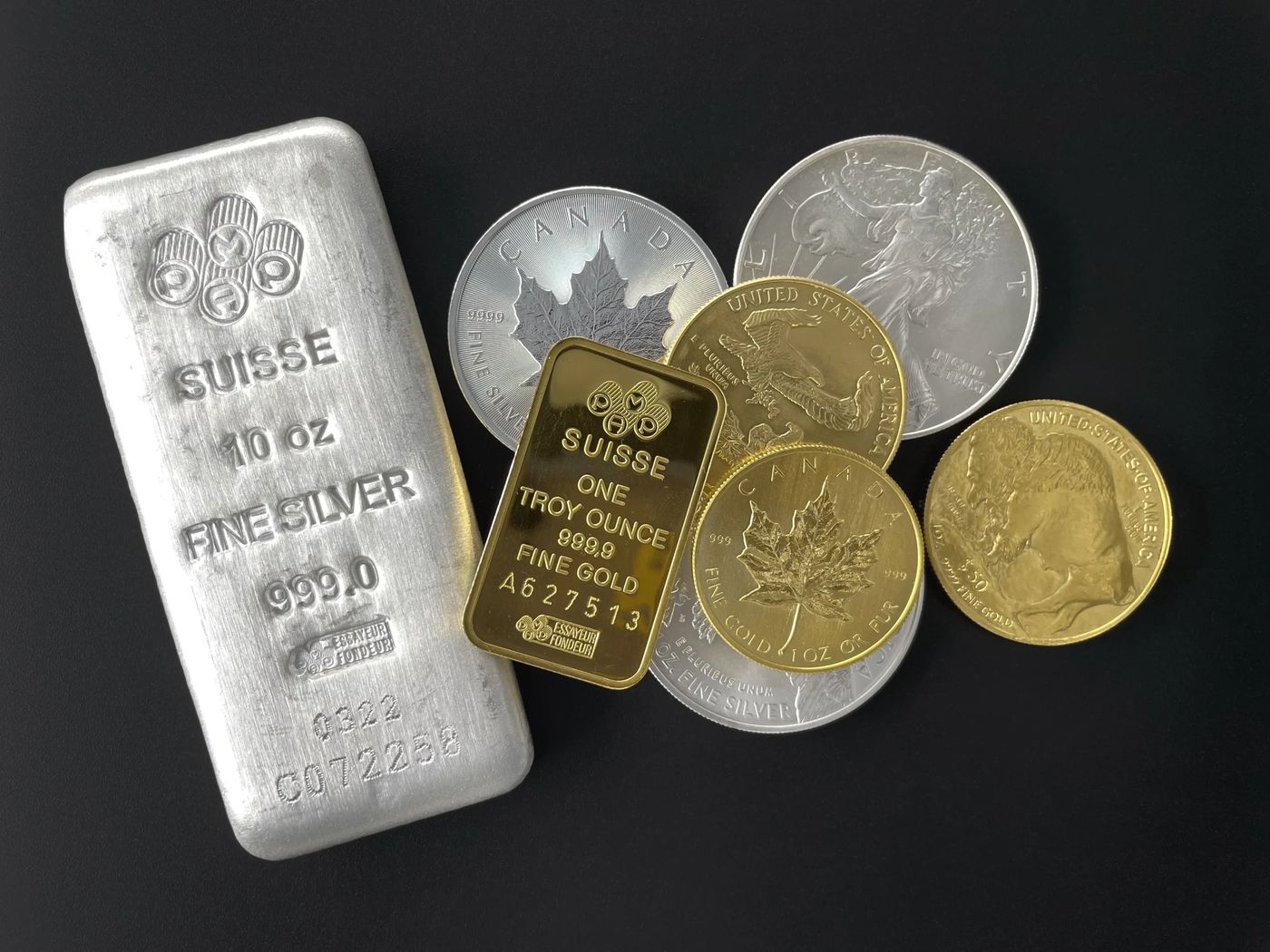
Precious metals are universally weighed and priced using the troy ounce, abbreviated as oz t. All major exchanges and global price quotes are denominated in U.S. dollars per troy ounce. In Canada, while the troy ounce remains the standard unit for reporting, many dealers and investors also use grams and kilograms for smaller transactions and easier calculation. This conversion allows Canadians to easily evaluate smaller items like jewellery or fractional coins.
When selling or buying, it is crucial to confirm which weight system is being used. Bullion products from government mints like the Royal Canadian Mint are stamped with their weight in troy ounces or grams. For example, a standard one-ounce Gold Maple Leaf coin contains one troy ounce of pure gold. Purity is another critical measure, expressed in karats for gold or fineness for silver. Pure gold is 24 karat or .999 fine, while sterling silver is .925 fine, meaning it is 92.5% pure silver. The actual precious metal content, calculated by multiplying weight by purity, determines the intrinsic melt value based on the spot price.
Key Factors That Move Gold and Silver Prices
The prices of gold and silver are driven by a complex mix of global macroeconomic forces, investor sentiment, and supply and demand dynamics. Gold is particularly sensitive to economic uncertainty, inflation expectations, and interest rate movements. It often performs well during periods of geopolitical tension, currency devaluation, or stock market volatility as investors seek a safe-haven asset. Central bank buying or selling of gold reserves can also significantly impact the market. Silver shares many of these investment demand drivers but possesses a much larger industrial demand component. This makes its price more volatile and responsive to economic cycles.
Silver's industrial uses span electronics, solar panels, medicine, and advanced manufacturing. Therefore, its price reacts strongly to shifts in technology production, renewable energy investment, and global manufacturing health. The silver market is smaller in dollar terms than the gold market, which can lead to more pronounced price swings. For both metals, the value of the U.S. dollar is a primary factor since they are priced in USD globally. A stronger U.S. dollar typically makes metals more expensive for holders of other currencies, which can dampen demand and pressure prices. For Canadians, the subsequent exchange rate conversion adds a second layer of price movement independent of the metal's underlying global trend.
- Economic Uncertainty: Drives safe-haven demand for gold.
- Inflation and Interest Rates: Influence the opportunity cost of holding non-yielding metals.
- U.S. Dollar Strength: A strong USD often pressures metal prices lower.
- Industrial Demand: A major driver for silver used in technology and green energy.
- Central Bank Activity: Large-scale gold purchases or sales by nations.
- Mining Supply: Changes in production levels from major mines.
- Investor Sentiment: Flows into or out of metal-backed ETFs and futures markets.
Historical Price Context and Records
Gold and silver have experienced significant price fluctuations throughout modern financial history, driven by the factors previously outlined. While prices are constantly changing, certain periods stand out for dramatic rallies or corrections. Historical charts are essential tools for placing current prices into a broader context, showing multi-year or even multi-decade trends. For silver, one notable record in recent Canadian dollar terms was a price of $57.08 per troy ounce, reached on September 10. The gold-to-silver ratio, which measures how many ounces of silver it takes to buy one ounce of gold, is another historical metric watched by investors. This ratio has experienced wide swings, reaching nearly 113 on a day when gold closed at $2350.24 CAD and silver at $20.80 CAD.
Long-term charts demonstrate that both metals have served as stores of value over centuries, though with considerable volatility along the way. For Canadians, reviewing historical prices in Canadian dollars provides specific insight into how global metal trends interacted with the historical CAD/USD exchange rate. This perspective helps distinguish between periods when Canadian prices rose due to a stronger global metal price versus periods when they rose due to a weakening Canadian dollar. Analyzing this history underscores the metals' role as diversifiers in a portfolio.
How Canadians Buy Physical Gold and Silver
Canadians have multiple avenues for acquiring physical gold and silver, each with distinct characteristics. The most direct method is purchasing bullion products from accredited dealers, banks, or the Royal Canadian Mint itself. Bullion refers to pure metal in the form of bars or coins valued primarily by its weight and purity. Popular products include the Canadian Gold Maple Leaf and Silver Maple Leaf coins, which are government-minted legal tender. These coins carry a face value for legal purposes but are traded at a premium far above that based on their metal content.
Purchasing process often involves selecting a product, locking in a price based on the current spot price plus a premium, and arranging for payment and secure storage or delivery. Reputable dealers provide real-time pricing on their websites that updates with the spot market. Payment methods commonly include bank wire transfers, Interac e-Transfers, credit cards, and PayPal. Credit card payments usually require address verification and may be subject to the cardholder's normal transaction limits. It is important for buyers to understand that the final cost includes the dealer's premium, shipping, and insurance, as well as applicable taxes.
| Product Type | Common Examples | Key Feature |
|---|---|---|
| Government Coins | Gold/Silver Maple Leaf | Legal tender, recognized globally |
| Bullion Bars | 1 oz to 100 oz bars | Lower premium per ounce |
| Rounds | Privately minted rounds | Often unique designs, not legal tender |
| Jewellery/Flatware | Sterling silver items | Valued for metal content, not craftsmanship |
| Historic Coins | Pre-1966 Canadian silver | May have numismatic (collector) value |
Selling Gold and Silver in Canada
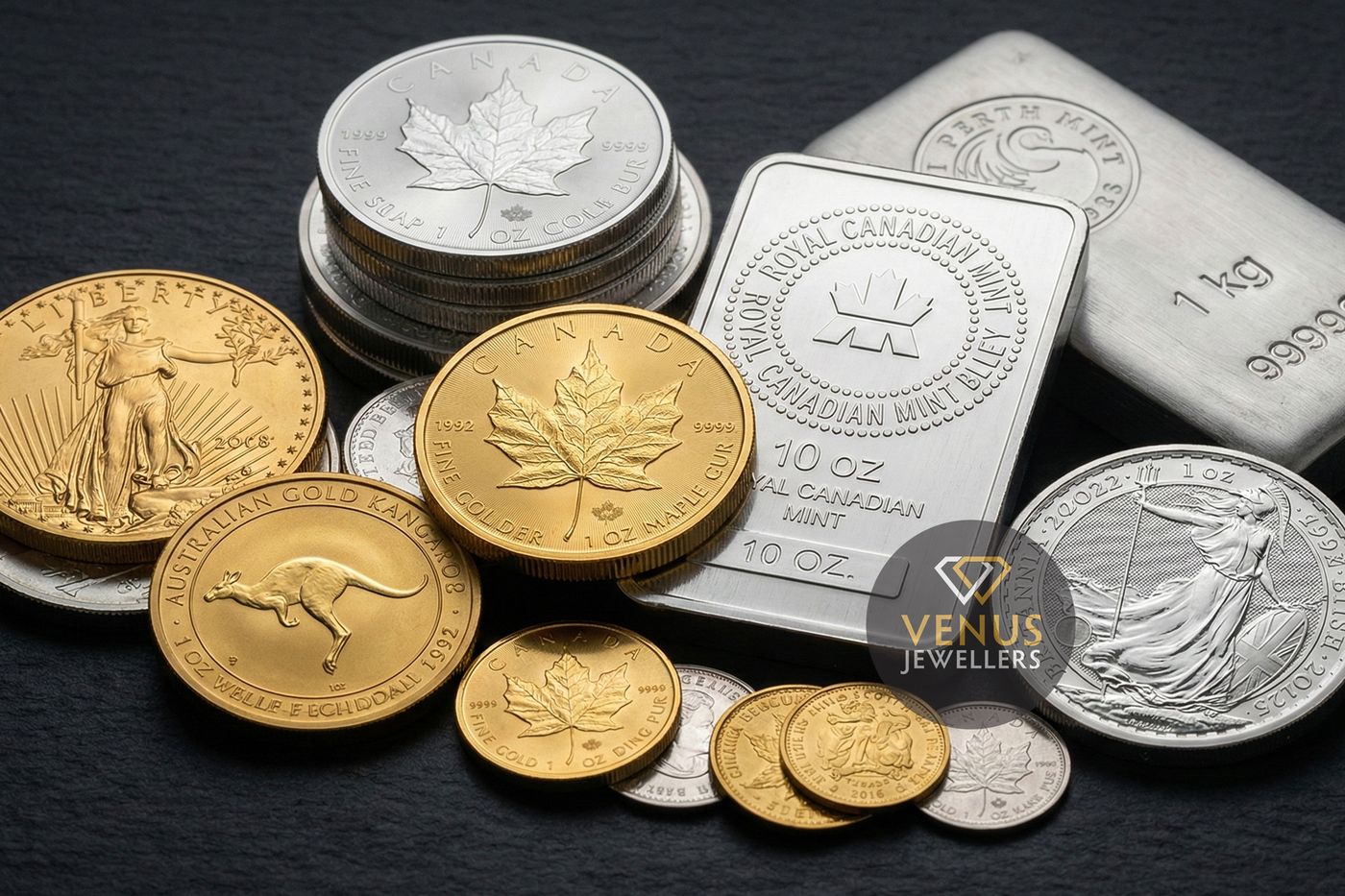
When selling gold or silver in Canada, the payout is fundamentally based on the live spot price, adjusted for the item's purity, weight, and form. Dealers and refiners like Canada Gold publish buy-back prices for various categories, which are typically a percentage of the spot price. Recognized investment products, such as bars from LBMA-approved refiners like Johnson Matthey or Engelhard and government-minted coins, command the highest payouts because they are easy to verify and resell. For example, a recognized one-ounce silver bar might buy back at a price very close to the spot price, while an unrecognized or damaged bar would fetch less. Standard buy prices are minimums, and premium items may qualify for higher rates.
The selling process involves an evaluation to determine the item's precise precious metal content. For coins and bars with clear stamps, this is straightforward. For jewellery, flatware, or unmarked items, dealers use professional testing methods like XRF scanners or acid tests to verify purity. Stamps such as .925 for sterling silver or 22K for gold provide an initial guide. Sellers should be aware that items with cultural or artistic value, or those from premium brands, may be evaluated differently than pure bullion. The entire assay process is typically done transparently in front of the seller, with the final offer calculated by multiplying the confirmed pure weight by the applicable price per gram or ounce for that category. Payment is often provided immediately via cash, cheque, or bank transfer.
ETFs, Taxes, and Other Considerations
Beyond physical metal, Canadians can gain exposure to gold and silver prices through exchange-traded funds (ETFs). These are securities traded on stock exchanges that hold physical bullion in vaults or use futures contracts to track the metal's price. ETFs offer a convenient and liquid way to invest without the concerns of storage, insurance, or assay. However, they represent a financial claim on the metal rather than direct ownership. Another option is purchasing shares in mining companies, whose stock prices are influenced by but do not directly mirror metal prices. Each approach has different risk, liquidity, and tax implications.
In Canada, the tax treatment of precious metals is an important consideration. Purchases of investment-grade gold and silver bullion are subject to the Goods and Services Tax (GST) or Harmonized Sales Tax (HST), depending on the province. There is no provincial sales tax (PST) on investment bullion in most jurisdictions. When selling, any capital gain realized from an increase in the value of the metal is generally taxable as a capital gain, with 50% of the gain included in income. Proper record-keeping of purchase dates, amounts, and sale proceeds is essential for tax reporting. It is always advisable to consult with a tax professional for guidance specific to your situation, as rules can be complex and subject to change.
Frequently asked questions
What is the difference between the spot price and the price I pay for a coin?
The spot price is the wholesale, global market value for raw bullion. The retail price you pay for a coin or bar includes a premium above the spot price. This premium covers costs like minting, distribution, the dealer's margin, and often a small fee for the coin's collectible design or legal tender status. Larger bars usually have a smaller percentage premium than smaller coins. The price you receive when selling will also be based on the spot price, minus a small discount for the dealer's buy-back spread.
Why does the price in Canadian dollars sometimes move differently than the U.S. price?
The Canadian dollar price is calculated by multiplying the U.S. dollar spot price by the current USD/CAD exchange rate. Therefore, the price you see can change for two reasons: a movement in the global gold or silver price in U.S. dollars, or a movement in the currency exchange rate. If the global spot price is stable but the Canadian dollar weakens against the U.S. dollar, the CAD price will rise. Conversely, a strengthening Canadian dollar can cause the local price to fall even if the global metal price is steady.
Is silver a good investment compared to gold?
Silver and gold serve different roles in a portfolio. Gold is primarily a monetary metal and safe-haven asset with less industrial use. Silver has significant industrial demand from sectors like electronics and solar energy, making its price more sensitive to economic growth. Historically, silver is more volatile than gold. The choice depends on an investor's goals, risk tolerance, and view on economic conditions. Some investors hold both for diversification, as their prices do not always move in perfect unison.
How do I know if my old jewellery or coins are worth selling for their metal?
The value is based on weight and purity. Canadian silver coins minted in 1966 or earlier contain significant silver content. The best way to know the value is to get a professional appraisal from a reputable dealer. They will test the items, often in front of you, to determine the exact precious metal content and then offer a price based on the current spot price for that category of item.
Are gold and silver purchases taxed in Canada?
Yes, investment-grade gold and silver bullion purchases are subject to the federal Goods and Services Tax (GST) of 5%, or the Harmonized Sales Tax (HST) in participating provinces, which combines the GST and provincial sales tax. The tax is applied at the point of sale. Most provinces exempt investment bullion from provincial sales tax (PST) alone. It is important to check the specific rules in your province, as tax regulations can vary and change.
What are the most trusted forms of gold and silver to buy in Canada?
Government-minted coins like the Canadian Gold Maple Leaf and Silver Maple Leaf are among the most trusted and recognizable forms. They are legal tender, have guaranteed purity and weight, and are easy to sell globally. Bullion bars from reputable, internationally recognized refiners that are on the London Bullion Market Association (LBMA) Good Delivery list are also highly trusted. These include brands like PAMP Suisse, Credit Suisse, Johnson Matthey, and Engelhard. Products from the Royal Canadian Mint are a standard choice for Canadian investors.
Sources and further reading
- Precious Metals Prices Canada | Gold, Silver, Platinum, ... kitco.com
- Live Gold Price Canada | Silver Price Chart Canada sprottmoney.ca
- Gold Spot Prices Today vancouvergold.ca
- Today's Silver Prices canadagold.ca
- Live Silver & Gold Price Charts aubullion.ca
This article explains how things work and is not financial, tax or legal advice. Rules, limits and rates change, so check the current figures with the Canada Revenue Agency, your province or your financial institution before you act.