Transferring money from India to Canada is a common need for supporting family, funding education, or managing investments. The process is governed by India's Liberalised Remittance Scheme (LRS), which allows residents to send up to USD 250,000 per financial year abroad. Canadians receiving funds can use services from banks and money transfer operators that offer online, mobile, and in-person options. Understanding the rules, limits, and required documentation ensures a smooth and compliant international transfer.
Understanding the Liberalised Remittance Scheme (LRS) Rules
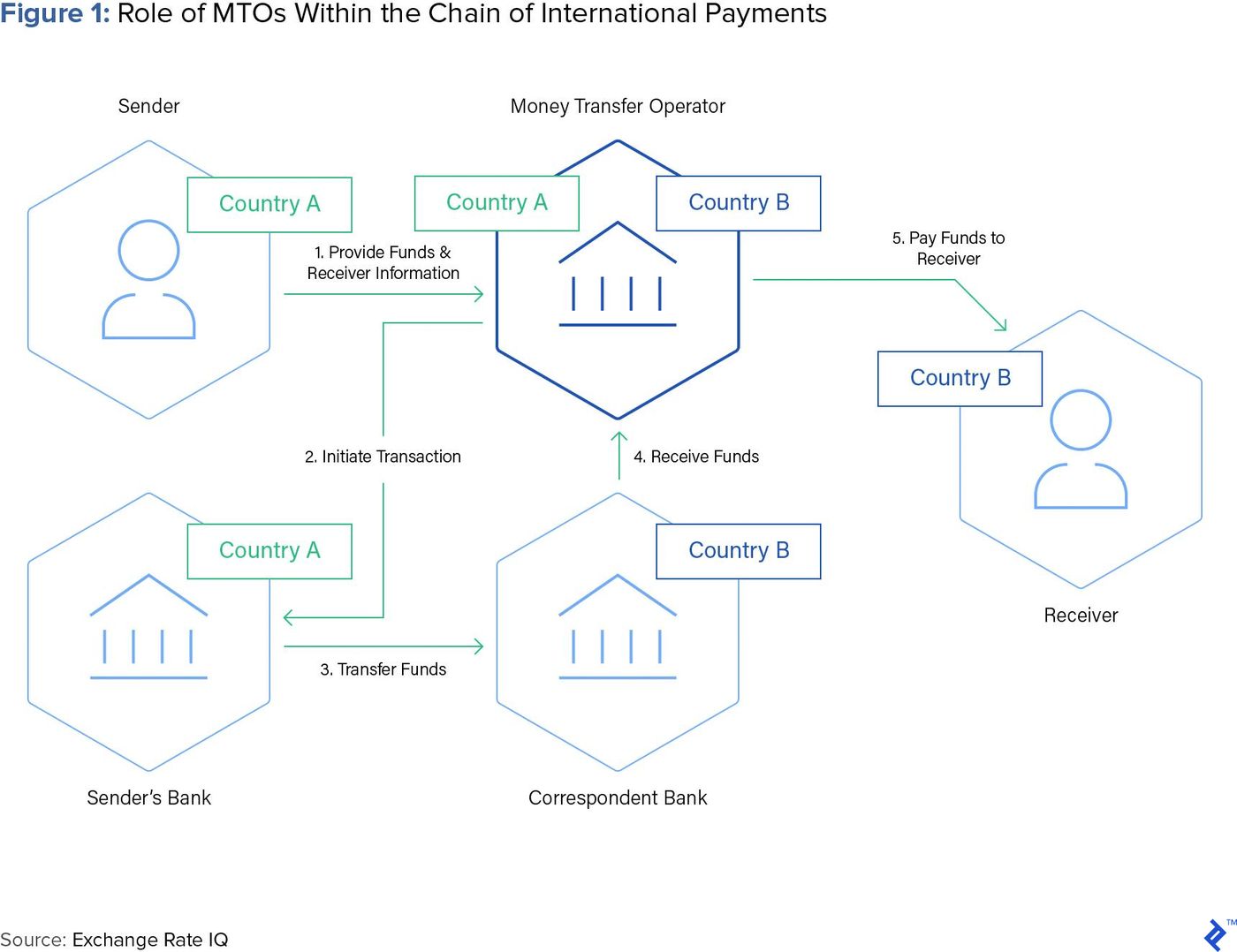
The Reserve Bank of India's Liberalised Remittance Scheme (LRS) is the foundational framework governing all personal remittances from India to Canada and other countries. Under this scheme, resident individuals are permitted to remit up to USD 250,000 per financial year, which runs from April 1 to March 31. This annual cap encompasses all international transfers made through any authorized channel, including banks and money transfer operators like Western Union. The purpose of the remittance must be declared, and it must fall under permissible current or capital account transactions as defined by the RBI. Common permissible purposes include family maintenance, gift donations, travel, education, and medical treatment. It is crucial for senders to maintain records and ensure their cumulative remittances within the financial year do not exceed this limit. Financial institutions are required to report all LRS transactions to the RBI, ensuring compliance with foreign exchange regulations.
Transfer Limits and Purpose-Specific Caps
While the LRS sets the overall annual limit, individual transaction limits can vary based on the purpose of the transfer and the policies of the sending institution. For general purposes, such as sending money to family, a common limit per transaction is the INR equivalent of up to USD 5,000. For the specific purpose of funding overseas education, the per-transaction limit is typically higher, often allowing up to the INR equivalent of USD 10,000. These limits are imposed by authorized dealers, such as banks, to manage transaction flow and compliance. On the receiving end in Canada, financial institutions may have their own limits for incoming transfers or for services used to send money back. For example, Scotiabank's International Money Transfer service allows customers to send up to CAD $15,000 per day and CAD $25,000 per week. It is important for both sender and receiver to be aware of these dual layers of limits to plan transfers effectively and avoid delays.
Indian residents are allowed to send up to USD 250,000 per financial year under the Liberalised Remittance Scheme. For individual transfers, the limit can vary depending on the purpose. For example, for overseas education you can usually send the INR equivalent of up to USD 10,000. For all other purposes, the limit is often USD 5,000 per transfer. These limits apply to the total of all outward remittances from April 1st to March 31st.
- Overall LRS Annual Limit: USD 250,000 per financial year (April 1, March 31).
- General Purpose Per-Transfer Limit: Typically up to USD 5,000 equivalent.
- Education Purpose Per-Transfer Limit: Typically up to USD 10,000 equivalent.
- Scotiabank Sending Limits: CAD $15,000 daily, CAD $25,000 weekly.
- Western Union Annual Limit: USD 250,000, inclusive of all services.
- Transaction limits are subject to the exchange rate at the time of transfer.
Required Documentation for Sending Money
To initiate a transfer from India to Canada, the sender must provide specific documents to their bank or money transfer service to comply with Know Your Customer (KYC) and anti-money laundering regulations. The primary document required is a Permanent Account Number (PAN) card, which is mandatory for all LRS transactions. A formal declaration stating the purpose of the remittance, such as family support or education fees, is also required. Standard KYC documents, including a valid passport, proof of address, and proof of income, may need to be submitted or verified. The sender must provide complete and accurate beneficiary details, which include the recipient's full name as per their bank records, their bank name, the bank's branch code or SWIFT/BIC code, and the recipient's account number. Many banks, such as DBS, allow these documents to be uploaded digitally for a paperless process. Having these documents ready beforehand significantly speeds up the transfer process and reduces the chance of rejection or hold-ups.

Methods and Channels for Transferring Funds
Several channels are available for transferring money from India to Canada, each with its own processes and features. Authorized banks in India offer online remittance services through their internet banking portals, where customers can log in, add a beneficiary, and initiate a transfer. Mobile banking apps provide a similar convenient option, with services like ICICI Bank Canada allowing transfers in just a few taps. Traditional in-branch services are also available for those who prefer personalized assistance. International money transfer operators like Western Union, Wise, and Ria offer alternative channels, enabling online transfers, cash pickups at agent locations, or direct bank deposits in Canada. Services like Wise often promote the use of the mid-market exchange rate and highlight low-cost options for transfers funded from a multi-currency account. The choice of channel affects the speed, cost, and convenience of the transfer for both the sender and the recipient in Canada.
Costs, Exchange Rates, and Transfer Fees
The total cost of sending money from India to Canada is composed of two main elements: the service fee charged by the provider and the exchange rate margin applied to convert Indian Rupees (INR) to Canadian Dollars (CAD). Service fees can vary widely. Some Indian banks may charge a nominal fee like ₹320 plus GST per transfer, while other providers may promote low or temporarily waived fees. Scotiabank, for instance, has offered international money transfers with a waived transfer fee, though the standard fee is $1.99. The exchange rate is a critical cost factor, as providers often add a margin to the mid-market rate. Wise, for example, states it uses the mid-market rate and shows fees upfront, estimating a cost of around 91.77 INR to send 1,000 INR to Canada when using money in a Wise account. It is essential for senders to compare the total cost, the sum of the fee and the difference from the mid-market rate, across different providers. Transparency in displaying both the exchange rate and any fees before confirming the transaction is a key feature of services like Scotiabank's International Money Transfer and Wise.
Processing Times and Tracking Transfers
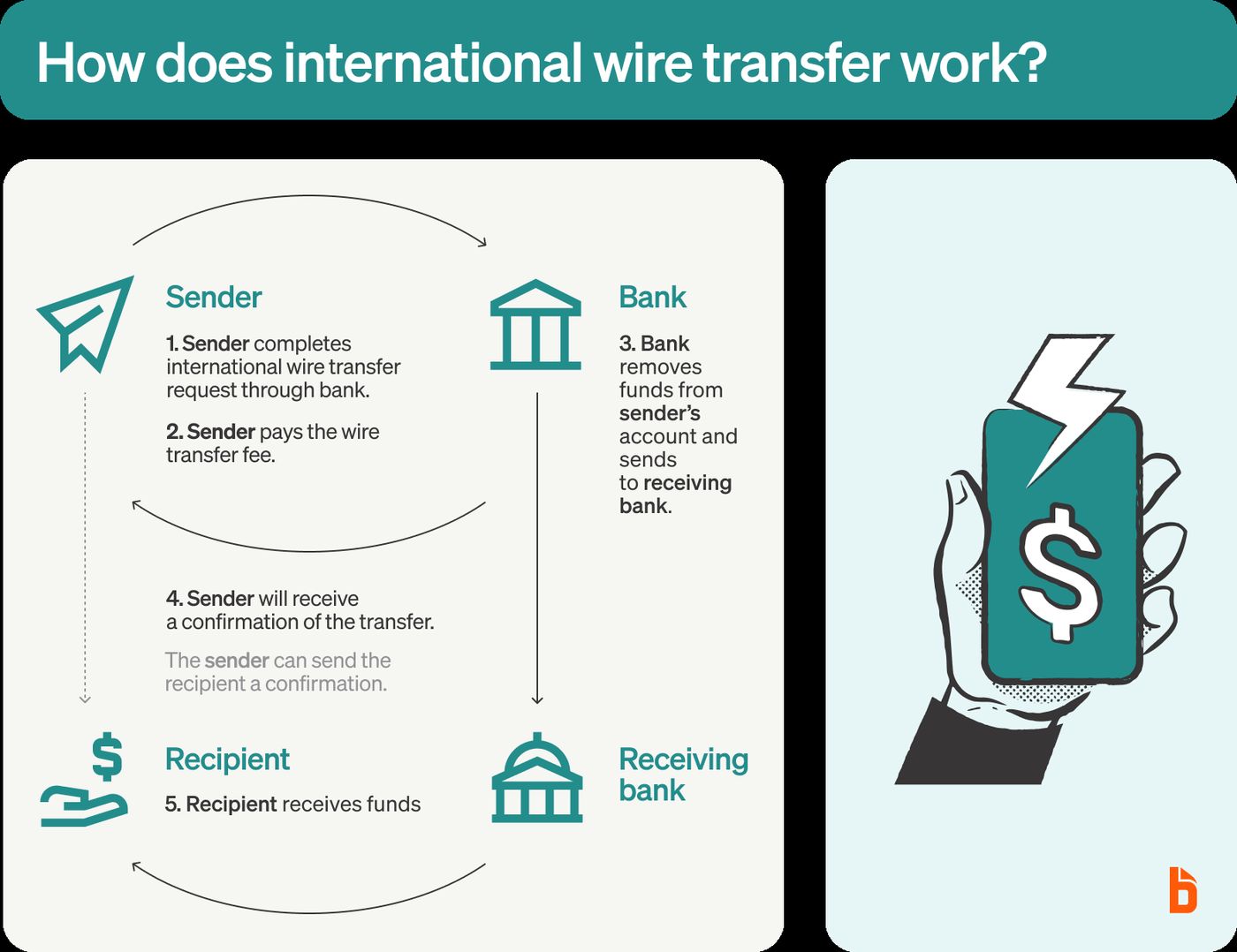
The time it takes for funds to reach a Canadian account from India depends on the transfer method, the banks involved, and the accuracy of the provided details. For online bank transfers, a security measure like a 24-hour cooling-off period may apply when adding a new payee before the first transfer can be initiated. Once sent, transfers through banking channels typically take one to several business days. Money transfer operators often advertise faster speeds. Wise reports that 77% of its transfers arrive in under 20 seconds and 95% in less than a day. Scotiabank states that many of its international money transfers are completed within an hour, though some may take a few business days due to processing or regulatory checks. Upon completing a transfer, the sender typically receives a unique tracking number, such as a Money Transfer Control Number (MTCN) from Western Union, which allows both sender and recipient to monitor the transaction's progress online. Delays can occur due to public holidays in either country, intermediary bank processing, or incorrect beneficiary information.
Steps to Initiate a Transfer from India to Canada
Initiating a money transfer involves a series of steps that are largely consistent across different providers, though the specific interfaces may vary. The first step is to choose an authorized channel, such as your bank's online portal, a mobile app, or a money transfer operator's website. You must then log in to your account or create a profile with the service provider. The next critical step is to add the recipient's details, which includes their full name, Canadian bank name, branch transit number, institution number, and account number for a direct deposit. You will need to specify the amount to send in INR and declare the purpose of the transfer, such as 'family maintenance' or 'education'. The system will then display the applicable exchange rate, any transfer fees, and the estimated CAD amount to be received. After reviewing all details, you authorize the payment using a linked bank account, debit card, or credit card. Finally, you receive a confirmation with a transaction reference number for tracking. For repeat transfers, you can often save the recipient's details in your profile for future use.
A common sequence for an online transfer begins by selecting the destination country and entering the transfer amount. Next, you choose a payment option such as a bank deposit or cash pickup. Then you must add the recipient's details and the purpose of the transfer. Finally, you review the exchange rate, transfer fees, and delivery estimate before confirming the transaction.
- Select the 'International Money Transfer' or 'Send Money Abroad' option in your banking or transfer service.
- Choose Canada as the destination country and enter the transfer amount in INR.
- Input the recipient's full banking details in Canada for a direct deposit.
- Select a payment method from your account (e.g., debit from your Indian bank account).
- Review the displayed exchange rate, all fees, and the estimated delivery time.
- Confirm the transfer, declare the purpose, and obtain a transaction reference number.
Receiving Funds in Canada: Options and Considerations
Recipients in Canada have multiple options for receiving funds sent from India. The most common method is a direct deposit into a Canadian bank account held at institutions like the Royal Bank of Canada, Toronto-Dominion Bank, Bank of Montreal, or Scotiabank. The sender will need the recipient's account details to complete this. Alternatively, money can be sent for cash pickup at agent locations of money transfer operators. Some services, like Ria, also offer cash pickup options. When receiving funds, especially large amounts, recipients should be aware that their Canadian financial institution may ask for documentation to confirm the source of funds, such as a copy of the sender's identity proof or the remittance purpose. This is part of standard compliance procedures. Ensuring the sender has your exact legal name and correct account information is the best way to prevent delays in receiving the transferred money.
Frequently asked questions
How long does it take for money to reach Canada from India?
Transfer times vary by method. Bank transfers may take one to several business days. Money transfer operators can be faster. Some services report most transfers arriving within an hour or even seconds. Factors affecting speed include bank processing times, regulatory checks, holidays, and the accuracy of the recipient's information.
Are there limits on how much I can send per transaction?
Yes, per-transaction limits exist alongside the annual LRS limit. For general purposes, a common limit is the INR equivalent of up to USD 5,000 per transfer. For overseas education expenses, the limit is typically higher, often up to USD 10,000 equivalent per transfer. Your bank or money transfer service will enforce these limits.
What is the maximum amount I can send from India to Canada in a year?
Indian residents are allowed to send up to USD 250,000 per financial year from April 1st to March 31st under the Liberalised Remittance Scheme (LRS). This total annual limit includes all international transfers for purposes such as education, gifts, or investments. The limit is equivalent to approximately CAD 343,771.25. This cap applies regardless of the service used, such as a bank or a money transfer operator like Western Union.
What documents do I need to send money from India to Canada?
To send money from India to Canada, you typically need your Permanent Account Number (PAN) card and a declaration form stating the purpose of the remittance. Standard Know Your Customer (KYC) documents like a passport and proof of address are also required. You must provide the recipient's full bank details, including their name as per the bank record, bank name, branch code, and account number. Many banks allow you to upload these documents online for a paperless process.
Can I send money for cash pickup in Canada?
Yes, you can send money from India for cash pickup in Canada. Services like Western Union and Ria offer this option. The recipient can collect funds in person at agent locations. To collect the money, the recipient needs to provide identification and the unique tracking number, known as an MTCN, for the transaction.
What are the costs involved in sending money to Canada?
The total cost includes a service fee and the currency exchange rate applied. Service fees vary. For example, some banks charge a nominal fee like ₹320 plus GST per transfer, while providers like Scotiabank may waive transfer fees during promotions. The exchange rate margin is a critical cost, as providers often do not use the mid-market rate. It is important to compare the total cost, which is the fee plus the exchange rate difference, using tools like price estimators before sending.
Sources and further reading
- Money Transfer from India to Canada westernunion.com
- Send Money to Canada from India wise.com
- Money Transfer from Canada to India icicibank.ca
- How to Transfer Money from India to Canada dbs.bank.in
- International Money Transfer | Scotiabank Canada scotiabank.com
This article explains how things work and is not financial, tax or legal advice. Rules, limits and rates change, so check the current figures with the Canada Revenue Agency, your province or your financial institution before you act.