OTTAWA
The Bank of Canada raised its benchmark interest rate by a quarter-point to 2.5 per cent on Wednesday, its first increase in more than three years.
Governor Tiff Macklem said the hike was "needed to reduce the risk that raised energy prices could spill over and become generalized inflation."
The central bank expects inflation to reach roughly 3.5 per cent by the end of 2026 and remain at or above three per cent for much of next year.
"There could be a need to increase the policy rate further, but given uncertainties, Governing Council agreed to proceed carefully," the bank said.
Macklem stressed that future decisions will be made "one meeting at a time."
The war in the Middle East has kept oil prices high, with the U.S. benchmark price soaring nearly 3.5 per cent on Wednesday to above $103 US per barrel.
"The conflict in the Middle East is now in its eighth month, and there is no clear path to resolution," the bank said. "The combination of higher-for-longer energy prices, and increased pass-through, adds to the persistence of inflation."
The bank's new economic forecast sees headline inflation remaining above three per cent through most of 2027, which is "materially higher" than its July projection.
While the bank is concerned about inflation, its outlook for economic growth has improved slightly, with the Canadian economy expected to grow two per cent next year.
Macklem said the economy showed signs of resilience through the middle of 2026, growing 3.3 per cent in the second quarter.
Still, he noted that uncertainty surrounding U.S. tariffs and the conflict in the Middle East continues to weigh on the economy.
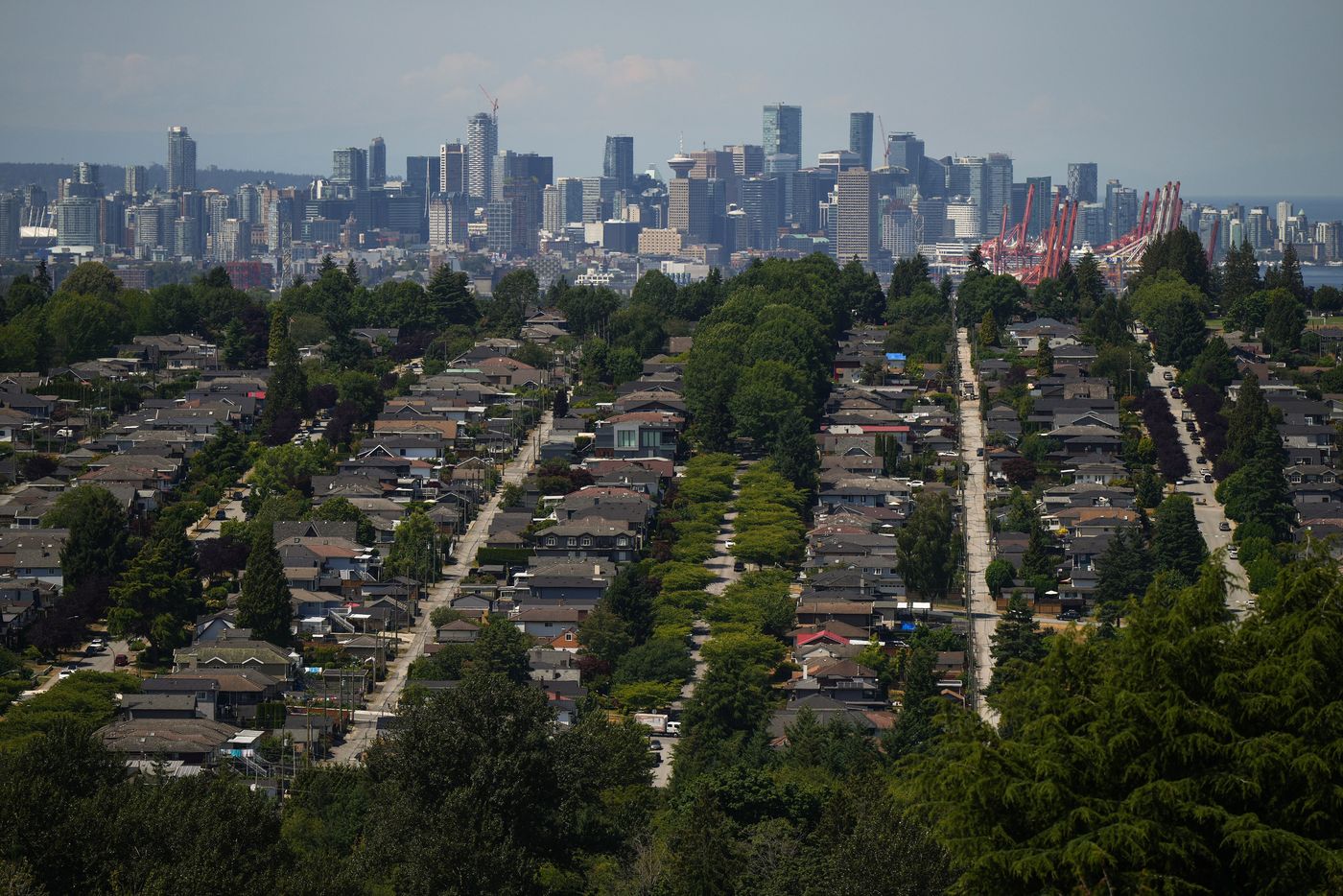
The rate hike means higher borrowing costs for Canadians, particularly for homeowners with variable-rate mortgages.
On a $500,000 mortgage, a rate hike of 25 basis points would add about $70 per month on average to a holder's monthly payments.
Mortgage broker Marcus Tzaferis says Canadians are already struggling with the high cost of living.
"To a consumer that's already stretched, these 25 basis point incremental increases are going to have an impact," Tzaferis said.
Deputy governor Carolyn Rogers said the housing market is already struggling, particularly in Ontario and British Columbia, and that the rate increase will add to those pressures.
Pedro Antunes, chief economist at independent research firm Signal 49, says he thinks the bank could have held off longer before raising rates.
Looking at last month's inflation numbers, Antunes says core measures that strip out volatile items like oil were much lower and within the bank's target range.
"We haven't seen … a broader-based increase in prices, but I think that the bank has started to be concerned about what's coming down the road," Antunes told CBC News.
Benjamin Reitzes, managing director at BMO Economics, says the central bank's messaging suggests a follow-up hike in December is not guaranteed.
"There's likely more tightening to come, but the pace of further hikes is extremely uncertain and will be driven by the incoming data," he wrote in a note to investors.
Interest rate swap markets are pricing in three more quarter-point rate hikes before the end of 2027, according to Bloomberg data.
Analysts are generally anticipating two to four more hikes.
"As of now, we would expect one rate hike per quarter, but December is a live meeting, particularly if energy prices remain high," Royal Bank of Canada chief economist Frances Donald said.
The rate decision quickly prompted political jousting in the House of Commons.
Conservative Leader Pierre Poilievre blamed government spending for inflation.
"This Liberal Prime Minister spent, and today Canadians are paying the price," Poilievre said.
Prime Minister Mark Carney, a former Bank of Canada governor, said the central bank was clear that it was responding to global factors.
He also pointed to his government's efforts to curb internal spending.
Several hours after the Bank of Canada’s decision, the U.S. Federal Reserve announced that it was holding its benchmark rate steady.
Housing market outlook
The central bank's housing outlook is "pretty subdued," deputy governor Carolyn Rogers said, and not just because of higher interest rates.
e2gold.ca reported in October that the Bank of Canada rate hike adds to a subdued outlook for the housing market.
Macklem and his team had kept the benchmark interest rate steady since last October, weighing economic risks from the U.S. trade war against inflation risks from the war in the Middle East.
The bank recently introduced a new economic forecasting model, which has a more sophisticated understanding of how price shocks reverberate through supply chains.
Wednesday's decision was the first time the model was used.
The bank's next interest rate announcement is scheduled for Dec. 11.
This story was written by the e2gold.ca newsroom from reporting by CBC News, Bloomberg, The Globe and Mail and Global News. Quotes are checked word for word against that reporting.