The Great Depression was a severe global economic downturn that lasted from 1929 to 1939. It was marked by catastrophic unemployment, poverty, and widespread bank and business failures around the world. In Canada, the Depression was particularly devastating, with millions left unemployed, hungry, and often homeless, leading to the era being known as the Dirty Thirties. The crisis transformed Canadian society, triggered the birth of social welfare programs, and led the government to take a more active role in the economy.
Origins and Global Spread
The immediate origins of the Great Depression are most often traced to the United States. The period was preceded by the Roaring Twenties, a time of industrial growth and social development where profits were heavily invested in stock market speculation. This contributed to growing wealth inequality and a fragile financial system with minimal bank regulation. After a large sell-off began in mid-October 1929, the American stock market crashed dramatically on Black Thursday, 24 October, with further collapses on Black Monday and Black Tuesday. From September 1929 to July 1932, the market lost 85% of its value. The economic contagion then spread globally through declines in trade, capital movement, and business confidence. Countries heavily dependent on U.S. loans, like Germany, were hit especially hard, with unemployment rising to nearly 30% and fueling the rise of political extremism. The global downturn was exacerbated by protectionist policies like the U.S. Smoot, Hawley Tariff Act of 1930, which triggered retaliatory tariffs and caused international trade to collapse to one-third of its 1929 level by 1933.
The gold standard acted as a primary transmission mechanism for the Depression worldwide. Countries that remained on the gold standard, keeping their currencies fixed, were forced to join deflationary policies and experienced prolonged economic slumps. In contrast, nations that abandoned the gold standard early, such as the United Kingdom in 1931, allowed their currencies to depreciate, freed up monetary policy, and generally recovered sooner. This explains the varied severity and length of the Depression across different regions. The financial crisis escalated in Europe in 1931, starting with the collapse of the Creditanstalt bank in Vienna, which put heavy pressure on Germany and contributed to the political upheaval that brought Adolf Hitler to power in 1933. Recovery began in most countries around 1933, though the United States did not return to its 1929 level of gross national product for over a decade.
The Economic Impact in Canada
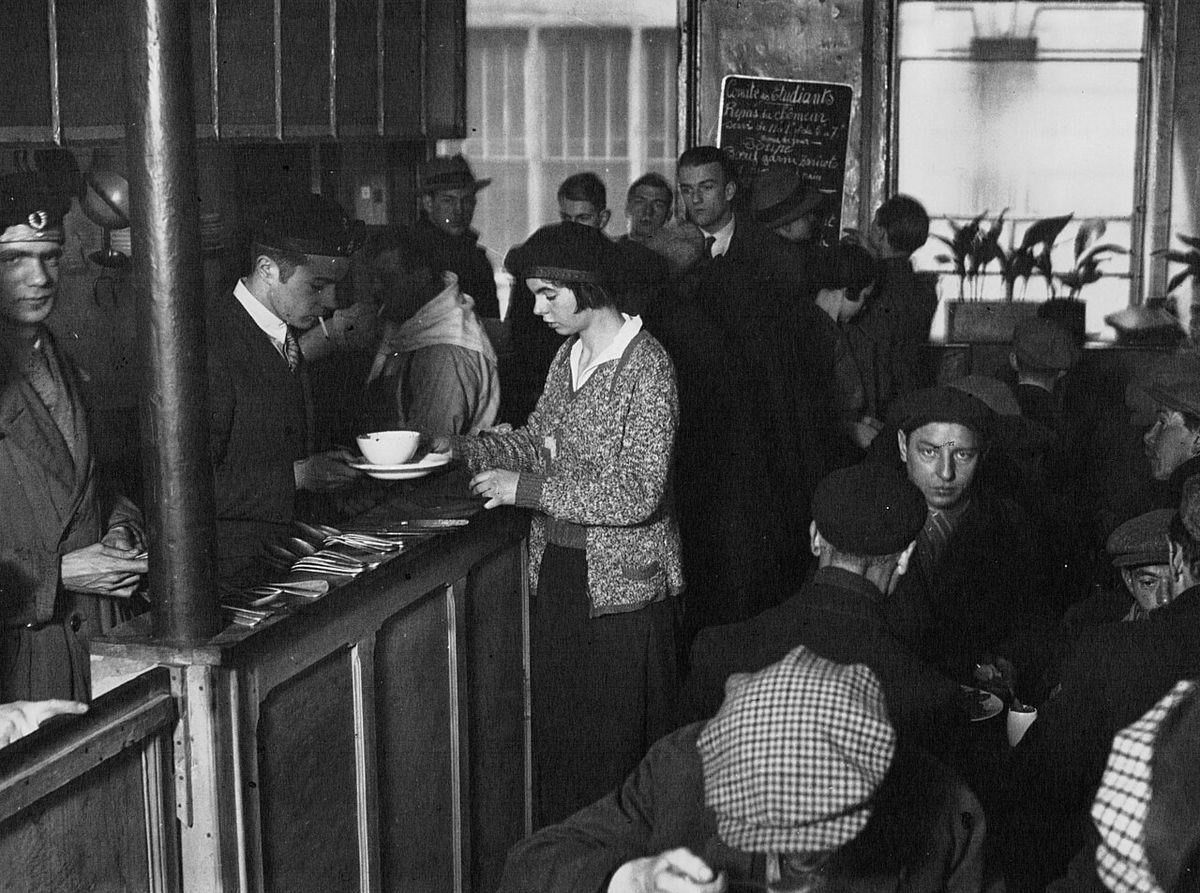
Few countries were affected as severely as Canada during the Great Depression. The collapse was dramatic, with the country's Gross National Expenditure falling by 42 percent between 1929 and 1933. By 1933, 30 percent of the Canadian labour force was out of work, and one in five Canadians depended on government relief for survival. The unemployment rate remained above 12 percent until the start of the Second World War in 1939. Canada was hit exceptionally hard due to its heavy reliance on exports, which accounted for a third of its Gross National Income. The four western provinces, which depended almost exclusively on primary-product exports like wheat, were the most seriously affected. The economic problems on the Prairies were compounded by an eight-year drought that began in the summer of 1929, along with plagues of grasshoppers and hailstorms that caused massive crop failures.
The burden of the Depression was unequally distributed across regions and classes. The other western provinces were technically bankrupt from 1932 onward. Ontario and Quebec experienced heavy unemployment but were less affected due to their more diversified industrial economies serving the domestic market. The Maritimes had already been in economic decline during the 1920s. Although wages dropped, prices fell even faster, meaning the standard of living for property owners and those with jobs actually increased. Farmers, young people, small businessmen, and the unemployed bore the brunt of the hardship. Demographic changes revealed the depth of the crisis, as immigration to Canada dropped from 169,000 in 1929 to fewer than 12,000 by 1935, and birthrates fell to their lowest level until the 1960s.
Canadian Policy Responses and Relief
The Canadian government's initial policy responses often worsened conditions for vulnerable groups. In 1930 and 1931, severe immigration restrictions were applied, limiting entry to British and American subjects, agriculturalists with money, certain classes of workers, and immediate family of residents. This caused the average number of immigrants entering Canada to plummet from about 126,000 per year in the 1920s to about 16,000 per year in the 1930s. Furthermore, deportation rates spiked to about six times prior levels, with roughly 25,000 immigrants forcibly returned to their countries of origin during the decade, primarily due to illness or unemployment. The government also established federal work camps, starting in 1933, for single, unemployed, homeless Canadian males, with camps set up in locations like Northern Ontario.
Public relief efforts were overwhelmed and inadequate. The cost of public relief in Winnipeg, for example, soared from just over $31,000 in 1927-28 to more than $1.6 million in 1930-31. Many Canadians had to make do with very little, repurposing items like cars into horse-drawn Bennett Buggies when they could no longer afford gasoline. Food prices were so low that it often cost more to ship goods than sellers would make, forcing farmers to preserve products like milk into butter or cheese for their own use. Generous aid came from other parts of Canada and the world, such as shipments of salted codfish sent from Newfoundland to the Prairies. The crisis triggered the birth of social welfare in Canada and led to more activist government involvement in the economy, though many felt Prime Minister R. B. Bennett, who served from 1930 to 1935, did not do enough to relieve the conditions.
Key Factors and Causes
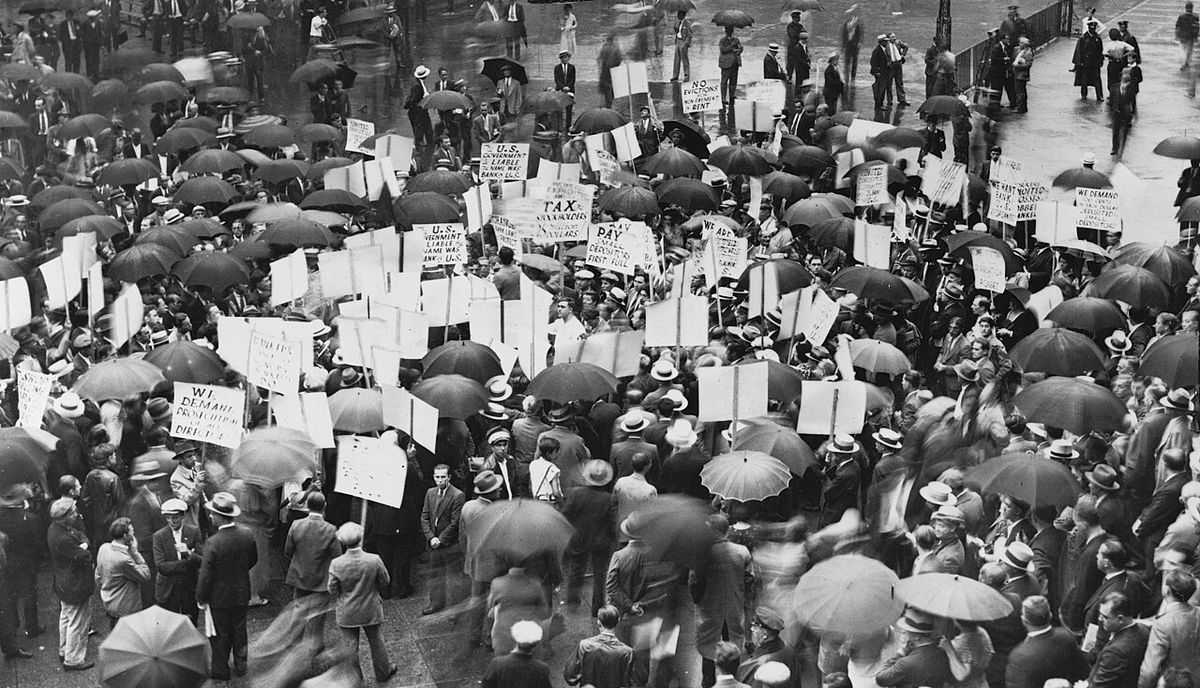
Economists and historians still debate the precise causes of the Great Depression. One set of views focuses on non-monetary economic causes, with some regarding the 1929 Wall Street crash as the main trigger and others seeing it as a symptom of broader economic trends already underway. These trends included a period of speculative investment, loose bank lending, growing wealth inequality, and declining consumer spending by 1929. A contrasting set of views, which rose to prominence later in the 20th century, ascribes a more prominent role to failures of monetary policy. According to this perspective, while general trends explain the downturn's emergence, its severity and longevity were caused by inadequate responses to liquidity crises and bank failures after the initial shock.
Several specific factors are widely acknowledged to have aggravated the crisis. The international gold standard spread deflationary pressures globally. Protectionist trade policies, epitomized by the Smoot, Hawley Tariff Act, caused a collapse in global trade. In Canada, key aggravating factors included the country's heavy dependence on raw material and farm exports, which faced plummeting world prices. The devastating drought on the Prairies, which lasted for most of the 1930s, crippled the agricultural heartland. Furthermore, Canada's social-welfare structure at the time was woefully inadequate to handle the scale of the crisis, leaving many without a safety net.
Social Hardship and Daily Life
Life for ordinary Canadians during the Dirty Thirties was marked by profound hardship and adaptation. The decade became synonymous with unemployment, drought, and making do with scarce resources. In Saskatchewan, the combination of crop failure, dust storms, insect swarms, and record-low wheat prices meant two-thirds of the population relied on government assistance. People used everything available to them, such as making quilts from scraps of old clothing or building cheese presses from farmyard materials. The economic devastation impacted some groups more severely than others. Immigrants were particularly vulnerable to unemployment and faced increased nativism and deportation. Métis people, many of whom worked as farm labourers, were often the first to be let go and some were forcibly relocated from road allowances.
First Nations farmers struggled under the federal government's restrictive pass and permit systems, which limited their ability to leave reserves or sell produce. Women began to work outside the home more frequently as families needed additional income. The crisis reversed 50 years of urbanizing momentum, as Canada's rural population outside Saskatchewan grew more rapidly than its urban population, with many unemployed individuals returning to the land. The psychological impact was also significant, as a persistent lack of confidence in the economic future became a defining feature of the period.
Recovery and Lasting Effects
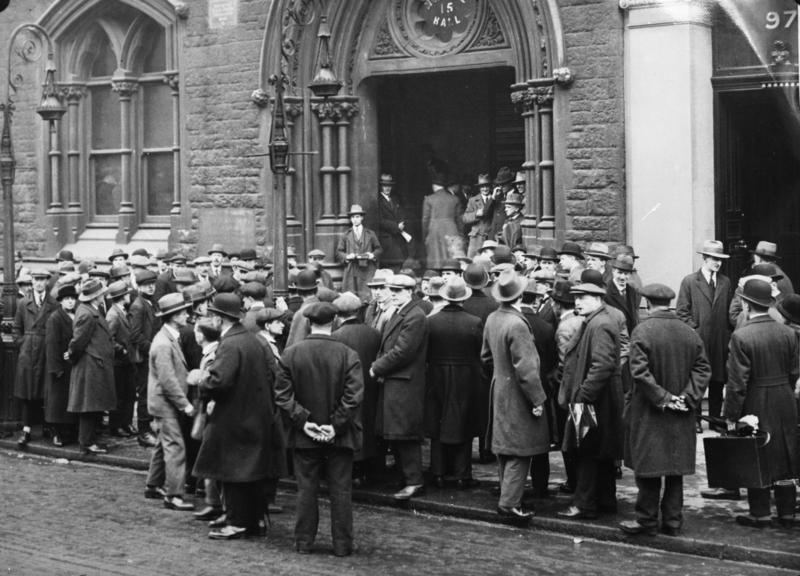
In most countries, including Canada and the United States, recovery from the Great Depression began in 1933. However, the economic expansion was slow and incomplete. The United States did not return to its 1929 level of gross national product for over a decade and still had an unemployment rate of about 15 percent in 1940. The outbreak of the Second World War in 1939 is widely considered to have ended the Depression, as it stimulated factory production and absorbed unemployed men into militaries. The Depression was a turning point in economic history, fundamentally changing the nature of money and how it is regulated. It triggered the birth of modern social welfare systems and cemented a more active role for government in managing the economy.
In Canada, the experience transformed the country politically and socially. It led to the rise of populist political movements and a demand for greater economic security. The inadequate response to the crisis, particularly in the Prairies, fueled regional discontent and shaped federal-provincial relations for decades. The lessons learned about bank regulation, monetary policy, and social safety nets directly influenced the post-war construction of Canada's modern economic framework. The collective memory of the Dirty Thirties served as a powerful motivator for policies designed to prevent such a catastrophic economic collapse from happening again.
Timeline of Major Events
The Great Depression unfolded through a series of critical events that escalated the crisis globally and in Canada. The summer of 1929 marked the beginning of an eight-year drought on the Canadian Prairies, while in October the Wall Street crash occurred with Black Thursday, Black Monday, and Black Tuesday. From 1929 to 1932, the U.S. stock market lost 85% of its value. In 1930, Canada imposed severe immigration restrictions and the U.S. passed the Smoot, Hawley Tariff Act. The United Kingdom abandoned the gold standard in 1931, the same year the Creditanstalt bank collapsed in Vienna, and by 1932 the western Canadian provinces were technically bankrupt. Unemployment peaked in 1933 at 25% in the U.S. and 30% in Canada, the same year federal work camps opened and Adolf Hitler came to power in Germany. Franklin D. Roosevelt implemented New Deal programs from 1933 to 1939, while Canadian immigration hit a decade low of fewer than 12,000 entries in 1935. The outbreak of World War II in 1939 finally stimulated production and ended the Depression.
Comparative Economic Data
The severity of the Great Depression can be seen in key economic indicators from various countries. The following table shows a comparison of critical statistics during the worst years of the crisis. The United States saw a peak unemployment rate of 25% in 1933 and a 30% GDP contraction, driven by the stock market crash, bank failures, and drought. Canada experienced even higher unemployment at 30% in 1933 and a 42% fall in Gross National Expenditure, due to its export dependence and the Prairie drought. Germany faced unemployment of nearly 30% and severe industrial decline, stemming from its dependence on U.S. loans and political turmoil. The United Kingdom, which left the gold standard early in 1931, had a less severe economic decline than the U.S. Saskatchewan, Canada, faced extreme rural unemployment as its income fell 90% in two years due to crop failure and record-low wheat prices. Worldwide, unemployment rose as high as 33% in some countries, with a 15% fall in global GDP and a collapse in international trade of more than 50%.
| Country / Region | Peak Unemployment Rate | GDP/GNE Decline | Key Factors |
|---|---|---|---|
| United States | 25% (1933) | 30% contraction | Stock market crash, bank failures, drought |
| Canada | 30% (1933) | 42% GNE fall (1929-33) | Export dependence, Prairie drought |
| Germany | Nearly 30% (1933) | Severe industrial decline | Dependence on U.S. loans, political turmoil |
| United Kingdom | High | Less severe than U.S. | Early departure from gold standard (1931) |
| Saskatchewan, Canada | Extreme rural unemployment | Income fell 90% in two years | Crop failure, lowest wheat prices on record |
Frequently asked questions
How was Canada affected by the Great Depression?
Canada was one of the worst-hit countries. Its economy, heavily reliant on exports, collapsed as world trade fell. Unemployment reached 30% by 1933, and one in five Canadians needed government relief. The Prairie provinces suffered a devastating eight-year drought alongside record-low crop prices, forcing two-thirds of Saskatchewan's rural population onto relief.
How did the Canadian government respond to the Depression?
The government responded with policies that often increased hardship. It imposed severe immigration restrictions and increased deportations. It also established federal work camps for unemployed single men. Relief efforts were overwhelmed, and many felt the government's response was inadequate, leading to the birth of social welfare programs and demands for greater economic intervention.
What was the Great Depression?
The Great Depression was a severe global economic downturn lasting from 1929 to 1939. It was marked by high unemployment, poverty, drastic reductions in industrial production and international trade, and widespread bank and business failures worldwide. The economic contagion began in the United States with the Wall Street crash of 1929. In Canada, this period became known as the Dirty Thirties, leaving millions unemployed, hungry, and often homeless, with every aspect of the economy affected.
When did the Great Depression start and end?
The Great Depression started in 1929 and ended in 1939. The devastating Wall Street crash of 1929 is often considered the beginning. The outbreak of World War II in 1939 ended the Depression as it stimulated factory production and provided jobs. The period from 1929 to 1932 saw the most severe economic decline, with worldwide GDP falling by an estimated 15 percent and recovery varying greatly among nations throughout the decade.
What caused the Great Depression?
The precise causes are disputed, but key factors include speculative investment and loose bank lending during the Roaring Twenties. The Wall Street crash of 1929 triggered the crisis, leading to a collapse in consumer spending and confidence. Protectionist policies like the Smoot Hawley Tariff Act worsened it by causing a collapse in global trade. The international gold standard acted as a primary transmission mechanism, spreading deflationary pressures worldwide and prolonging the downturn in many countries.
What were the Great Depression years?
The Great Depression years were from 1929 to 1939. This decade long period began with the stock market crash in October 1929. The most severe phase was the early 1930s, with worldwide GDP falling sharply by 1932. In Canada, this era was called the Dirty Thirties, characterized by crippling drought and economic shock. The Depression concluded with the onset of World War II in 1939, which stimulated industrial production and reduced unemployment.
Sources and further reading
- Great Depression (Wikipedia) en.wikipedia.org
- The Great Depression in Canada thecanadianencyclopedia.ca
- Lessons from the Great Depression bankofcanadamuseum.ca
- Deportation from Canada during the Great Depression pier21.ca
- The Great Depression, Making Do wdm.ca
- 1929 to 1939 - The Great Depression Alters B.C.'s Economy leg.bc.ca
This article explains how things work and is not financial, tax or legal advice. Rules, limits and rates change, so check the current figures with the Canada Revenue Agency, your province or your financial institution before you act.