The financial crisis of 2007 to 2008 was a major global economic shock triggered by the collapse of the United States housing bubble. It began as a subprime mortgage crisis in early 2007, evolved into a global liquidity and solvency crisis, and culminated with the bankruptcy of Lehman Brothers in September 2008. The crisis exacerbated the Great Recession, leading to massive government bailouts, soaring unemployment, and significant wealth destruction worldwide. While Canada was not spared from the ensuing recession, its banking system emerged relatively unscathed without failures or bailouts, a stark contrast to the experience in the United States and Europe.
Origins and Causes of the Crisis
The roots of the financial crisis lie in the U.S. housing market of the early 2000s. Following the 2001 recession, the U.S. Federal Reserve lowered interest rates to stimulate the economy. This made mortgage debt more affordable, fueling a surge in housing demand and prices. A massive inflow of foreign investment, particularly from China, further inflated the market, with the U.S. current account deficit reaching 6% of GDP by 2006. By that same year, U.S. home mortgage debt relative to GDP had risen to 73% from an average of 46% in the 1990s, reaching $10.5 trillion. Lending standards deteriorated dramatically during this period, with one-third of all mortgages issued in 2006 being subprime or no-documentation loans. Financial innovation played a critical role, as mortgages were bundled into complex securities like mortgage-backed securities (MBS) and collateralized debt obligations (CDOs). These instruments, alongside credit default swaps used to insure them, were sold globally, spreading risk throughout the financial system while obscuring the underlying quality of the loans. When U.S. housing prices peaked in early 2006 and began to fall, homeowners with adjustable-rate mortgages saw payments spike, leading to a wave of defaults and foreclosures. The value of mortgage-backed securities and related derivatives plummeted, causing catastrophic losses for financial institutions that held them.
Timeline of Key Events
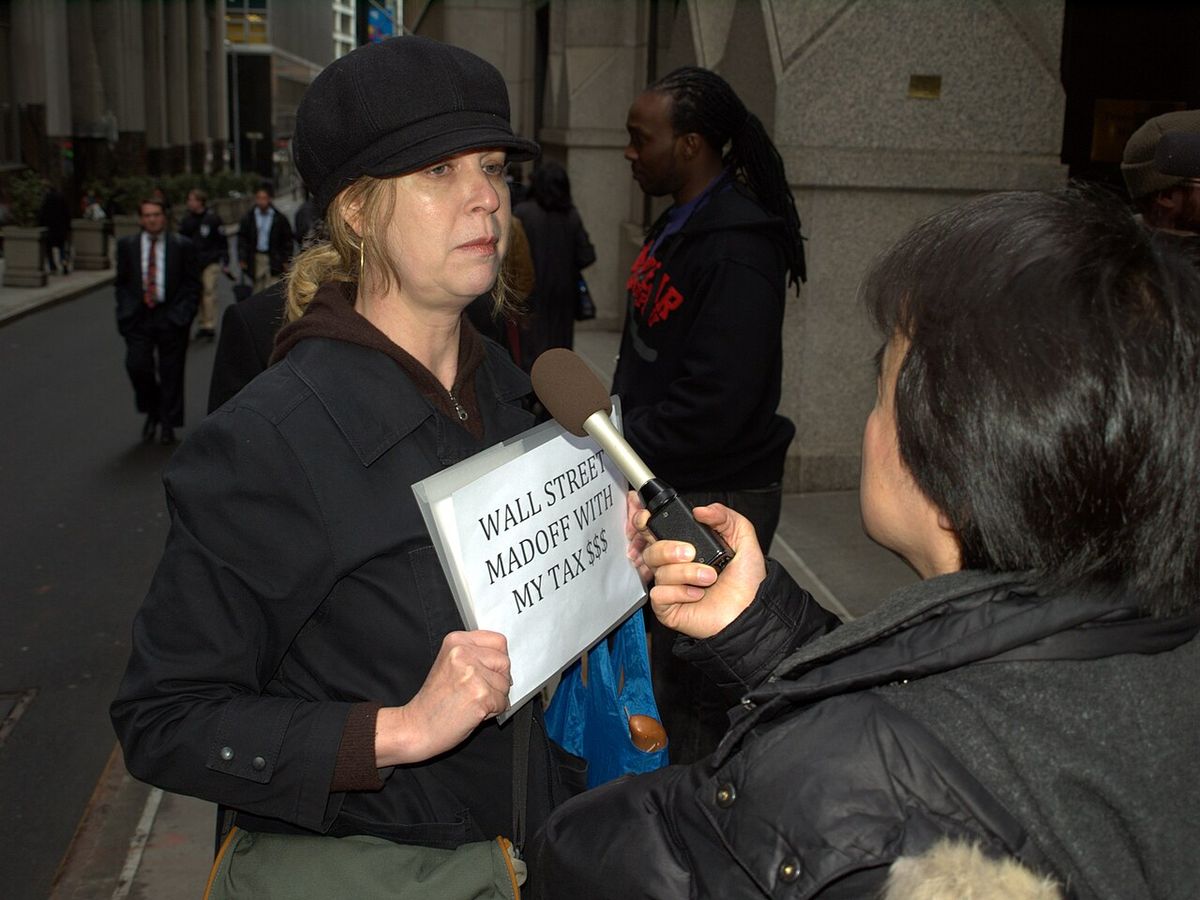
The crisis unfolded in distinct phases over several years, marked by failures and government interventions. The initial signs emerged in 2006 as housing prices peaked and mortgage delinquencies rose. By early 2007, the subprime mortgage crisis began with the bankruptcy of lender New Century Financial in April. The contagion spread to global credit markets by August 2007, exemplified by French bank BNP Paribas freezing withdrawals from three hedge funds due to a complete evaporation of liquidity. In March 2008, the U.S. investment bank Bear Stearns was sold in a fire sale to JPMorgan Chase with Federal Reserve backing. The crisis reached its climax in September 2008. The U.S. government seized mortgage giants Fannie Mae and Freddie Mac on September 7. On September 15, Lehman Brothers filed for the largest bankruptcy in U.S. history, triggering a global stock market crash and a freeze in credit markets. The following day, the Federal Reserve bailed out insurer American International Group (AIG). In response, the U.S. Congress passed the $700 billion Troubled Asset Relief Program (TARP) in early October 2008 to purchase toxic assets and bank stocks. Central banks worldwide launched unprecedented liquidity injections and quantitative easing programs to stabilize the financial system. Major events in the crisis include:
- April 28, 2004: SEC meeting grants five largest U.S. investment banks an exemption from the net capital rule, permitting higher leverage.
- August 2006: The yield curve inverted, signaling a likely recession within a year or two.
- September 14, 2007: UK's Northern Rock received support from the Bank of England, leading to a depositor bank run.
- January 11, 2008: Bank of America agreed to buy Countrywide Financial for $4 billion in stock.
- September 28, 2007: NetBank failed due to exposure to home loans.
- March 5, 2008: The Carlyle Group received margin calls on its mortgage bond fund.
- October 3, 2008: U.S. Congress passed the Emergency Economic Stabilization Act, authorizing TARP.
- February 2009: U.S. President Barack Obama signed the American Recovery and Reinvestment Act.
Impact on the United States and Global Economy
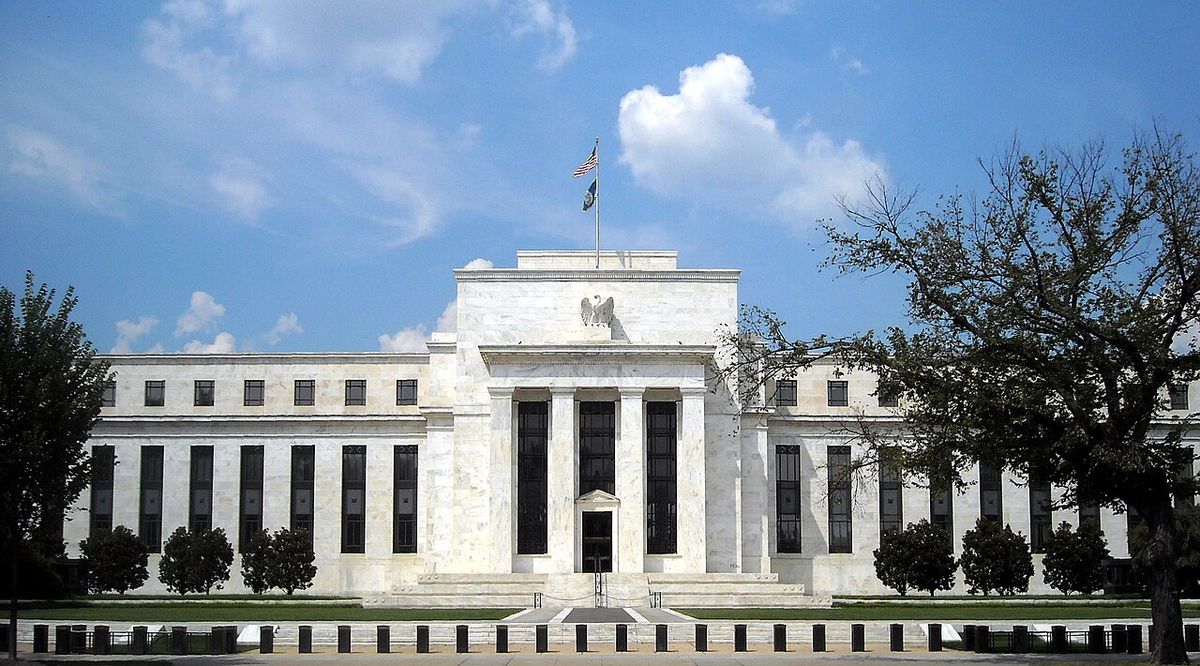
The financial crisis caused severe economic damage in the United States and triggered a worldwide recession known as the Great Recession. In the U.S., an estimated 8.7 million jobs were lost, pushing unemployment from 5% in 2007 to a peak of 10% in October 2009, with the highest weekly unemployment rate reaching 11.0% that same month. The percentage of Americans living in poverty rose from 12.5% in 2007 to 15.1% in 2010. Household wealth fell by $11 trillion from its peak of $61.4 trillion in the second quarter of 2007, and some estimates suggest one in four U.S. households lost 75% or more of their net worth. The Dow Jones Industrial Average fell by 53% between its peak closing price of 14,164.53 in October 2007 and March 2009. The real GDP of the United States declined by 8.4% in the fourth quarter of 2008 alone. The crisis rapidly spread into a global economic shock due to the interconnectedness of financial markets and the reliance on U.S. consumption, which had accounted for more than a third of global consumption growth between 2000 and 2007. International trade declined, commodity prices plummeted, and economies worldwide slowed. The International Monetary Fund estimated that large U.S. and European banks lost more than $1 trillion on toxic assets and bad loans from January 2007 to September 2009. The crisis led to subsequent crises including the euro area sovereign debt crisis beginning in late 2009 and the 2008 to 2011 Icelandic financial crisis, which was the largest economic collapse relative to the size of an economy in history.
Canada's Experience During the Crisis
Canada entered a recession in October 2008, later than the United States, and was impacted by the global financial turmoil and a concurrent collapse in commodity prices, particularly oil. Existing home sales in Canada, which had peaked in July 2007, fell by 34% by December 2008. However, the Canadian financial system weathered the crisis remarkably well compared to its international peers. Canada experienced no bank failures, no public bailouts or injections of public funds into financial institutions, and its banks remained profitable and dividend-paying while continuing to lend throughout the period. This stability stood in stark contrast to the United States and Europe, where between 2008 and 2012 a total of 465 banks went bankrupt, forcing government interventions and massive bailouts. The Canadian recession, while significant, was less severe than the downturns of the early 1980s or early 1990s within Canada and was shorter than the U.S. downturn. Employment and economic activity recovered to surpass pre-recession levels faster than in other G7 countries, making Canada a leader in the post-crisis recovery among major advanced economies. The contrast in outcomes highlighted the effectiveness of Canada's regulatory and banking structures.
Why Canada's Banking System Remained Stable
Several key structural and regulatory factors insulated Canada's banking sector from the worst of the crisis, a resilience rooted in historical development. Canada has a long history of a concentrated banking system with large, diversified financial institutions, which enhanced their robustness against local economic shocks. The primary federal regulator, the Office of the Superintendent of Financial Institutions (OSFI), oversees banks, insurance companies, and large investment dealers on a consolidated basis, providing integrated and vigilant supervision and meeting regularly with management and boards. Canadian banks operated with significantly lower leverage than their international counterparts due to a regulatory cap that limits the asset-to-capital ratio to 20 to 1. In 2008, major Canadian banks had an average multiple of 18, while many U.S. banks exceeded 25 and numerous European banks were well over 30. Mortgage lending practices were fundamentally different and more conservative. The vast majority of Canadian mortgages are originated by banks to hold on their own balance sheets, which creates a direct incentive for prudent lending. High-ratio mortgages require mandatory insurance from government-backed entities, which impose strict credit standards on eligibility. Furthermore, the Canadian system did not feature the widespread securitization and sale of subprime mortgages that characterized the U.S. market. This combination of prudent regulation, conservative banking culture, and structural differences prevented the buildup of toxic assets that devastated financial institutions elsewhere. Key elements of the Canadian system that contributed to stability include:
- Integrated Federal Regulation: OSFI provides consolidated oversight of major financial institutions.
- Leverage Cap: A regulatory asset-to-capital multiple limit of 20 to 1.
- Mortgage Retention: Most mortgages are held by originating banks, aligning risk.
- Mandatory Mortgage Insurance: Required for high-ratio loans with strict credit standards.
- Absence of Subprime Market: No widespread securitization and sale of high-risk mortgages.
- Conservative Culture: Practices were often criticized pre-crisis as too prudent and unwelcoming of risky financial innovations.
Government Responses and Policy Measures
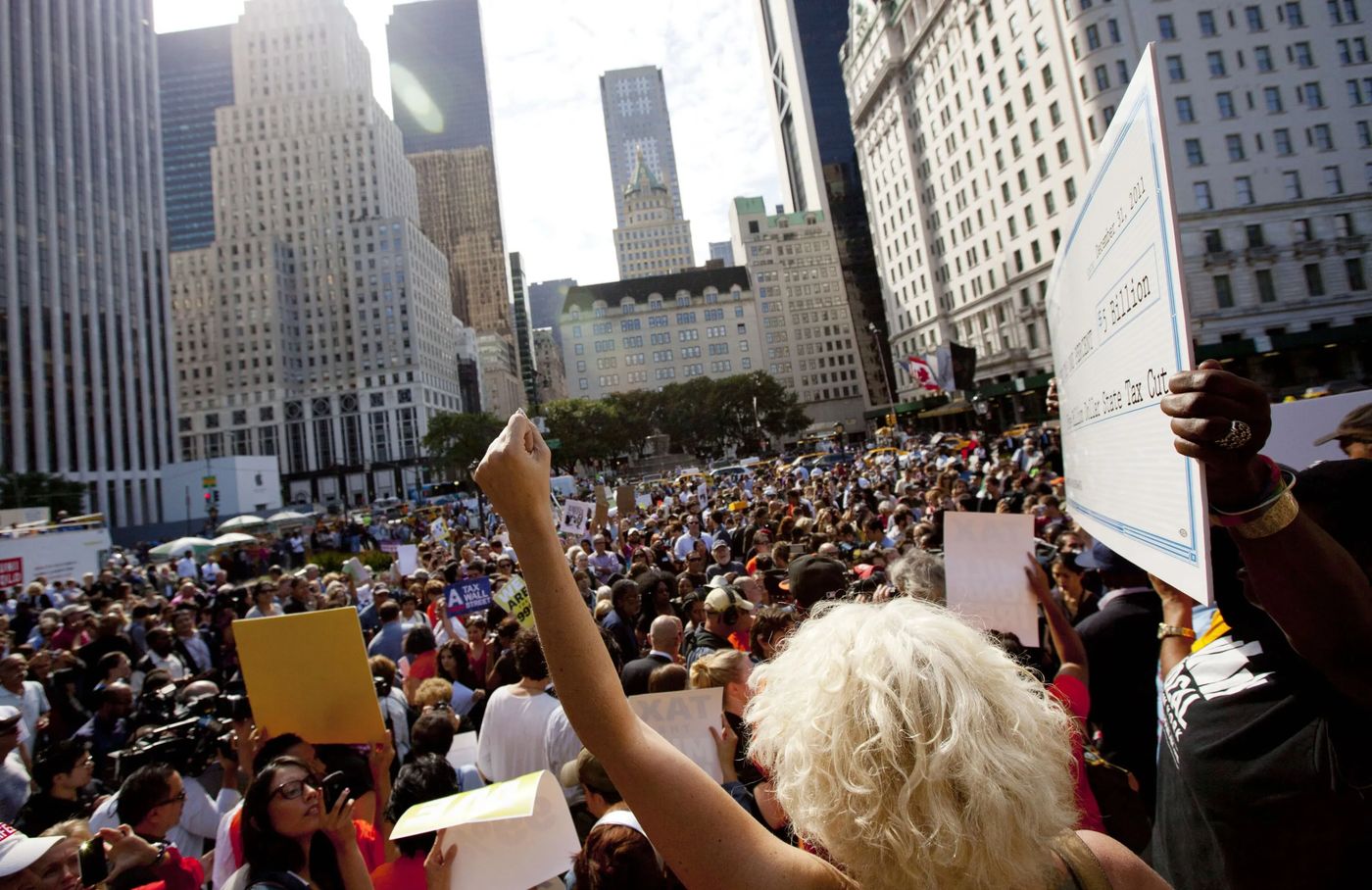
Governments and central banks around the world deployed unprecedented measures to contain the crisis and mitigate the recession, transitioning from lenders of last resort to lenders of only resort for a significant portion of the economy. In the United States, the response included the $700 billion Troubled Asset Relief Program (TARP) to purchase toxic assets and recapitalize banks, the bailout of AIG, and the seizure of Fannie Mae and Freddie Mac which owned or guaranteed half of the U.S. housing market. The Federal Reserve slashed the federal funds rate from its peak of 5.25%, instituted the Term Auction Facility, and initiated quantitative easing, purchasing trillions of dollars in treasury bonds and other assets to inject liquidity. The American Recovery and Reinvestment Act of February 2009 provided fiscal stimulus through tax cuts and spending. Globally, central banks purchased $2.5 trillion in government debt and troubled private assets from banks in just the fourth quarter of 2008 alone, the largest liquidity injection and monetary policy action in world history. Following a model from the United Kingdom, governments of European nations and the United States guaranteed the debt issued by their banks and raised capital by purchasing $1.5 trillion in newly issued preferred stock in major banks. In Canada, the Bank of Canada took a series of crisis response measures starting in December 2007, including providing extraordinary liquidity to markets and lowering its policy rate. The federal government also introduced fiscal stimulus, though no public funds were required to bail out Canadian banks. These coordinated global actions were credited with preventing a total collapse of the financial system and ending the worst of the Great Recession by mid-2009, though they generated significant controversy, such as the AIG bonus payments dispute.
Aftermath, Reforms, and Lasting Consequences
The crisis led to significant regulatory overhauls aimed at preventing a recurrence and had profound social and economic consequences. In the United States, the Dodd, Frank Wall Street Reform and Consumer Protection Act was passed in July 2010 to promote financial stability, increase transparency, and protect consumers, creating new regulatory bodies and imposing stricter rules. Internationally, the Basel III capital and liquidity standards were adopted worldwide, requiring banks to hold higher quality capital and maintain larger liquidity buffers. Enforcement against financial misconduct intensified, though convictions were limited. Only 47 bankers globally served jail time as a result of the crisis, over half from Iceland. In the U.S., only one banker, Kareem Serageldin of Credit Suisse, was convicted, sentenced to 30 months and returning $24.6 million in compensation for manipulating bond prices. The crisis exacerbated economic inequality. A Federal Reserve survey found that from 2007 to 2009, the total wealth of 63% of all Americans declined, with 77% of the richest families seeing a decrease. The regulatory landscape remains debated, with the Dodd, Frank Act opposed by many Republicans and later weakened by the Economic Growth, Regulatory Relief, and Consumer Protection Act in 2018. The crisis also had a chilling effect on innovation, with the number of patent applications flattening compared to prior exponential growth due to fewer resources for creative destruction. Lasting lessons from the crisis prompted closer supervision of credit card and mortgage sellers in the U.S. to deter anticompetitive practices.
Comparative Outcomes and Historical Context
The divergent experiences of Canada and the United States during the crisis underscore the impact of different financial system architectures, a pattern evident throughout history. The stability of the Canadian banking system is not a one-off event but part of a long-term trend. While the U.S. suffered major banking panics in 1837, 1857, 1873, 1893, and 1907, and saw the failures of key institutions like Jay Cooke and Co. in 1873 and the Knickerbocker Trust in 1907, Canada did not experience similar bank failures during those periods. Even during the Great Depression of the 1930s, when Canada's economy suffered a collapse equally as dramatic as America's, not one Canadian bank failed. This historical resilience stems from Canada's early establishment of a concentrated system of large financial institutions under a single, strong federal regulator, a power granted by its constitution. In contrast, the U.S. developed a fragmented system with smaller, geographically confined banks overseen by competing regulators, which led to the development of a more volatile shadow banking system of investment banks and money market funds. The 2008 crisis revealed the costs and benefits of each approach. Greater stability in Canada may have come at a potential cost of slower innovation and investment in emerging sectors. The crisis prompted a major policy debate on how to make financial systems more robust, with Canada's model serving as a real-world example of a system that worked under extreme stress.
Frequently asked questions
What caused the 2008 financial crisis?
The crisis was primarily caused by the collapse of the U.S. housing bubble. Easy credit and low interest rates in the early 2000s led to a surge in subprime mortgage lending. When housing prices fell and adjustable-rate mortgage payments reset higher, widespread defaults occurred. These bad mortgages had been packaged into complex securities sold globally, causing massive losses for financial institutions when their value collapsed.
How did the 2008 crisis affect Canada?
Canada entered a recession in October 2008, triggered by the global financial shock and a sharp drop in commodity prices. Home sales fell significantly, and unemployment rose. However, Canada's banking system remained stable with no failures or taxpayer bailouts. The recession in Canada was less severe than in the U.S., and the country recovered faster than other G7 nations, with employment returning to pre-crisis levels relatively quickly.
Why didn't Canada have a banking crisis in 2008?
Canada's banking system avoided crisis due to conservative regulations and practices. Banks were less leveraged, with a regulatory cap on debt. Most mortgages were held by the banks that issued them, encouraging prudent lending. High-ratio mortgages required government-backed insurance with strict standards. A single, strong federal regulator provided oversight, unlike the fragmented U.S. system. These factors prevented the buildup of toxic assets seen elsewhere.
What was the Troubled Asset Relief Program (TARP)?
TARP was a $700 billion U.S. government program authorized by the Emergency Economic Stabilization Act in October 2008. It allowed the Treasury Department to purchase toxic assets and mortgage-backed securities from financial institutions to stabilize the banking system. Funds were also used to inject capital directly into banks through stock purchases. The program was a central pillar of the U.S. response to the financial crisis.
How long did the 2008 recession last?
In the United States, the Great Recession associated with the crisis began in December 2007 and officially ended in June 2009, lasting 18 months. It was the longest recession since World War II. The economic recovery was slow, with unemployment remaining high for years. In Canada, the recession lasted from October 2008 to the second quarter of 2009, a shorter duration than the U.S. downturn.
What major laws were passed after the crisis?
In July 2010, the Dodd Frank Wall Street Reform and Consumer Protection Act was enacted in the United States to promote financial stability. The Basel III capital and liquidity standards were adopted worldwide. The Dodd Frank Act overhauled financial regulations and was opposed by many Republicans. It was later weakened by the Economic Growth, Regulatory Relief, and Consumer Protection Act in 2018.
Sources and further reading
- Financial crisis of 2007–2008 (Wikipedia) en.wikipedia.org
- Recession of 2008-09 in Canada thecanadianencyclopedia.ca
- Why Canada Didn't Have a Banking Crisis in 2008 nber.org
- The “Great” Recession in Canada: Perception vs. Reality bankofcanada.ca
- Avoiding the financial crisis: Lessons from Canada policyoptions.irpp.org
This article explains how things work and is not financial, tax or legal advice. Rules, limits and rates change, so check the current figures with the Canada Revenue Agency, your province or your financial institution before you act.