Cryptocurrency is a digital asset that uses blockchain technology to enable secure transactions without a central authority. It operates on a distributed digital ledger where transaction records are secured by cryptography and verified by a network of computers. In Canada, cryptocurrencies are not considered legal tender, and they are treated as a distinct, high-risk asset class subject to evolving regulations. Canadians can buy, sell, and trade cryptocurrencies on regulated platforms, but they face significant volatility and unique risks compared to traditional investments.
What Is Cryptocurrency?
Cryptocurrency is a type of digital asset that uses distributed ledger, or blockchain, technology to enable secure transactions. Individual coin ownership records are stored in a digital ledger, which is a computerized database that uses a consensus mechanism to secure transaction records, control the creation of additional coins, and verify the transfer of ownership. The two most common consensus mechanisms are proof of work and proof of stake. Despite the name, cryptocurrencies are not considered to be currencies in the traditional sense, and they are not legal tender in Canada. Varying legal treatments have been applied to them in various jurisdictions, including classification as commodities, securities, and currencies. In practice, cryptocurrencies are generally viewed as a distinct asset class.
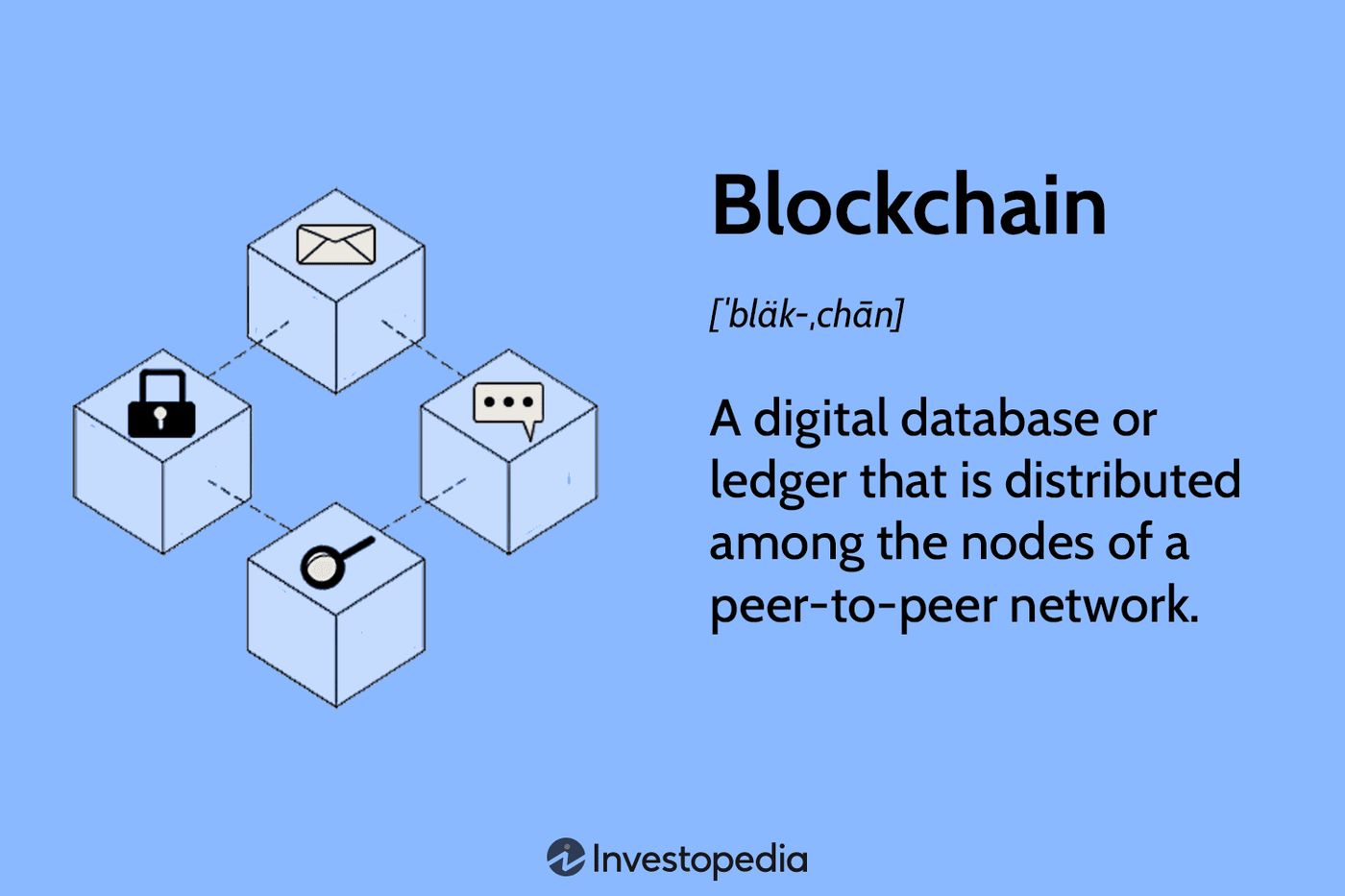
Crypto assets are very risky and differ fundamentally from the Canadian dollar. A government or central bank does not issue or back them. Transactions are recorded on a distributed digital ledger called a blockchain, which is secured by cryptography. This ledger is maintained by a network of computers rather than a single central authority. The underlying technical system for cryptocurrencies was created by the pseudonymous developer Satoshi Nakamoto. The validity of each cryptocurrency's coins is provided by its blockchain, a continuously growing list of records called blocks which are linked and secured using cryptography.
How Cryptocurrency Works
The cryptocurrency network is supported by computers called nodes. A node connects to the cryptocurrency network and supports it through relaying transactions, validation, or hosting a copy of the blockchain. When a transaction is made, the node creating it broadcasts encrypted details to other nodes so the transaction is known across the network. Node owners can be volunteers, organizations developing the technology, or parties incentivised by network rewards. The system uses timestamping schemes to prove the validity of transactions added to the blockchain without a trusted third party.
The first and most widely known timestamping scheme is proof of work. In a proof-of-work system like bitcoin, the safety and balance of ledgers are maintained by miners. Miners use their computers to help validate and timestamp transactions, adding them to the ledger. For this effort, successful miners obtain new cryptocurrency as a reward. The rate of generating hashes to validate transactions has been increased by specialized hardware. In a proof-of-stake blockchain, transactions are validated by holders of the associated cryptocurrency, sometimes grouped in stake pools. Ethereum transitioned from proof of work to proof of stake in September 2022 in an upgrade known as the Merge.
Cryptocurrency ownership is managed through wallets. A cryptocurrency wallet stores the public and private keys or seed needed to receive or spend the cryptocurrency. With the private key, it is possible to write in the public ledger and spend the associated funds. Storage methods range from paper wallets and hardware wallets to digital wallets on software or hosted on an exchange. Cryptocurrencies like bitcoin are pseudonymous, not anonymous. The funds in a wallet are tied to specific keys or addresses, not directly to a person, but all transactions are publicly available on the blockchain. Cryptocurrency exchanges are often required by law to collect the personal information of their users.
History and Evolution
The conceptual foundations for cryptocurrency began decades before bitcoin. In 1983, American cryptographer David Chaum conceived of a type of cryptographic electronic money called ecash, which he implemented through Digicash in 1995. In 1998, Wei Dai described b-money, an anonymous, distributed electronic cash system. Shortly after, Nick Szabo described bit gold, a system where users would generate money by completing proof-of-work functions. The modern era began in January 2009 when bitcoin was created by Satoshi Nakamoto. It used SHA-256, a cryptographic hash function, in its proof-of-work scheme.
The market has experienced several periods of growth and retraction. Key developments after bitcoin's creation include the launch of Namecoin in April 2011, Litecoin in October 2011, and Peercoin in August 2012. In June 2021, El Salvador became the first country to accept bitcoin as legal tender. In September 2021, the government of China declared all cryptocurrency transactions illegal. In November 2022, the cryptocurrency exchange FTX Trading Ltd., valued at $18 billion, filed for bankruptcy.
- 1983: David Chaum conceives ecash.
- 1995: Digicash implements Chaum's ecash.
- 1998: Wei Dai describes b-money.
- January 2009: Bitcoin is created.
- October 2011: Litecoin is released.
- August 2012: Peercoin is created.
- June 2021: El Salvador adopts bitcoin as legal tender.
- September 2021: China bans all cryptocurrency transactions.
- September 2022: Ethereum completes the Merge to proof of stake.
- November 2022: Cryptocurrency exchange FTX files for bankruptcy.
The word cryptocurrency was added to the Oxford English Dictionary in September 2018. Its earliest usage was noted on Twitter in September 2009. Its diminutive, crypto, was entered into the Oxford English Dictionary in 2022. In March 2018, cryptocurrency was also added to the Merriam-Webster Dictionary.

Types of Cryptocurrencies
After the innovation of bitcoin, other digital assets became known as alternative cryptocurrencies, or altcoins. As of early 2020, there were more than 5,000 cryptocurrencies. Altcoins often have underlying differences from bitcoin. For example, Litecoin aims to process a block every 2.5 minutes rather than bitcoin's 10 minutes, allowing faster transaction confirmation. Ethereum has smart contract functionality that allows decentralized applications to run on its blockchain. Ethereum was the most used blockchain in 2020 and had the largest following of any altcoin in 2016. Significant market price rallies across multiple altcoin markets are often referred to as an altseason.
Stablecoins are a category designed to maintain a stable level of purchasing power, often by referencing external assets like fiat currencies. These designs are not foolproof. For example, on May 11, 2022, Terra's stablecoin UST fell from $1 to 26 cents. The subsequent failure of Terraform Labs resulted in the loss of nearly $40 billion invested in the Terra and Luna coins. In September 2022, South Korean prosecutors requested an Interpol Red Notice against the company's founder, Do Kwon. Memecoins are a category that originated from internet memes or jokes, such as Dogecoin. Memecoins are known for extreme volatility and prolific scams. For example, the record-high value for a Dogecoin was 73 cents, but that had plunged to 13 cents by mid-2024.
Cryptocurrency Regulation in Canada
In Canada, cryptocurrencies are not legal tender. They are treated as crypto assets and are subject to securities regulation. The Canadian Securities Administrators (CSA) and provincial regulators like the Ontario Securities Commission (OSC) oversee crypto asset trading platforms. On March 29, 2021, the OSC communicated to platforms that they must contact OSC staff to initiate the registration process or face enforcement action. Unregistered platforms operating in Ontario that are non-compliant may be subject to regulatory action. Registered crypto asset trading platforms are subject to terms and conditions outlined in exemptive relief decisions.
The CSA initially expected unregistered platforms to provide a pre-registration undertaking to their Principal Regulator while their applications were reviewed. However, as of August 6, 2024, the CSA is no longer continuing with this interim approach. New platforms can apply directly to the Canadian Investment Regulatory Organization (CIRO). Platforms are reminded that staff may review compliance with securities law, including rules on advertising and marketing. False or misleading advertising raises concerns about a firm's fitness for registration. Investors should consult the list of registered platforms and understand that regulatory oversight cannot eliminate all risks.
| Platform Name | Regulatory Status in Ontario |
|---|---|
| Bitbuy | Registered Marketplace and Investment Dealer |
| Coinsquare | Regulated by CIRO |
| Coinbase Canada Inc. | Crypto Asset Trading Platform (exemptive relief) |
| Wealthsimple Crypto | Offered by Wealthsimple Investments Inc., a CIRO member |
The CSA reminds Canadians that holding a crypto asset does not offer the protections of regulated deposits. It states that all crypto assets carry risk. Even if an issuer has provided an undertaking, it does not mean the CSA approves or endorses the safety of the asset. Any crypto asset trading platform that makes a value-referenced crypto asset available to clients is responsible for complying with its obligations.

Trading and Investing in Canada
Canadians can buy, sell, and trade cryptocurrencies on various platforms. Some platforms advertise a flat trading fee of 0.5% plus a spread. Features often include the ability to stake coins to earn rewards, automatic recurring buys, and direct swaps between cryptocurrencies to cut trading fees. Instant deposits via Interac e-Transfer are common, with limits that can reach $250,000 for premium clients. Crypto assets can only be held in non-registered accounts on these platforms. Trading in U.S. dollars on some platforms may incur a foreign exchange fee.
Security measures vary by platform. Many state that the majority of customer coins are held in offline cold storage with custodial partners who carry insurance. For example, some custodial partners have over $75 million in cold storage coverage each. The platforms themselves are not covered by the Canadian Investor Protection Fund or the Canadian Deposit Insurance Corporation. Staking is a way to earn passive rewards by contributing to a proof-of-stake network. Platforms charge a fee for staking equal to a percentage of the staking rewards received. Staking involves risks and rewards are not guaranteed.
- Common Funding Method: Interac e-Transfer.
- Typical Trading Fee: 0.5% plus spread (example).
- Common Storage Practice: Majority in offline cold storage.
- Account Type: Non-registered accounts only.
- Investor Protection: Not covered by CIPF or CDIC.
- Staking: Available for certain coins like Ethereum, Solana, Cardano.
Cryptocurrency exchanges are often required by law to collect the personal information of their users. Canadians must also be aware of tax obligations. The Canada Revenue Agency requires that transactions involving cryptocurrency be reported, as they are taxable as property or income. The speculative nature and volatility of cryptocurrencies make them a risky proposition where traditional fundamental analysis cannot be applied.
Risks and Criticisms
Cryptocurrencies carry significant risks. They are highly volatile, and their prices are speculative and tied to market sentiment and news cycles. This volatility makes them a risky investment where traditional fundamental analysis does not apply. The market is also susceptible to scams, hacks, and fraud. The collapse of platforms like FTX in 2022 demonstrated risks to investors, leading to calls for increased regulation. An October 2024 Pew Research Center survey in the U.S. found that 63% of adults had little to no confidence that current ways to invest in or use cryptocurrencies are reliable and safe. The survey also reported that 17% of U.S. adults had directly interacted with cryptocurrency.
Environmental impact is a major criticism, particularly for proof-of-work cryptocurrencies like bitcoin. Mining is measured by hash rate and requires significant electricity. By July 2019, bitcoin's electricity consumption was estimated at approximately 7 gigawatts, around 0.2% of the global total, equivalent to Switzerland's national energy consumption. A 2023 IMF working paper found crypto mining could generate 450 million tons of CO2 emissions by 2027, accounting for 0.7 percent of global emissions. Mining has also driven up demand and prices for graphics cards (GPUs), with popular models doubling or tripling in price during high-demand periods in 2017.
The anonymous or pseudonymous nature of cryptocurrencies has also been linked to criminal activity, such as money laundering and fraud. While transactions are publicly recorded on the blockchain, the identities behind wallet addresses are not always known, which can facilitate illicit finance. Furthermore, the regulatory environment is still evolving. Investors have limited recourse in cases of theft or platform failure, as these assets are not protected by traditional deposit insurance schemes. Large-scale mining has received criticism for its energy use, estimated to be responsible for a portion of world greenhouse gas emissions.
Frequently asked questions
How are cryptocurrencies taxed in Canada?
The Canada Revenue Agency treats cryptocurrency as property or a commodity for tax purposes. This means that buying, selling, trading, or using cryptocurrency can trigger capital gains or business income tax liabilities. Canadians must report all cryptocurrency transactions and pay tax on any resulting income or capital gains. It is important to keep detailed records of all trades and transactions.
What is the safest way to store cryptocurrency?
Security practices vary. Many regulated trading platforms store the majority of customer funds in offline cold storage with insured custodial partners to protect against hacks. For individual storage, options include hardware wallets (physical devices), software wallets (apps), or paper wallets. Holding crypto on an exchange is convenient but carries counterparty risk, as the assets are not protected by the Canadian Investor Protection Fund.
Can I earn interest on my cryptocurrency in Canada?
Yes, through a process called staking. Some platforms allow you to stake certain proof-of-stake cryptocurrencies, such as Ethereum or Solana, to help secure the network and earn rewards. These rewards are paid in additional crypto. Platforms typically charge a fee on the rewards earned. Staking involves risks, and rewards are not guaranteed.
Is cryptocurrency legal in Canada?
Yes, cryptocurrency is legal to buy, sell, and hold in Canada. However, crypto assets are not legal tender in Canada, meaning they are not equivalent to the Canadian dollar and businesses are not obligated to accept them. Regulatory oversight is provided by the Canadian Securities Administrators and provincial regulators, such as the Ontario Securities Commission. These authorities have granted exemptive relief to specific crypto asset trading platforms, like Coinbase Canada Inc., allowing them to offer products to investors. The government also provides tax guidelines for cryptocurrency transactions.
How do I buy cryptocurrency in Canada?
Canadians can purchase cryptocurrency through regulated online trading platforms. Examples of such platforms include Bitbuy, Coinsquare, and Coinbase Canada, which are authorized to do business with Canadians. The process involves creating an account on one of these platforms, completing identity verification, and depositing Canadian dollars using methods like Interac e-Transfer. Users can then place an order to buy crypto assets. These platforms typically charge trading fees, which can be a flat fee such as 0.5% plus a spread on the transaction value.
What is the difference between Bitcoin and Ethereum?
Bitcoin, created in January 2009, was the first cryptocurrency and is primarily designed as a decentralized digital currency using a proof of work consensus mechanism. Ethereum, launched later, introduced a key difference with its smart contract functionality, allowing decentralized applications to be run on its blockchain. A major technical distinction occurred in September 2022 when Ethereum transitioned its consensus mechanism from proof of work to proof of stake, a change that cut its energy use by an estimated 99.9%. While both use blockchain technology, Ethereum's broader programmability has made it the most used blockchain for applications beyond simple currency transfer.
Sources and further reading
- Cryptocurrency (Wikipedia) en.wikipedia.org
- Buy & sell crypto on Canada's first regulated platform wealthsimple.com
- What is Cryptocurrency? | TD Direct Investing td.com
- 7 Best Crypto Exchanges in Canada, May 2026 bitbuy.ca
- Crypto businesses | OSC osc.ca
- Coinbase Canada, Buy & Sell Bitcoin, Ethereum, and ... coinbase.com
This article explains how things work and is not financial, tax or legal advice. Rules, limits and rates change, so check the current figures with the Canada Revenue Agency, your province or your financial institution before you act.