TORONTO
Bank of Canada governor Tiff Macklem says falling global oil prices could mean inflation ends the year below the central bank's last forecast.
Macklem suggested at a press conference in Toronto on Tuesday that recent relief at the gas pumps should mean inflation holds around the October level of 3.1 percent through the end of the year.
"The inflation forecast is a bit lower. Those costs that built up over the previous eight months, they're still there, but there's a bit of edge (that's) come off the inflation forecast," he said.
The Bank of Canada said in October that it saw inflation rising to 3.5 percent by year-end as stubbornly high global oil prices threatened consumers.
Statistics Canada said inflation held steady at 3.1 percent in October. High gas prices from war in the Middle East continued to be the biggest driver of inflation, but the agency said upward pressure was broad-based across groceries and clothing as well.
The Bank of Canada raised its policy rate by a quarter point to 2.5 percent in October as it warned gas prices were staying higher for longer than first expected and inflationary pressures could start to spread.
Officials signalled at the time that they'd "proceed carefully," but said there could be a need for more rate hikes.
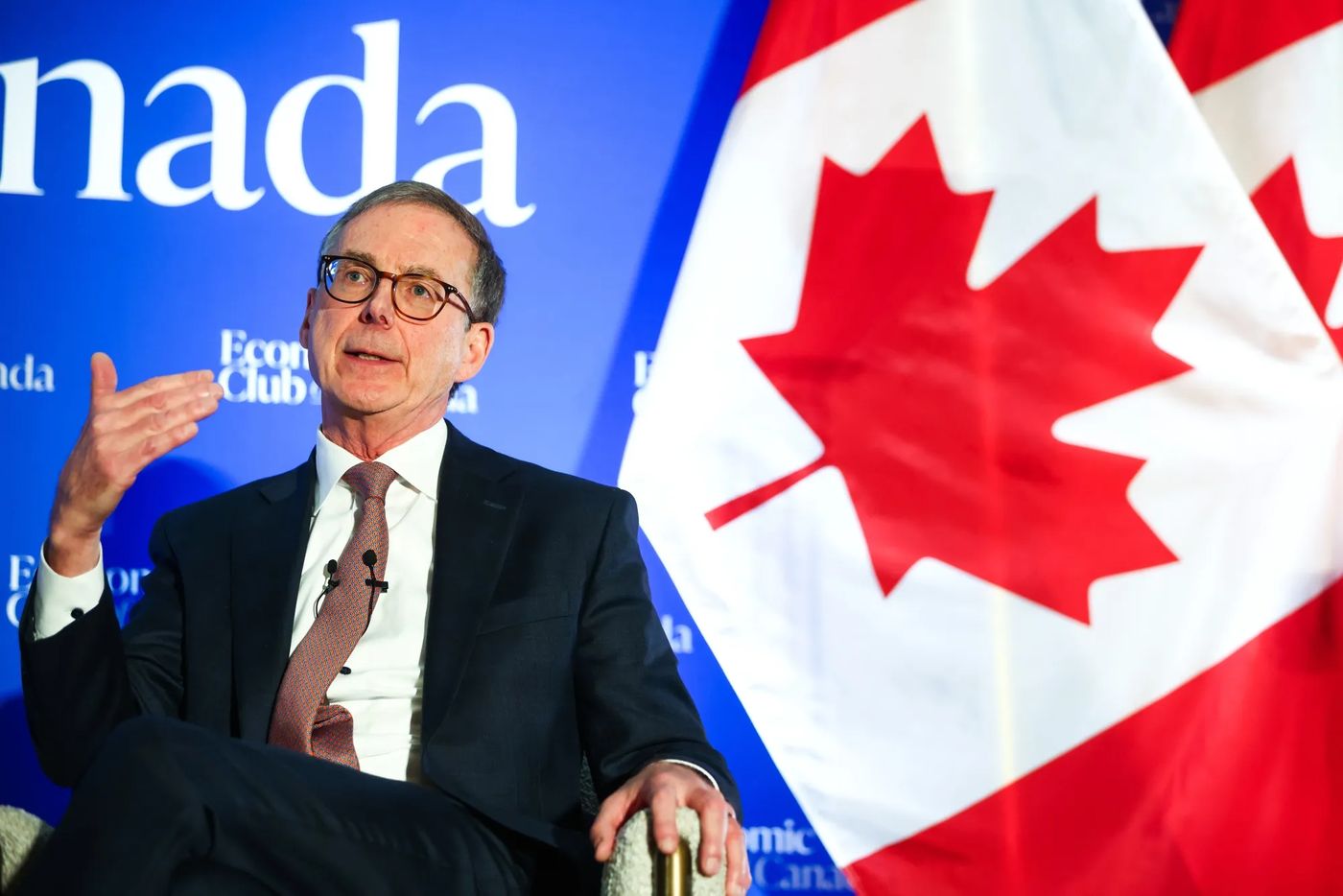
Macklem also addressed the current inflation outlook in a speech to the Economic Club of Canada in Toronto on Tuesday.
While he acknowledged the recent climbdown in global benchmark oil prices, he said that wasn't the only factor monetary policymakers were weighing.
"So far, businesses have largely absorbed the higher production and transport costs. But historical lags and our own business surveys suggest more pass-through to consumer prices in the year ahead. This second-round effect of the oil shock will add to inflation persistence," he said in prepared remarks.
CIBC chief economist Avery Shenfeld said in a note to clients on Tuesday that the governor seemed to be downplaying the disinflationary impact of falling oil prices.
Shenfeld said Macklem's focus on lingering inflation risks suggests the central bank could be gearing up to deliver a second consecutive rate hike at its next decision on Dec. 9.
"There was no direct reference to the December meeting, but what was apparent was that the governor was going out of his way to not show any changes in his thinking from October whenever possible," he said.
Odds of a quarter-point hike from the Bank of Canada next month stood at 79 percent as of Tuesday, according to LSEG Data & Analytics. That's up from nearly 63 percent on Monday.
Macklem said Tuesday the Bank of Canada will be weighing next week's releases of gross domestic product data for the third quarter and November labour market figures before deciding what to do at its final policy rate decision of the year.
e2gold.ca reported in November that Tiff Macklem will not seek a second term as Bank of Canada governor.
This story was written by the e2gold.ca newsroom from reporting by BNN Bloomberg, Yahoo News, BOE Report and St. Catharines Standard. Quotes are checked word for word against that reporting.