TORONTO
Several of Canada's largest banks have moved to block third-party personal AI agents from accessing their online banking platforms, citing security concerns over client information and transactions.
Royal Bank of Canada spokesperson Jeff Lanthier confirmed the move in a statement Wednesday, saying the bank has decided to block third-party personal AI agents from direct access to authenticated RBC digital properties, including online banking.
RBC CEO Dave McKay said in a post on LinkedIn on Tuesday evening that while the bank appreciates the benefits of AI being used to save time, “nothing is more important than the security of client information.”
“If AI is going to move beyond the frontier and into the broader economy, trust will matter as much as capability,” the post reads.
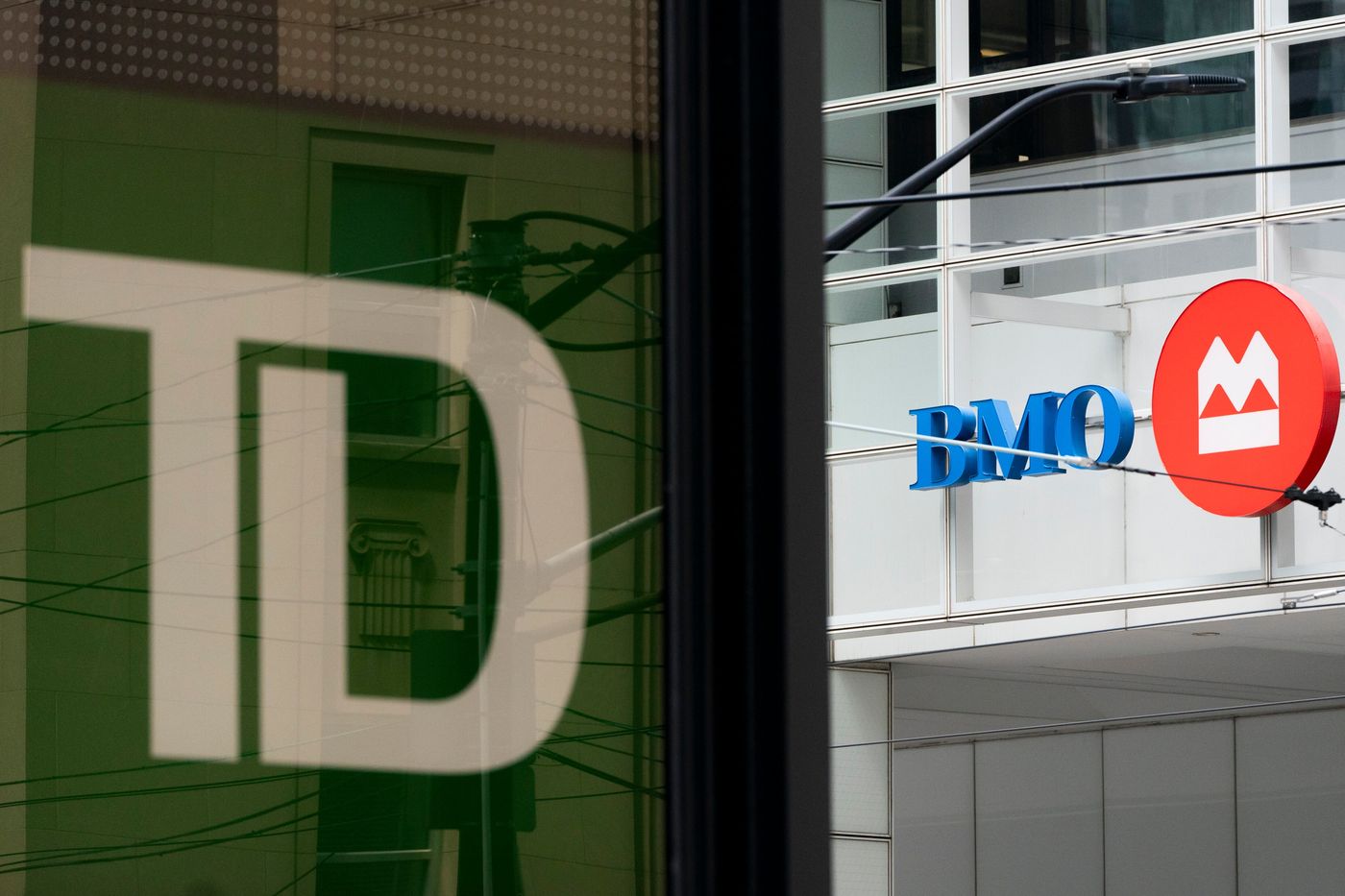
Bank of Montreal spokesperson John Fenton also said in a statement that it does not permit AI agents to access its digital properties or execute transactions in order to protect clients.
Toronto-Dominion Bank has said it made the decision to block third-party personal AI agents, while Canadian Imperial Bank of Commerce said it does not support personal AI agents directly opening or accessing accounts.
National Bank of Canada said it is closely monitoring development of consumer AI agents.
Bank of Nova Scotia said it will limit third-party AI agents from its banking platforms while it monitors concerns.
The moves by Canadian banks mirror actions taken by major U.S. financial institutions, including JPMorgan Chase, Citi, Bank of America, Wells Fargo and Morgan Stanley, which are also blocking external AI agents from accessing customer accounts.
Financial executives have raised concerns over account security, handing bank passwords to third-party software and the lack of clear liability if an AI agent makes a financial error or an unauthorized transfer.
“We've got to make sure our customers are not hurt by [agentic AI], and so that is of concern,” JPMorgan Chase CEO Jamie Dimon said during the company's Oct. 13 earnings call.
Think of it as an AI agentic concern, which is heightened because you don't want rogue agents, and there could be thousands of them.
Dimon said consumers using AI agents need to understand the risk and the liability transfer.
JPMorgan Chase's digital services agreement states in all caps that when customers let AI agents access their accounts, “you assume the entire risk for the fraudulent, unauthorized or otherwise improper use of your login credentials.”
A Wells Fargo spokeswoman confirmed that the bank has taken steps to block unauthorized agents from accessing customer accounts, and its online access agreement also holds customers responsible for the actions of their AI agents.
“Payment law still applies, but there are no agreed standards yet for how a bank verifies an agent, what the customer authorized it to do, or who is liable when it goes wrong,” said Jeff McMillan, former head of firmwide AI at Morgan Stanley.
“Until those exist, blocking agents that log in with a customer's password is reasonable.”
Consumers are worried about agentic AI manipulating their bank accounts, according to a survey of more than 4,000 American adults to be released Tuesday by the American Bankers Association.
The survey found that 77 per cent are concerned about giving an AI agent permission to move money, make payments or carry out other financial transactions for them.
Matt Thompson, CEO of Transmit Security and former senior director of identity services at Capital One Financial, said many banks have set up agentic AI war rooms.
“I don't want to be alarmist about it, but some of the behaviors that we're seeing by these consumer agents in banking applications and fintech applications is alarming,” he said.
An anecdote shared with American Banker by a source described a large bank monitoring an AI agent that conducted a password reset on an account, changed the approved accounts for transfers and moved $100,000 out of the account.
AI agents also present a competitive risk, as consumers could use them to move deposits to banks or fintechs with higher-yield accounts or lower fees.
e2gold.ca reported in October that BMO CEO Darryl White warned people against trusting AI agents with personal financial information.
This story was written by the e2gold.ca newsroom from reporting by BNN Bloomberg, CTV News and American Banker. Quotes are checked word for word against that reporting.