Canadians can legally buy cryptocurrency through regulated exchanges or money services businesses. The process involves choosing a platform, verifying your identity, funding your account, and making a purchase. Cryptocurrency is not legal tender in Canada and is not issued or overseen by a government or central bank. Understanding the regulatory environment and inherent risks is essential for anyone considering purchasing digital assets.
The Legal and Regulatory Framework
Buying cryptocurrency is legal in Canada, but it operates within a specific regulatory framework. The Canadian Investment Regulatory Organization requires that cryptocurrency trading platforms operating in Canada comply with securities rules where applicable. At the federal level, any business dealing in virtual currency must register as a Money Services Business with the Financial Transactions and Reports Analysis Centre of Canada. This registration mandates compliance with anti-money laundering and anti-terrorist financing regulations. Cryptocurrency assets are not considered legal tender in Canada, meaning no government or central bank issues or backs them. Provincial regulators also play a significant role, with the Ontario Securities Commission having declared that many crypto trading platforms are considered securities dealers. This provincial oversight has led to several international exchanges either registering with Canadian authorities or restricting services for Ontario residents.
The regulatory landscape took a significant step forward in February 2021 when the Ontario Securities Commission approved the Purpose Bitcoin ETF. This approval made Canada the first nation in the G7 to offer a spot cryptocurrency exchange traded fund. An ETF is a fund comprised of one or more cryptocurrencies that tracks their price, allowing investors to gain exposure without holding the asset directly. This regulatory milestone preceded similar approvals in the United States by nearly three years. The approach demonstrates that Canadian authorities regulate cryptocurrency seriously but do not default to blocking innovation. For the average Canadian buyer, this means using a platform that is registered with FINTRAC and, if necessary, provincial securities regulators is the clearest and most compliant path to purchase.
Choosing a Platform or Exchange
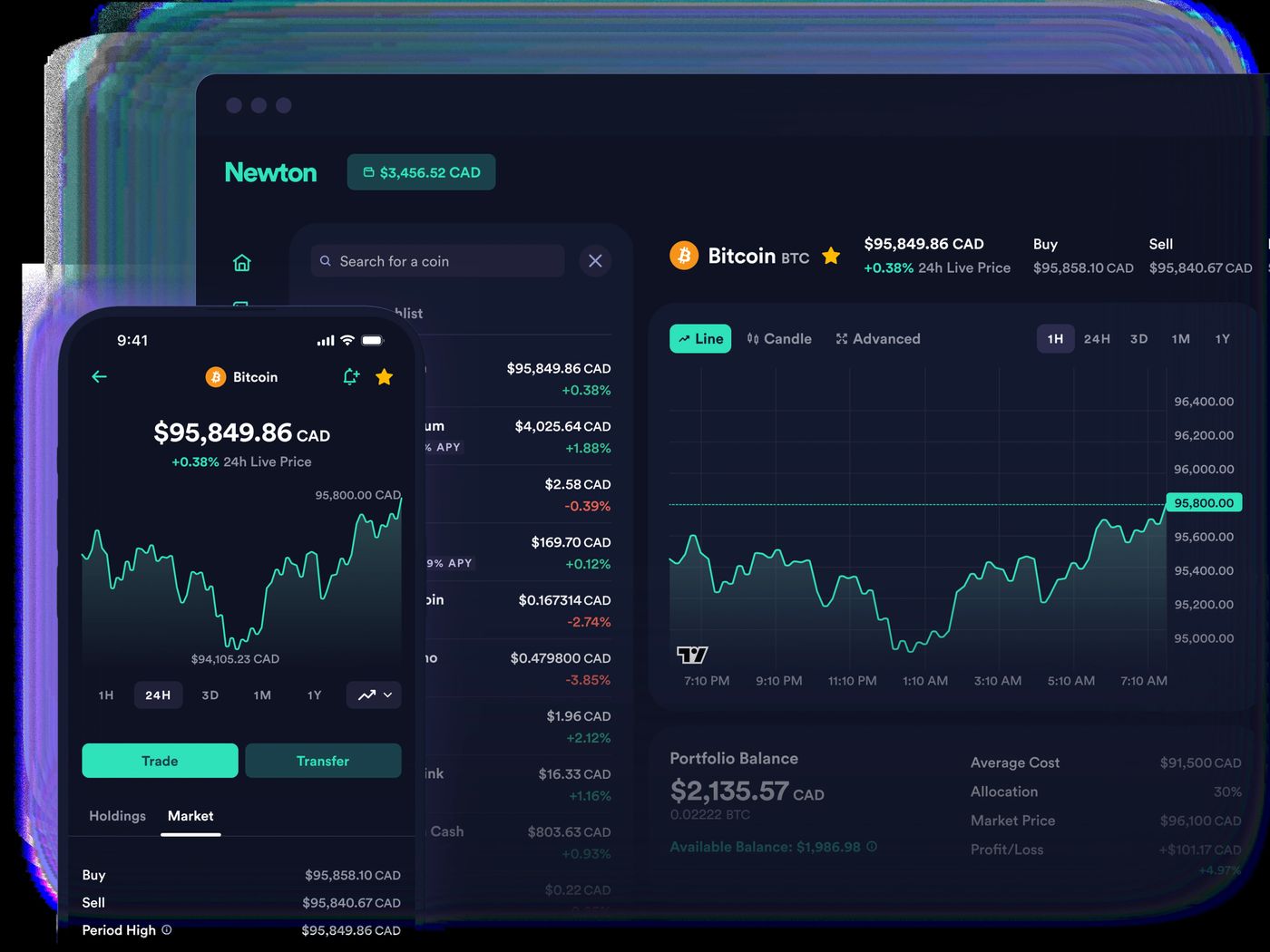
The primary method for Canadians to buy cryptocurrency is through a digital asset trading platform, often called an exchange or a money service business. These platforms act as intermediaries, allowing you to use Canadian dollars to purchase various cryptocurrencies like Bitcoin and Ethereum. A key distinction is between regulated and unregulated platforms. Regulated platforms in Canada are those registered with FINTRAC as a Money Services Business and may also be registered as a securities dealer with provincial authorities, such as being a member of the Canadian Investment Regulatory Organization. Using a regulated platform can offer greater assurances regarding operational standards, security, and compliance with Canadian law. Some platforms also offer the ability to purchase cryptocurrency ETFs through a standard investment account, providing an alternative that some investors may find familiar.
Platforms vary in their features, fee structures, and available cryptocurrencies. Common features include the ability to set up recurring automatic purchases, place limit orders to buy or sell at a target price, and directly swap one cryptocurrency for another. Many platforms also offer staking services, which allow you to earn rewards on certain cryptocurrencies you hold by helping to secure their networks. It is important to review a platform's fee schedule, which often includes trading fees, spread costs, and potential foreign exchange fees if trading in United States dollars. Security measures are another critical factor, with reputable platforms storing the majority of customer assets in offline cold storage and often holding insurance against theft or hacking, though this insurance is not a government guarantee.
Step-by-Step Purchase Process
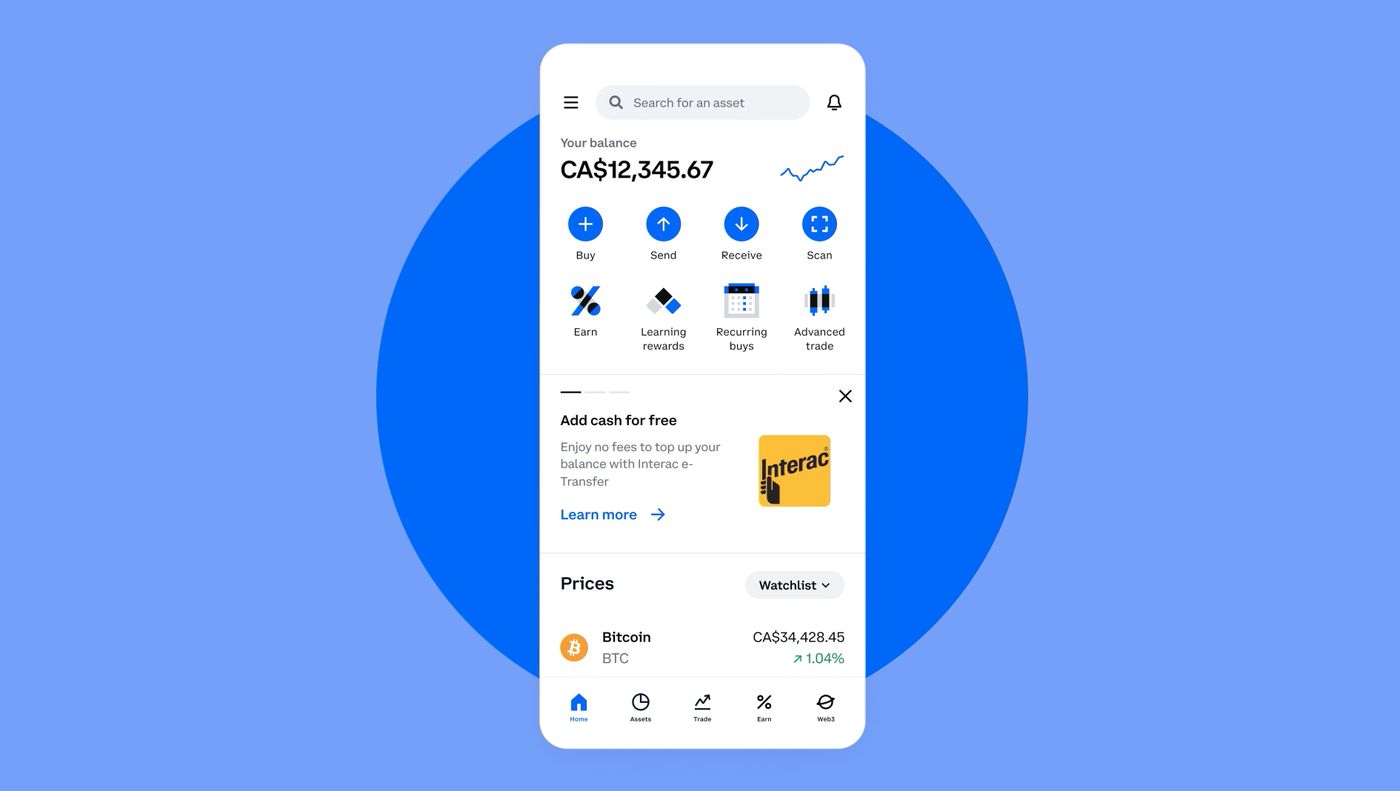
Once you have selected a platform, the process to buy cryptocurrency follows a series of standardized steps. The first step is to create an account on your chosen platform, which typically requires providing an email address and a phone number. The next and most important step is identity verification, known as Know Your Client procedures. This process is mandatory for regulated platforms and involves submitting government-issued identification to comply with anti-money laundering regulations. After your identity is verified, you must fund your account before you can make a purchase. Funding methods vary by platform but commonly include Interac e-Transfer, electronic funds transfer, wire transfer, and sometimes credit or debit cards. Some platforms allow instant deposits up to certain limits, such as $50,000 for basic clients, once your account is approved.
With funds in your account, you can proceed to buy cryptocurrency. You can usually buy a specific Canadian dollar amount of a crypto asset, meaning you do not need to purchase a whole coin. The platform will execute the trade at the current market rate, minus any applicable fees. After the purchase, the cryptocurrency is credited to your account on the platform. You then have a choice to leave your assets in the platform's custodial wallet or transfer them to a private cryptocurrency wallet you control. The entire process, from sign-up to purchase, can often be completed in minutes, with some platforms allowing you to start with as little as $10.
- Create an account with your email and phone number.
- Complete identity verification with government-issued ID.
- Fund your account via Interac e-Transfer, bank transfer, or card.
- Select the cryptocurrency and amount you wish to purchase.
- Review the transaction details, including fees and exchange rate.
- Confirm the purchase to execute the trade.
- Choose to store assets on the platform or transfer to a private wallet.

Funding Methods and Associated Costs
Understanding how to fund your account and the associated costs is crucial for managing your investment. Interac e-Transfer is one of the most popular and often fee-free methods for adding Canadian dollars to a crypto platform. Electronic funds transfer and wire transfers are also common for larger deposits. Some platforms allow direct purchases using a credit card, debit card, or PayPal, though these methods may incur additional processing fees. A significant cost consideration involves foreign exchange. If you fund your account in Canadian dollars but trade cryptocurrencies paired with United States dollars, you may be subject to a foreign exchange fee, which can be as high as 1.5% on some platforms. To avoid this, some services offer United States dollar accounts, though these may have a monthly fee for certain client tiers.
The primary cost of trading is the platform's fee structure. This often consists of a flat trading fee, such as 0.5%, plus the spread, which is the difference between the buying and selling price of the asset. Some platforms offer reduced fees for high-volume traders. If you engage in staking to earn rewards on your crypto, the platform will typically charge a fee equal to a percentage of the rewards you receive. It is important to note that while some platforms advertise zero commission fees for trades in Canadian dollars, they still generate revenue from the spread. Always review the full fee schedule provided by the platform before trading to understand the total cost of your transactions.
Security, Storage, and Insurance
Security is a paramount concern when dealing with cryptocurrency due to its digital and irreversible nature. Reputable Canadian platforms employ multiple layers of security to protect client assets. The standard practice is to hold the majority of customer cryptocurrency in offline cold storage, which is not connected to the internet and is therefore much less vulnerable to hacking. The remaining fraction needed for daily trading is kept in online hot wallets. These security measures are often backed by insurance policies held by the platform or its custodial partners. For example, some partners have over $75 million in cold storage insurance coverage each. However, this private insurance is distinct from government-backed protection schemes.
It is critical for Canadian investors to understand what is and is not insured. Cryptocurrency assets held in an account with a crypto platform are not protected by the Canadian Investor Protection Fund, which covers traditional investment accounts at CIRO member firms. They are also not covered by the Canada Deposit Insurance Corporation, which insures bank deposits. In the event of a platform's insolvency, your crypto assets may be held in trust, but recovery is not guaranteed by a federal agency. This underscores the importance of platform security and, for some users, the practice of self-custody. Self-custody involves transferring your purchased cryptocurrency off the exchange and into a private wallet where you control the private keys, assuming full responsibility for their security.
Understanding the Risks of Cryptocurrency
Cryptocurrency is a highly volatile and speculative asset class. Unlike traditional investments, its value is not tied to corporate earnings or economic fundamentals but is largely driven by market sentiment, news cycles, and adoption trends. This can lead to extreme price swings in short periods, making it a risky investment where you can lose a significant portion of your capital. The assets are also largely unregulated compared to stocks and bonds, meaning there is less oversight of market practices and no central authority to appeal to in case of disputes or fraud. Over the years, several high-profile cryptocurrency lending platforms and exchanges have collapsed into bankruptcy, resulting in substantial investor losses.
Other risks include the potential for hacking and theft, despite platform security measures. The pseudo-anonymous nature of blockchain transactions has also made cryptocurrency a tool for illicit activities, though all transactions are publicly recorded and traceable on the blockchain. Environmental concerns related to the energy consumption of certain cryptocurrency mining processes are another consideration. Furthermore, so-called stablecoins, which are designed to maintain a stable value by referencing an external asset like the United States dollar, can still fluctuate and may not always redeem at their intended value. Anyone buying cryptocurrency must acknowledge these risks and only invest capital they are prepared to lose.
Cryptocurrency ETFs as an Alternative
For investors seeking exposure to cryptocurrency without directly buying and storing the digital assets, cryptocurrency exchange traded funds present a regulated alternative. A cryptocurrency ETF is a fund that holds one or more cryptocurrencies, and its shares trade on a traditional stock exchange. Canada was a pioneer in this space, with the Ontario Securities Commission approving the first spot Bitcoin ETF in February 2021. This made Canada the first G7 country to offer such a product. Buying a Bitcoin ETF through a standard brokerage account is similar to buying a stock or a traditional ETF.
This method offers several differences from buying crypto directly on an exchange. The investment is held within a registered investment account, which may be familiar to many Canadians. The assets are custodied by the fund manager, eliminating the need for personal wallet management. Furthermore, cryptocurrency ETFs are subject to securities regulations, providing a layer of regulatory oversight. However, investors still bear the market risk of the underlying cryptocurrency's price volatility. Management fees for these ETFs exist, such as a 0.35% fee for one fund, and the price of the ETF shares will fluctuate daily just like the crypto assets they track.
Common Mistakes to Avoid
New investors often make avoidable errors when entering the cryptocurrency market. A frequent mistake is neglecting to complete the full identity verification process, which is required by law for regulated platforms and will prevent you from funding your account or withdrawing funds. Another error is not understanding the total fee structure, including trading fees, spreads, and potential foreign exchange costs, which can erode investment returns. Investors sometimes also confuse platform insurance with government protection, not realizing that crypto assets are not covered by the Canadian Investor Protection Fund or Canada Deposit Insurance Corporation.
Failing to secure access to your account with strong, unique passwords and two-factor authentication is a major security oversight. Some users also rush into trades without a basic understanding of the asset's volatility or the technology behind it. Finally, a significant mistake is sending cryptocurrency to the wrong wallet address. Blockchain transactions are irreversible, and if you send funds to an incorrect address, they are likely lost forever. Taking time to research, double-check all transaction details, and start with small amounts can help mitigate these common pitfalls.
Frequently asked questions
What is the minimum amount needed to buy crypto?
The minimum amount varies by platform. Some Canadian exchanges allow you to get started with as little as $10. You do not need to buy a whole coin. You can purchase a fraction of a cryptocurrency. The trade value for Bitcoin pairs must typically be equal to or over 0.0001 Bitcoin.
What are the tax implications of buying crypto in Canada?
The Canada Revenue Agency treats cryptocurrency as a commodity for tax purposes. Buying cryptocurrency with Canadian dollars is not a taxable event. However, selling, trading, or spending cryptocurrency is a disposition that may trigger a capital gain or loss, which must be reported on your income tax return. Using cryptocurrency to pay for goods or services is also considered a barter transaction.
Is it legal to buy Bitcoin in Canada?
Yes, it is perfectly legal to purchase Bitcoin and other cryptocurrencies in Canada. The clearest legal way is through a regulated exchange or money service business. These entities, such as Wealthsimple Crypto, are members of the Canadian Investment Regulatory Organization (CIRO) and registered with FINTRAC. It is important to note that crypto assets are not legal tender in Canada, meaning no government or central bank issues or oversees them. However, they are treated as legal commodities and can be legally bought, sold, and traded.
What is the safest way to buy cryptocurrency?
The safest way to buy cryptocurrency in Canada is through a regulated and reputable exchange platform. Platforms like Bitbuy and Wealthsimple Crypto are established, trusted, and operate with regulatory guidance. They implement strong security measures, including storing the majority of customer assets in offline cold storage with insured custodial partners. Using a regulated platform reduces risk compared to unregulated options, as these companies work with Canadian regulators and provide secure onboarding and customer support.
Are my cryptocurrency investments insured?
Cryptocurrency assets held with an exchange are not protected by government insurance schemes like the Canadian Investor Protection Fund or the Canada Deposit Insurance Corporation. However, some platforms provide private insurance coverage. For example, Wealthsimple's custodial partners have over $75 million in cold storage insurance each to protect against crimes like theft or hacks. It is crucial to understand that this insurance is private and not a government guarantee, and you assume the risk of platform insolvency.
Can I buy a Bitcoin ETF in Canada?
Yes, you can buy a Bitcoin exchange traded fund (ETF) in Canada. A Bitcoin ETF tracks the price of Bitcoin and can be purchased through a standard online brokerage account, such as a TD Direct Investing account. This provides a way to gain exposure to Bitcoin's price without directly holding the cryptocurrency. Buying a Bitcoin ETF is considered an alternative method for Canadians to invest in the crypto asset class through a more traditional investment vehicle.
Sources and further reading
- Buy & sell crypto on Canada's first regulated platform wealthsimple.com
- What is Cryptocurrency? | TD Direct Investing td.com
- Buy Bitcoin Canada, Best Cryptocurrency Exchange | Bitbuy® bitbuy.ca
- Coinbase Canada, Buy & Sell Bitcoin, Ethereum, and ... coinbase.com
- Buy Bitcoin in Canada banxa.com
This article explains how things work and is not financial, tax or legal advice. Rules, limits and rates change, so check the current figures with the Canada Revenue Agency, your province or your financial institution before you act.