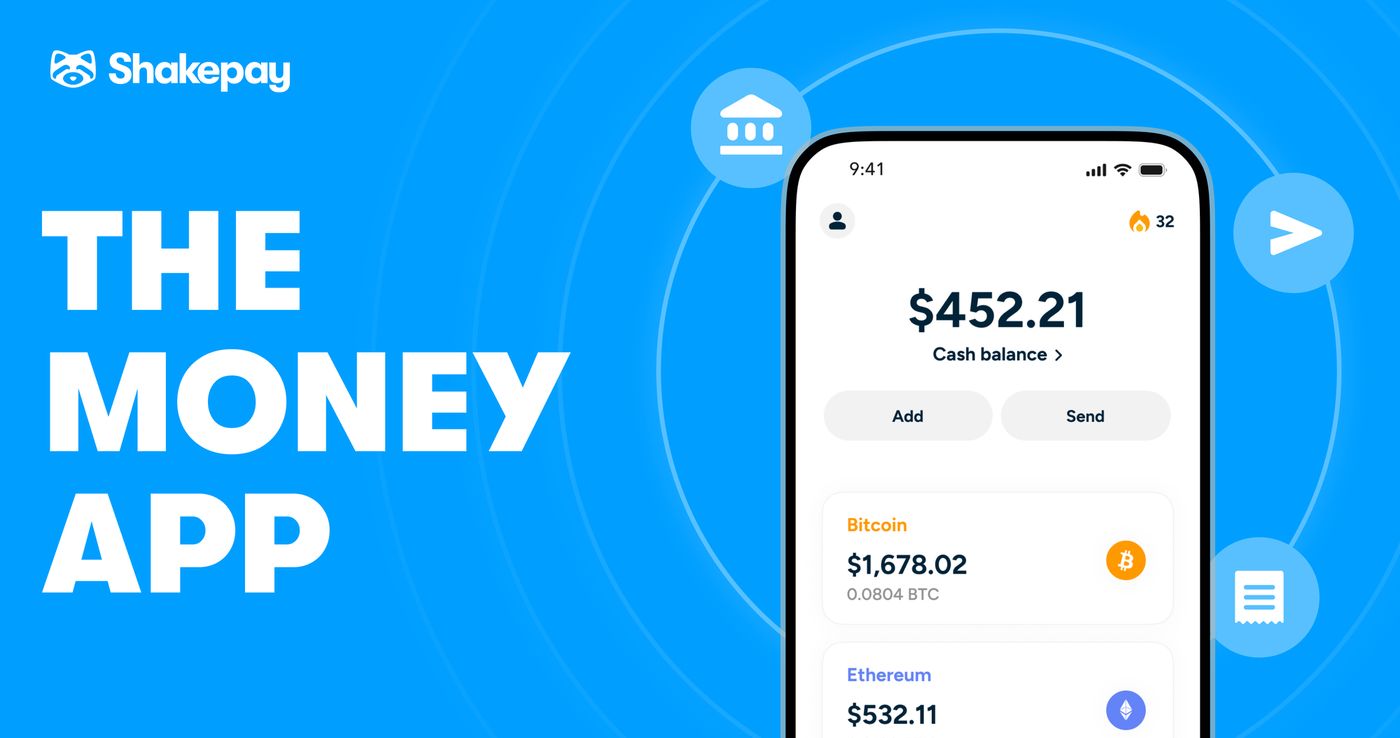
Shakepay is a Canadian financial technology company that operates a regulated platform for buying, selling, and earning Bitcoin and Ethereum. Trusted by more than one million Canadians, the Shakepay app combines traditional money movement with digital assets, allowing users to pay friends, fund accounts via Interac e-Transfer, and spend using a prepaid Visa card. The company is a member of the Canadian Investment Regulatory Organization and is registered as an investment dealer across all provinces and territories. For Canadians, Shakepay represents a bridge between conventional banking and the emerging world of cryptocurrency, providing a regulated on-ramp to digital assets that is integrated with daily financial activities.
What Shakepay Is and How It Works
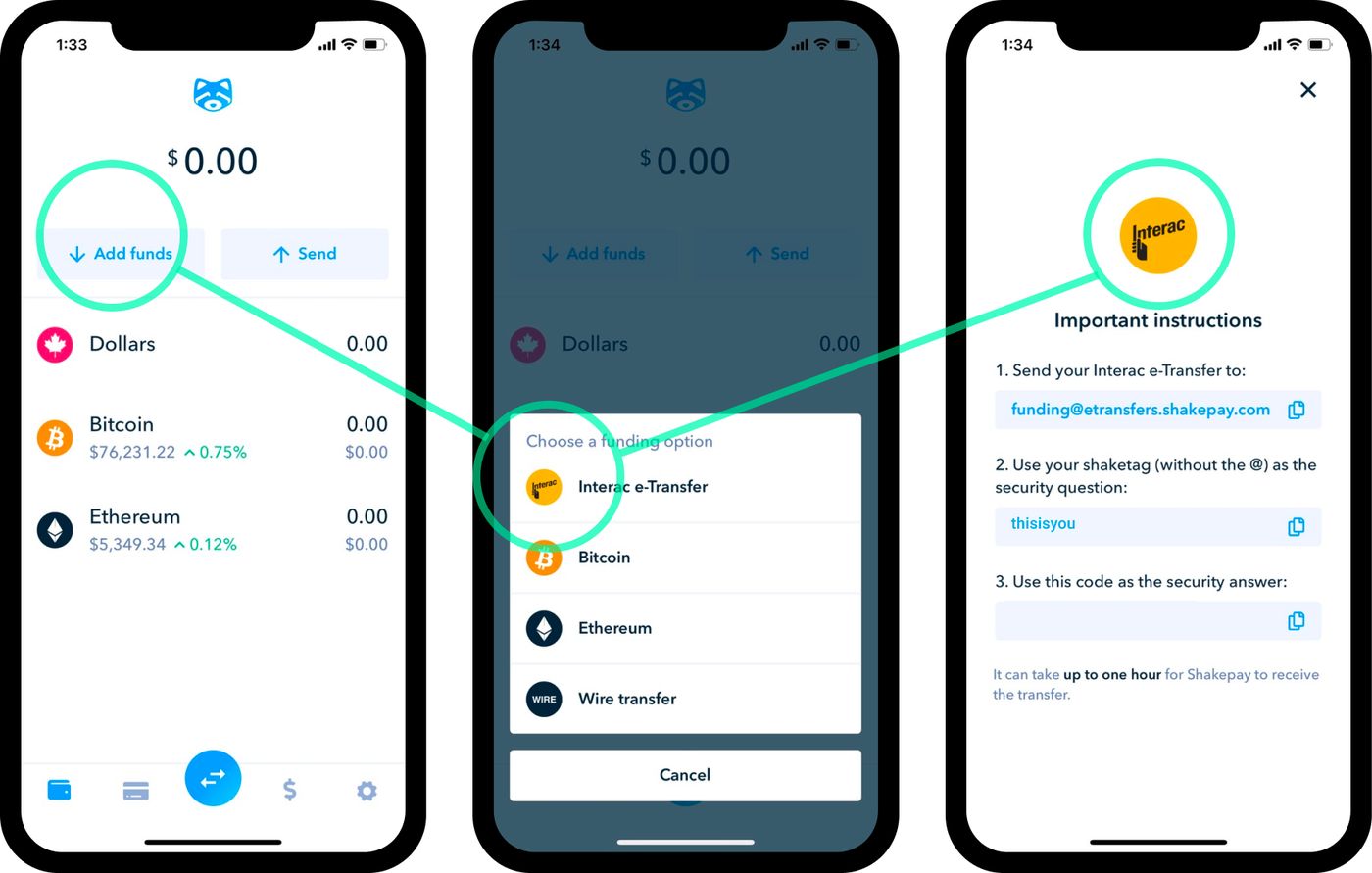
Shakepay is a mobile and web-based platform that functions as a cryptocurrency exchange and a digital money app for Canadian residents. Its core service allows users to buy, sell, and hold Bitcoin and Ethereum, and the platform is designed for simplicity, enabling funding through Interac e-Transfer with no fees for deposits or withdrawals. Once funds are in a user's Canadian dollar balance, they can be converted to cryptocurrency, sent to friends, or used for spending with the Shakepay Visa Prepaid Card. Shakepay also facilitates peer-to-peer Canadian dollar transfers between users, blending social payments with crypto access, and the company's stated mission is to accelerate the widespread adoption of Bitcoin, which it views as a superior savings mechanism compared to traditional fiat currency. The company believes Bitcoin's limited supply allows individuals to save and build wealth, enabling long-term planning and investment for the future, and it aims to help usher in what it terms a bitcoin golden age through widespread adoption.
Beyond basic trading, Shakepay incorporates gamified elements to encourage engagement, most notably the "shake streak" where users can shake their phone daily within the app to earn small amounts of bitcoin, with rewards increasing for consecutive days. Another feature is "Shakepaid," where random card purchases are reimbursed in bitcoin, and the platform also supports ShakeSquads, which are groups where members can combine their shake streaks for additional rewards. For security, Shakepay requires two-factor authentication and supports passkeys, and it allows users to disable their account remotely if their phone is lost, while customer support is accessible through the app, and the company maintains community forums on Discord, X, and Reddit. The platform's operational model as a crypto asset trading platform means it facilitates the trading of instruments or contracts involving crypto assets, where the user's contractual right to the crypto asset may constitute a security or derivative, known as a Crypto Contract, and it has applied for registration as a restricted dealer under this framework.
The Shakepay Visa Prepaid Card
The Shakepay Visa Prepaid Card is a central feature that links a user's cryptocurrency holdings to everyday spending, and it is a reloadable prepaid card issued by Peoples Trust Company under license from Visa. The card allows users to spend their Shakepay Canadian dollar balance online, in physical stores, and at participating ATMs wherever Visa prepaid cards are accepted, and users can obtain a virtual card for use with Apple Pay or Google Pay, and they can also order a physical card for chip and PIN transactions. To use the card, users must first fund their Shakepay account via Interac e-Transfer, as the card draws directly from the Canadian dollar balance, and purchases with the Shakepay Card can earn up to 2 percent back in bitcoin rewards, depending on the terms and conditions. The card has specific daily and monthly spending limits, with the daily limit of $5,000 resetting at midnight UTC, which is 7 PM Eastern Standard Time, and it is important to note that the card cannot be used directly with a cryptocurrency balance, so users must first sell their Bitcoin or Ethereum within the app to Canadian dollars before those funds become available for card spending.
The card does not support certain transaction types, including gambling, lotteries, casinos, non-sport internet gaming, quasi-cash, and money transfer transactions such as securities, bonds, and travellers cheques. For use outside Canada, a 3 percent foreign transaction fee applies to purchases made abroad at any in-store or online merchant that supports Apple Pay, Google Pay, or prepaid Visa, and the virtual card cannot be used at ATMs, while the physical card can be used at ATMs with potential operator fees. All transactions first appear as pending before being processed by the merchant, and it can take up to 30 days for a pending transaction to settle, with duplicate pending transactions occasionally occurring with specific merchants like Uber Technologies Inc., which can take up to 14 days to resolve and release the held funds. The Shakepay Card is available only for individual consumer accounts, not commercial accounts, and using the card does not impact a user's credit score as it is a prepaid product, and the card details can be found in the app's card tab by swiping the card image and verifying identity with device unlock.
Regulatory Framework and Compliance in Canada
Shakepay operates within a strict regulatory environment in Canada, and it is a member of the Canadian Investment Regulatory Organization and is registered as an investment dealer with the Autorité des marchés financiers in Quebec and with securities regulators in all other provinces and territories. This registration subjects the platform to national investor protection rules, and additionally, Shakepay is licensed as a Money Services Business by the Financial Transactions and Reports Analysis Centre of Canada, which covers its activities in dealing with virtual currencies and money transferring. The company has received time-limited regulatory relief to operate while seeking full registration, which includes exemptions from certain prospectus and suitability requirements, subject to conditions like investment limits and disclosure obligations, and this relief is tailored to its specific circumstances to foster innovation. As a regulated entity, Shakepay is required to collect and verify user identity information, and it must retain client records, including driver's licence and video verification data, for six years after an account is closed, in compliance with FINTRAC and AMF regulations, which is a standard requirement for anti-money laundering purposes.
In 2025, Shakepay achieved a significant milestone by becoming a member of Payments Canada, which provides the company with direct access to Canada's core payment systems like ACSS and Lynx, and this is a step toward enabling faster and more secure transactions for its users. The company has highlighted the upcoming Real-Time Rail system as a future development that will enable instant payroll, easier international transfers, and smoother daily payments. This membership is part of a broader strategy to transform how Canadians move money by creating a financial experience that blends traditional banking with digital assets, and the company states that broader access to payment systems drives competition, innovation, lower fees, and improved service quality. Shakepay's regulatory journey reflects the Canadian Securities Administrators' approach to crypto asset trading platforms, aiming to balance facilitating innovation in capital markets with upholding investor protection and fair markets, and the firm has stated that its five-year vision is to help make Bitcoin a meaningful part of everyday finance through responsible regulation and tool development.
Account Setup, Verification, and Transaction Limits
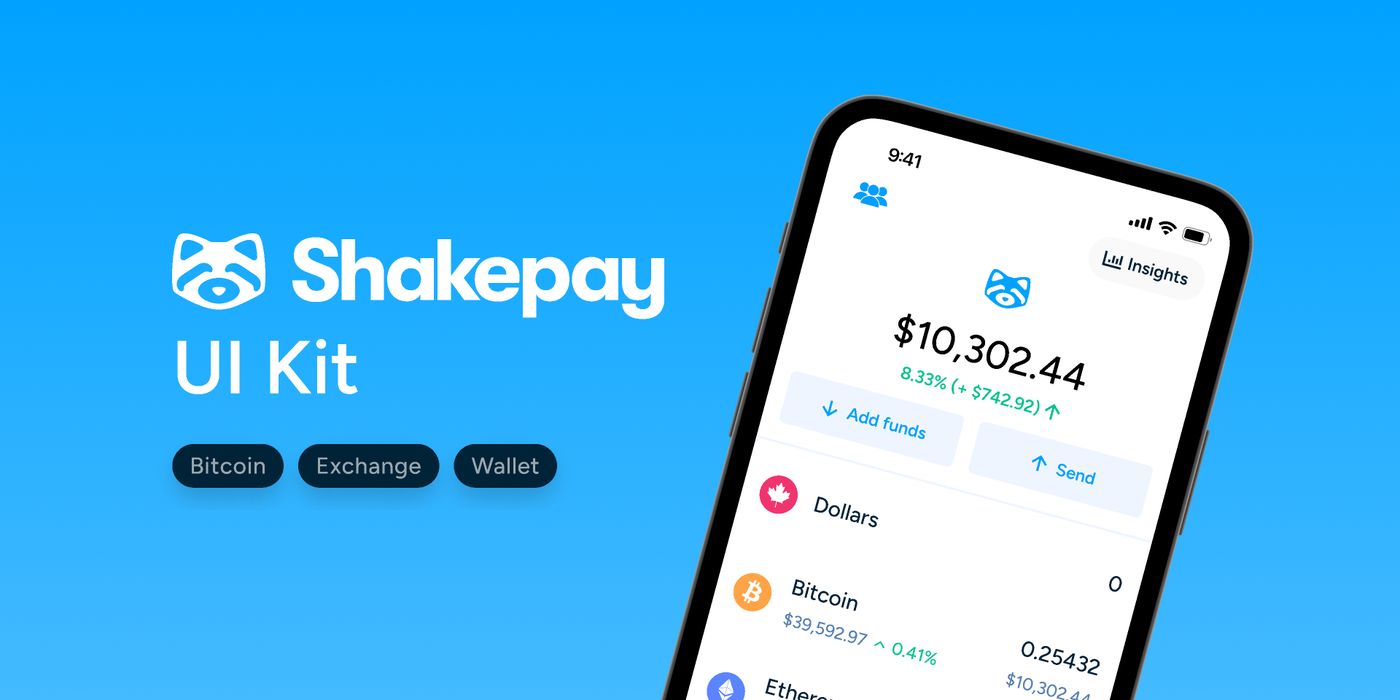
To create a Shakepay account, Canadian residents must provide personal information for identity verification, a process mandated by anti-money laundering regulations which typically includes submitting a government-issued ID and sometimes a short video. Verification times can vary, with some users reporting it takes up to 24 hours, and once verified, users can fund their account instantly using Interac e-Transfer, a widely used Canadian banking feature. Shakepay states it covers transaction fees like miner or gas fees when users transfer bitcoin or ether to an external wallet, and the platform and its card have specific limits in place for security and operational control. The Shakepay Card has a daily spending limit, which resets at 7 PM Eastern Time based on the UTC midnight reset, and for security, Apple and Google Pay transactions via the card have a standard tap and pay limit of $250 per transaction, which is imposed by the mobile wallet providers, not Shakepay.
The following table outlines key operational details, limits, and requirements associated with Shakepay services. These are compiled from the platform's stated policies and regulatory notes. Shakepay is a registered money services business with FINTRAC and an investment dealer with provincial securities authorities. The platform allows users to buy, sell, send, and earn Bitcoin and Ethereum. It is trusted by more than one million Canadians for these financial activities.
| Feature | Detail |
|---|---|
| Account Funding | Interac e-Transfer, no fees |
| Withdrawals | Interac e-Transfer, no fees |
| Crypto Transfer Fees | Covered by Shakepay to external wallets |
| Card Foreign Transaction Fee | 3% on purchases outside Canada |
| Card ATM Use | Allowed with physical card, operator fees may apply |
| Card Daily Limit | $5,000, resets at midnight UTC (7 PM EST) |
| Record Retention Period | 6 years after account closure |
| Regulatory Relief Period | Time-limited, expires after 2 years from decision |
| Supported Crypto Assets | Bitcoin and Ethereum |
| Business Model Revenue | Spread between buy/sell crypto prices |
Users should be aware that while Shakepay does not charge funding or withdrawal fees, the platform earns revenue through the spread between the buy and sell prices of cryptocurrencies. For card transactions, refunds and duplicate pending charges can take time to resolve. For instance, duplicate transactions with merchants like Uber can take up to 14 days for the funds to be released. Shakepay must wait for the merchant to revert the transaction before processing a refund to the user's Canadian dollar balance. Furthermore, because Shakepay is regulated by FINTRAC and the AMF, it is required to keep users' information for six years after closing their accounts. This is a compliance obligation even if a user requests account deletion.
Tax Treatment and Reporting for Canadian Users
In Canada, cryptocurrencies like Bitcoin and Ethereum are treated as commodities by the Canada Revenue Agency, and this means any transaction involving them can trigger a taxable event that must be reported. When a user sells, trades, or spends cryptocurrency, they must calculate and report any capital gain or loss for income tax purposes, and using the Shakepay Card to make a purchase by first selling crypto to Canadian dollars is considered a disposition of that crypto asset. The fair market value of the cryptocurrency at the time of the sale must be used to determine the adjusted cost base and the resulting capital gain or loss, and this applies to any transfer of crypto to an external wallet if it constitutes a disposal. Earning bitcoin through Shakepay's reward features, such as the daily shake streak or Shakepaid reimbursements, is also considered taxable income, and the value of the bitcoin received at the time it is earned must be reported as ordinary income on the user's tax return.
Furthermore, if a user earns bitcoin rewards on card purchases, that bitcoin is considered income at its fair market value when received, and Canadians using Shakepay are responsible for tracking all their transactions and maintaining records to accurately report these activities on their annual tax returns. The platform may provide annual transaction summaries, but users should consult with a tax professional for specific guidance, especially given the complexity of calculating cost basis across multiple transactions. It is crucial for users to understand that every interaction with cryptocurrency on the platform, from earning rewards to spending, has potential tax implications that they are legally obligated to address. Failure to report these transactions can result in penalties and interest charges from the Canada Revenue Agency, so maintaining detailed records of all dates, amounts, and values is essential for compliance.
Risks and Considerations for Canadian Investors
Using Shakepay involves several risks common to cryptocurrency platforms and specific to its operational model, and the primary risk is market volatility, as the value of Bitcoin and Ethereum is highly volatile and investors can experience significant losses. While Shakepay is a regulated entity, this does not eliminate market risk or guarantee the value of crypto assets, and there is also counterparty risk, as users' Canadian dollar balances and cryptocurrencies are held by Shakepay, not in a user's private wallet. Although the company is regulated, it is not a chartered bank, and funds are not covered by the Canada Deposit Insurance Corporation, which means there is no government-backed deposit insurance on balances held within the app. Operational and security risks are also present, as users must safeguard their account credentials and enable two-factor authentication, and the requirement for extensive personal identification for verification, while regulatory, raises privacy considerations for some users.
As noted, Shakepay is obligated to retain personal data for six years even after account deletion, which includes driver's licence and video verification, and this is a compliance requirement that users must accept. Technical issues, such as delayed Interac e-Transfer deposits or pending card transactions that can take up to 30 days to settle, have been reported by some users, and the platform's reliance on a prepaid card also comes with limitations, including merchant acceptance of prepaid Visas and restrictions on transaction types. The platform operates under a time-limited regulatory exemption that will expire after two years, after which it must secure full registration, and this interim status, while designed to foster innovation, introduces a degree of regulatory uncertainty. Users should carefully review the following key risks before using the platform.
- Market Volatility: Cryptocurrency prices can fluctuate wildly, leading to potential loss of capital.
- Counterparty Risk: Assets are held by Shakepay, not in a user's private wallet, exposing users to platform solvency.
- Regulatory Compliance: Mandatory KYC verification and data retention for 6 years, with no option for early deletion.
- Technical Delays: Potential for pending transactions, transfer delays, and duplicate charges with certain merchants.
- Card Limitations: Not accepted for all transaction types like gambling, has spending caps, and foreign transaction fees.
- Tax Complexity: Users are solely responsible for tracking, calculating, and reporting all crypto transactions for tax purposes.
- Interim Regulation: Operating under time-limited regulatory relief, with future registration status subject to change.
Prospective users should weigh these operational details against the convenience and features offered. They should only invest funds they are prepared to lose, given the inherent volatility of the crypto asset class. Understanding that regulation provides oversight but not asset protection is crucial for making an informed decision. The company's mission to promote Bitcoin adoption and help usher in a bitcoin golden age does not mitigate the financial risks involved in holding the asset. The platform is designed for buying, earning, and spending Bitcoin and Canadian dollars.
Frequently asked questions
Is Shakepay safe and regulated in Canada?
Yes, Shakepay is a regulated financial platform in Canada. It is a member of the Canadian Investment Regulatory Organization and is registered as an investment dealer with provincial securities authorities. It is also licensed as a Money Services Business by FINTRAC and is a member of Payments Canada. These registrations mean it must comply with Canadian securities laws and anti-money laundering regulations, which include safeguarding client assets and verifying user identities, though it is not a bank and funds are not CDIC insured.
How do I buy Bitcoin with Shakepay?
To buy Bitcoin, you first need to create and verify a Shakepay account, which requires providing personal identification such as a driver's licence and sometimes a video. Once verified, which can take up to 24 hours, you fund your account using an Interac e-Transfer from your Canadian bank account. There are no fees for this transfer. After the funds arrive in your Shakepay Canadian dollar balance, you can use the app to instantly purchase Bitcoin at the current market rate, with Shakepay earning revenue from the spread between buy and sell prices.
What is the Shakepay Card and how does it work?
The Shakepay Card is a Visa prepaid card issued by Peoples Trust Company that lets you spend the Canadian dollar balance in your Shakepay account. You can use it online, in stores that accept prepaid Visa, and at ATMs, and you can earn up to 2 percent back in bitcoin rewards on purchases. It is a prepaid card, so you can only spend the funds you have loaded via Interac e-Transfer or from selling crypto within the app, and it has a daily spending limit of $5,000 CAD. The card does not support transactions like gambling or money transfers, and a 3 percent fee applies to foreign purchases.
Are there fees to use Shakepay?
Shakepay does not charge fees for funding your account via Interac e-Transfer or for withdrawing Canadian dollars. The company also covers transaction fees like miner fees when you transfer bitcoin to an external wallet. Shakepay generates revenue from the spread between the buy and sell prices of cryptocurrencies. The Shakepay Card has a 3 percent foreign transaction fee on purchases made outside Canada, and while there are no Shakepay fees for ATM use, the ATM operator may charge its own fee.
Do I have to pay taxes on Shakepay bitcoin rewards?
Yes, according to Canada Revenue Agency guidelines, bitcoin received as a reward or through promotional activities like the daily shake streak is considered taxable income. You must report the fair market value of the bitcoin at the time you receive it as ordinary income. Similarly, any capital gains from selling or spending cryptocurrency through Shakepay must be reported on your tax return, and using the card after selling crypto is a taxable disposition. Users are responsible for tracking all transactions for tax reporting.
Can I use Shakepay outside of Canada?
Shakepay accounts and the Shakepay Card are only available to Canadian residents. However, you can use the Shakepay Card for purchases outside of Canada at merchants that accept Visa prepaid cards, Apple Pay, or Google Pay. A 3 percent foreign transaction fee applies to these international purchases. The app and services are intended primarily for users within Canada, and the company's regulatory registrations and membership in Payments Canada are specifically for operating in the Canadian financial ecosystem.
Sources and further reading
- Shakepay: Buy Bitcoin Canada, App Store apps.apple.com
- Q and A with Shakepay: Efficiency, access and choice payments.ca
- About Shakepay | A Canadian bitcoin company shakepay.com
- How does the Shakepay Card work? help.shakepay.com
- Shakepay Inc. | OSC osc.ca
This article explains how things work and is not financial, tax or legal advice. Rules, limits and rates change, so check the current figures with the Canada Revenue Agency, your province or your financial institution before you act.