Warren Buffett is an American investor and philanthropist, best known as the chairman emeritus and former CEO of Berkshire Hathaway. As one of the world's most successful investors, his principles of value investing and capital allocation have influenced markets globally, including in Canada. His approach to holding cash, avoiding high-interest debt, and seeking a margin of safety offers direct lessons for Canadian personal finance. Buffett's confidence in the Canadian economy and his notable cash reserves underscore his strategies' ongoing relevance.
Early Life and Formative Business Ventures
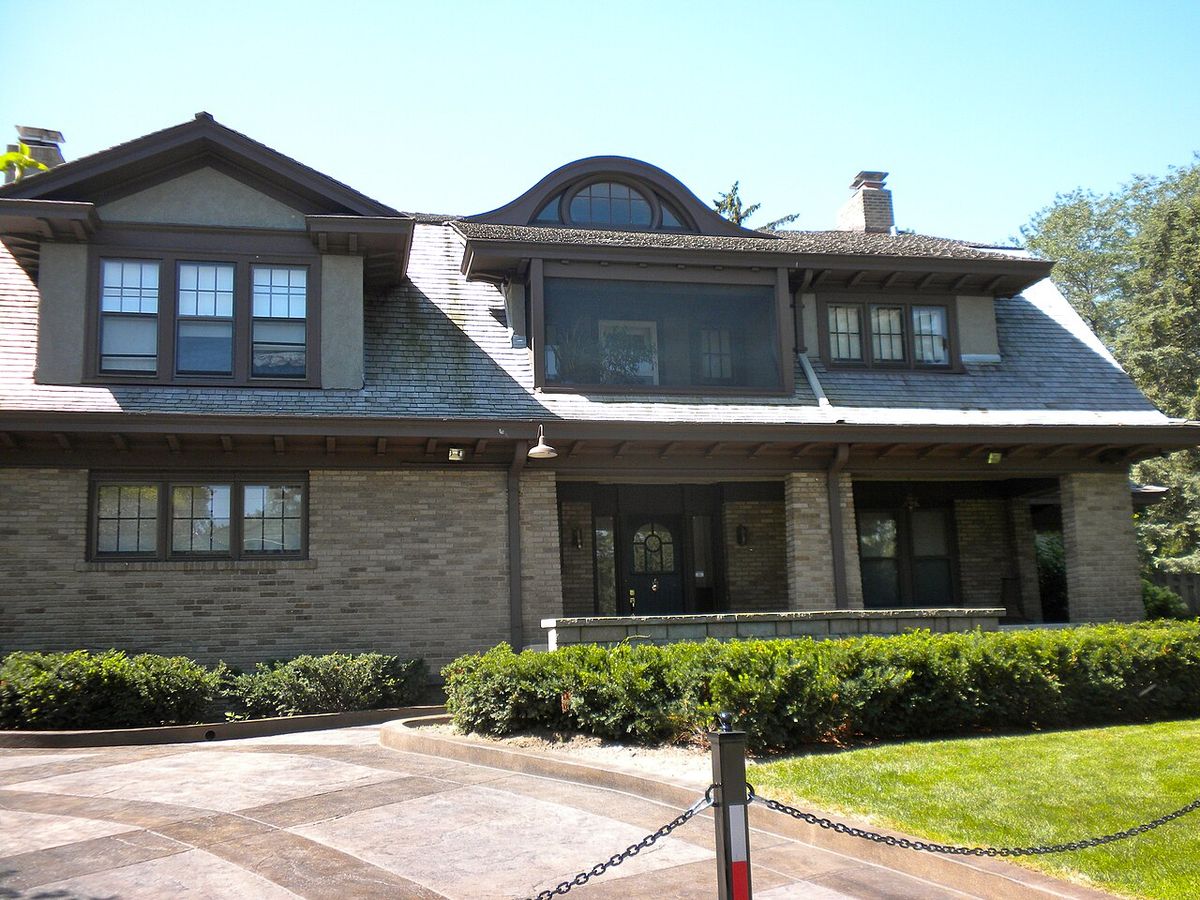
Warren Buffett was born on August 30, 1930, in Omaha, Nebraska, the son of U.S. congressman Howard Buffett. His interest in business and investing emerged very early, inspired by a library book he read at age seven titled One Thousand Ways to Make $1000. During his youth, he engaged in numerous entrepreneurial ventures, including selling chewing gum, Coca-Cola, and weekly magazines door to door. He also worked in his grandfather's grocery store and, during high school, made money delivering newspapers, selling golf balls and stamps, and detailing cars. His first significant business venture occurred in 1945 when, as a high school sophomore, he and a friend purchased a used pinball machine for $25 and placed it in a local barber shop. Within months, they owned several machines across Omaha and later sold the business for $1,200.
Buffett's fascination with the stock market was cultivated by his father, who took him to visit the New York Stock Exchange when he was 10 years old. At age 11, he bought three shares of Cities Service Preferred for himself and three for his sister. By age 15, he was earning more than $175 monthly delivering Washington Post newspapers. Before graduating from college, he had already purchased a 40-acre farm with $1,200 of his savings. His formal education included two years at the Wharton School of the University of Pennsylvania before he transferred to the University of Nebraska, where he graduated with a Bachelor of Science in business administration in 1951. After being rejected by Harvard Business School, he enrolled at Columbia Business School to study under Benjamin Graham, earning a Master of Science in Economics in 1951 and solidifying the value investing principles that would define his career.
Business Career and the Rise of Berkshire Hathaway
Buffett's professional career began in 1951 at his father's investment firm, Buffett-Falk & Co., as an investment salesman. In 1954, he accepted a position at Benjamin Graham's Graham-Newman Corp. as a securities analyst, with a starting salary of $12,000 a year. When Graham retired in 1956, Buffett returned to Omaha with personal savings over $174,000 and started a series of investment partnerships. He created Buffett Partnership Ltd. in 1956, which by 1962 had grown to 11 entities and held nearly $7.2 million, making Buffett a millionaire. It was through this partnership that he began acquiring shares in a textile manufacturer, Berkshire Hathaway, paying $7.60 per share in 1962. By 1965, his partnerships aggressively purchased shares at $14.86 each, and he took control of the company, later calling the textile business his worst trade.
Buffett became chairman of Berkshire Hathaway's board in 1970 and began writing his famous annual letters to shareholders. He shifted the company's focus from textiles to insurance and other investments. Key acquisitions and investments over the decades included the Washington Post Company in 1973, a stake in ABC in 1979, and a 12% stake in Salomon Inc. in 1987, where he later served as chairman during a scandal. In 1988, he began buying stock in The Coca-Cola Company, eventually purchasing up to 7% for $1.02 billion, which became one of Berkshire's most lucrative holdings. His net worth passed one billion dollars in 1985. Throughout, Buffett adhered to a salary of $50,000 per year, living on his salary and outside investment income.
Investment Philosophy and Core Principles
Warren Buffett's investment approach is rooted in the concept of value investing, pioneered by his mentor Benjamin Graham. The core ideas are to look at stocks as businesses, use the market's fluctuations to your advantage, and always seek a margin of safety. This philosophy emphasizes buying undervalued companies with strong fundamentals and holding them for the long term. Buffett is also known for his frugality and patience, often waiting for the right opportunity where the math makes clear sense before deploying capital. His partnership with Charlie Munger, who joined Berkshire Hathaway as vice-chairman in 1978, further refined this approach, focusing on acquiring wonderful businesses at fair prices rather than merely fair businesses at wonderful prices.
Buffett's principles extend beyond stock picking to overall capital allocation. A key tenet is avoiding permanent loss of capital, which means not borrowing at high rates to chase unpredictable returns. This is directly applicable to personal finance, where carrying high-interest debt contradicts the value investing mindset. His famous cash pile, which reached US$373.3 billion by the end of 2025, exemplifies this patience. He holds cash in Treasury bills, earning solid yields, until an investment opportunity presents a clear margin of safety and a superior return. This disciplined framework underscores that the highest guaranteed return often comes from eliminating costly liabilities rather than seeking risky gains.
Buffett's Views and Relevance for Canadian Investors
Warren Buffett has expressed confidence in the Canadian economy and has indicated that Berkshire Hathaway is looking at potential investments in the country. He and Greg Abel, a key Berkshire executive, have shared insights on investing in both the Canadian and U.S. economies, highlighting their comfort with placing capital in Canada. This sentiment is significant for Canadian investors and markets, as it signals a vote of confidence from one of the world's most respected capital allocators. Conversely, there have been instances of AI-generated fake videos purporting to show Buffett making geopolitical comments about Canada, underscoring the need for investors to verify information from official sources.
The practical lessons from Buffett's strategy are particularly salient for Canadian households managing debt and investments. A central lesson involves the comparison between carrying high-interest debt and investing in the market. For example, paying off a credit card balance with a 19.99% interest rate delivers a guaranteed, after-tax return of 19.99%, with no volatility. Over the long run, a diversified ETF tracking the Canadian market might return around 7% annually before tax, but this is not guaranteed. Carrying a C$5,000 balance at 19.99% generates roughly C$1,000 in interest in the first year alone, making debt repayment a superior financial move for most individuals.
- Carrying high-interest debt while investing is akin to borrowing at 20% to fund consumption and betting the market will beat it.
- Credit card debt is never considered "good debt," unlike a mortgage, and should be prioritized.
- The math of registered accounts like RRSPs and TFSAs is nuanced when high-interest debt exists.
- Investing in a TFSA while carrying 20% debt is only compelling if there is an employer match or a long-term compounding case.
- For an RRSP, the comparison improves only if the tax refund is immediately used to pay down debt.
- Buffett's cash pile strategy teaches patience and selectivity, waiting for the math to make sense before acting.
Philanthropy and The Giving Pledge
Despite his immense wealth, Buffett is known for his commitment to frugality and philanthropy. He has pledged to give away 99 percent of his fortune to philanthropic causes. Until 2026, his giving was primarily directed to the Bill and Melinda Gates Foundation. In 2006, he announced he would gradually give away 85% of his Berkshire holdings to five foundations in annual gifts of stock, with the largest contribution going to the Gates Foundation. Buffett co-founded The Giving Pledge in 2010 with Bill Gates and Melinda French Gates, an initiative where billionaires pledge to give away at least half of their fortunes during their lifetime or in their will. His sister, Doris Buffett, also became a noted philanthropist.
Buffett's philanthropic approach mirrors his investment philosophy, focusing on long-term impact and efficiency. His commitment contrasts with his modest personal lifestyle, as he has lived for decades on his salary and investment income. This alignment between personal conduct and capital allocation reinforces his reputation for integrity and long-term thinking. The scale of his giving, combined with his business success, has made him a global figure not only in finance but also in humanitarian efforts.
Key Financial Crises and Market Leadership
Buffett's career included several major financial crises, where his actions drew both praise and criticism. During the 2007 to 2008 financial crisis, he was criticized for allocating capital too early, resulting in suboptimal deals. Berkshire Hathaway suffered a 77% drop in earnings in the third quarter of 2008, and some of his deals incurred large mark-to-market losses. Despite this, he played an instrumental role in stabilizing markets. In September 2008, Berkshire acquired 10 percent of perpetual preferred stock of Goldman Sachs. He also helped Dow Chemical finance its $18.8 billion takeover of Rohm & Haas, becoming the largest shareholder in the enlarged group. In 2008, Buffett briefly became the richest person in the world, with an estimated net worth of $62 billion, dethroning Bill Gates.
However, by 2009, his value had dropped to $37 billion, a loss of $25 billion over a 12-month period, and Gates regained the top position. Buffett's put options faced around $6.73 billion in mark-to-market losses in late 2008, prompting the SEC to demand more robust disclosure. His public stance during the crisis was captured in a 2008 New York Times opinion piece titled "Buy American. I am," where he called the downturn "poetic justice" for the financial sector. In October 2008, the media reported he agreed to buy General Electric preferred stock with an option to buy three billion shares at $22.25 over five years and a 10% dividend.
Comparative Analysis: Debt Repayment vs. Investing in Canada
The decision between paying down high-interest debt and investing in registered accounts is a common dilemma for Canadians. Warren Buffett's investment approach involves seeking a margin of safety and using the market's fluctuations to your advantage. His principle of seeking the highest guaranteed, risk-adjusted return provides a clear framework for this financial decision. The following table illustrates the comparative returns under different scenarios, using a C$5,000 credit card balance at 19.99% and a C$300 monthly allocation. Paying off such high-interest debt delivers a guaranteed return, which aligns with Buffett's value investing philosophy.
| Financial Action | Expected Annual Return | Risk Profile | Key Consideration for Canadians |
|---|---|---|---|
| Paying off credit card debt | 19.99% (guaranteed) | Zero risk | Eliminates a high-cost liability instantly. |
| Investing in TFSA (broad-market ETF) | ~7% (pre-tax, not guaranteed) | Market volatility | Tax-free growth, but return spread is wide vs. debt. |
| Investing in RRSP (broad-market ETF) | ~7% (pre-tax, not guaranteed) | Market volatility & future tax | Only advantageous if tax refund is used to pay debt. |
| Holding cash in Treasury bills (Buffett's approach) | Solid yields (varies) | Very low risk | Preserves capital for future high-return opportunities. |
This analysis shows that for a Canadian carrying significant credit card debt, the guaranteed return from repayment vastly outperforms the expected, volatile return from market investments. The exception might be if the TFSA contribution comes with an employer match, which effectively provides an immediate return. For RRSPs, the benefit is largely negated by the high interest cost unless the refund is directly applied to the debt. Buffett's strategy of holding cash in low-risk instruments like Treasury bills aligns with this logic, as it avoids the opportunity cost of paying high interest while waiting for superior investment opportunities.
Legacy and Influence in Canada
Warren Buffett's influence extends into the Canadian financial landscape, both through direct commentary and through investors who emulate his style. He has publicly stated his confidence in investing in Canada, and Berkshire Hathaway has explored potential investments there. Canadian investors often look to his annual letters and public appearances for guidance on value investing and capital allocation. The term "Canada's Warren Buffett" has been used to describe investors like Prem Watsa, chairman of Fairfax Financial, who was introduced at the Canadian Club of Toronto in 2017 with that moniker. This reflects the deep resonance of Buffett's philosophy within the Canadian investment community.
Buffett's lessons on cash management and debt avoidance are particularly relevant given the levels of household debt in Canada. His demonstration that the highest guaranteed return is often found in paying down high-interest debt provides a powerful, practical tool for personal financial planning. Furthermore, his caution against borrowing at high rates to chase market returns serves as a warning against over-leverage. As of 2026, with Berkshire sitting on US$373.3 billion in cash and Treasury bills, Buffett continues to model the patience and selectivity that can benefit investors and savers in any market, including Canada's.
Frequently asked questions
What is Warren Buffett's investment philosophy?
Warren Buffett's investment philosophy is value investing, which he learned from Benjamin Graham. It involves looking at stocks as businesses and seeking a margin of safety. The basic ideas are to use the market's fluctuations to your advantage. Buffett adheres to these principles of value investing.
What is Warren Buffett's net worth?
As of January 2026, Warren Buffett's estimated net worth is US$148.9 billion, making him the ninth-richest person in the world according to Forbes. This massive fortune was accumulated through his business and investment success as chairman and former CEO of Berkshire Hathaway. He is often called the 'Oracle of Omaha' due to his investment acumen. Buffett adheres to principles of value investing and frugality despite his wealth. He has also pledged to give away 99 percent of his fortune to philanthropic causes.
What is The Giving Pledge?
The Giving Pledge is a philanthropic initiative founded in 2010 by Warren Buffett, Bill Gates, and Melinda French Gates. Through this pledge, billionaires commit to giving away at least half of their fortunes to charitable causes. Buffett has personally pledged to donate 99 percent of his own wealth. Until 2026, his giving was primarily directed to the Bill and Melinda Gates Foundation. This reflects his long standing commitment to philanthropy alongside his business career.
What is Warren Buffett's educational background?
Warren Buffett earned a Bachelor of Science in business administration from the University of Nebraska in 1951 and a Master of Science in Economics from Columbia Business School that same year. He initially attended the Wharton School of the University of Pennsylvania in 1947 for two years before transferring. At Columbia, he studied under Benjamin Graham, who molded his investment approach around value investing. He also attended the New York Institute of Finance to focus on his economics background after graduating.
How did Warren Buffett start his business career?
Warren Buffett began his career as an investment salesman at his father's firm, Buffett Falk & Co., from 1951 to 1954. He then worked as a securities analyst at Benjamin Graham's Graham Newman Corp. from 1954 to 1956. After Graham retired, Buffett returned to Omaha and started Buffett Partnership Ltd. in 1956, which became his primary investment vehicle. Through this partnership, he eventually acquired control of Berkshire Hathaway, becoming its chairman in 1970.
What was Warren Buffett's first major investment?
Warren Buffett's first major stock purchase was shares of Cities Service Preferred when he was 11 years old, buying three for himself and three for his sister. His first significant investigative investment was in GEICO insurance in 1951. After discovering Benjamin Graham was on GEICO's board, Buffett took a train to Washington, D.C., and met with Vice President Lorimer Davidson to discuss the business for hours before buying the stock. This began a lifelong friendship and influence.
Sources and further reading
- Warren Buffett (Wikipedia) en.wikipedia.org
- Warren Buffett's cash pile shows Canadians the best ... ca.finance.yahoo.com
This article explains how things work and is not financial, tax or legal advice. Rules, limits and rates change, so check the current figures with the Canada Revenue Agency, your province or your financial institution before you act.