TRON is a decentralized blockchain platform designed for fast, low-cost transactions and smart contracts. Its native cryptocurrency, Tronix (TRX), is used to pay network fees and participate in governance. For Canadians, TRON is significant primarily as the leading network for Tether (USDT) stablecoin transfers, offering a popular, low-fee rail for moving digital dollars. However, the network has faced substantial criticism and regulatory scrutiny for its alleged role in facilitating illegal financial activities.
What Is TRON and How Does It Work
TRON is a layer-1 blockchain, meaning it is a standalone network and not built on top of another blockchain. It uses a delegated proof-of-stake (DPoS) consensus mechanism where TRX holders vote to elect 27 block producers known as Super Representatives. These Super Representatives are responsible for validating transactions and producing new blocks roughly every three seconds, enabling the network's high throughput of around 2,000 transactions per second. The network's architecture is divided into three layers: a storage layer, a core layer, and an application layer, supporting a decentralized virtual machine for executing smart contracts.
The TRON Virtual Machine (TVM) executes smart contracts, which are self-executing programs stored on the blockchain. The TVM is largely compatible with the Ethereum Virtual Machine, allowing developers to write programs in Solidity and port applications from Ethereum with relative ease. To execute transactions and smart contracts, the network uses a resource model based on bandwidth and energy rather than a traditional gas fee system. Bandwidth is required for basic transactions, while energy is consumed for executing smart contracts and more complex operations like transferring TRC-20 tokens.
TRX is the fundamental asset on the network, serving multiple roles. It is used to pay for transaction fees by converting TRX into bandwidth and energy. It also serves as collateral for staking, generating TRON Power which gives holders voting rights in the election of Super Representatives. Furthermore, TRX acts as the foundational currency for the ecosystem of decentralized applications and tokens built on the TRON blockchain. The network aims to provide a platform for decentralized content sharing and applications, though its predominant real-world use has become the transfer of stablecoins.
History and Development of the TRON Project
The TRON project was founded in 2017 by Chinese-born entrepreneur Justin Sun. The TRON Foundation, a non-profit organization based in Singapore, was established in July 2017 to oversee the project. That same year, the foundation raised $70 million through an initial coin offering (ICO) shortly before China outlawed such digital token sales. TRON initially launched as an ERC-20 token on the Ethereum blockchain before migrating to its own independent mainnet in May 2018, an event known as the Odyssey 2.0 release.
Key developments followed the mainnet launch. In July 2018, the TRON Foundation announced the acquisition of the peer-to-peer file-sharing service BitTorrent. Following the acquisition, BitTorrent began its own token sale on the TRON network in February 2019. In late 2021, Justin Sun resigned as CEO, and the TRON Foundation was reorganized into a Decentralized Autonomous Organization, the TRON DAO. This shift was intended to decentralize governance, though Justin Sun remains the project's most public figure.
The project has faced significant legal and regulatory challenges. In March 2023, the United States Securities and Exchange Commission sued Justin Sun and Tron for selling unregistered securities related to TRX and BitTorrent tokens. The SEC also alleged wash trading to manipulate TRX's price. Separately, eight celebrities were charged with promoting these cryptocurrencies without disclosing they were paid. In February 2024, Circle announced it would stop supporting its USDC stablecoin on the TRON network. The following year, in September 2024, TRON, Tether, and TRM Labs announced the T3 Financial Crime Unit, an initiative aimed at addressing illicit activities involving USDT on the TRON blockchain.
TRON Fees, TRC-20 Tokens, and How to Use the Network
Transaction fees on the TRON network are unique, operating on a system of bandwidth and energy instead of a direct gas fee. Basic TRX transfers require only bandwidth. Every TRON address with a TRX balance automatically receives up to 600 units of bandwidth daily, which recovers over 24 hours. If a user has enough available bandwidth, they can send TRX without any fee deduction. If not, the required bandwidth is paid for by burning a small amount of TRX. Sending TRC-20 tokens, however, requires both bandwidth and energy. Energy costs must always be covered by burning TRX, making TRC-20 token transfers more expensive than simple TRX transfers.
The network's fee structure is dynamic and has been adjusted by community vote. In August 2025, the Super Representative community voted to slash network fees by 60 percent, the largest cut since the blockchain's founding. This reduced the energy unit price from 210 sun to 100 sun. The cut was a strategic response to rising TRX prices, which had increased USDT transfer costs from $1.64 in early 2024 to $4.28 by the third quarter of 2025. The goal was to maintain TRON's competitive edge as a low-cost payment rail. Fees for standard TRX transactions typically remain under one cent.
TRC-20 is the primary token standard on TRON, analogous to ERC-20 on Ethereum. It is a smart contract-based standard that allows for advanced functionality. There is also an older TRC-10 standard that is not based on smart contracts. To interact with TRC-20 tokens in a self-custody wallet, a user must hold a balance of TRX to pay for the energy costs. If a wallet holds no TRX, TRC-20 tokens will not appear as an option for buying or selling. Sending a TRC-20 token to an address that does not yet hold that specific token may incur a higher initialization fee.
- TRX transfers require bandwidth only, which can be free from daily allowance.
- TRC-20 token transfers require both bandwidth and energy, costing TRX.
- Users must hold TRX in their wallet to send or see TRC-20 tokens for trading.
- Network fees are dynamically adjusted by Super Representative votes.
- A 60 percent fee reduction was enacted in August 2025 to keep costs low.
- Typical USDT transfer fees on TRON are a fraction of a cent.
TRON's Role in Crypto and Dominance in USDT Transfers
TRON's most significant real-world application is as the dominant blockchain network for the Tether (USDT) stablecoin. As of November 2026, approximately $92.3 billion in USDT, or 52 percent of all USDT in circulation, was held on the TRON network. This surpasses the amount on any other blockchain, including Ethereum. The network processes enormous volume, with daily USDT transfer volumes exceeding $24.6 billion, nearly seven times the volume on Ethereum during comparable periods. This dominance makes TRON a critical piece of infrastructure for global stablecoin payments, remittances, and exchange transfers.
The network's adoption is driven by its combination of low fees, high speed, and wide integration. Major cryptocurrency exchanges like Binance often promote TRC-20 as the default, low-fee option for USDT withdrawals and deposits. Adoption is particularly strong in regions like Latin America, the Middle East, North Africa, and the Asia-Pacific, where users prioritize low transaction costs. The network's gasless transaction models, which allow fees to be paid in the token being sent rather than TRX, account for about 75 percent of activity, further fueling adoption in remittance-heavy markets.
Beyond stablecoins, the TRON ecosystem supports decentralized finance (DeFi) protocols like JustLend and SunSwap. The total value locked in TRON DeFi was reported at $6 billion in 2025. The network also continues its association with BitTorrent, which runs its own token on the TRON network. In January 2026, the popular MetaMask wallet added native support for TRX and TRC-20 tokens, significantly improving accessibility for users worldwide, including in Canada. This integration allows users to buy, swap, and bridge TRX directly within the MetaMask interface.
Criticism, Legal Issues, and Illicit Finance Concerns
TRON has been the subject of persistent criticism and controversy since its inception. Early accusations included plagiarism of white papers and source code from other projects like IPFS and EthereumJ, which the TRON Foundation denied. A 2019 security report revealed a vulnerability where a single computer could have performed a distributed denial-of-service attack to halt the entire blockchain. The network's claimed transaction speed has also been questioned by researchers who found it far below theoretical claims.
More gravely, TRON has been repeatedly cited by law enforcement and international agencies as a major channel for illicit finance. A 2025 Wall Street Journal report stated that more than half of all illegal crypto activity, valued at some $26 billion, passed through the TRON network in 2024, describing it as a popular channel for moving illicit funds. In 2024, the United Nations Office on Drugs and Crime called TRON a preferred choice for crypto money launderers in Asia. The network has also been used by designated terrorist organizations including Hamas, Hezbollah, and Palestinian Islamic Jihad.
These concerns have prompted regulatory action and compliance initiatives. The SEC's 2023 lawsuit against Justin Sun and Tron for selling unregistered securities and market manipulation is a major legal hurdle. In response to the illicit finance allegations, TRON partnered with Tether and TRM Labs in September 2024 to launch the T3 Financial Crime Unit aimed at combating illegal activity. However, the TRON DAO has also stated that decentralized protocols like TRON cannot exercise direct control over those who use the open-source technology, highlighting the tension between decentralization and regulatory compliance.
Using TRON and TRX in Canada: Wallets, Taxes, and Risks
Canadians can access the TRON network through various self-custody wallets that support TRX and TRC-20 tokens. Popular options include Exodus Desktop and the MetaMask wallet, which added native TRON support in January 2026. The Ledger hardware wallet also supports TRON when used with Exodus Mobile, though Trezor devices do not. When using these wallets, it is crucial to only restore wallets from secret keys or private keys that are fully trusted to avoid honeypot scams. Canadians can buy TRX directly within wallets like MetaMask using credit cards, debit cards, or bank transfers, though availability depends on the specific service provider and Canadian regulations.
For Canadian tax purposes, the Canada Revenue Agency treats cryptocurrencies like TRX as commodities. This means any disposition of TRX, including trading it for another cryptocurrency, using it to pay for goods or services, or selling it for Canadian dollars, is a taxable event that may trigger a capital gain or loss. Staking rewards received from freezing TRX to vote for Super Representatives are also considered taxable income at their fair market value when received. Canadians must keep detailed records of all transactions, including dates, values in Canadian dollars, and the purpose of each transaction.
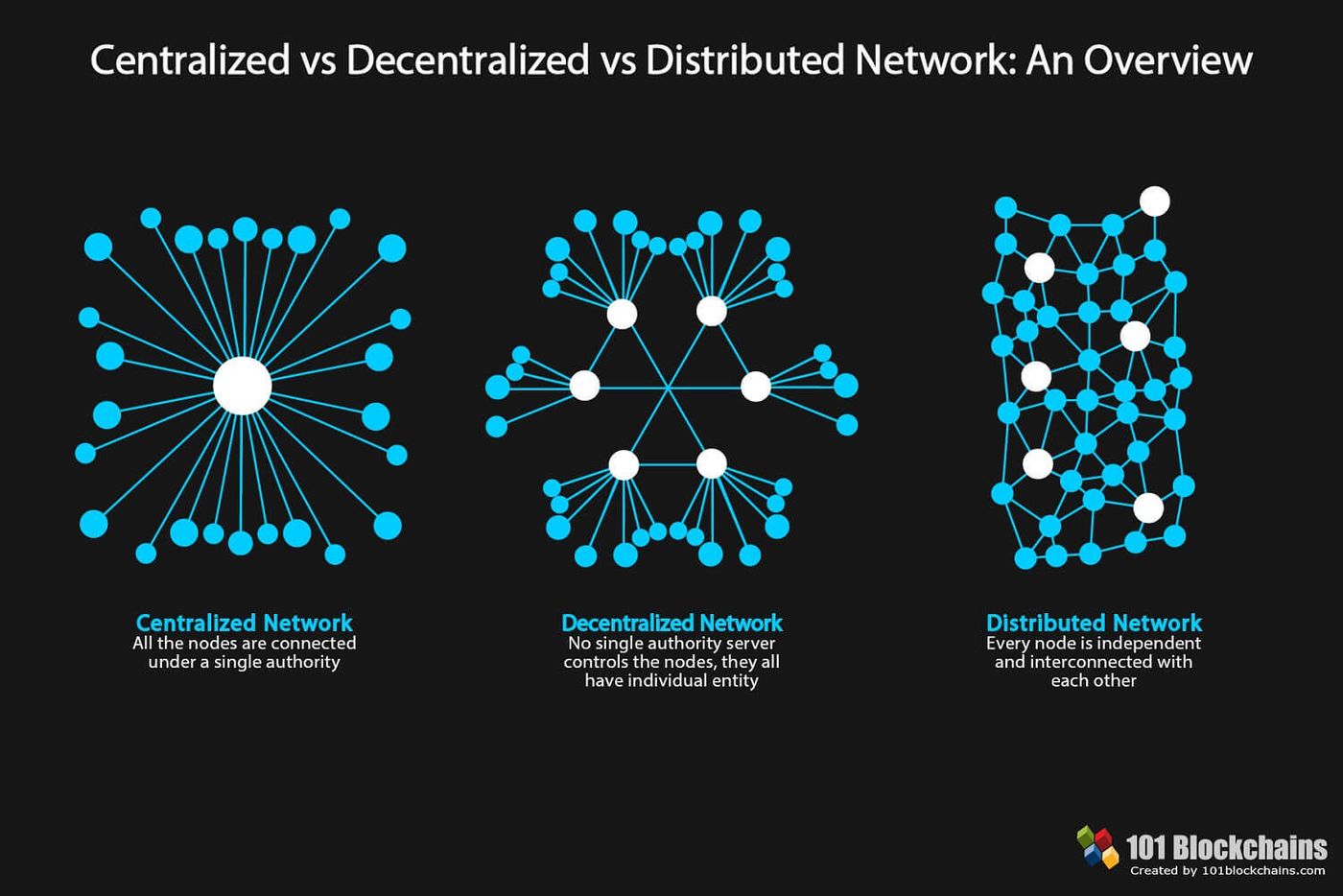
Canadian users should be acutely aware of the specific risks associated with TRON. The network's concentration of control among 27 Super Representatives and the ongoing influence of founder Justin Sun present governance and centralization risks. The high volume of illicit activity reported on the network increases regulatory scrutiny, which could lead to future crackdowns or restrictions affecting legitimate users. The network's fee model requires holding TRX to transact with TRC-20 tokens, exposing users to TRX's price volatility. Furthermore, the legal actions against Justin Sun and the project by the SEC create ongoing uncertainty about its regulatory status.
| Consideration for Canadian Users | Details |
|---|---|
| Supported Wallets | Exodus Desktop, MetaMask, Ledger with Exodus Mobile |
| Tax Treatment | TRX is a taxable commodity. Dispositions trigger capital gains/losses |
| Staking Rewards | Taxable as income at fair market value upon receipt |
| Primary Risk | Network's association with illicit finance and regulatory actions |
| Operational Requirement | Must hold TRX to pay fees for TRC-20 token transactions |
Frequently asked questions
What is TRON (TRX)?
TRON is a decentralized blockchain platform designed for fast, low-cost transactions and smart contracts. Its native cryptocurrency is called Tronix, abbreviated as TRX. TRX is used to pay network fees, participate in staking to vote for block producers, and serves as the base currency for the ecosystem. While initially envisioned for decentralized content sharing, TRON's primary use today is as the leading network for transferring the USDT stablecoin.
How do TRON transaction fees work?
TRON uses a unique fee system based on bandwidth and energy instead of gas. Sending TRX requires bandwidth, which is provided for free up to 600 units per day per address. If you exceed your free bandwidth, you pay by burning a small amount of TRX. Sending TRC-20 tokens like USDT requires both bandwidth and energy. Energy costs must always be paid by burning TRX, making TRC-20 transfers more expensive. Typical fees for TRX transactions are under one cent.
What is TRC-20?
TRC-20 is the main technical standard for tokens issued on the TRON blockchain, similar to ERC-20 on Ethereum. It is a smart contract-based standard that allows developers to create tokens with advanced functionality. Most tokens on TRON, including the massive supply of USDT, are TRC-20 tokens. To send a TRC-20 token, your wallet must hold a balance of TRX to cover the required energy cost.
Why is TRON popular for casinos?
TRON's popularity for online casinos and gambling related applications stems from its technical design. The network offers very fast transaction times of about three seconds per block and extremely low fees, often less than a penny. This makes it efficient for deposits, withdrawals, and in-game transactions. Furthermore, the widespread adoption of USDT on TRON provides a stable-value token that is easy to transfer on the network, which is preferred by many gaming platforms.
Is TRON legal and safe to use in Canada?
TRON is accessible in Canada, and Canadians can legally buy, hold, and trade TRX through supported wallets and exchanges. However, users must be aware of significant risks. The network has been extensively cited by authorities like the UN and the Wall Street Journal as a major conduit for illegal finance, including money laundering and terrorist financing. This association brings heightened regulatory risk. Additionally, the project faces an ongoing SEC lawsuit for selling unregistered securities. Canadians should exercise caution and ensure they understand the tax implications of using cryptocurrency.
Who controls the TRON network?
TRON uses a delegated proof-of-stake system where TRX holders vote to elect 27 block producers called Super Representatives. These Super Representatives validate transactions and produce blocks. While this structure is more decentralized than a single entity, it is more concentrated than networks with thousands of validators. The project is publicly represented by the TRON DAO, a decentralized autonomous organization. Founder Justin Sun remains the most influential figure, and his related company, Tron Inc., has pursued strategies like building a TRX treasury, raising governance concerns.
Sources and further reading
- Tron (blockchain) (Wikipedia) en.wikipedia.org
- Learn more about TRX and TRC20 tokens exodus.com
- What Is Tron (TRX)? Network, Token and USDT Explained cryptoticker.io
- TRON (TRX) Price Today metamask.com
- Tron Votes to Slash Network Fees 60% to Defend ... tradingview.com
This article explains how things work and is not financial, tax or legal advice. Rules, limits and rates change, so check the current figures with the Canada Revenue Agency, your province or your financial institution before you act.