A mempool, short for memory pool, is a decentralized waiting room on a blockchain network where unconfirmed transactions are temporarily held. When you send a Bitcoin transaction from your wallet, it first enters this pool before a miner selects it for inclusion in a new block. The mempool is critical for determining transaction priority, confirmation speed, and dynamic network fees, directly impacting the cost and speed of Canadian cryptocurrency transactions. Understanding its function is key to managing transaction costs effectively during periods of network congestion.
What Is a Mempool?
A mempool is an abbreviation for memory pool and serves as a critical component of blockchain transactions. It acts as a temporary holding area for unconfirmed transactions before they are permanently added to the blockchain. When a user sends a transaction from a Bitcoin wallet, it does not immediately get added to the distributed ledger. The transaction first enters the mempool, where it waits for a Bitcoin miner to pick it up and include it in a new block. This decentralized waiting room exists on every node, meaning each computer maintaining the network has its own local version of the pending transaction queue. The mempool's primary function is to enable miners to see which transactions are pending and decide which ones to include based on factors like transaction fees. This system creates a transparent queue where all pending network activity is visible before confirmation, functioning as the blockchain's essential staging area.
How the Mempool Works
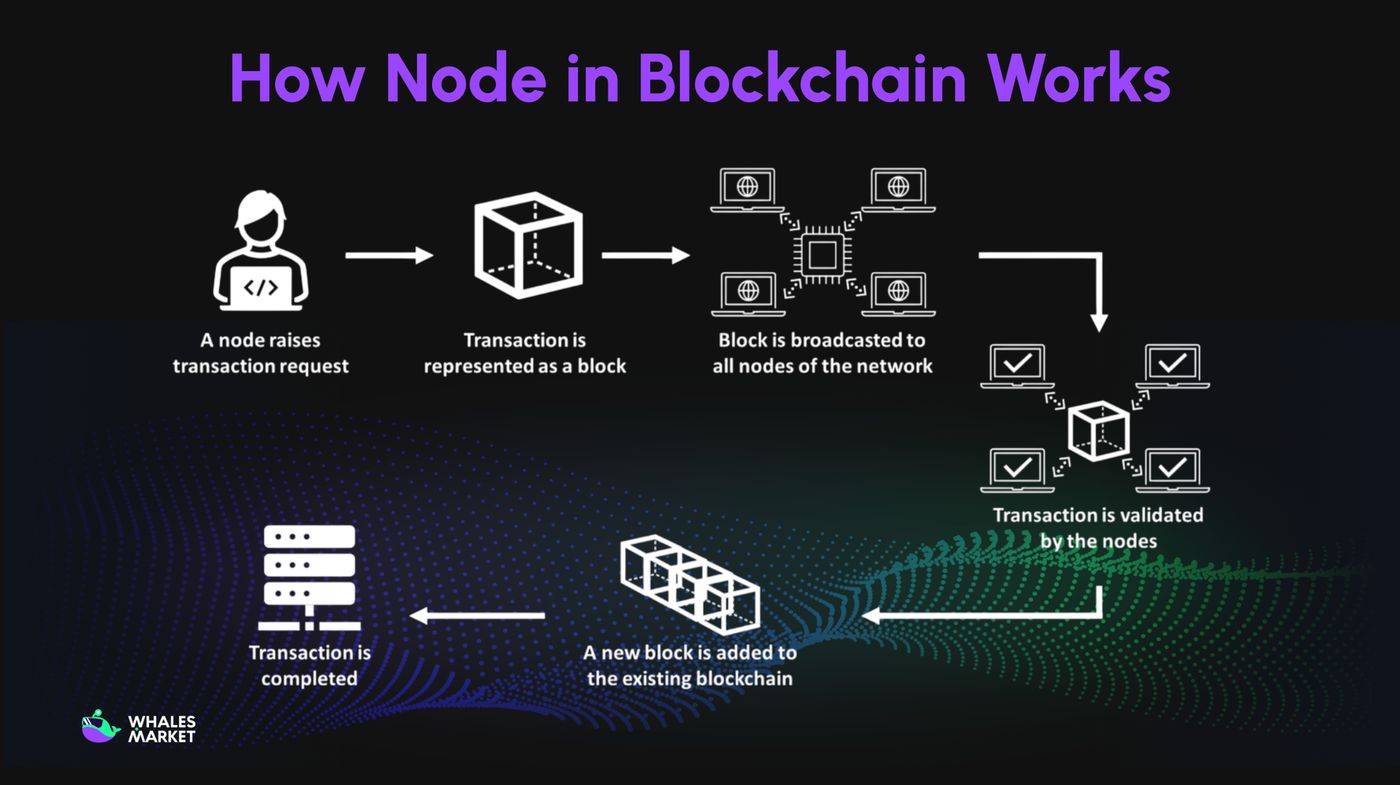
The lifecycle of a transaction through the mempool follows a specific sequence. The process begins when a user creates and signs a transaction with their private key, generating a digital signature. This signed transaction is then broadcast to the Bitcoin network, where nodes receive and validate it. Validation checks include ensuring the sender has sufficient funds and that the transaction is not a double spend. After passing validation, the transaction enters the node's local mempool, and the node broadcasts it to its peers. Transactions remain in the mempool until they are selected by miners who collect them to bundle into a new block. Miners must solve a complex mathematical problem, known as proof of work, to add a block to the blockchain. Once a block is successfully mined and verified by other nodes, the transactions within it are confirmed and cleared from the mempools.
Miners play the central role in managing the mempool by selecting which pending transactions to include. They prioritize transactions based primarily on the attached fees, as they collect these fees as revenue. Transactions with higher fees are typically processed faster because miners are economically incentivized to maximize their profits. Miners can also set their own policies for managing their mempools, such as removing low-fee transactions to prevent it from growing too large. The mempool is not a single centralized queue but a collection of individual node mempools, though their contents are generally consistent due to network propagation. This decentralized structure ensures the system remains resilient and continues operating even if some nodes go offline. Consistency is maintained as transactions are widely distributed across the peer-to-peer network.
Transaction Priority and Network Congestion
The mempool acts as a constant, invisible auction where transactions compete for limited block space. During periods of normal network activity, the mempool clears easily, and transactions confirm quickly with minimal fees. However, when network activity spikes, the mempool can become congested, leading to delays. There is a strict limit to the number of transactions that can be included in each block, creating intense competition. During the peak of NFT and DeFi activity on networks like Ethereum, the mempool has built up to more than 150,000 pending transactions. In such conditions, fees escalate dramatically as users outbid each other to have their transactions processed sooner. Transactions with lower fees may remain in the mempool for an extended period, waiting for a miner to include them when congestion eases.
This congestion directly impacts user experience and cost. Sending a transaction during a frantic period of market activity can cost many times more than sending the same transaction on a quiet day. The mempool size serves as a real-time indicator of this network demand, and fee spikes often coincide with moments of frantic market activity. For users, this creates a practical skill: checking the mempool status before moving significant funds. Public tools like mempool.space for Bitcoin show current congestion and recommended fees for different confirmation speeds. This allows users to make informed decisions about when to transact and what fee to attach to avoid excessive costs or long delays. The result is a permanent bidding war within the mempool, with no guaranteed high-priority flags, only the economic incentive of fees.

Managing Stuck Transactions and Acceleration
A transaction stuck in the mempool due to low fees is not lost. Users have several options to manage or accelerate it. The simplest method is to wait for network congestion to ease, at which point miners may include lower-fee transactions. For more urgent needs, users can employ mechanisms to replace the original transaction with a new one featuring a higher fee. On Bitcoin, this is possible if the wallet supports Replace-By-Fee (RBF), which allows a new transaction with the same inputs to cancel and replace the old one. On Ethereum, a similar process involves sending another transaction with the same nonce and a higher gas price. These are considered intermediate-user techniques for transaction management.
Specialized services also exist to help accelerate transactions. ViaBTC, a global multi-cryptocurrency mining pool, launched one of the first Bitcoin transaction accelerators in 2016. As of September 16, 2026, ViaBTC has accelerated more than 800,000 BTC transactions. The service uses mining pool infrastructure and expertise in block construction and transaction processing to prioritize eligible transactions. In 2026, ViaBTC announced a partnership with Mempool to expand access to these acceleration services. Users can submit eligible transaction IDs through the ViaBTC website or mobile app to request acceleration, where they can also view their acceleration history and request status. ViaBTC continues to offer both free and paid acceleration options, providing a valuable tool for Canadians needing urgent transaction processing during network busy periods.
- Wait for network congestion to subside naturally.
- Use wallet-supported Replace-By-Fee (RBF) on Bitcoin to bump the fee.
- On Ethereum, replace a transaction by sending another with the same nonce and more gas.
- Submit the transaction ID to a paid acceleration service like ViaBTC's accelerator.
- Monitor mempool status with tools like mempool.space to choose optimal transaction times.
- Ensure your wallet estimates fees by reading the current mempool state.
Mempool as a Source of Market Intelligence
Beyond being a simple queue, the mempool is a rich source of real-time information for analysts and traders. The data within pending transactions can signal upcoming market movements before they are confirmed on the blockchain. Large, unconfirmed transactions moving toward exchanges can indicate potential selling pressure on the way. Average transaction fees work as a thermometer of overall network demand, providing insight into user activity levels. So-called whale alert services that track large transactions draw their data directly from monitoring the mempool. This transparency allows for a degree of market forecasting based on observable, pending on-chain activity, making the mempool a window into what the network is about to do.
On programmable blockchain networks, this public window also feeds sophisticated automated systems. Maximum Extractable Value (MEV) bots scan the mempool for profitable opportunities, such as arbitrage or liquidations, and can pay high fees to get their own transactions ordered in a beneficial way. This means the mempool is a public resource used by everyone, from casual users to advanced automated systems. For Canadian investors and developers, understanding that the mempool is not just a waiting room but an information layer is crucial. It highlights the transparent yet competitive nature of public blockchain networks, where pending intentions are visible and can be acted upon by others with the right tools and strategies. The mempool's transparency feeds services that provide comprehensive insights into Bitcoin transactions and addresses.
Key Differences from Custodial Exchange Transactions
It is important to distinguish between on-chain transactions that pass through the mempool and internal transfers within custodial platforms. When users buy, sell, or transfer assets within the same cryptocurrency exchange, these transactions are internal accounting entries that do not touch the public blockchain. They settle instantly and are typically fee-free because they occur within the company's own private systems. The mempool and its associated fees and delays only come into play when a user withdraws crypto from an exchange to an external, self-custody wallet. At the moment of withdrawal, the exchange creates an on-chain transaction, broadcasts it to the network, and it enters the public mempool.
This distinction explains why moving funds between your own accounts on an exchange is immediate, while withdrawing to a hardware wallet can take time and incur a network fee. For Canadians managing their crypto assets, this means understanding when you are interacting with the decentralized blockchain versus a centralized service's internal ledger. Routine trading and holding on an exchange bypass the mempool entirely, which can be convenient and cost-effective. However, for true self-custody or interacting with decentralized applications, the transaction must traverse the public mempool, subject to its dynamics of fees and confirmation times. This is why everything you send to an external wallet passes through the mempool, explaining why things sometimes take a while and why fees fluctuate.
Infrastructure and Ecosystem Partnerships
The mempool is supported by a growing ecosystem of infrastructure providers and tools. The Mempool Open Source Project provides a leading Bitcoin block explorer and analytics platform designed to give comprehensive insights. Services like mempool.space enable users to view real-time and historical information about a node's mempool, visualize transactions, and search for specific data. These explorers are critical for users to monitor network status and fee markets. Furthermore, mining pools play a direct role in mempool dynamics through their block construction policies and ancillary services.
A prominent example is the partnership between ViaBTC and Mempool, announced in September 2026. ViaBTC, a mining pool launched in 2016 serving more than 2 million users across over 150 countries, partnered with Mempool to expand access to Bitcoin transaction acceleration services. ViaBTC uses its mining pool infrastructure and decade of experience in block construction to accelerate eligible transactions. This partnership is part of ViaBTC's effort to build collaborations across the Bitcoin infrastructure ecosystem, following its navigation of multiple market cycles and Bitcoin halvings. The company states its focus remains on the security, stability, and efficiency of its mining pool infrastructure while exploring further partnerships with block explorers, wallets, and other providers.
Technical Validation and Node Responsibilities
Each node on the network performs critical validation before a transaction enters its mempool. When a node receives a broadcast transaction, it executes a series of checks to ensure legitimacy. The node verifies the cryptographic signature to confirm the sender authorized the transaction. It checks that the sender's wallet has a sufficient balance to cover the transaction amount and the attached fee. The node also validates the transaction's syntax and structure to ensure it follows the Bitcoin protocol rules. A key check is for double-spending, ensuring the same funds are not being spent in another pending transaction. Only after passing all these validation checks is the transaction admitted into the node's local mempool.
This validation process is decentralized and consistent across the network. Once a node validates and accepts a transaction into its mempool, it immediately propagates the transaction to all its peer nodes. Those peers then repeat the same validation process, leading to the transaction's widespread distribution. This system ensures that invalid transactions are rejected locally and not propagated, protecting network integrity. The mempool's contents can vary slightly between nodes based on network latency and individual node policies, but the core set of valid, pending transactions becomes widely known. This process underscores that the mempool is not a passive list but an actively managed and validated set of data crucial for network security.
Frequently asked questions
What is a mempool in simple terms?
A mempool is a blockchain's waiting room. It is a temporary holding area where your sent cryptocurrency transaction sits after you broadcast it but before it is permanently confirmed and added to a block. Every node on the network maintains its own version of this pool of pending transactions. Miners look at the mempool to choose which transactions to include next, typically picking those with the highest attached fees first.
Why does my Bitcoin transaction take so long to confirm?
Your transaction is likely waiting in the mempool due to network congestion or a low transaction fee. When many people are sending transactions simultaneously, the mempool fills up, and miners can only include a limited number in each block. They prioritize transactions with the highest fees. If your fee is too low relative to current demand, your transaction may sit in the mempool for hours or even days until congestion eases or a miner includes it.
How can I speed up a stuck Bitcoin transaction?
You have a few options to speed up a transaction stuck in the mempool. If your wallet supports it, you can use the Replace-By-Fee (RBF) feature to create a new transaction with a higher fee that replaces the original one. Alternatively, you can use a transaction acceleration service, such as the one offered by ViaBTC, which uses its mining pool infrastructure to prioritize eligible transactions. As a last resort, you can simply wait for network activity to decrease, which may allow your lower-fee transaction to be processed.
Is the mempool the same for everyone?
No, the mempool is not a single, centralized queue. Each node on the Bitcoin network maintains its own local mempool. While the contents are generally very similar due to the peer-to-peer propagation of transactions, there can be slight variations between nodes based on their connection speed and specific policies. Some nodes may drop low-fee transactions faster than others. However, the overall state of congestion and fee pressure is consistent across the network.
Do I have to worry about the mempool when using a crypto exchange?
You only interact with the public mempool when you withdraw cryptocurrency from an exchange to your own private wallet. Internal transfers between users on the same exchange are handled off-chain in the company's private ledger, so they are instant and free. The mempool, with its fees and confirmation times, becomes relevant the moment you initiate a withdrawal, as the exchange then creates an on-chain transaction that must be processed through the public network. This transaction then enters the mempool to wait for a miner to include it in a block.
What does a large mempool indicate?
A large mempool size is a direct indicator of high network congestion and demand. It means the number of pending transactions waiting for confirmation is exceeding the network's current capacity to process them in new blocks. This situation typically leads to increased transaction fees as users compete to get their transactions processed faster. Analysts often view a bloated mempool as a sign of heightened on-chain activity, which can correlate with periods of market volatility or popular events like NFT drops.
Sources and further reading
- What is a Mempool in Crypto? trustwallet.com
- ViaBTC Partners with Mempool to Expand Access to BTC ... newswire.ca
- What is the mempool and how it affects your transactions bitso.com
- Understanding the Mempool in Blockchain chain.link
This article explains how things work and is not financial, tax or legal advice. Rules, limits and rates change, so check the current figures with the Canada Revenue Agency, your province or your financial institution before you act.