A cryptocurrency wallet is a digital tool that stores the cryptographic keys required to send, receive, and manage digital assets like Bitcoin and Ethereum. It does not hold the currency itself, which resides on a decentralized blockchain, but rather secures the private keys that prove ownership and authorize transactions. For Canadians, wallets are essential for interacting with crypto trading platforms, participating in Web3 applications, and maintaining self-custody of assets. Understanding wallet types and security is crucial for safely using the Canadian digital asset landscape.
How a Cryptocurrency Wallet Works
A cryptocurrency wallet operates by generating and managing a pair of cryptographic keys. The process begins with the generation of a random number, which is converted into a private key according to the specific requirements of a cryptocurrency like Bitcoin. From this private key, a corresponding public key is mathematically derived. The public key can be shared with others to receive funds, often represented as a public address such as 0x886478D3cf9581B624CB35b5446693Fc8A58B787. The private key must remain secret, as it is used to cryptographically sign and authorize transactions, effectively spending the cryptocurrency associated with that address. The wallet itself hosts this key pair and provides the interface for users to view balances, initiate transfers, and sign transactions. All transaction records are maintained on the public blockchain ledger, not within the wallet, meaning the wallet is a tool for key management and access rather than a container for the digital currency.
Modern wallets typically utilize a seed phrase, which is a random list of 12 to 24 dictionary words that represents an unencrypted form of the private key. This phrase is generated during the wallet setup process and serves as a backup. If the wallet is lost, damaged, or compromised, the seed phrase can be used on a new wallet to regain access to all associated keys and funds. This system is easier for users to memorize or store securely compared to a long string of numerals. The theoretical possibility of two wallets generating the same private key, known as a collision, exists but is considered extremely low due to the vast number of possible key combinations, making duplication or targeted guessing inconceivable in practice.
History and Development of Wallets
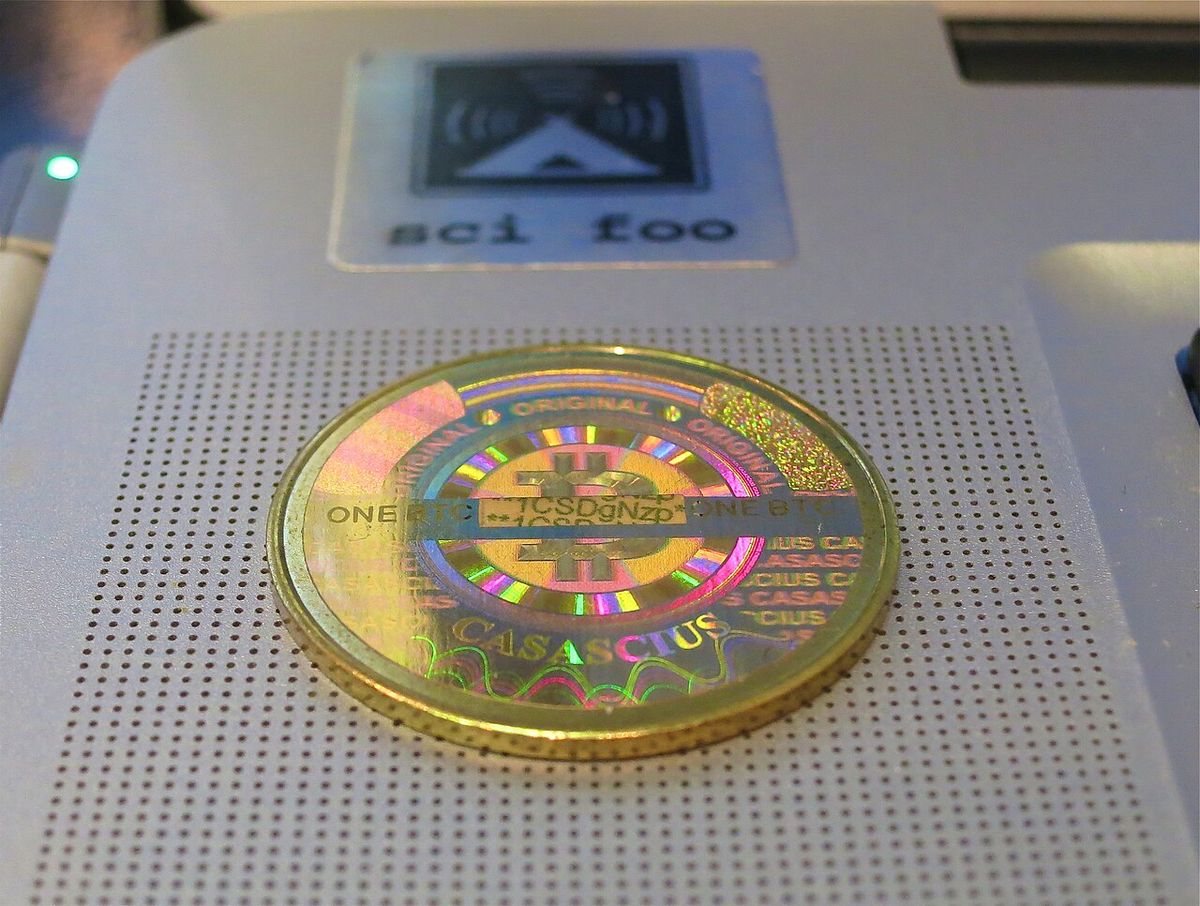
The concept of the cryptocurrency wallet emerged alongside the first cryptocurrency, Bitcoin, which was introduced in 2008 based on the principles in Satoshi Nakamoto's whitepaper. The first wallet program, simply named Bitcoin and sometimes called the Satoshi client, was released as open-source software in January 2009 by Nakamoto. This original software evolved, and after version 0.9, it was renamed Bitcoin Core to distinguish the software client from the underlying network. Bitcoin Core remains a well-known implementation of a full client wallet. Early development focused on software that users could run on their personal computers, requiring them to download and verify the entire blockchain.
As cryptocurrency adoption grew, wallet technology diversified to meet different needs for security and convenience. The development of lightweight clients, which do not require a full copy of the blockchain, allowed wallets to function on smartphones and other low-power devices. The introduction of hierarchical deterministic (HD) wallets, publicly described in BIP32, allowed a single master seed to generate an entire tree of key pairs, improving backup and management. The market later saw the rise of dedicated hardware wallets for cold storage and the proliferation of online web wallets offered by third-party services. This evolution reflects an ongoing balance between user-friendly accessibility and the paramount need for security in managing private keys.
Types of Cryptocurrency Wallets
Cryptocurrency wallets are broadly categorized by their connection to the internet and their custody model. The primary distinction is between hot wallets, which are connected to the internet, and cold wallets, which keep keys offline. Hot wallets include software applications such as desktop, mobile, and web-based wallets. They offer convenience for frequent transactions and interacting with decentralized applications (dApps) but are inherently more vulnerable to online attacks because the private keys are stored on internet-connected devices. Examples of popular hot wallets include MetaMask, Trust Wallet, and Coinbase Wallet.
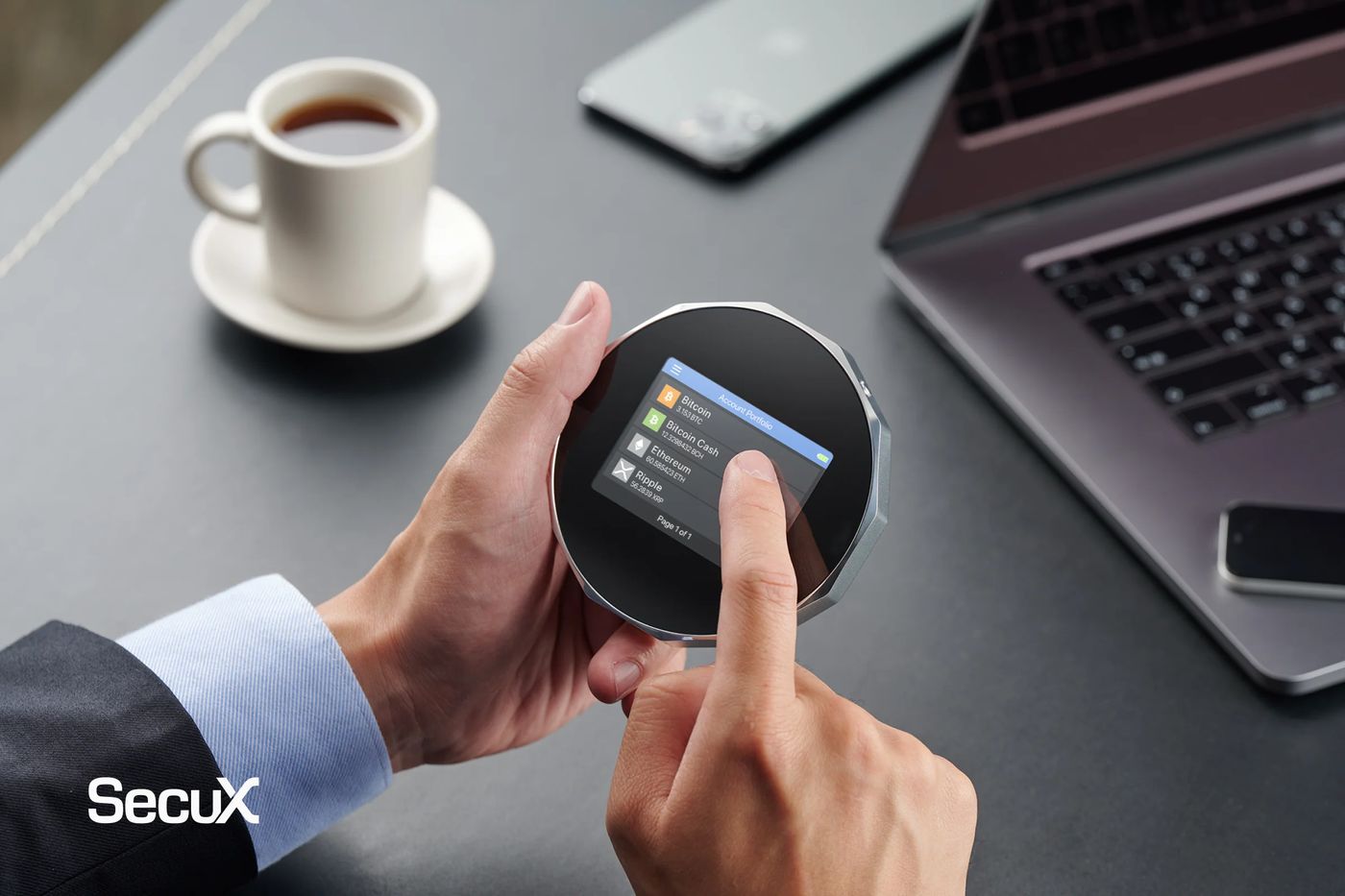
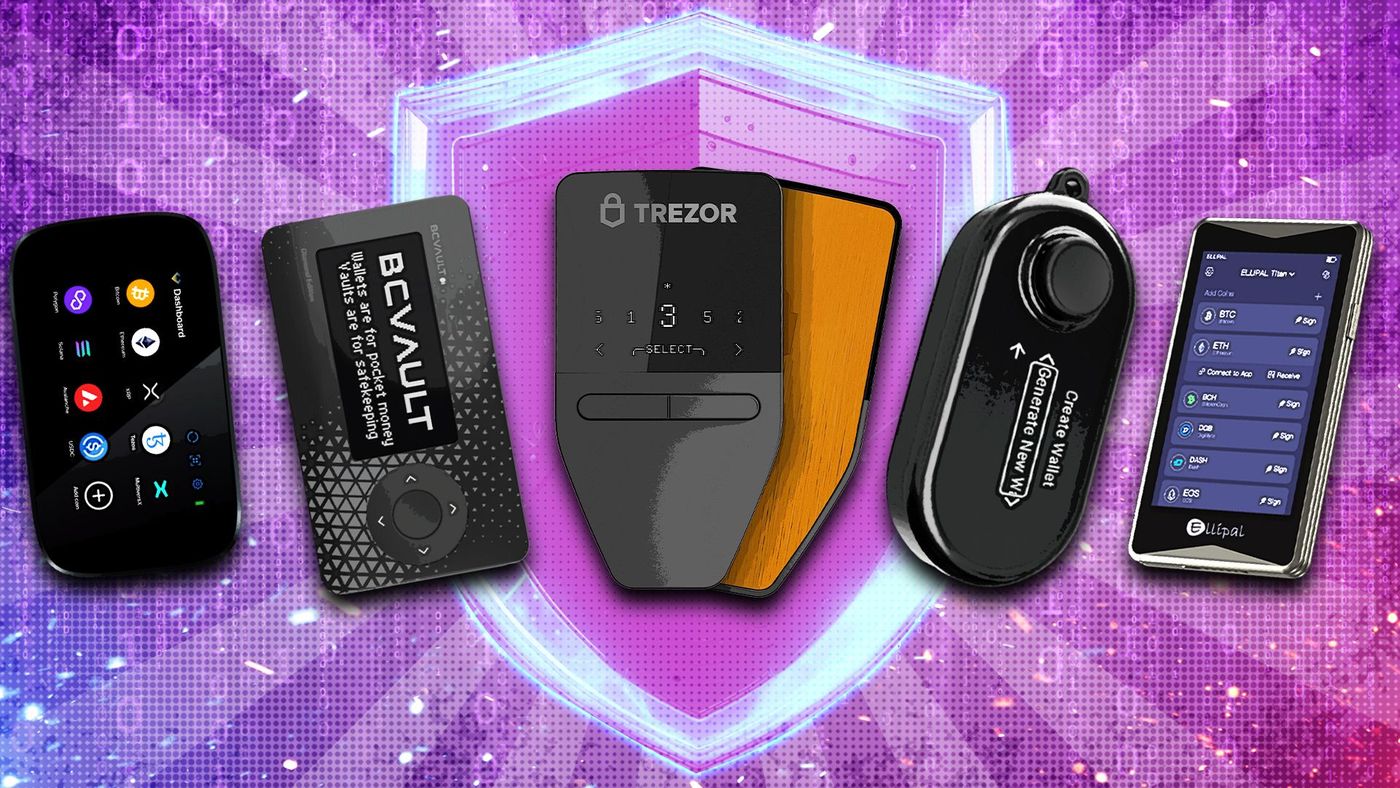
Cold storage refers to methods of generating and storing private keys on a device that is never connected to the internet, thereby keeping them out of reach of remote hackers. This significantly enhances security for long-term asset storage. Common forms of cold storage include paper wallets and hardware wallets. A paper wallet involves generating a keypair on an offline computer and printing or writing the private key on paper for physical safekeeping. A hardware wallet is a dedicated physical device, like a USB peripheral, that signs transactions internally and never exposes the private keys to the connected computer. Well-known hardware wallet brands include Ledger and Trezor. Another important category is the multisignature wallet, which requires multiple private keys to authorize a transaction, adding an extra layer of security and control for groups or institutional users.
- Software Wallets: Applications (desktop, mobile, web) that manage keys on an internet-connected device.
- Hardware Wallets: Physical devices (e.g., Ledger Nano) that store keys offline and sign transactions internally.
- Paper Wallets: Physical printouts or written records of private keys, generated offline.
- Web Wallets (Custodial): Online services where a third party (like an exchange) manages the keys on your behalf.
- Multisignature Wallets: Wallets that require multiple independent private keys to authorize a transaction.
Wallets and Crypto Trading in Canada
In Canada, cryptocurrency wallets are integral to using crypto trading platforms (CTPs) and managing digital assets. Many Canadians begin their crypto journey on a registered CTP like Bitbuy, Coinsquare, or Newton, which often provide integrated custodial web wallets for user convenience. These platform-managed wallets allow users to buy, sell, and hold crypto without directly handling private keys. However, for greater security and self-custody, Canadian investors frequently transfer assets from these exchange wallets to private, non-custodial wallets where they control the keys. This practice aligns with the common strategy of using a hot wallet for active trading and a cold wallet for long-term storage.
The Canadian market offers access to a wide variety of wallet types and brands discussed by investors. Hardware wallets like Ledger and Trezor are recommended for their security, while software wallets such as Trust Wallet, Exodus, and MetaMask are popular for their functionality and ease of use with Web3. Some wallets, like Zengo, promote seedless security using Multi-Party Computation (MPC), while others emphasize support for a vast array of assets and blockchains. Canadian users must consider factors like supported cryptocurrencies, fees, security features, and whether the wallet is custodial or non-custodial when making a selection.
Security Considerations and Risks
The security of a cryptocurrency wallet hinges entirely on the protection of its private keys or seed phrase. If these are compromised, lost, or stolen, the associated funds can be irrevocably taken or become inaccessible. Hot wallets are vulnerable to online threats such as malware, phishing attacks, and breaches of the service provider's servers, as historically seen in exchange hacks. Using a custodial wallet on an exchange also introduces platform risk, where users may lose access to funds if the exchange faces operational issues, bankruptcy, or regulatory action. Therefore, the principle of 'not your keys, not your crypto' emphasizes the security advantage of non-custodial wallets.
Cold wallets are designed to mitigate these risks by keeping keys offline, but they are not impervious to threats. They can be vulnerable to physical theft, loss, or damage, though the seed phrase allows recovery. Supply chain attacks or side-channel attacks could theoretically compromise a hardware wallet before it reaches the user. In extreme cases, even air-gapped computers can be hacked. A notable incident in late July 2026 involved cold wallet manufacturer Coinkite disclosing a software bug that allowed hackers to access cold wallets, leading to losses of approximately $130 million by early August 2026. This highlights that while cold storage is significantly safer, users must still practice diligence, purchase from reputable sources, safeguard their seed phrase physically, and never share it with anyone.
Wallet Technology and Key Management
Underlying wallet software are different technological methods for key generation and management. A fundamental distinction is between deterministic and non-deterministic wallets. In a non-deterministic wallet, each key pair is randomly generated independently of any other. This means a backup must store every single private key, making management and recovery cumbersome. In contrast, deterministic wallets generate all keys from a single starting point known as a seed. A sequential deterministic wallet creates a chain of addresses from a seed using a cryptographic hash function.
The most advanced common standard is the hierarchical deterministic (HD) wallet. HD wallets generate a tree-like structure of key pairs from a single master root seed. This allows for organized management of multiple accounts or cryptocurrencies from one backup phrase. When a user sets up a modern wallet and records a 12 or 24-word seed phrase, they are typically creating an HD wallet. This seed can restore the entire hierarchy of keys, making backup simple and robust. Another concept is the brainwallet, where a user memorizes a passcode that serves as a private key or seed. While offering plausible deniability, brainwallets are highly vulnerable to password guessing attacks, and most known examples on the Bitcoin blockchain have been drained.
Regulatory and Practical Usage in Canada
Canadian users of cryptocurrency wallets interact with a regulatory environment that oversees trading platforms. The Ontario Securities Commission (OSC) and the Canadian Investment Regulatory Organization (CIRO) register and regulate Crypto Asset Trading Platforms (CTPs) like Bitbuy and Coinsquare. These platforms often act as custodial wallet providers. When using a merchant site that accepts cryptocurrency, the transaction process may involve a digital wallet, where customers enter payment and delivery information. Wallets are typically free for consumers, but retailers may pay fees to wallet vendors or exchanges for processing transactions.
For Canadian investors, a common practice is to use a registered CTP to convert Canadian dollars to cryptocurrency and then withdraw those assets to a private wallet under their control. This combines the regulated on-ramp of a CTP with the security of self-custody. Investors are advised to verify the registration status of any platform they use and to understand the custody model of any wallet service. The landscape includes a range of options from fully custodial exchange wallets to non-custodial software and hardware wallets, allowing users to choose based on their trade-off between convenience and personal responsibility for security.
Frequently asked questions
What is a cold wallet?
A cold wallet, also known as cold storage, is a method for securing cryptocurrency private keys by keeping them completely offline on a device not connected to the internet. This approach protects the keys from remote online hacking attempts. Common forms of cold wallets include hardware wallets, which are specialized physical devices, and paper wallets, which are physical printouts of the keys. It is widely considered the most secure option for storing significant amounts of cryptocurrency for the long term.
How does a cryptocurrency wallet work?
A cryptocurrency wallet works by generating and storing a pair of cryptographic keys: a public key and a private key. The public key, often shown as a wallet address, can be shared to receive funds. The private key is kept secret and is used to digitally sign transactions, proving ownership and authorizing the sending of cryptocurrency. The wallet itself is software or hardware that manages these keys, lets you check your balance, and creates transactions to be recorded on the blockchain.
What is a seed phrase and why is it important?
A seed phrase is a list of 12 to 24 random words generated by your wallet during setup. It is a human-readable representation of your private key. This phrase is critically important because it is the master backup for your entire wallet. If you lose access to your wallet device, you can use the seed phrase on any compatible new wallet to restore all your keys and cryptocurrency. You must never share your seed phrase with anyone and should store it securely offline.
What is the difference between a hot wallet and a cold wallet?
A hot wallet is connected to the internet, such as a mobile app, desktop software, or web-based wallet. It is convenient for frequent transactions and accessing decentralized apps but is more vulnerable to online attacks. A cold wallet stores private keys offline on a device like a hardware wallet or a paper printout. It is considered much more secure for storing assets long-term but is less convenient for daily use. A common strategy is to use a hot wallet for small, active funds and a cold wallet for primary savings.
Are crypto wallets free in Canada?
For consumers, cryptocurrency wallets are generally free to download and use. Software wallets like MetaMask or Trust Wallet are free applications. However, hardware wallets like Ledger or Trezor are physical products that must be purchased, typically costing between $60 and $150 USD. While using a wallet itself is free, network transaction fees (gas fees) are incurred when sending cryptocurrency, and trading platforms or wallet services may charge fees for exchanging or buying crypto within their interfaces.
What happens if I lose my hardware wallet?
If you lose your hardware wallet, your cryptocurrency is not necessarily lost, as long as you have your seed phrase securely backed up. You can purchase a new hardware wallet (or use a compatible software wallet) and input your original seed phrase during the setup process. This will restore all your accounts and funds. The passcode you set on the original device protects against someone else using the lost physical unit, but your seed phrase is the ultimate key to recovery.
Sources and further reading
- Cryptocurrency wallet (Wikipedia) en.wikipedia.org
- What is a crypto wallet? web3canada.ca
- Ledger Crypto Wallet, Security for DeFi & Web3 ledger.com
- The Best Crypto Wallets in Canada 2026 springfinancial.ca
- Trust Wallet: Best Crypto Wallet for Web3, NFTs and DeFi trustwallet.com
- 7 Best Crypto Exchanges in Canada, May 2026 bitbuy.ca
This article explains how things work and is not financial, tax or legal advice. Rules, limits and rates change, so check the current figures with the Canada Revenue Agency, your province or your financial institution before you act.