Coinbase is an American cryptocurrency exchange that allows users to buy, sell, trade, and store digital assets like Bitcoin and Ethereum. Founded in 2012, it became a publicly traded company on the Nasdaq in 2021 and was included in the S&P 500 index in 2025. For Canadians, Coinbase operates as a registered Restricted Dealer in all provinces and territories, offering services tailored to the local market such as free Interac e-Transfer deposits. The platform is significant for its large user base, regulatory compliance, and its role as a major custodian of global cryptocurrency assets.
What Coinbase Is and How It Works
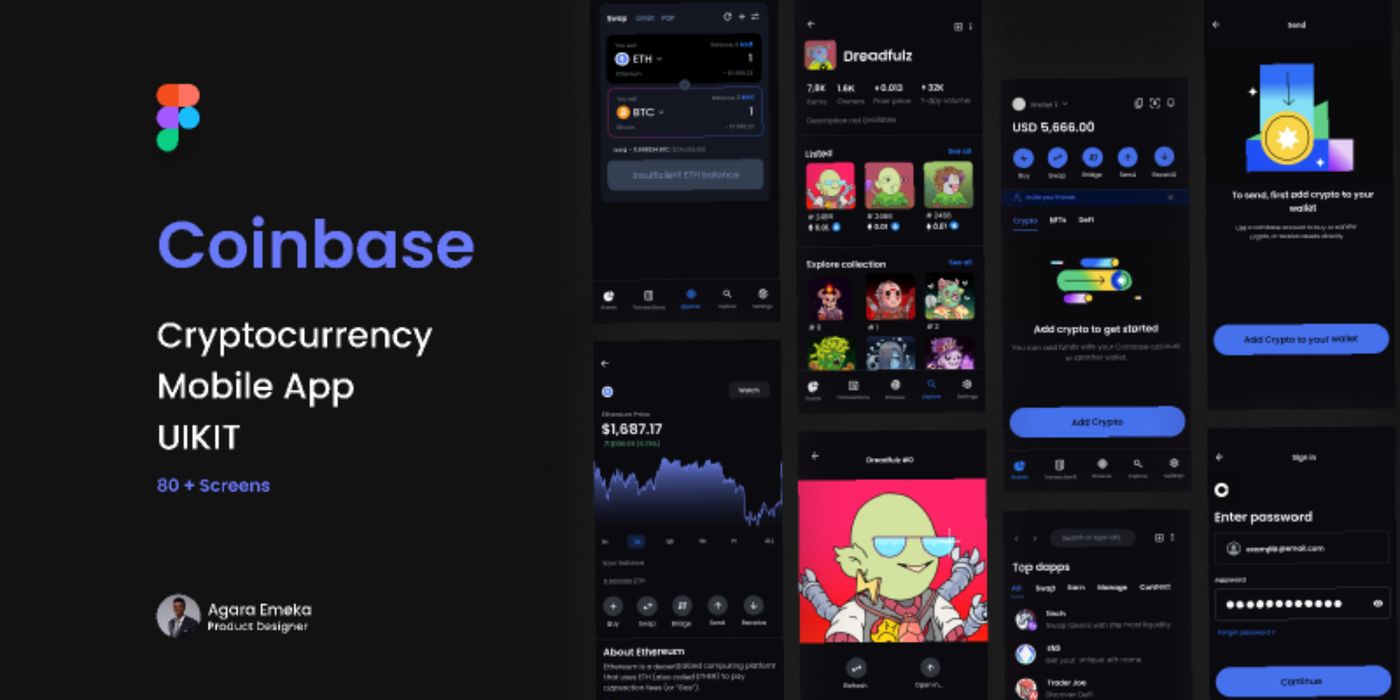
Coinbase is a cryptocurrency exchange platform that functions as a digital marketplace for buying, selling, and storing cryptocurrencies. It operates both a simple interface for beginners and an advanced trading platform called Coinbase Advanced for experienced traders. The company provides a custodial wallet service, meaning it holds customers' digital assets on their behalf, which differentiates it from non-custodial or decentralized exchanges. As of 2025, Coinbase reported holding nearly US$516 billion in assets on behalf of its users, including nearly 12 percent of all bitcoin in existence and 11 percent of all staked Ether. The platform supports hundreds of digital assets and trading pairs, allowing users to trade between cryptocurrencies and traditional fiat currencies like the Canadian dollar. Coinbase generates revenue through trading fees, subscription services like Coinbase One, and interest from staking and lending products.
For Canadian users, the platform is accessible via web browser and mobile apps for iOS and Android. Canadians can fund their accounts using several methods, including Interac e-Transfer and Electronic Funds Transfer (EFT) at no cost, or by using PayPal or a supported debit or credit card. Selling cryptocurrency for Canadian dollars can be done by cashing out to a connected bank account. The company states that customer assets are held one-to-one and are not used or lent without permission. Coinbase also provides educational resources through Coinbase Earn and Coinbase Learn, offering tutorials and rewards for learning about different cryptocurrencies.
History and Growth of the Company
Coinbase was founded in June 2012 by Brian Armstrong, a former Airbnb engineer, with Fred Ehrsam joining as a co-founder shortly after. The company's name derives from "coinbase transactions," which are special transactions that introduce new cryptocurrency into circulation in proof-of-work systems. Its early growth was fueled by venture capital, including a US$5 million Series A round in 2013 led by Union Square Ventures and a US$25 million investment later that year from Andreessen Horowitz, Union Square Ventures, and Ribbit Capital. By 2014, Coinbase had reached one million users and began partnering with major companies like Overstock and Dell to enable bitcoin payments. The corporate entity Coinbase Global, Inc. was incorporated in Delaware in January 2014 as a holding company.
The company expanded internationally, launching services in Canada and Singapore in September 2015. It underwent several rebrandings of its trading platform, changing from Coinbase Exchange to GDAX in 2016 and then to Coinbase Pro in 2018, which later became Coinbase Advanced. A significant milestone was its direct listing on the Nasdaq stock exchange on April 14, 2021, with an initial reference price of US$250 per share. The company has pursued an acquisition strategy over the years, purchasing firms like the blockchain intelligence platform Neutrino in 2019, the trading firm Tagomi in 2020, and the AI support platform Agara in 2021. In a major 2025 move, Coinbase acquired the Dubai-based derivatives exchange Deribit for US$700 million in cash and US$2.2 billion in stock.
- June 2012: Coinbase is founded.
- October 2012: Launches service to buy and sell bitcoin via bank transfers.
- September 2015: Begins offering services in Canada.
- April 2021: Direct listing on Nasdaq (COIN).
- May 2025: Added to the S&P 500 index.
- May 2025: Acquired Deribit cryptocurrency derivatives exchange.
- June 2025: Employed nearly 4,000 people, with roughly 95% working remotely.
Coinbase Operations in Canada
Coinbase officially launched its tailored services for the Canadian market in 2023 as part of a global expansion. The company has stated that Canada is its largest tech hub outside the United States, with nearly 200 full-time local employees. To operate legally, Coinbase Canada, Inc. is registered as a Restricted Dealer with the Canadian Securities Administrators in all provinces and territories. It is also registered with the Financial Transactions and Reports Analysis Centre of Canada (FINTRAC) as a money services business under number M22815925. This regulatory status requires Coinbase to comply with Canadian securities regulations and anti-money laundering laws.
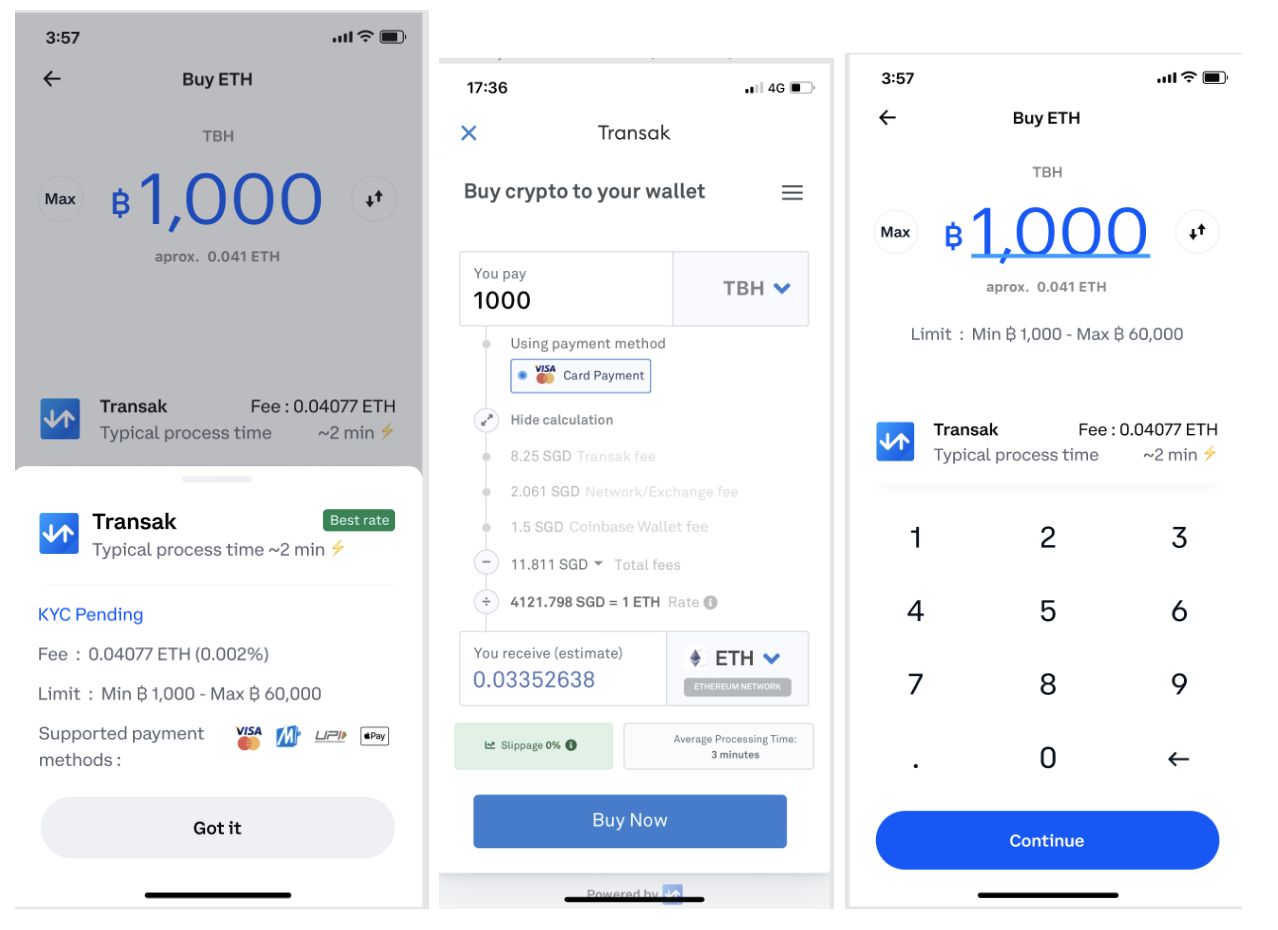
Canadian users benefit from specific features designed for the local financial system. Deposits can be made via Interac e-Transfer and Electronic Funds Transfer (EFT) without fees, allowing for quick cash top-ups. Users can also buy cryptocurrency directly using PayPal or supported debit and credit cards. The platform supports over 240 digital assets and 300 trading pairs for Canadian traders. Coinbase has committed to working with Canadian regulators to help develop a regulatory framework that fosters innovation while prioritizing consumer protection. The company is required under Canadian regulations to notify users if the value of their cryptocurrency holdings incurs a certain level of loss.
Products and Services Offered
Coinbase offers a suite of products catering to retail investors, institutions, and developers. Its primary retail product is the Coinbase app, which provides a simple interface for buying, selling, and storing cryptocurrency. For more advanced users, Coinbase Advanced offers professional trading tools, charting powered by TradingView, and various order types like market, limit, and stop limit. Coinbase One is a subscription service that provides benefits like zero trading fees on spot trades, boosted staking rewards, and priority customer support, though benefits vary by region. The company also offers a self-custody wallet called Coinbase Wallet, which allows users to access decentralized applications (dapps) and hold their own private keys.
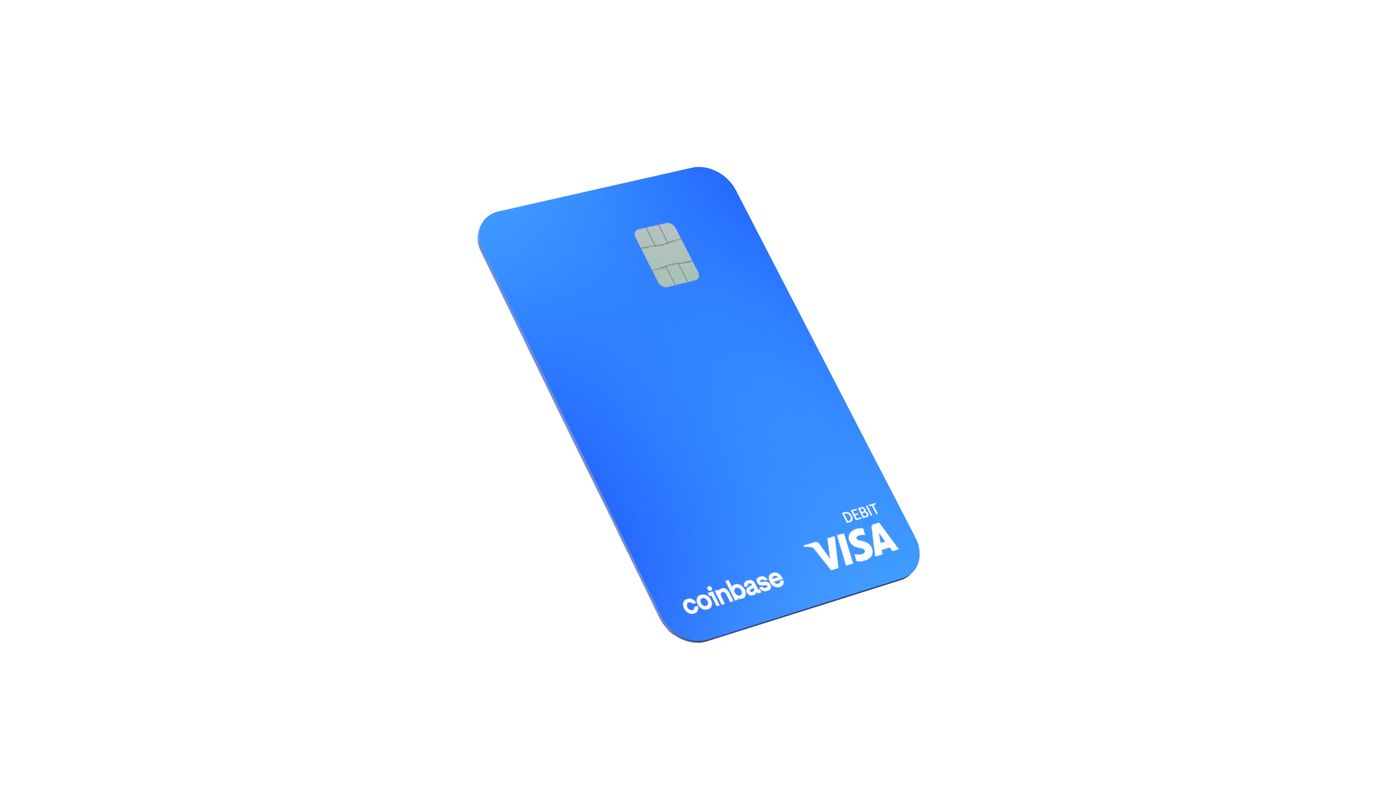
Other key products include staking services through Coinbase Earn, where users can lock certain cryptocurrencies to help validate blockchain networks and earn rewards. Coinbase is part of the consortium that issues USD Coin (USDC), a stablecoin pegged to the U.S. dollar, and holders can automatically earn rewards on USDC balances. For spending, the Coinbase Card is a Visa debit card that allows users to spend their cryptocurrency. For institutions, Coinbase provides a Prime platform and an International Exchange based in Bermuda for trading derivatives like bitcoin and Ethereum futures. The company also operates Coinbase Ventures, an early-stage venture fund investing in blockchain and cryptocurrency startups.
| Product Category | Key Offerings |
|---|---|
| Retail Trading | Coinbase app, Coinbase Advanced, Coinbase One subscription |
| Wallets & Storage | Coinbase custodial wallet, Coinbase Wallet (self-custody) |
| Earning & Staking | Coinbase Earn (staking rewards), USDC rewards |
| Spending | Coinbase Card (Visa debit card) |
| Institutional | Coinbase Prime, Coinbase International Exchange |
| Stablecoin | USD Coin (USDC) issued by Centre consortium |
Fees and Costs for Canadian Users
Coinbase employs a fee structure that varies between its simple trade interface and its Advanced Trading platform. For simple buys and sells through the main Coinbase app, the company includes a spread in the price, which is a difference between the market price and the price offered to the user. This spread acts as a fee. For Advanced Trading, users pay maker and taker fees based on their 30-day trading volume, which can be reduced by achieving higher volume tiers. Canadian users with a Coinbase One subscription receive zero trading fees on spot crypto trades through the Advanced platform for the duration of their subscription, though this excludes Coinbase Advanced and decentralized exchange (DEX) fees.
Funding a Coinbase account in Canada can be done at low or no cost. Interac e-Transfer and Electronic Funds Transfer (EFT) deposits are free. Buying cryptocurrency directly with PayPal or a debit or credit card is possible, but these methods may involve additional fees from the payment provider. Withdrawing Canadian dollars to a connected bank account is typically instant and free. The Coinbase One subscription itself requires a recurring payment. It is important for users to review the latest fee schedule on Coinbase's website, as rates and structures can change.
Security, Regulation, and Notable Risks
Coinbase emphasizes security and regulatory compliance as core aspects of its platform. The company holds crime insurance that protects a portion of digital assets held on its platform, though this does not cover losses resulting from unauthorized access due to individual user error, such as sharing login credentials. Security features for users include auto-enrolled two-factor authentication, support for security keys, password protection, and multi-approval withdrawals for funds held in a Coinbase Vault. The company's financials are publicly audited quarterly by a Big Four accounting firm, providing transparency. However, the platform has faced security incidents, including a sophisticated hacking attempt in 2019 that was blocked and a 2025 extortion attempt where rogue support agents stole customer data. In the 2025 incident, Coinbase refused to pay a US$20 million ransom and instead offered a reward for information, estimating the total cost at up to US$400 million in customer reimbursements.
Regulatory action has been a significant area of risk for Coinbase. In March 2023, the U.S. Securities and Exchange Commission (SEC) issued a Wells notice and later sued Coinbase, alleging it operated as an unregistered broker, exchange, and clearing agency since 2019. The SEC also targeted Coinbase's staking service. This lawsuit was dismissed in February 2025 following a change in the U.S. presidential administration. In Canada, the company operates under restrictive securities regulations as a Registered Dealer. Market risks are also present, as cryptocurrency prices are highly volatile. Canadian regulations require Coinbase to notify users if their portfolio value incurs a significant loss. Furthermore, while the term "stablecoin" is used, there is no guarantee that assets like USDC will maintain a stable value on secondary markets.
Customer Support and Company Controversies
Coinbase provides several channels for customer support. Users can access help through a virtual assistant via in-app messaging, with the option to connect to a live support agent depending on availability. There is also an online Help Center with resources for common issues. Subscribers to the Coinbase One service receive priority support. The company has faced internal and external controversies throughout its history. In 2020, CEO Brian Armstrong published a blog post stating Coinbase would not engage in social or political activism, offering severance to employees who disagreed with this direction. This followed earlier internal backlash after Armstrong initially refused to make a statement about Black Lives Matter.
Other controversies include a 2018 order to provide data on thousands of users to the U.S. Internal Revenue Service, insider trading concerns around the 2017 listing of Bitcoin Cash, and employee complaints about pay disparities. A 2021 New York Times report, using data up to 2018, indicated women at Coinbase were paid an average of eight percent less than men in comparable jobs, and Black employees were paid seven percent less. The company later eliminated salary negotiations in recruiting to address disparities. The 2019 acquisition of Neutrino also drew criticism due to its founders' past links to the HackingTeam, a firm accused of supplying surveillance tools to governments with poor human rights records, leading Coinbase to have those employees transition out.
Frequently asked questions
Is Coinbase legal and safe to use in Canada?
Yes, Coinbase is legal and regulated in Canada. Coinbase Canada, Inc. is registered as a Restricted Dealer with the Canadian Securities Administrators in all provinces and territories. It is also registered with FINTRAC as a money services business. The platform employs security measures like two-factor authentication, crime insurance for assets held on the exchange, and publicly audited financials. However, users should be aware that cryptocurrency investments are inherently risky and not covered by deposit insurance like traditional bank accounts.
How do I deposit Canadian dollars into my Coinbase account?
Canadian users can deposit funds using free Interac e-Transfer or Electronic Funds Transfer (EFT). These methods allow for quick top-ups, even for larger amounts. You can also buy cryptocurrency directly using a PayPal account or a supported debit or credit card, though these methods may involve fees from the payment provider. To start, you need to link your Canadian bank account or payment method within your Coinbase account settings.
What cryptocurrencies can I buy on Coinbase in Canada?
Coinbase supports over 240 digital assets and 300 trading pairs for Canadian users. Popular cryptocurrencies available include Bitcoin (BTC), Ethereum (ETH), XRP (XRP), USD Coin (USDC), Cardano (ADA), Solana (SOL), Dogecoin (DOGE), and Polygon (MATIC). The full list of supported assets is extensive and includes many other tokens. You can view the complete, updated list directly on the Coinbase platform or website.
What are the fees for using Coinbase in Canada?
Fees depend on how you trade. For simple buys and sells on the main Coinbase app, a spread is included in the price. On the Coinbase Advanced platform, fees are based on your 30-day trading volume, with lower fees for higher volumes. Subscribers to Coinbase One pay zero trading fees on spot trades. Depositing funds via Interac e-Transfer or EFT is free, while cashing out to your bank account is typically instant and free. Always check Coinbase's official fee schedule for the most current rates.
Can I earn interest or rewards on my crypto with Coinbase?
Yes, through staking and rewards programs. Coinbase Earn allows you to stake certain cryptocurrencies like Ethereum to help secure their networks and earn staking rewards. When you hold the stablecoin USDC on Coinbase, you are automatically opted into a rewards program with weekly payouts, though the rate is subject to change. The Coinbase One subscription may offer boosted staking rewards as one of its benefits. It is important to note that staking and rewards are not available for all assets and are subject to eligibility.
What happened with the SEC lawsuit against Coinbase?
The U.S. Securities and Exchange Commission sued Coinbase in June 2023, alleging it operated as an unregistered broker, exchange, and clearing agency since 2019. The SEC also challenged Coinbase's staking service. Coinbase contested the allegations and had previously sued the SEC to seek clearer crypto regulations. The lawsuit was dismissed in February 2025 following the election of Donald Trump, ending the legal battle. This dismissal removed a significant regulatory overhang for the company at that time.
Sources and further reading
- Coinbase (Wikipedia) en.wikipedia.org
- Coinbase Canada, Buy & Sell Bitcoin, Ethereum, and ... coinbase.com
- Coinbase: Buy BTC, ETH, SOL, App Store, Apple apps.apple.com
- Coinbase Review: Features, Fees, And User Experience loanscanada.ca
This article explains how things work and is not financial, tax or legal advice. Rules, limits and rates change, so check the current figures with the Canada Revenue Agency, your province or your financial institution before you act.