OTTAWA
Canada's annual inflation rate held steady at 3.1 per cent in October, Statistics Canada reported Monday.
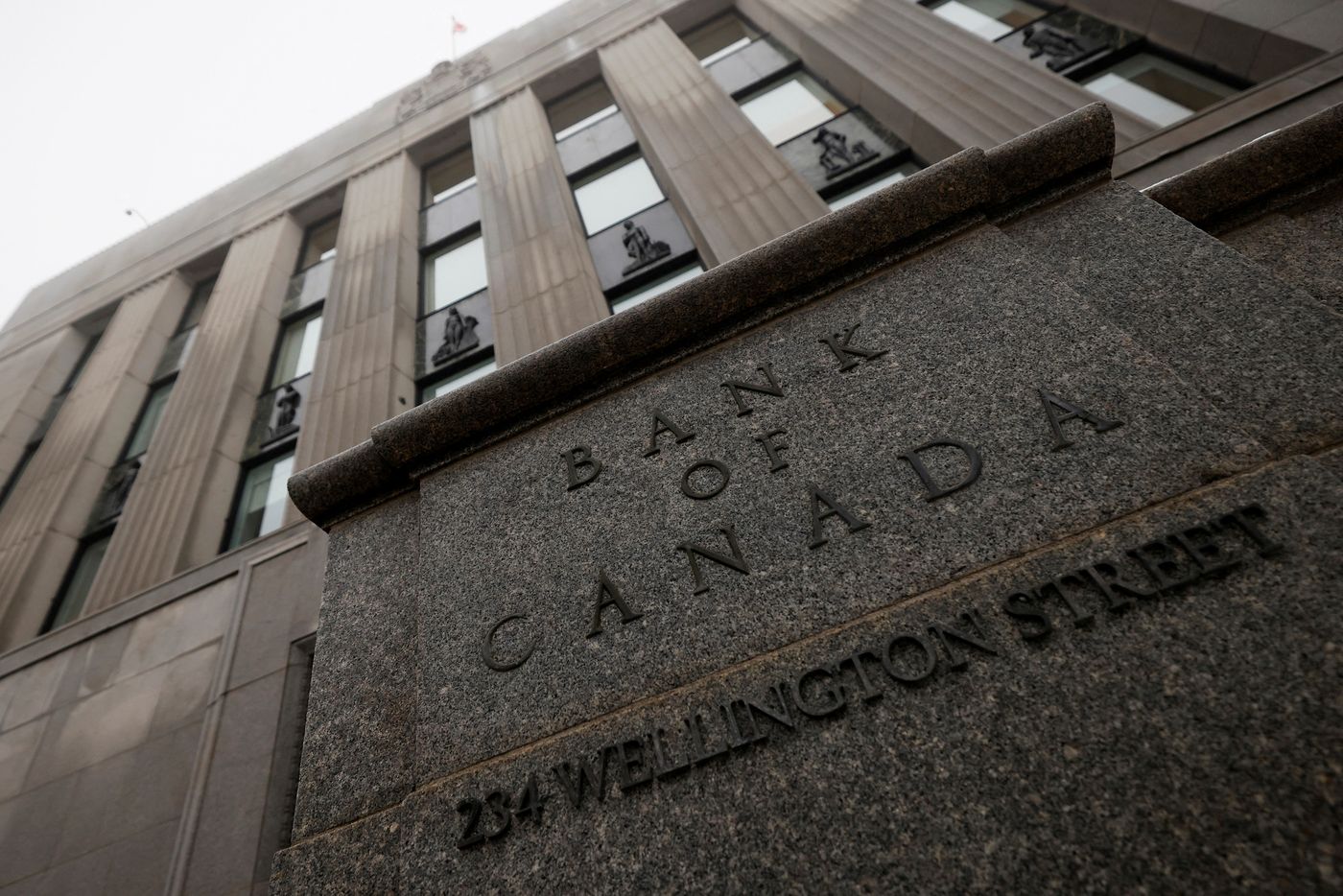
The reading, which matched September's pace, was slightly below economists' expectations of 3.2 per cent and raises questions about whether the Bank of Canada will raise interest rates again in December.
"There's nothing in these numbers at the moment that really screams rate hike for the Bank of Canada," said Benjamin Reitzes, BMO's managing director of Canadian rates and macro strategist.
"They've been particularly hawkish over the past few weeks and they raised rates in October and signalled that more could be necessary."
The central bank raised its key rate by a quarter of a percentage point to 2.5 per cent on Oct. 28, its first hike in more than three years, amid concerns that raised energy costs could fuel broader inflation.
Reitzes said October's inflation numbers "don't necessarily signal that they need to do something immediately, but again, that doesn't mean they won't. There's no clearcut case here either way."
Gasoline continued to be a key driver of headline inflation, rising 30.9 per cent year-over-year in October compared with 27.8 per cent the month before amid continued conflict in the Middle East and Ukraine.
Higher energy costs could eventually push up prices elsewhere, said Royal Bank of Canada economist Abbey Xu.
"The longer energy prices remain raised, the more cost pressures will filter through to consumer prices with a lag," she said in a client note.
Statistics Canada said gasoline prices rose at a faster annual pace last month partly because prices fell sharply in October 2025, making the year-over-year increase appear larger.
On a monthly basis, however, gasoline prices fell 2.5 per cent in October.
Excluding energy, annual inflation eased to two per cent in October from 2.1 per cent in September.
"Underlying price pressures stayed comparatively contained," Xu said, noting that the consumer price index excluding both food and energy slowed to 1.8 per cent.
RBC's diffusion index, which measures how widespread inflation is across the economy, continued to show that "unusually strong price growth has been concentrated in a relatively narrow share of the consumer basket," she said.
Economists say the data suggests inflation is not meaningfully spreading beyond high energy costs.
"With little sign that inflation is spreading as much and/or as quickly as the Bank of Canada seemed to fear when they raised interest rates in October, we continue to forecast a hold at the December meeting," CIBC economist Andrew Grantham wrote in a note to clients.
Oxford Economics wrote that the "relatively benign" report raises the likelihood of a hold by the central bank in December.
According to Bloomberg data, as of Monday afternoon, traders in the overnight swap market put the implied odds of a hold at 63.5 per cent at the central bank’s next meeting.
Statistics Canada's core inflation measures were little changed last month. In October, CPI-median held steady at 2.0 per cent, CPI-trim eased slightly to 1.8 per cent, and CPI-common edged up to 2.5 per cent.
RSM Canada economist Tu Nguyen says these "remarkably steady" core inflation figures show high oil prices have not spilled into other parts of the economy in a meaningful way.
"Evidence points to energy inflation being relatively contained, which gives the Bank of Canada some buffer to wait until January 2027 for the next rate hike," she wrote on Monday.
Grocery and clothing prices rise
Meanwhile, Canadians once again faced higher prices at grocery stores.
Statistics Canada said the cost of food purchased from stores accelerated to two per cent year-over-year in October after four consecutive months of slower price growth.
Fresh vegetable prices rose 1.4 per cent year-over-year in October after falling 2.9 per cent in September while condiments, spices and vinegars were up 2.6 per cent.
Compared with October 2020, the agency said grocery prices have climbed 31.9 per cent.
Even as inflation slows, Canadians are still feeling the effects of years of rising prices, Reitzes said.
"The reality is inflation is only prices going higher; prices don't come back down in general," he said.
"What we need to happen is a lengthy period of relatively low inflation and some good wage growth and that'll make everyday Canadians feel much better."
Meanwhile, prices for clothing were up 1.8 per cent in October, driven by a 2.2 per cent year-over-year increase in women's clothing and a 1.4 per cent increase in men's clothing.
Clothing prices were up 3.4 per cent month-over-month in October, the largest monthly increase since September 2019.
Statistics Canada said the price increases coincided with higher shipping costs.
Prices for cellphone plans fell 6.2 per cent year-over-year in October, after rising 0.8 per cent in September.
The agency said the decline was largely due to comparisons with a year ago, when companies had raised prices.
Slower rent price growth also helped ease inflation, particularly in British Columbia, while rents in Ontario rose 1.1 per cent year-over-year in October.
The Bank of Canada's next interest rate decision is scheduled for Dec. 9.
This story was written by the e2gold.ca newsroom from reporting by The Globe and Mail, Yahoo News, CBC News and Bloomberg.com. Quotes are checked word for word against that reporting.