OTTAWA
The federal government is promising legislative changes in its latest budget to boost competition in Canada's banking sector, aiming to make it easier for new financial institutions to enter the market.
The budget, released Thursday, says it will change the law governing the Office of the Superintendent of Financial Institutions to add a "secondary competition objective" to its mandate, which currently focuses solely on maintaining a stable financial system.
Further amendments to the acts governing banks, trust companies and insurers will establish a one-year timeline for making decisions on applications to create new banks.
"Expanding OSFI’s mandate to include growth and competition is an important step in balancing financial stability and economic resilience," Canadian Bankers Association chief executive officer Anthony G. Ostler said in a statement.
"Measures to facilitate the process for becoming a federally regulated financial institution and to encourage the growth of small and mid-sized banks will allow for more flexibility and choice."
The budget also seeks to allow more flexible ownership structures for smaller banks in a market dominated by the Big Six banks, which hold more than 90 percent market share.
The threshold at which a bank's shares must be widely held would rise from $12 billion to $25 billion in equity.
Foreign bank subsidiaries with less than $8 billion in equity would be exempted from the public shareholding requirement, provided their parent company abroad is widely held and listed on a recognized foreign stock exchange.
The plan would also give credit unions easier ways to access capital and expand their reach.
OSFI superintendent Peter Routledge has already been focused on bringing competition and innovation into the highly concentrated sector.
In June, Routledge launched a pilot project that could strip years off the process to become a bank.
"Canadians want more competition," he said in an interview in October, adding that OSFI will have to regulate through a period of immense change in the financial sector over the next decade.
The regulator has also been examining how its capital framework may disadvantage small and medium-sized lenders, which Routledge referred to as a "competitive imbalance" between smaller banks that follow a standardized approach and larger banks that use internal ratings to manage capital.
Other financial-sector measures in the budget include a plan to give troubled banks more "exit options," providing greater flexibility to transfer assets and liabilities to other institutions in periods of stress.
Ottawa also intends to update Canada's deposit insurance framework by raising its limit to $250,000 from $100,000 and removing the limit on eligible deposits in registered and tax-free accounts, among other measures.
The budget measures are part of a federal plan aimed at "responsibly modernizing" Canada's financial sector.
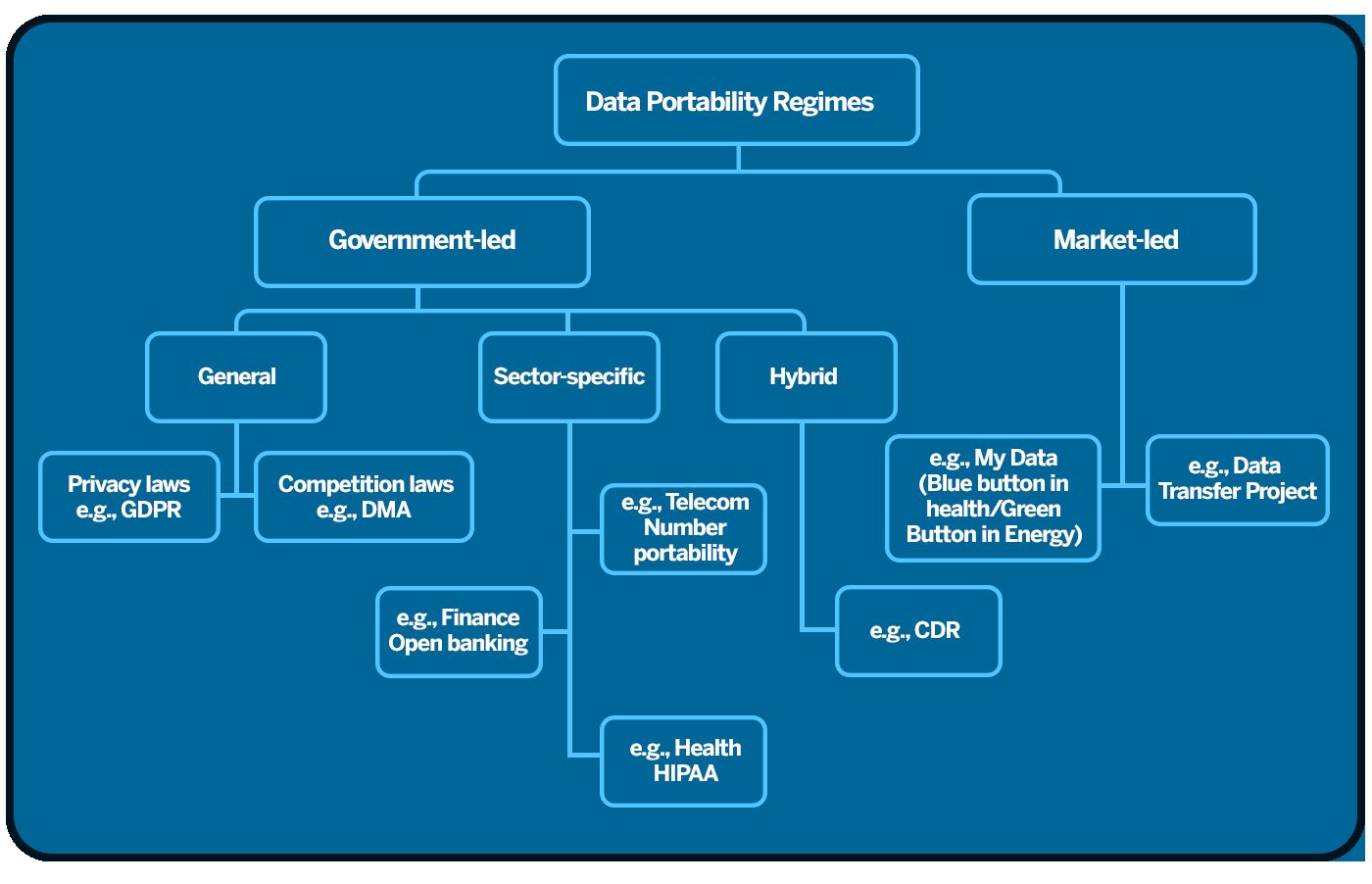
The government has indicated that open banking legislation, which would allow lenders to access consumer banking data with consent, will be advanced as part of its broader financial-sector reform plan.
e2gold.ca reported on Thursday that the Liberals tabled a $142.1 billion budget focused on investment and affordability.
This story was written by the e2gold.ca newsroom from reporting by The Globe and Mail and Rich Picks Daily. Quotes are checked word for word against that reporting.