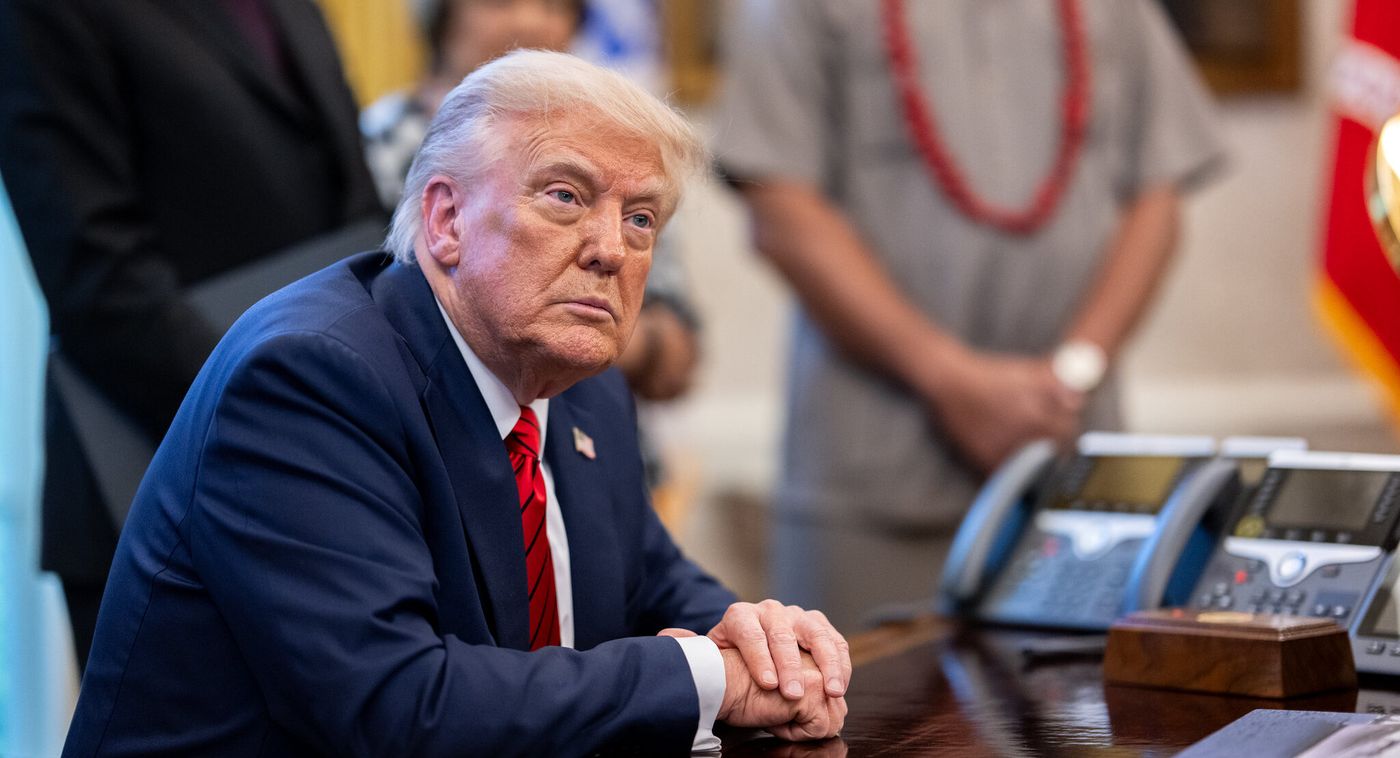
U.S. President Donald Trump's political vulnerabilities ahead of next week's midterm elections have created a window for a potential trade deal with Canada, according to multiple government and industry sources.
"Canada is learning their lesson… They’re treating us extremely nicely lately," Trump said at a rally in South Carolina on Thursday.
The momentum of talks, recently restarted in earnest, combined with the midterm pressure has led to the belief there is considerable appetite from the White House to strike a deal, the sources told CTV News.
All the sources cautioned an agreement was far from certain given the past behaviour of Trump and his trade delegates.
But over the last week, the White House has shown much more interest in arriving at an agreement "than in all the weeks prior," according to one source, who also intimated progress on auto tariffs looked possible relative to where things were at when talks broke down in August.
Midweek, cabinet ministers briefed on the increased pace of talks remained skeptical Trump will make the necessary concessions to secure a deal.
However, many who spoke to CTV News were convinced he wants one, given the political pressure he faces.
One minister, who was not authorized to speak publicly, told CTV News it’s "now or maybe never" that a window exists to get Trump to make concessions on issues, particularly auto tariffs, that are dominating key U.S. Senate races in places like Michigan.
Other red-line issues for Canada include French language and culture, and Canada’s ability to trade with other countries.
Two sources told CTV News they expect Trump could move on the latter two, but autos remain the toughest negotiating issue.
Two others were unsure if Canada should hand Trump any kind of win in advance of the midterms.
On Parliament Hill Wednesday, Prime Minister Mark Carney was asked why Canada was willing to entertain a deal when Trump’s delegates were setting Canada up to take blame for midterm losses.
"We think there are deals that are in the best interests of Canada first and foremost, but also are in the interests of the United States. That’s always been the case," Carney said. "We’ve been consistent. If those deals present themselves, we will pursue them. But we’re not at that position right now."
As of Friday morning, any breakthrough remained to be seen, with the window of political opportunity likely closing quickly.
It could slam shut if Trump does what his ambassador to Canada told a closed door meeting this week: blame Canada if key races don’t go the Republican’s way next week.
Canada-EU summit muddles partnership label
The other major discussion of the week was around a new alliance between Canada and the European Union.
After European Commission President Ursula von der Leyen last month invited Canada to become an "associate member" of the EU, there was pushback both within Europe and in Canada, where officials prefer the term "alliance for the future."
Heading into this week’s summit, sources confirmed the controversial "associate member" label was not in the draft statement set to be released.
Von der Leyen doubled down, using the term again in her speech Thursday, calling the proposed status for Canada "association without accession."
Questioned on the confusion, Carney asserted "the nomenclature doesn’t matter," and what does is what goes into the agreement.
He then hours later used both terms in one sentence: "We’re in the process of forging a new alliance, an alliance for the future, with Canada as an associate member."
While some policy pieces could be agreed to this week, the exact details of the agreement will not be finalized. The aim is to make an official announcement next year.
e2gold.ca reported in October that Industry Minister Mélanie Joly said the goal is to move from a free-trade agreement to a common market with Europe.
This story was written by the e2gold.ca newsroom from reporting by BNN Bloomberg and CTV News. Quotes are checked word for word against that reporting.