Cryptocurrency news covers the volatile market movements, regulatory developments, and security issues surrounding digital assets like Bitcoin and Ethereum. For Canadians, staying informed is crucial due to the high risks and the evolving regulatory landscape designed to protect investors. Understanding this news helps investors make informed decisions and recognize the significant risks involved with crypto assets, which are not legal tender in Canada.
Understanding Cryptocurrency and Blockchain Basics
Cryptocurrency is a virtual currency where transactions are recorded and confirmed on a public digital ledger known as a blockchain. A blockchain is a decentralized system where transaction records are stored across a network of computers, removing the need for a central authority like a bank. The security of these systems relies on cryptography, using public and private keys to identify, authenticate, and encrypt holdings. Unlike the Canadian dollar, crypto assets are not legal tender, meaning no government or central bank backs them, and their value is determined solely by market supply and demand. This fundamental difference is a primary source of the asset class's volatility and risk.
As of February 2023, there were 22,519 different cryptocurrencies available on the open market. The total market capitalization for the entire crypto industry at that time was over one trillion US dollars. Bitcoin and Ethereum together dominated approximately 60 percent of that total market value. New cryptocurrencies can be created through processes like mining, which uses a proof-of-work system to validate transactions, or through staking, which uses a proof-of-stake mechanism. Ethereum itself transitioned to a proof-of-stake model, which is considered more energy efficient than the traditional mining approach.
The Canadian Regulatory Environment and Registered Platforms
Canadian regulators actively oversee the crypto sector to protect investors from unfair or fraudulent practices. The Ontario Securities Commission (OSC) is a key provincial regulator with a mandate to foster fair and efficient capital markets. Federal oversight also comes from the Financial Transactions and Reports Analysis Centre of Canada (FINTRAC), which registers platforms as money services businesses. Crypto trading platforms must be registered to operate legally with Canadian customers. This regulatory framework is designed to provide a baseline of consumer protection, though it does not eliminate the inherent risks of investing in crypto assets.
Several platforms are authorized to do business with Canadians as crypto asset trading platforms. These registered entities include Netcoins Inc., Ndax Canada Inc., Coinbase Canada Inc., and Coinsquare. Other major international platforms like Crypto.com and Kraken also operate registered services in Canada. These platforms provide the infrastructure for Canadians to buy, sell, and trade over 400 different cryptocurrencies. Registration means these firms have agreed to comply with Canadian securities laws and anti-money laundering regulations, which is a critical first step for investors seeking a measure of security.
How to Buy, Sell, and Trade Cryptocurrency in Canada
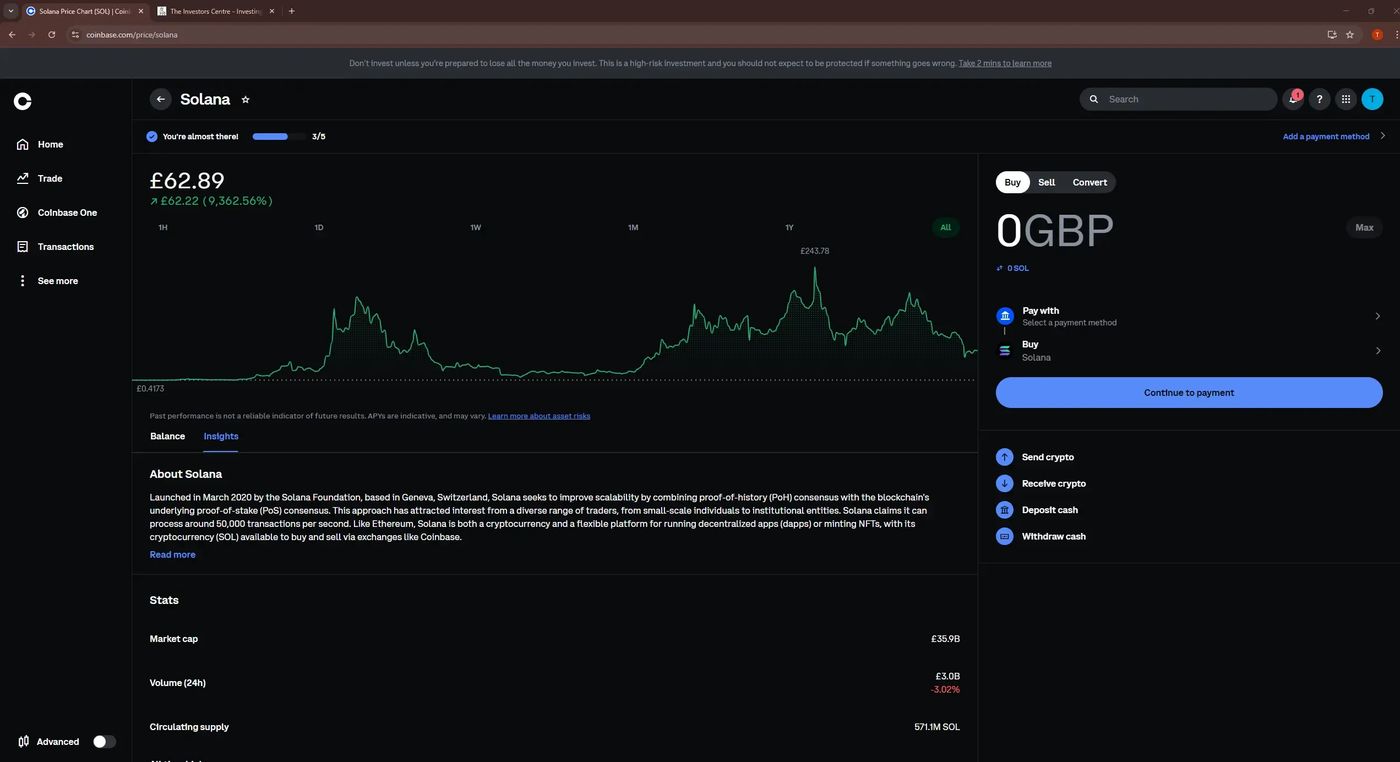
Canadians have multiple avenues to acquire cryptocurrency, primarily through registered online platforms. The most common method is using a crypto exchange or brokerage service, which acts as an intermediary. These platforms, such as Coinbase Canada or Crypto.com, allow users to create an account, deposit Canadian dollars, and execute trades. Deposits are often facilitated through Interac e-Transfer or Electronic Funds Transfer (EFT), with some platforms offering these cash top-ups without fees. Investors can also buy crypto directly using a PayPal account or a supported debit or credit card for instant purchases, though fees may apply.
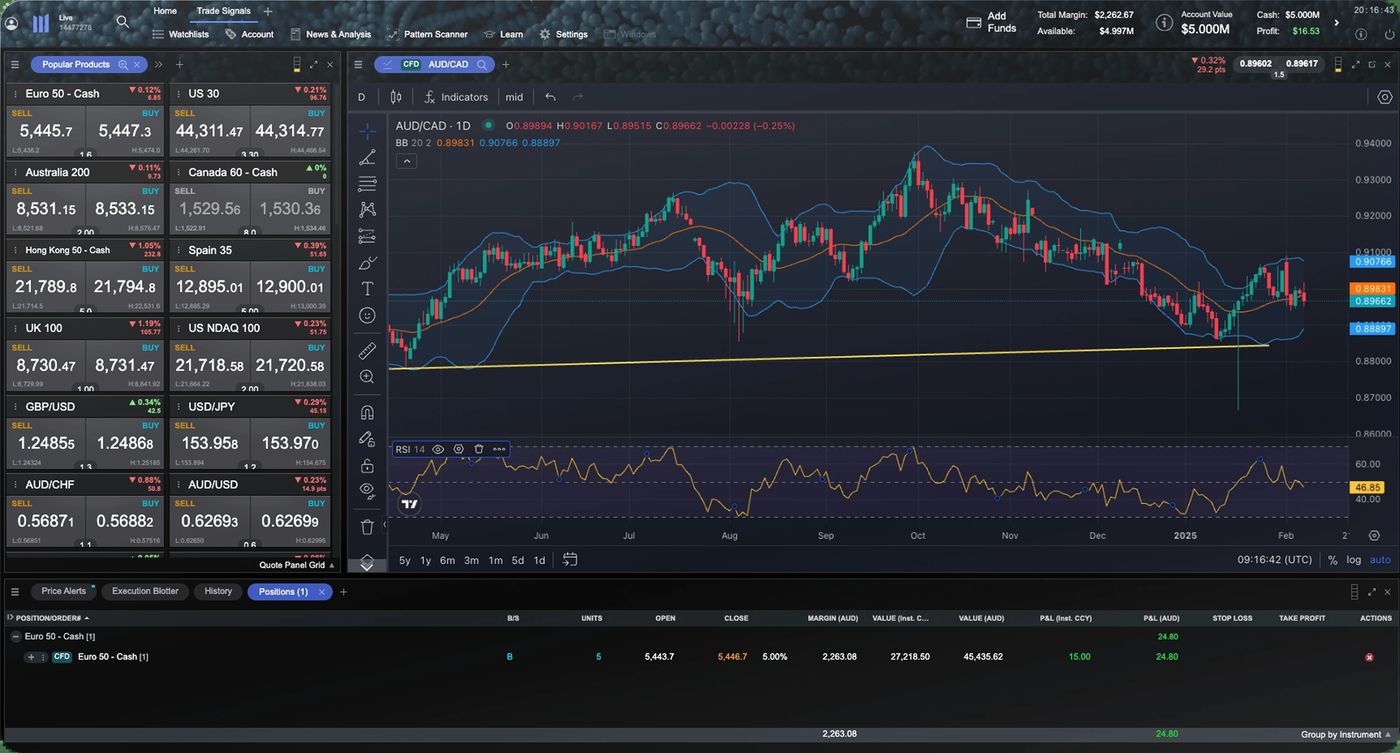
The general steps to begin trading involve choosing a registered platform, completing identity verification for security and regulatory compliance, and depositing funds. Once funds are available, users can place orders to buy cryptocurrencies. Platforms typically offer both simple interfaces for beginners and advanced trading interfaces with tools like real-time charts, multiple order types, and technical indicators. After purchasing, the crypto assets are held in a digital wallet provided by the platform or in a separate private wallet. It is essential to conduct thorough research and only invest capital one can afford to lose, as prices are highly volatile.
- Choose a registered cryptocurrency exchange or brokerage platform.
- Complete the account setup and identity verification process (Know Your Client).
- Deposit Canadian dollars using Interac e-Transfer, EFT, or a card.
- Research and select the cryptocurrency you wish to purchase.
- Place a buy order (market or limit order) on the platform.
- Securely store your purchased assets in a digital wallet.
Major Risks: Volatility, Fraud, and Security Threats
Cryptocurrency investment carries substantial risk, primarily due to extreme price volatility. An International Monetary Fund report from early 2022 found a correlation between stock movements and cryptocurrencies, meaning traditional financial factors like interest rates, geopolitical events, and corporate earnings can impact crypto prices. This volatility means the value of an investment can decrease rapidly, and investors could lose their entire principal. Fraud and security breaches represent another severe risk. The global crypto fraud economy has exploded in size alongside the adoption of digital assets. In 2023 alone, crypto scams totalled US$3.96 billion, a 53 percent year-on-year increase according to the FBI. A common tactic is approval phishing, where fraudsters trick individuals into granting access to their Ethereum blockchain wallet, allowing the criminal to withdraw funds. Canadian authorities have prosecuted cases like that of Aiden Pleterski in Ontario, who was charged with fraud over $5,000 and laundering proceeds of crime, and David Smillie in British Columbia, who faced penalties for fraud on his ezBtc platform.
Notable Canadian Enforcement Actions and Investor Protection
Canadian securities regulators and law enforcement agencies collaborate extensively to combat crypto fraud and protect investors. A landmark coordinated effort was Operation Avalanche, led by the British Columbia Securities Commission in March. This operation involved the OSC, the Alberta Securities Commission, the Autorité des marchés financiers, the RCMP, local police departments, and the U.S. Secret Service. The focus was on disrupting approval phishing scams and directly warning potential victims. During the operation, 89 victims were contacted by telephone or email to alert them that they may have lost or were at risk of losing assets.
The participating registered crypto trading platforms, including Netcoins, Ndax, Coinbase, and Coinsquare, played a role by providing information to aid the investigation. This type of cross-jurisdictional cooperation is crucial for tackling scams orchestrated by transnational organized crime. The OSC's mandate explicitly includes protecting investors from unfair, improper, or fraudulent practices. Investors are urged to check the registration of any person or company offering a crypto investment opportunity through the regulator's website before committing any funds.
Cryptocurrency Market Trends and News Topics
Cryptocurrency news covers a wide spectrum of topics that influence investor sentiment and market prices. Price action is a constant focus, with reports on Bitcoin's weekly performance, resistance and support levels, and comparisons to traditional asset classes like stocks. For instance, news may highlight when the crypto market moves opposite to U.S. stocks, or when Bitcoin is on track for its best week in more than three years. Other frequent subjects include the development and regulation of stablecoins, which are digital assets pegged to a fiat currency like the U.S. dollar, and the progress of central bank digital currencies (CBDCs) in Canada and abroad.
Technological and institutional adoption also generates significant news. This includes stories about major financial institutions like the Royal Bank of Canada bolstering their digital asset businesses, or debates about the utility of a Canadian central bank digital dollar versus private-sector alternatives. Mining news is relevant in Canada due to the country's cold climate and low electricity costs, which make it attractive for Bitcoin mining, accounting for 6.48 percent of global production. Additionally, news often covers the growth of decentralized finance (DeFi), non-fungible tokens (NFTs), and the evolving regulatory landscape, such as new stablecoin bills passed in other countries and their potential implications for Canada.
Fees, Staking, and Platform Features in Canada
Costs associated with trading cryptocurrency vary by platform and can significantly impact investment returns. Common fees include trading fees, which may be a percentage of the trade value, and withdrawal fees for moving crypto off an exchange. For example, one platform, Bitbuy, charges a 1.5 percent fee for withdrawals and requires a minimum deposit of $50, while deposits are free. Some platforms offer tiered fee structures or promotional periods with zero trading fees for advanced users. It is important for investors to review the complete fee schedule of any platform, as additional spreads or network fees may also apply to transactions.
Many platforms offer additional features like staking and rewards programs. Crypto staking allows holders to lock up their assets to help maintain a blockchain network's operations, often using a proof-of-stake model. In return, investors earn staking rewards, which are typically paid out every few days. The amount depends on the cryptocurrency and the length of the stake. Some exchanges also offer automatic reward programs for holding certain assets like USDC, a type of stablecoin.
| Platform Feature | Example or Detail |
|---|---|
| Deposit Methods | Interac e-Transfer, EFT, PayPal, Debit/Credit Card |
| Common Trading Fee Type | Percentage of trade value (varies by platform/tier) |
| Withdrawal Fee Example | 1.5% (Bitbuy) |
| Minimum Deposit Example | $50 (Bitbuy) |
| Staking Rewards | Paid for validating the network. Payout frequency varies |
| Asset Insurance | Some platforms offer protection against unauthorized transactions |
Frequently asked questions
What is the biggest risk of investing in cryptocurrency?
The biggest risks are extreme price volatility and the potential for fraud. Crypto prices can swing dramatically, with assets like Bitcoin losing half their value from peak prices. Additionally, crypto scams totalled nearly US$4 billion globally in 2023. Fraud tactics like approval phishing can drain wallets, and investments can be lost entirely if a platform fails or is hacked.
Can I earn interest on my cryptocurrency in Canada?
Yes, some platforms offer ways to earn rewards on cryptocurrency holdings. The most common method is staking, where you lock up your crypto to support a blockchain network's operations and earn rewards in return. Some platforms also offer reward programs for simply holding certain stablecoins. These programs are not guaranteed, carry risk, and are subject to change at any time.
Is cryptocurrency legal in Canada?
Cryptocurrency itself is legal in Canada, but it is not considered legal tender, meaning it is not officially backed or issued by the government like the Canadian dollar. Crypto assets are very risky and are not legal tender in Canada. Crypto trading platforms must be registered with provincial securities regulators and with FINTRAC as a money services business to operate legally with Canadian customers. The Ontario Securities Commission and other regulators coordinate actions to combat fraud and protect investors, as seen in operations like Operation Avalanche.
How do I buy Bitcoin in Canada safely?
To buy Bitcoin safely in Canada, you should use a cryptocurrency trading platform that is registered and authorized to do business with Canadians. Platforms like Coinbase Canada Inc, Netcoins Inc, and Ndax Canada Inc are registered to operate. These platforms offer secure onboarding, allow deposits via Interac e Transfer, and provide digital wallets for storage. It is crucial to only invest what you can afford to lose, conduct your own research, and be aware that crypto assets are very risky and not legal tender.
What was Operation Avalanche?
Operation Avalanche was a coordinated cross Canada enforcement action led by the British Columbia Securities Commission in March. It involved securities regulators from Ontario, Alberta, and Quebec, along with police agencies and registered crypto trading platforms. The operation aimed to warn 89 identified victims of a specific crypto fraud tactic called approval phishing on the Ethereum blockchain. In this scam, individuals are tricked into granting access to their digital wallets, allowing fraudsters to withdraw crypto assets.
Why is cryptocurrency news so focused on price changes?
Cryptocurrency news focuses heavily on price changes because the market is highly volatile and prices are a key concern for investors. News reports track Bitcoin climbing above specific price points or dipping near support levels. Prices are influenced by factors like risk sentiment, regulatory news, and broader market trends, similar to stocks. This focus helps investors monitor the market, though crypto assets remain very risky and their value can fluctuate dramatically based on supply and demand.
Sources and further reading
- Canadian Cryptocurrency Prices bitbuy.ca
- Cryptocurrency, Trade and Investing News financialpost.com
- Canadian regulators and crypto platforms coordinate to ... osc.ca
- Coinbase Canada, Buy & Sell Bitcoin, Ethereum, and ... coinbase.com
- Buy, Sell & Trade Crypto with a Trusted App crypto.com
This article explains how things work and is not financial, tax or legal advice. Rules, limits and rates change, so check the current figures with the Canada Revenue Agency, your province or your financial institution before you act.