Choosing a cryptocurrency exchange in Canada involves selecting a platform that converts Canadian dollars into digital assets. The right exchange depends on your preferred payment methods, the amount you wish to transact, and your preference for custody of your coins. It is essential to verify that any exchange you use is registered with Canadian regulators such as FINTRAC and the Canadian Securities Administrators. You should also check who holds your coins and understand the platform's fee structure and custody model before you commit any funds. The platform you choose can significantly impact the success of your crypto trades.
Understanding Cryptocurrency Exchange Types
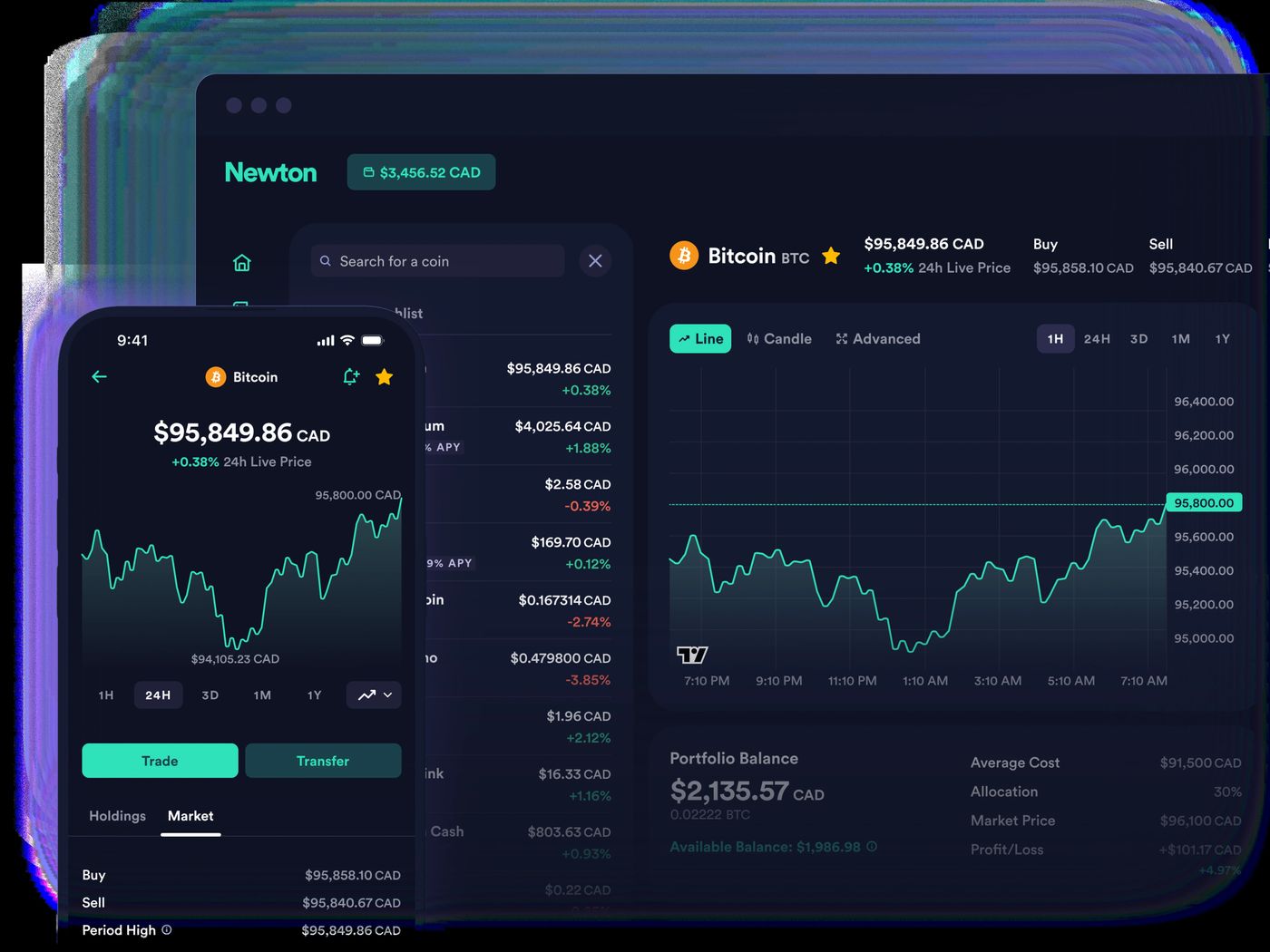
The first major decision for Canadian crypto users is choosing between different types of exchange services, which dictate who controls the assets. Custodial exchanges hold your cryptocurrency on your behalf within their platform, similar to how a brokerage holds stocks. You access your balance through a login, and the platform is responsible for security. Non-custodial exchanges facilitate a direct trade where you send Canadian dollars and receive cryptocurrency directly into a private wallet you control, meaning you are solely responsible for securing the private keys. A third option, cryptocurrency automated teller machines (ATMs), allow for the purchase of crypto with physical Canadian cash, though they typically offer a narrower selection of coins. Peer-to-peer platforms connect buyers and sellers directly, often using an escrow service, and can facilitate transactions without a central intermediary. Neither custodial nor non-custodial models are inherently safer. The choice hinges on whether you prefer to manage your own wallet security or trust a platform to do so.
Mandatory Regulatory Registration in Canada
Any business that exchanges or transfers cryptocurrency for residents of Canada must be registered with FINTRAC as a money services business. This registration is a legal requirement for anti-money laundering purposes, not a guarantee of safety or an endorsement of the business. You can verify a platform's status by finding its FINTRAC number, which begins with an 'M' followed by eight digits, on its website and searching the public Money Services Business Registry. The registry entry should show a status of Registered, list virtual currency dealings as an activity, and the legal name must match the platform's public name. For residents of Quebec, an additional check of Revenu Quebec's register of money-services businesses is necessary. Beyond FINTRAC, platforms that hold cryptocurrency for customers may also need authorization from provincial securities regulators. The Canadian Securities Administrators publishes a list of crypto asset trading platforms authorized to do business with Canadians. Registration with securities authorities involves a higher level of scrutiny regarding custody and operations. It is crucial to understand that cryptocurrency holdings are not protected by the Canada Deposit Insurance Corporation, even on registered platforms.
Key Factors for Comparing Exchanges
Once you confirm a platform's regulatory standing, you should compare it on several practical dimensions that affect cost, convenience, and control. The available payment methods are a primary consideration for Canadians, with Interac e-Transfer being the most common and often free for deposits. Bank wire transfers are used for larger amounts but may incur fees and take several days. Some platforms accept credit or debit cards, but card issuers may treat these as cash advances, leading to extra fees. The fee structure is another critical factor, encompassing trading fees, which often range from 0.5% to 2% per transaction, and withdrawal fees for moving Canadian dollars or crypto off the platform. Security practices are paramount, and many reputable exchanges store over 80% of customer assets in offline cold storage, with some carrying insurance policies for assets held online. The selection of cryptocurrencies varies widely, with some platforms offering over 200 different coins and tokens while others focus on a smaller number of major assets. Finally, you must consider the platform's custody model, as this determines whether you or the exchange holds the private keys to your cryptocurrency.
Depositing Canadian Dollars to Buy Crypto
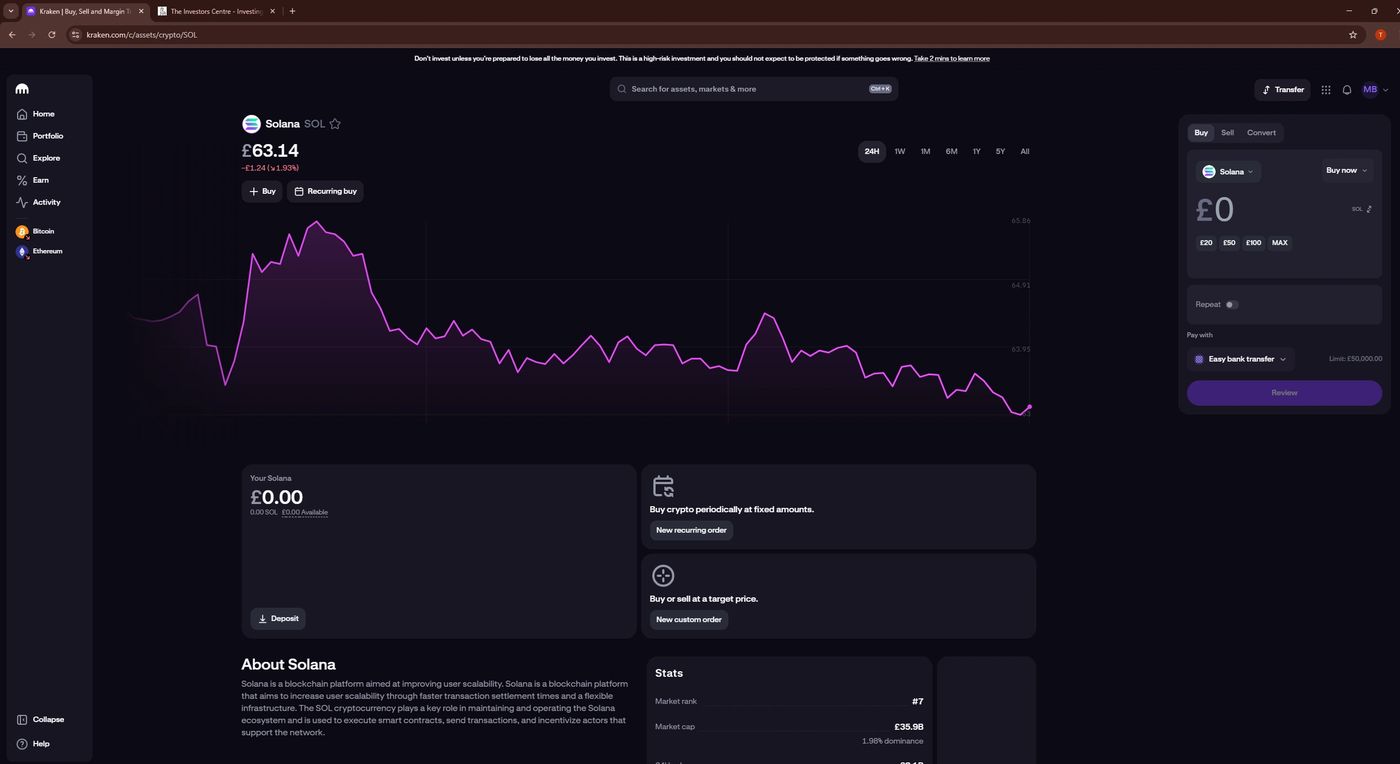
Funding your account with Canadian dollars is the first step to buying cryptocurrency, and the methods available directly impact your costs and transaction limits. Interac e-Transfer is widely supported and popular due to its speed, often reflecting funds within minutes, and many platforms offer this deposit method free of charge. Daily limits for Interac e-Transfers are typically set by your personal bank, not the crypto exchange. For transactions exceeding everyday payment caps, such as purchases over $25,000, a bank wire transfer is the standard method. Wire transfers can take up to three business days to arrive at the exchange and may involve fees from both your bank and the platform. Some exchanges allow direct purchases with a credit or debit card or through third-party services like PayPal, providing instant access but often at a higher cost due to processing fees. A less common method is depositing physical Canadian cash at a cryptocurrency ATM, which completes the purchase directly without needing a prior exchange account. Regardless of the method, you should always verify the complete cost, including any spread or fee, before confirming the transaction.
Fee Structures Across Canadian Platforms
Trading fees are a primary cost of using a cryptocurrency exchange, and they can vary significantly between platforms and based on your trading volume. Many exchanges charge a percentage fee based on the total value of each trade. Some platforms use a spread-based model, where the cost is embedded in the difference between the buy and sell prices, and they may advertise this as having no explicit trading fee. It is essential to look at the total cost of a transaction, as a low fee might be offset by a wide spread. Withdrawal fees are another cost component, with charges for moving Canadian dollars back to your bank account or sending cryptocurrency to an external wallet. Trading fees often range from 0.5% to 2% per transaction, and these fees can be tiered, meaning active traders or those holding larger balances may qualify for lower rates. Always review a platform's full fee schedule, which should be publicly available on its website, to understand all potential charges for deposits, trading, and withdrawals.
| Fee Type | Typical Cost or Range |
|---|---|
| Trading Fee | 0.5% to 2% per transaction |
| Interac e-Transfer Deposit | Often free |
| Interac e-Transfer Withdrawal | Free to $1.50 per transaction |
| Bank Wire Deposit | Often free |
| Bank Wire Withdrawal | Free to $50 (can be a flat fee or a percentage) |
| Cryptocurrency Withdrawal | Network fee only, or a small platform fee |
These fees can be tiered, meaning active traders or those holding larger balances may qualify for lower rates. For example, trading fees on some platforms range from 0.5% to 2% per transaction based on client tier. Always review a platform's full fee schedule, which should be publicly available on its website. This schedule details all potential charges for deposits, trading, and withdrawals. Some exchanges offer free deposits via Interac e-Transfer but may charge for other methods like wire transfers.
Security Standards and Asset Protection
Security is a paramount concern when selecting a cryptocurrency exchange, as the assets are digital and often targeted by thieves. A fundamental security practice among reputable platforms is the use of cold storage, where the majority of customer funds are kept offline in systems not connected to the internet. Many Canadian exchanges state they store over 80% of assets in this manner. For the portion kept online in hot wallets to facilitate trading, some platforms carry insurance policies to protect against theft from hacking incidents. User account security is also critical, and platforms should offer and strongly encourage two-factor authentication (2FA) using an authenticator app or hardware key. It is important to understand that while a platform may be registered with FINTRAC and the CSA, this does not guarantee the safety of your assets. Cryptocurrency is not considered legal tender in Canada and is not covered by the Canada Deposit Insurance Corporation. If you use a custodial platform, you are trusting that business with the safekeeping of your coins. In a non-custodial model, you assume full responsibility for securing your private keys, often by using a hardware wallet for significant holdings.
Selling Cryptocurrency for Canadian Dollars
Selling cryptocurrency and converting it back to Canadian dollars involves a process similar to buying, but in reverse. You must send your crypto from your wallet to the exchange's designated address for the sale. On custodial platforms, you can initiate a sell order directly from your balance held on the platform. The platform will then execute the trade and credit your account with Canadian dollars, which you can then withdraw. Common payout methods include Interac e-Transfer, which is often fast and may have a small fee, or bank wire transfers for larger amounts. On non-custodial services, the sale is typically a single-quote transaction where you agree to a rate, send the cryptocurrency, and receive a Canadian dollar payment directly to your bank account shortly after the transaction is confirmed on the blockchain. Minimum and maximum sale limits apply, often starting around $50 and capping at $25,000 per transaction for everyday methods. It is crucial to be aware of the tax implications, as the Canada Revenue Agency treats cryptocurrency as property, meaning sales may trigger capital gains or business income that must be reported.
Common Mistakes to Avoid
Several common errors can lead to lost funds or unnecessary complications when using cryptocurrency exchanges in Canada. Failing to verify a platform's FINTRAC registration is a significant risk, as unregistered entities operate outside Canada's anti-money laundering framework. Another mistake is not understanding the custody model, which can lead to confusion about who controls the private keys and is responsible for security. Overlooking the full fee structure, including spreads, trading fees, and withdrawal costs, can make transactions more expensive than anticipated. Using unsecured payment methods, such as credit cards that may treat crypto purchases as cash advances, can incur high interest and fees from the card issuer. Neglecting to set up proper personal security, like strong unique passwords and two-factor authentication, leaves accounts vulnerable to takeover. Finally, not planning for the tax consequences of trading or selling cryptocurrency can create reporting difficulties with the CRA, as every transaction must be recorded for tax purposes.
Frequently asked questions
Is cryptocurrency legal in Canada?
Yes, cryptocurrency is legal in Canada. Businesses that exchange or transfer cryptocurrency must be registered with FINTRAC as money services businesses. The Canadian Securities Administrators also oversee platforms that trade crypto assets. However, cryptocurrency is not considered legal tender by the Canada Revenue Agency, which treats it as property for tax purposes.
How do I know if a crypto exchange is safe to use in Canada?
Check that the exchange is registered with FINTRAC as a money services business by searching its M-number in the public registry. If it holds customer crypto assets, verify it is on the CSA's list of authorized platforms. Review its security disclosures, such as the use of cold storage for most assets and whether it offers insurance. Always enable two-factor authentication on your account.
What is the cheapest way to buy cryptocurrency in Canada?
The lowest-cost method typically involves using a registered exchange that offers free deposits via Interac e-Transfer and has low trading fees. Trading fees on Canadian exchanges can range from 0.5% to 2% per trade, and some platforms use a spread model instead of a separate fee. Costs can increase if you use methods like credit cards, which issuers may treat as cash advances with extra fees. Wire transfers might also incur bank charges or platform withdrawal fees.
Can I buy cryptocurrency at a bank in Canada?
Major Canadian banks do not sell cryptocurrency directly to customers. You must use a registered cryptocurrency exchange, a non-custodial exchange service, or a cryptocurrency ATM. Some online brokerages or robo-advisors may offer exposure to crypto prices, but this usually involves buying a derivative product. Purchasing such a product means you may not be able to transfer the actual cryptocurrency to your own wallet or use it outside the platform.
Do I have to pay taxes on cryptocurrency in Canada?
Yes. The Canada Revenue Agency treats cryptocurrency as property, not legal tender. This means you may have to report capital gains or business income from activities like selling, trading, staking, or mining cryptocurrency. Keeping detailed records of all your transactions, including dates, values in Canadian dollars, and purposes, is essential for accurate tax reporting.
What happens if a cryptocurrency exchange goes out of business?
If a custodial cryptocurrency exchange ceases operations, your ability to access the funds held on that platform may be compromised. Cryptocurrency is not covered by the Canada Deposit Insurance Corporation. Some platforms hold customer assets in trust or have insurance, but recovery is not guaranteed. This risk underscores the importance of using registered platforms and, for significant holdings, moving assets to a private wallet you control.
Sources and further reading
- 7 Best Crypto Exchanges in Canada, May 2026 bitbuy.ca
- The best cryptocurrency exchanges in Canada for 2026 ratehub.ca
- Coinbase Canada, Buy & Sell Bitcoin, Ethereum, and ... coinbase.com
- Best Crypto Exchange in Canada: How to Choose bitcoin4u.ca
This article explains how things work and is not financial, tax or legal advice. Rules, limits and rates change, so check the current figures with the Canada Revenue Agency, your province or your financial institution before you act.