VeChain (VET) is a cryptocurrency and enterprise-grade blockchain platform designed to improve supply chain transparency and business processes. Founded in 2015, its VeChainThor network uses a dual-token system where VET acts as the primary value transfer asset and generates VTHO to pay for transaction fees. For Canadians, VeChain represents a blockchain project focused on real-world adoption with partnerships in major industries. Understanding its price history, how to acquire it through regulated exchanges, and the associated Canadian tax rules is essential for any potential investor.
What Is VeChain and How Does It Work?
VeChain is a public Layer-1 blockchain platform founded in 2015 with a focus on real-world enterprise applications. The core network, VeChainThor, is designed to leverage distributed governance and Internet of Things (IoT) technologies to solve data challenges for global industries such as supply chain, logistics, and sustainability. The platform operates on a dual-token model which is central to its functionality and economic design. The primary token, VET, serves as the store of value and the medium for transferring value across the network. Holding VET also generates the secondary token, VeChainThor (VTHO), which is used exclusively to pay for transaction fees, or gas, required to execute smart contracts and write data to the blockchain. This separation is intended to prevent network congestion and shield users from the fee volatility often seen on other networks, providing cost predictability for businesses.
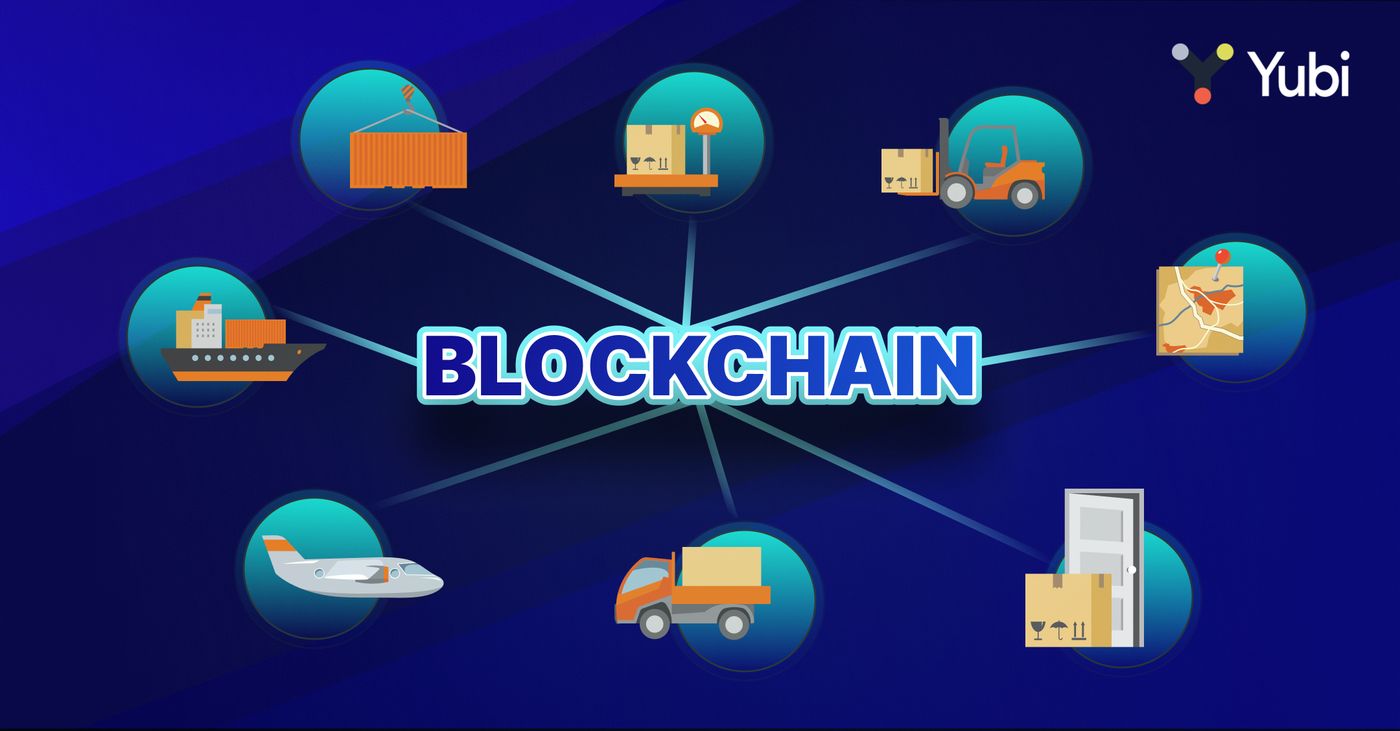
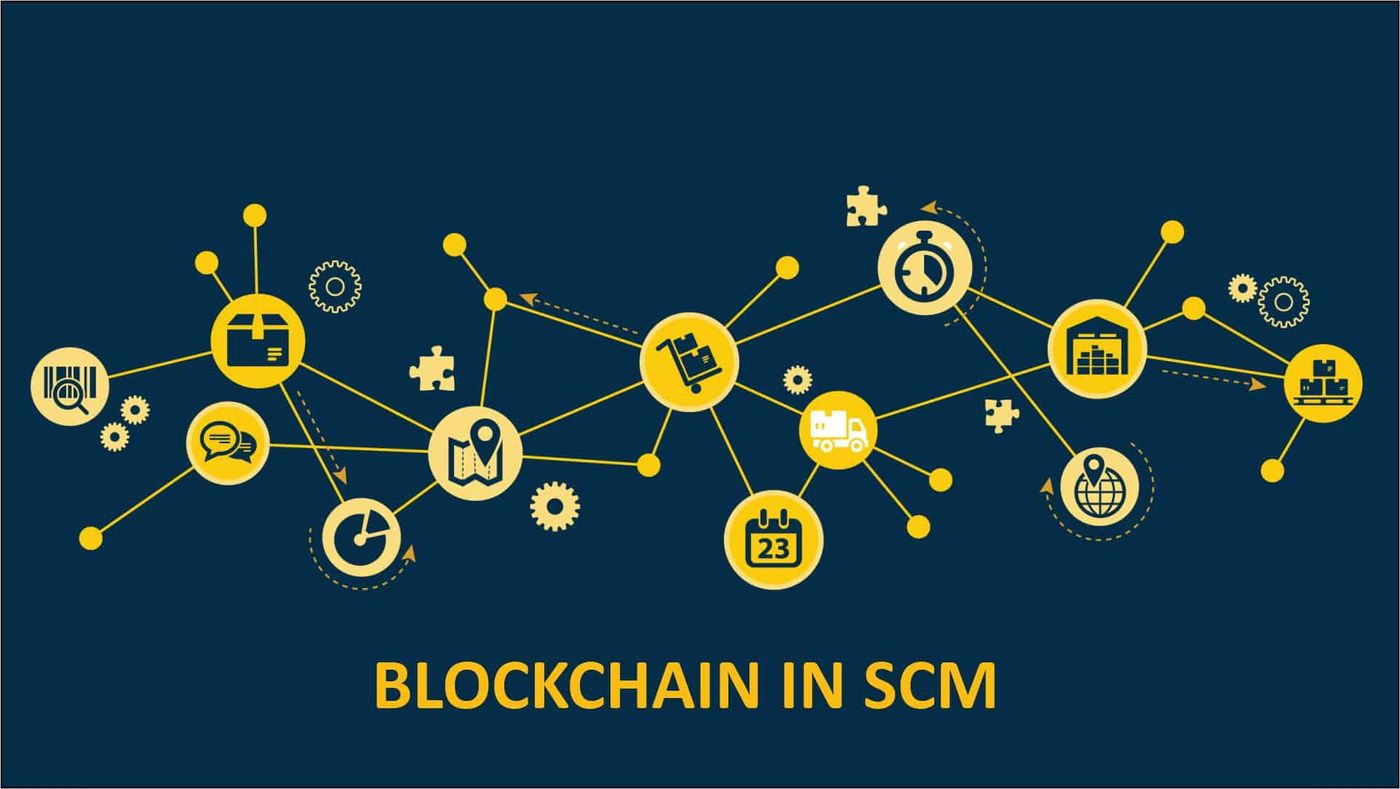
The technology assigns unique VeChain IDs to products, which are tracked at every step of a supply chain using tools like smart chips and sensors. This creates a tamper-proof record of a product's journey from manufacturer to consumer, aiming to combat counterfeiting and increase market transparency. The VeChainThor blockchain is Ethereum Virtual Machine (EVM) compatible, meaning developers can build and run decentralized applications (dApps) using familiar tools. The ecosystem includes several proprietary platforms such as ToolChain for business solutions, the VeWorld self-custody wallet, and VeBetter, an app platform that rewards users for verified positive actions which reportedly reached 5.3 million users by April 2026.
VeChain's Development History and Major Partnerships
VeChain's development began in 2015 as a private consortium chain focused on supply chain solutions. The project was founded by Sunny Lu, a former CIO of Louis Vuitton China, and Jay Zhang, who had a background in finance and risk management at major firms. Early backing from venture capital firm Fenbushi Capital helped validate the project's vision. A significant milestone was the launch of the VeChainThor public blockchain in 2018, which marked its transition to a full, enterprise-grade Layer-1 network. This launch followed a 2017 initial coin offering (ICO) that provided the funding necessary to develop the platform's core infrastructure. The project's Renaissance roadmap has since guided its evolution, focusing on rolling out Ethereum-compatible infrastructure, a delegated proof-of-stake (dPoS) consensus mechanism, and enhanced tokenomics for VTHO.
Enterprise adoption has been a key pillar of VeChain's strategy, with several high-profile partnerships demonstrating its practical use cases. The platform has worked with Walmart China on food traceability, with DNV on assurance and certification processes, and with professional services firms PwC and Boston Consulting Group. Other notable collaborations include work with the Ultimate Fighting Championship (UFC). These partnerships have been crucial in validating VeChain's technology for supply chain transparency, product provenance, and sustainability initiatives, moving the project beyond theoretical application into real-world utility.
VeChain Price History and Market Performance
VeChain's price history reflects the volatility common to the cryptocurrency market alongside its developmental milestones. The token reached its all-time high price of CA$0.3914 on April 17, 2021, during a broad market rally. This peak represents a value significantly higher than its subsequent trading range. Market performance is often measured against major cryptocurrencies like Bitcoin (BTC) and Ethereum (ETH). For instance, in a recent weekly period, VET's price performance was down approximately 3%, underperforming against BTC, which was up about 1%, and ETH, which was down about 2%. Such comparisons help contextualize VET's movements within the wider digital asset landscape.
Analysing trading activity provides insight into market sentiment. Data shows that unique buyers can outpace unique sellers, sometimes at a ratio of about 1.20x, indicating periods of net buying pressure. However, trader participation can fluctuate, with noted decreases of around 11% on specific days. The token's supply dynamics are also a key factor for investors. With roughly 99% of the maximum supply already in circulation, the fully diluted valuation (FDV) to market capitalization ratio is about 1.01. This indicates minimal future dilution risk from new token issuance, as almost all VET that will ever exist is already on the market.

How Canadians Can Buy and Store VeChain
Canadians can purchase VeChain (VET) through regulated cryptocurrency exchanges that operate within the country. The process typically involves a few standardized steps that can be completed in as little as 15 minutes. The first step is to choose a reputable exchange that supports VET trading pairs with Canadian dollars (CAD). These platforms require users to create an account with an email address and a strong password. To deposit Canadian funds and buy crypto, you must complete a Know Your Customer (KYC) verification process, which involves submitting a government-issued photo ID. Once verified, you can fund your account using common Canadian payment methods like Interac e-Transfer, bank wire, or debit card.
After depositing CAD, you can place an order to buy VET. On beginner-friendly platforms, this is often a simple market order where you specify the amount you wish to purchase. Advanced exchanges offer order types like limit orders, stop orders, and trailing stop orders for more strategic trading. Many platforms also offer recurring buy functionality, allowing you to automatically purchase a set amount of VET on a scheduled basis, a strategy known as dollar-cost averaging. For storage, while you can leave VET on the exchange, it is generally recommended to transfer it to a self-custody wallet for enhanced security. The official VeWorld wallet is one option designed for the VeChain ecosystem, while other non-custodial wallets that support VET provide control over your private keys, protecting your assets from exchange-specific risks like hacks or insolvency.
- Choose a Canadian crypto exchange that lists VET.
- Create an account and complete KYC verification with photo ID.
- Deposit CAD via Interac e-Transfer, bank wire, or debit card.
- Place a buy order for VET using a market or limit order.
- Consider transferring VET to a self-custody wallet like VeWorld.
- Use recurring buy features for dollar-cost averaging.
Canadian Regulations and Tax Treatment for VET
In Canada, cryptocurrency exchanges that operate with Canadian dollars and serve Canadian residents are subject to regulatory oversight. Platforms like NDAX are regulated by the Canadian Investment Regulatory Organization (CIRO), ensuring they adhere to compliance and security standards. This regulatory environment aims to protect investors by mandating secure operations, including the use of cold storage for digital assets and compliance with financial laws. For individual Canadians, the Canada Revenue Agency (CRA) treats cryptocurrencies like VeChain as a commodity for tax purposes. This means any transaction involving VET can trigger a taxable event.
The primary tax implications arise when you dispose of VET, such as by selling it for Canadian dollars, trading it for another cryptocurrency, or using it to purchase goods or services. Each disposal requires you to calculate a capital gain or loss based on the difference between the proceeds of the disposition and your adjusted cost base (the original purchase price plus any associated fees). These capital gains or losses must be reported on your annual income tax return. Given the complexity and variation in individual circumstances, it is advisable to seek professional local tax guidance to ensure correct reporting and to avoid potential penalties. Keeping detailed records of all your VET transactions, including dates, amounts, and values in CAD, is crucial for accurate tax filing.
Risks and Considerations for Canadian Investors
Investing in VeChain carries several risks that Canadians must carefully consider. The most prominent risk is high price volatility. VET is capable of major price swings in a single day, as evidenced by its history of rising to an all-time high and subsequently falling over 97% from that peak. This volatility means the value of an investment can decrease rapidly and significantly. The price is influenced by a variety of factors including overall market sentiment, technical developments on the VeChain platform, the rate of user and enterprise adoption, and broader macroeconomic events. Unlike traditional equities, the cryptocurrency market operates 24/7 and is less regulated, contributing to its unpredictable nature.
Security risks are another critical concern. While using a regulated Canadian exchange can mitigate some risks, holding assets on any custodial platform exposes you to potential threats like hacking, fraud, or the platform becoming insolvent. This is why transferring VET to a personal, non-custodial wallet is often recommended for long-term storage. Furthermore, the success of VeChain is intrinsically tied to the continued adoption of its blockchain technology by enterprises. If the project fails to secure more partnerships or if its real-world utility does not grow as anticipated, the demand for VET could diminish. Investors should only commit capital they are prepared to lose and ensure such an investment aligns with their overall risk tolerance and financial strategy.
VeChain's Ecosystem and Future Roadmap
The VeChain ecosystem extends beyond its core blockchain to include a suite of applications and platforms designed to drive utility and adoption. A central component is VeBetter, an application platform that incentivizes and rewards users for verified positive actions related to sustainability and social good. By April 2026, this platform reported reaching 5.3 million users, more than 50 live applications, and over 50 million verified actions. Another key element is StarGate, which is VeChain's NFT-based staking platform, allowing users to engage with non-fungible tokens within the network's economic model. For developers and businesses, ToolChain provides a suite of blockchain-as-a-service tools to simplify integration.
Looking forward, VeChain's development is guided by its strategic roadmap, which has included phases like the "Renaissance" initiative. Key focus areas include enhancing Ethereum compatibility to attract more developers, refining the dynamic tokenomics of the VTHO gas token to ensure network efficiency, and improving interoperability with other blockchains. The project is also positioning itself to comply with regulatory frameworks like the European Union's Markets in Crypto-Assets (MiCA) regulations. The long-term vision is to solidify VeChainThor as a blockchain where real-world adoption, tangible network utility, and economic sustainability converge to create lasting value for its users and enterprise clients.
Frequently asked questions
What is the difference between VET and VTHO?
VeChain uses a dual-token system. VET is the main cryptocurrency, acting as a store of value and used for transferring value on the network. Holding VET generates the secondary token, VTHO (VeChainThor), which is used exclusively to pay for transaction fees, or gas, on the VeChainThor blockchain. This separation aims to provide cost stability for users.
How is VeChain used in the real world?
VeChain is designed for enterprise use, particularly in supply chain management and product provenance. It gives products a unique ID tracked via blockchain and IoT technology, creating a tamper-proof record from manufacture to sale. This helps combat counterfeiting and improves transparency. Major partners have included Walmart China for food traceability and DNV for certification services.
Do I have to pay taxes on VeChain in Canada?
Yes, in Canada, the Canada Revenue Agency treats cryptocurrencies like VeChain as a commodity. Selling VET for Canadian dollars, trading it for another cryptocurrency, or using it to buy goods are generally considered taxable events. You must calculate and report any capital gain or loss on your income tax return. It is advisable to seek professional tax guidance for your specific situation.
Can I buy VeChain (VET) in Canada?
Yes, you can buy VeChain (VET) in Canada through regulated cryptocurrency exchanges like Ndax, which is a CIRO regulated platform. These exchanges allow you to create an account, verify your identity, and deposit Canadian dollars using methods such as Interac e Transfer. Once funded, you can trade CAD for VET. The process from account creation to purchase can take as little as 15 minutes, requiring only a smartphone or computer, internet access, and photo identification.
What was VeChain's all-time high price?
VeChain (VET) reached its all time high price of CA$0.3914 on April 17, 2021. This marks the highest valuation the token has achieved since its inception. Compared to its current price, this represents a decrease of approximately 97%. The all time high in US dollars was $0.35. This historical peak occurred during a period of significant market activity and interest in blockchain projects focused on enterprise solutions.
Is it safe to store VET on an exchange?
While reputable Canadian exchanges like Ndax implement security measures such as cold storage for most assets and SOC 2 Type II compliance, storing cryptocurrencies on any custodial exchange carries inherent risks. These risks include potential platform hacks, insolvency, or operational failures. For enhanced security, it is widely recommended to transfer your VET to a self custody, non custodial wallet where you control the private keys, such as the official VeWorld wallet. This practice mitigates exposure to third party platform risks.
Sources and further reading
- VeChain VET (VET-CAD) Live Price, News, Chart & ... ca.finance.yahoo.com
- Vechain (VET) Price CAD Today, News, Charts, Market Cap coinbase.com
- VeChain Price in CAD | VET to CAD ndax.io
- VeChain price today in Canada, VET Market Cap & Live ... kraken.com
- How to buy VeChain (VET) in Canada finder.com
This article explains how things work and is not financial, tax or legal advice. Rules, limits and rates change, so check the current figures with the Canada Revenue Agency, your province or your financial institution before you act.