Live cryptocurrency prices track the real-time market value of digital assets like Bitcoin and Ethereum in Canadian dollars. These prices are essential for investors and traders in Canada's active crypto market, which is supported by regulated exchanges and a high concentration of Bitcoin ATMs. Understanding how these prices work, the platforms that display them, and the rules governing the space is key for any Canadian participant. This guide explains the fundamentals of cryptocurrency, its history, how to buy and store it in Canada, the evolving regulatory landscape, and the inherent risks.
What Are Live Cryptocurrency Prices?
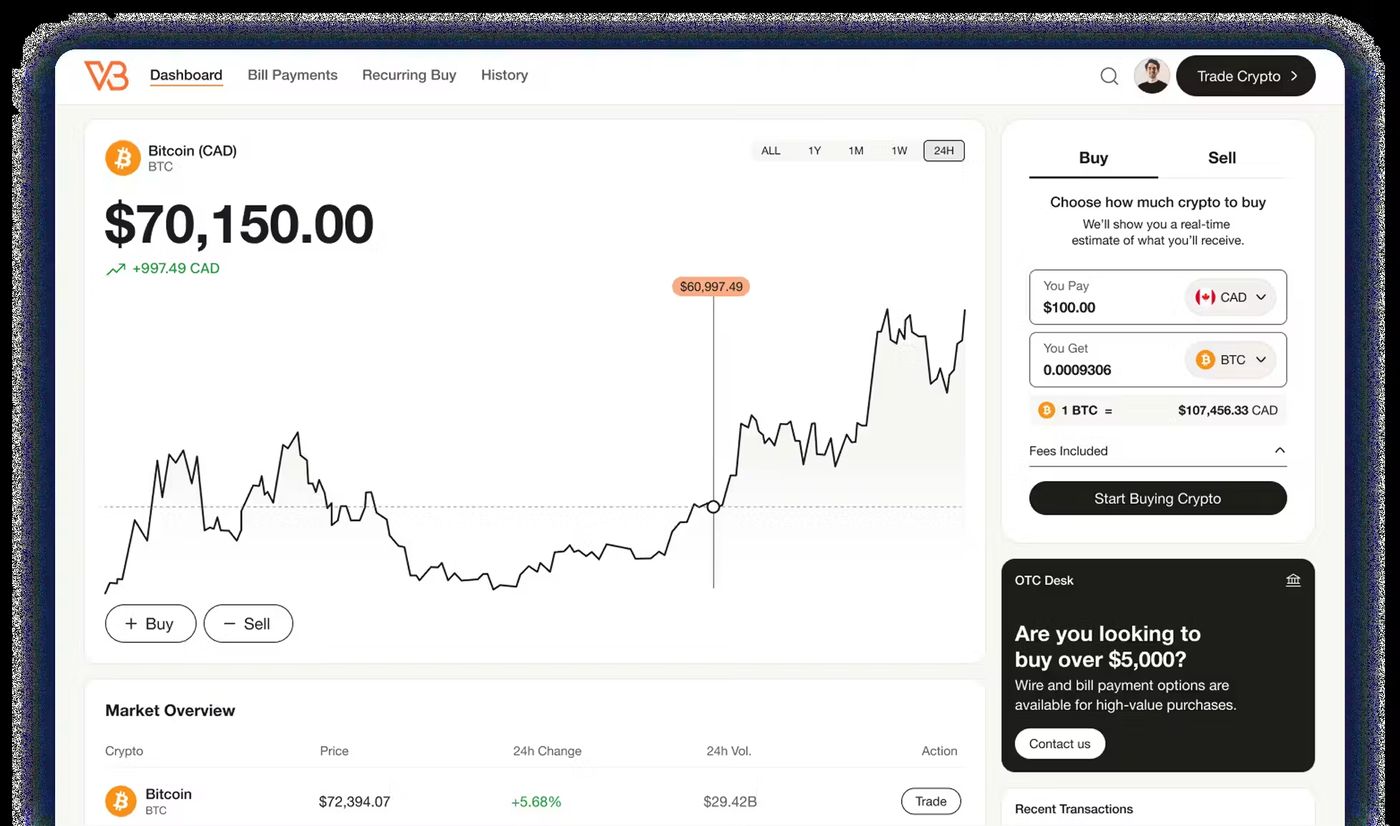
Live cryptocurrency prices represent the current market value of digital assets, quoted in Canadian dollars and updated in real-time. These prices are determined by the collective buying and selling activity across global trading platforms, reflecting supply and demand. The data includes not just the price but also metrics like 24-hour trading volume, market capitalization, and percentage changes. For Canadian investors, prices in CAD are crucial as they eliminate the need to mentally convert from US dollars, providing a direct view of local purchasing power. Major financial portals and dedicated crypto exchanges offer these live feeds, aggregating data from multiple sources to ensure accuracy and timeliness. Monitoring these prices is a fundamental activity for anyone looking to trade, invest, or simply track the performance of their digital asset holdings.

How Cryptocurrency and Price Discovery Work
Cryptocurrency is digital money secured by cryptography and operates on decentralised, blockchain-based networks rather than through central banks or governments. A blockchain is a decentralised system where transaction records are stored and maintained across a distributed network of computers. This structure means no single institution controls the ledger, and transactions are verified by network participants, making the system resistant to censorship and tampering. The price of any given cryptocurrency is discovered on trading platforms where buyers and sellers place orders. These platforms match orders to execute trades, with the last traded price becoming the quoted live price. The overall market sentiment, influenced by factors like fiscal policy, interest rates, and geopolitical events, drives continuous price fluctuations. This price discovery mechanism is similar to traditional markets but operates 24/7, leading to the highly volatile and dynamic pricing seen in crypto markets.
History and Major Price Milestones
The cryptocurrency era began in 2009 with the launch of Bitcoin by the pseudonymous Satoshi Nakamoto. As the first cryptocurrency, Bitcoin introduced the concept of a decentralised digital currency and remains the largest by market value. Its creation paved the way for tens of thousands of alternative coins and tokens, including smart-contract platforms like Ethereum and stablecoins pegged to fiat currencies. The market has experienced significant growth and volatility since its inception. As of February 2023, the total market capitalization for the crypto industry exceeded one trillion US dollars, with Bitcoin and Ethereum together dominating approximately 60 percent of that market. The number of distinct cryptocurrencies available on the open market at that time was 22,519. The market's correlation with traditional stock movements has been noted, meaning many macroeconomic factors that influence equities also impact digital asset prices.
How Canadians Buy and Store Cryptocurrency
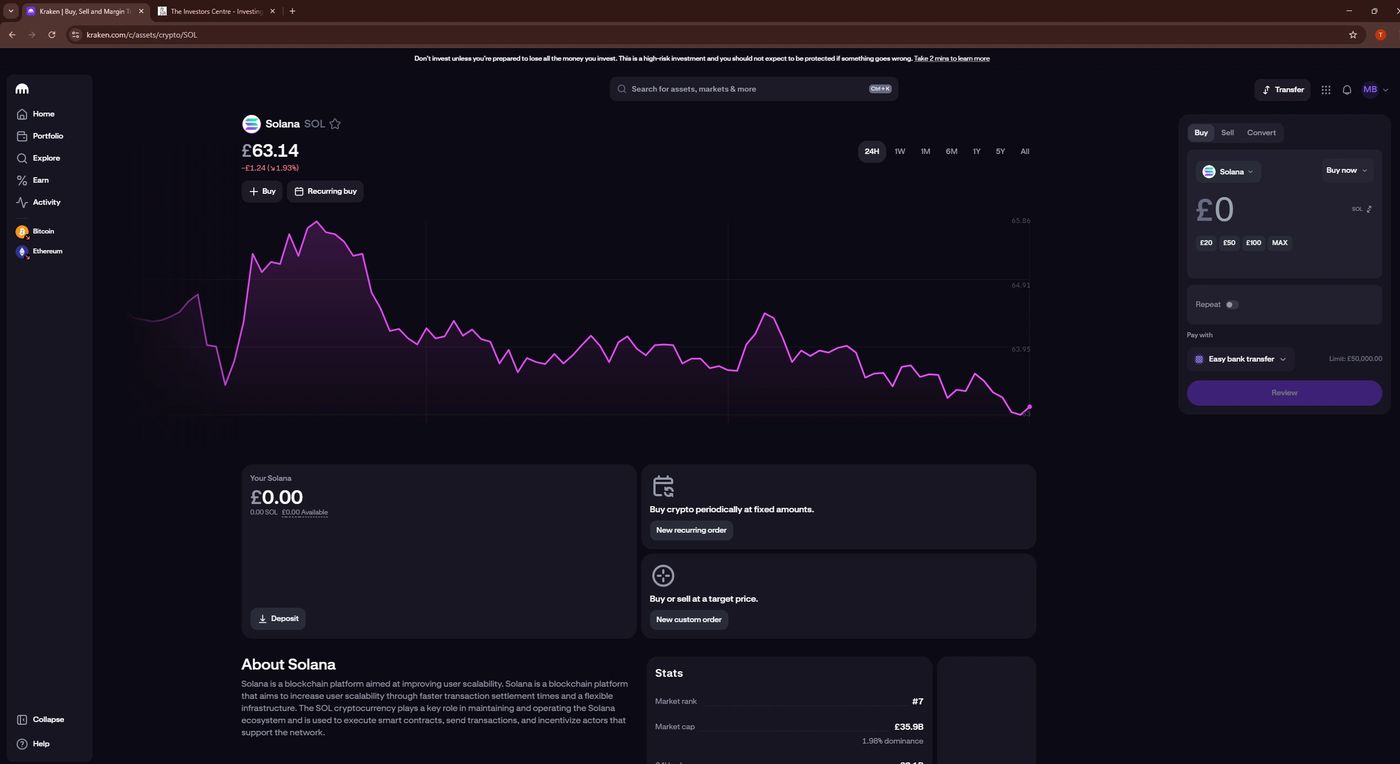
Canadians have multiple avenues for purchasing cryptocurrency, contributing to the country's status as a premier global hub for crypto activity. The most common method is through online cryptocurrency exchanges like Bitbuy, Coinsquare, Kraken, Coinbase, or NDAX. These platforms typically support funding via Interac e-Transfer, bank transfer, or debit card. Fintech adoption has also driven mainstream access, with investment apps like Wealthsimple Crypto and Shakepay offering crypto trading alongside traditional assets. Bitcoin ATMs remain a popular option for buying Bitcoin with cash or debit, and Canada has one of the highest concentrations of crypto ATMs per capita worldwide, with machines concentrated in cities like Toronto, Vancouver, and Montreal. Once purchased, cryptocurrency must be stored securely in a digital wallet, which is software or hardware that allows users to store and access their cryptocurrency holdings.
These wallets safeguard the public and private keys that are critical for identifying, authenticating, and encrypting your assets. It is important to note that crypto holdings on Canadian platforms are not bank deposits and are not covered by CDIC deposit insurance, even for platforms that are fully registered. This underscores the importance of understanding custody solutions and security practices. Before depositing funds, investors must confirm the platform is properly registered with FINTRAC as a money services business and, for trading platforms, as an investment dealer with CIRO.
- Online Exchanges: Platforms like Bitbuy, Kraken, and Coinbase.
- Fintech Apps: Wealthsimple Crypto, Shakepay.
- Bitcoin ATMs: High concentration in major Canadian cities.
- Funding Methods: Interac e-Transfer, bank transfer, debit card, cash.
- Storage: Digital wallets (software or hardware) for keys.
- Insurance: Not covered by CDIC deposit insurance.
Canadian Regulations and Tax Rules
Canada regulates cryptocurrency through several coordinated bodies rather than a single dedicated regulator, with significant regulatory tightening occurring. The Canadian Securities Administrators (CSA) treats many crypto trading platforms and certain tokens as falling under securities law. Since August 2024, the CSA has stopped accepting new interim restricted dealer registrations. Crypto trading platforms must now register directly and fully as investment dealers with CIRO, which absorbed this oversight from the former Investment Industry Regulatory Organization of Canada (IIROC). On the custody front, CIRO published a new Digital Asset Custody Framework for dealer members in February 2026, introducing a tiered, risk-based structure with stronger requirements for segregated wallets and cybersecurity.
For stablecoins, Canada's federal Stablecoin Act (Bill C-15) received Royal Assent in 2025 to 2026, establishing the country's first dedicated federal framework for fiat-backed stablecoins. Anti-money laundering rules are enforced by FINTRAC, which requires crypto exchanges to register as money services businesses and maintain compliance programs. FINTRAC significantly stepped up enforcement in 2026, revoking dozens of MSB registrations tied to crypto and issuing large penalties. From a tax perspective, the Canada Revenue Agency (CRA) treats cryptocurrency as a commodity rather than currency. Disposing of crypto by selling, trading, or spending it is generally a taxable event subject to capital gains tax, or business income tax in some circumstances. Canada is also implementing the international Crypto-Asset Reporting Framework (CARF) into the Income Tax Act for the automatic exchange of crypto tax information.
| Regulatory Area | Governing Body / Key Development |
|---|---|
| Securities & Platform Registration | CSA & CIRO (Full investment dealer registration required) |
| Custody Rules | CIRO Digital Asset Custody Framework (Feb 2026) |
| Stablecoins | Federal Stablecoin Act (Royal Assent 2025 to 2026) |
| Anti-Money Laundering | FINTRAC (MSB registration & enforcement) |
| Taxation | CRA (Taxable as a commodity, Capital Gains/Income) |
| International Reporting | Crypto-Asset Reporting Framework (CARF) implementation |
Risks and Considerations for Investors
Investing in cryptocurrency carries significant risks that every Canadian should understand before participating. The market is notoriously volatile, with prices capable of large swings in short periods based on market sentiment, regulatory news, and technological developments. This volatility means the value of cryptoassets can go down as well as up, and investors should only commit funds they can afford to lose. There is also counterparty and custody risk, as demonstrated by past exchange failures in Canada like QuadrigaCX. While new custody rules aim to mitigate this, holdings on platforms are not insured bank deposits. Regulatory risk is another factor, as the legal landscape continues to evolve rapidly, which can impact the operation of platforms and the treatment of certain assets. Operational risks include the potential for technical failures, cybersecurity breaches, and the irreversible nature of blockchain transactions if errors are made.
Furthermore, the complexity of the technology and the market can lead to a knowledge gap for new investors, increasing the chance of costly mistakes. It is critical to conduct thorough research, use registered and reputable platforms, and understand the tax implications of any trading activity. The content provided by price-tracking sites and exchanges is for general information purposes only and is not investment advice, a recommendation, or a solicitation to buy or sell. Everyone has different investment goals, and what you buy should be based on research, due diligence, and your personal financial objectives.
Frequently asked questions
How are cryptocurrencies taxed in Canada?
The Canada Revenue Agency treats cryptocurrency as a commodity, not currency. Disposing of crypto by selling, trading, or spending it is generally a taxable event. The resulting gain or loss is typically subject to capital gains tax, though it may be treated as business income if trading is conducted as a commercial activity. Canada is also implementing the Crypto-Asset Reporting Framework for international tax information exchange.
What is the safest way to store my cryptocurrency?
Cryptocurrency is stored in a digital wallet, which can be software-based or a physical hardware device. These wallets secure the private keys needed to access your funds. For holdings on an exchange, ensure the platform is fully registered with CIRO and adheres to its new custody framework. Remember, crypto on any platform is not covered by CDIC deposit insurance.
Do I need to report my crypto transactions to the government?
Yes. You must report all taxable transactions involving cryptocurrency on your annual income tax return. The CRA requires you to calculate and report any capital gains or business income derived from disposing of crypto. Exchanges are also subject to reporting requirements under FINTRAC's anti-money laundering rules and the forthcoming Crypto-Asset Reporting Framework.
Is cryptocurrency legal in Canada?
Yes, buying, holding, and trading cryptocurrency is legal in Canada. Exchanges must register with FINTRAC as money services businesses for anti-money laundering compliance. Platforms offering trading to Canadians generally also need to be registered as investment dealers with the Canadian Investment Regulatory Organization (CIRO) under securities law. This regulatory framework has evolved, with Canada no longer allowing platforms to operate under the older interim restricted dealer registration. The legal status is supported by a mature market that includes regulated Bitcoin and Ether ETFs on major exchanges. However, crypto holdings on Canadian platforms are not bank deposits and are not covered by CDIC deposit insurance.
How do I buy Bitcoin with Canadian dollars?
You can buy Bitcoin with CAD through registered cryptocurrency exchanges like Bitbuy, Coinsquare, Kraken, Coinbase, or NDAX. These platforms typically support Interac e-Transfer or bank transfers for deposits. Other popular options include using fintech investment apps such as Wealthsimple Crypto and Shakepay. Canadians also have access to a high concentration of Bitcoin ATMs per capita, located in cities like Toronto, Vancouver, and Montreal, though these machines often carry higher fees. It is important to confirm any platform is registered with FINTRAC and, where applicable, is a CIRO member before depositing funds.
What happened to the restricted dealer registration for crypto platforms?
The Canadian Securities Administrators stopped accepting new applications for the interim restricted dealer registration model in August 2024. Crypto trading platforms must now register directly and fully as investment dealers with the Canadian Investment Regulatory Organization (CIRO). This shift requires platforms to meet higher regulatory standards for custody, governance, and investor protection. The change was part of a broader tightening of regulations, moving away from interim measures to a more permanent framework. This development aims to enhance market integrity and consumer safeguards in the Canadian cryptocurrency landscape.
Sources and further reading
- Cryptocurrency Prices Live in Canada (CAD, Canadian Dollar) cryptocurrencyprices.stockmaster.in
- Cryptocurrency Prices in Canada, Market Cap & Live ... kraken.com
- Cryptocurrency Prices, Charts, Daily Trends, Market Cap, ... coinbase.com
- Canadian Cryptocurrency Prices bitbuy.ca
This article explains how things work and is not financial, tax or legal advice. Rules, limits and rates change, so check the current figures with the Canada Revenue Agency, your province or your financial institution before you act.