Exodus is a popular multi-chain cryptocurrency wallet designed to manage a wide variety of digital assets from a single application. It offers a user-friendly interface, built-in exchange features, and support for over 50 different blockchain networks. For Canadians, it provides a convenient fiat on-ramp for purchasing crypto with a credit or debit card, though it is not available for residents of Quebec. The wallet is non-custodial, meaning users maintain full control of their private keys and assets.
What is the Exodus Wallet?
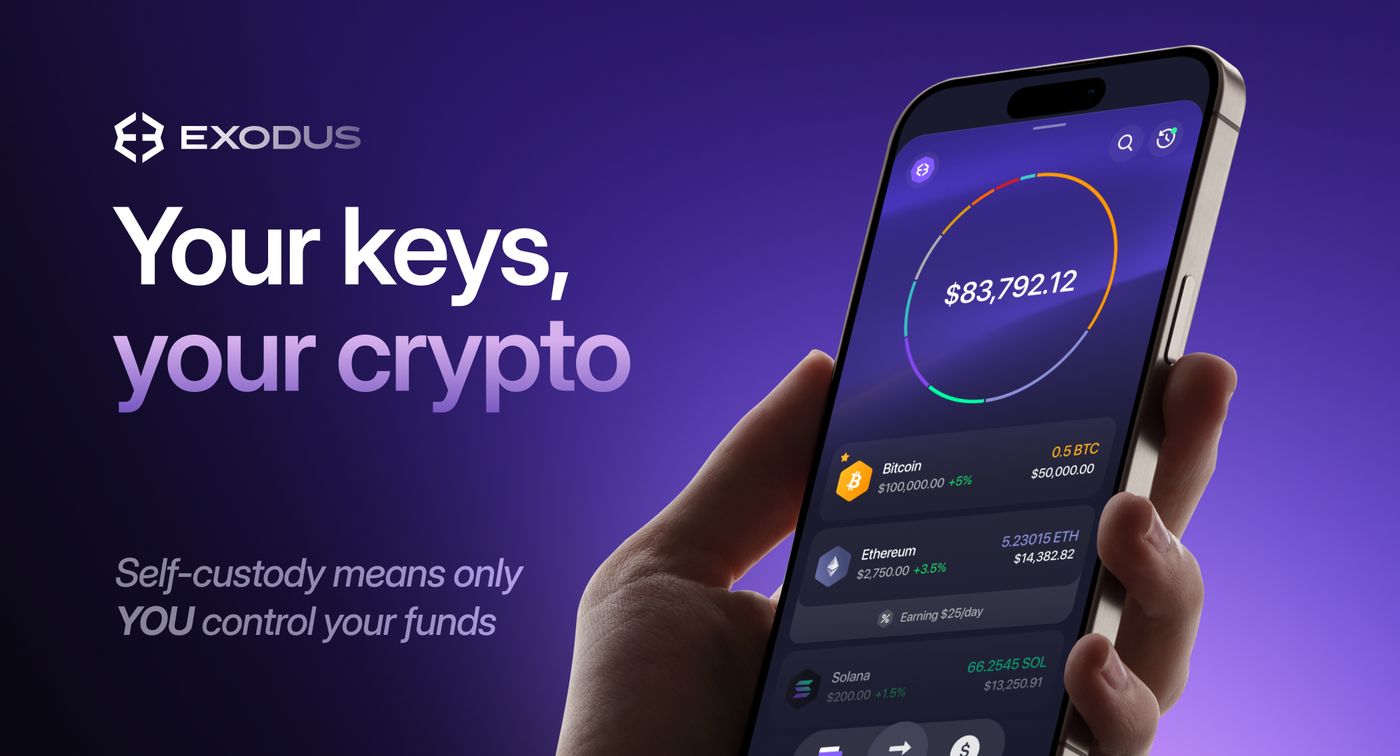
Exodus is a multi-chain cryptocurrency wallet that allows users to store, send, receive, and manage a diverse portfolio of digital assets from one application. It bills itself as the only wallet you will ever need, aiming to be a one-stop shop for crypto storage, cross-chain swaps, staking, and interaction with web3 sites. The wallet supports over 50 different blockchain networks and more than 100 tokens, including major cryptocurrencies like Bitcoin and Ethereum. It is a non-custodial wallet, which means users hold their own private keys and have full control over their funds, unlike accounts on centralized exchanges. Exodus provides applications for desktop computers, mobile devices on iOS and Android, and a browser extension for web3 connectivity.
How the Exodus Wallet Works
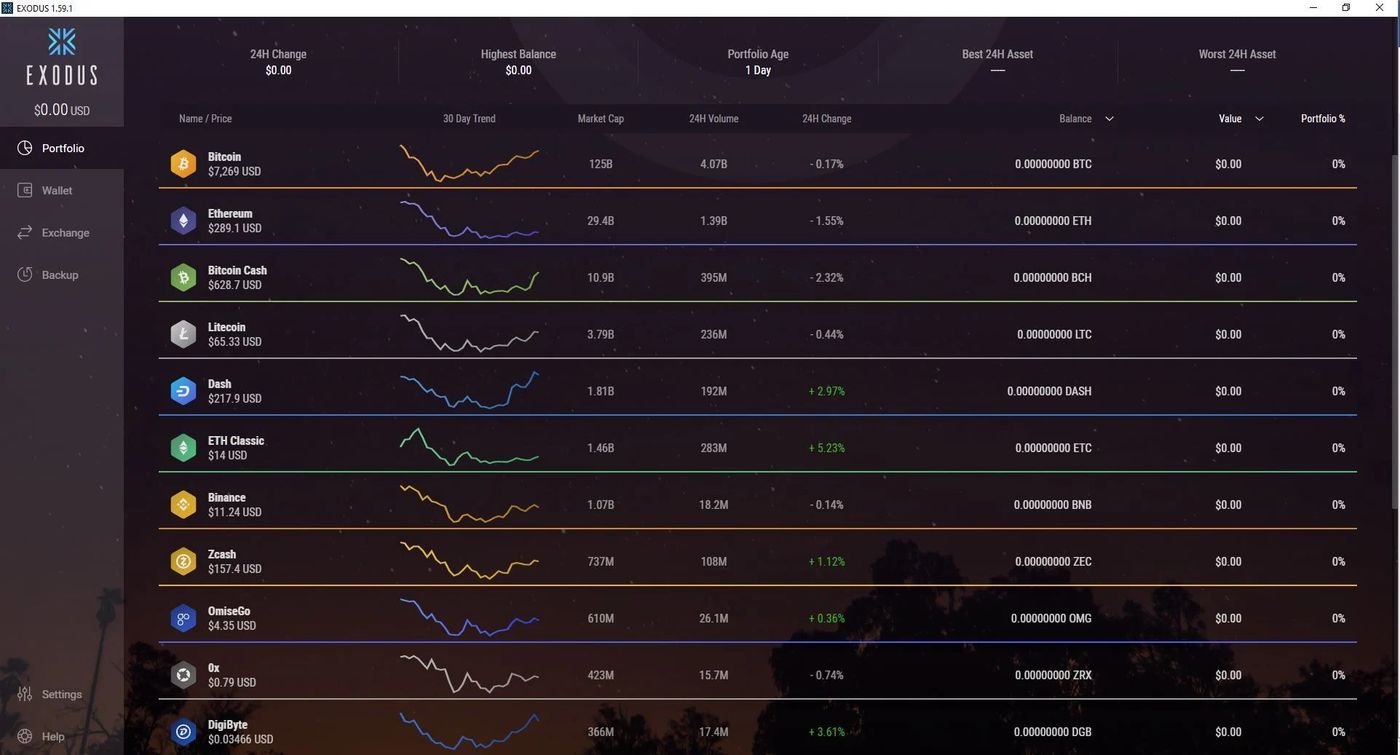
Users begin by downloading the Exodus application on their preferred device, whether desktop or mobile, and creating a new wallet. The setup process is designed to be straightforward for beginners, with the wallet generating a recovery phrase that must be securely stored. To fund the wallet, users can either transfer existing crypto from another wallet or purchase crypto directly within the app using fiat currency via the integrated Moonpay service. Once assets are in the wallet, users can manage their portfolio, view real-time prices, and track performance. A key feature is the in-app swap function, which allows users to exchange between thousands of token pairs across different blockchains, though this convenience comes with a fee. The wallet also enables staking for certain supported assets, allowing users to earn rewards directly within the interface.
For interacting with decentralized applications and web3 sites, users need the Exodus browser extension or can connect their mobile wallet using WalletConnect. The extension can intercept connection requests meant for other wallets like MetaMask, offering itself as an alternative. All Exodus applications can be synced together, allowing access to the same wallets from a desktop, phone, or browser. Notably, Exodus offers integration with Trezor hardware wallets, providing an added layer of security by allowing users to manage their cold storage assets through the Exodus interface. This combination offers the convenience of a software wallet with the enhanced security of a hardware device.
Features and Functionality for Canadian Users
Exodus provides several features tailored to the needs of cryptocurrency users, including those in Canada. The built-in exchange allows for swapping between a vast array of tokens, with rates starting as low as 0.5%. However, swap fees can vary significantly based on the tokens involved and have been reported to be as high as 12% in some cases. The swap interface is straightforward, displaying all calculated fees upfront so users know exactly what they will receive. Canadians can buy crypto directly in the app using a credit card, debit card, bank account, Apple Pay, or Google Pay through the third-party service Moonpay, with purchased crypto delivered straight to their Exodus wallet.
The wallet also includes Exodus Pay, a feature for sending payments instantly to friends. For spending, the free Exodus Card can be used with Apple Pay or Google Pay to tap and pay in-store or online worldwide. Earning features are present through staking, where users can stake supported crypto in a few taps to passively earn rewards. Security is managed through device-based passkeys, eliminating the need for traditional passwords. Customer support is available 24 hours a day, seven days a week from a dedicated team to assist users with any issues.
- In-app swaps between thousands of token pairs across chains.
- Fiat on-ramp via Moonpay supporting credit/debit cards and bank transfers.
- Exodus Card for spending crypto with Apple Pay or Google Pay.
- Staking for passive income on supported assets.
- 24/7 customer support via a dedicated team.
- Integration with Trezor hardware wallets for enhanced security.
- Sync capability between desktop, mobile, and browser extension.
Security and Storage Considerations
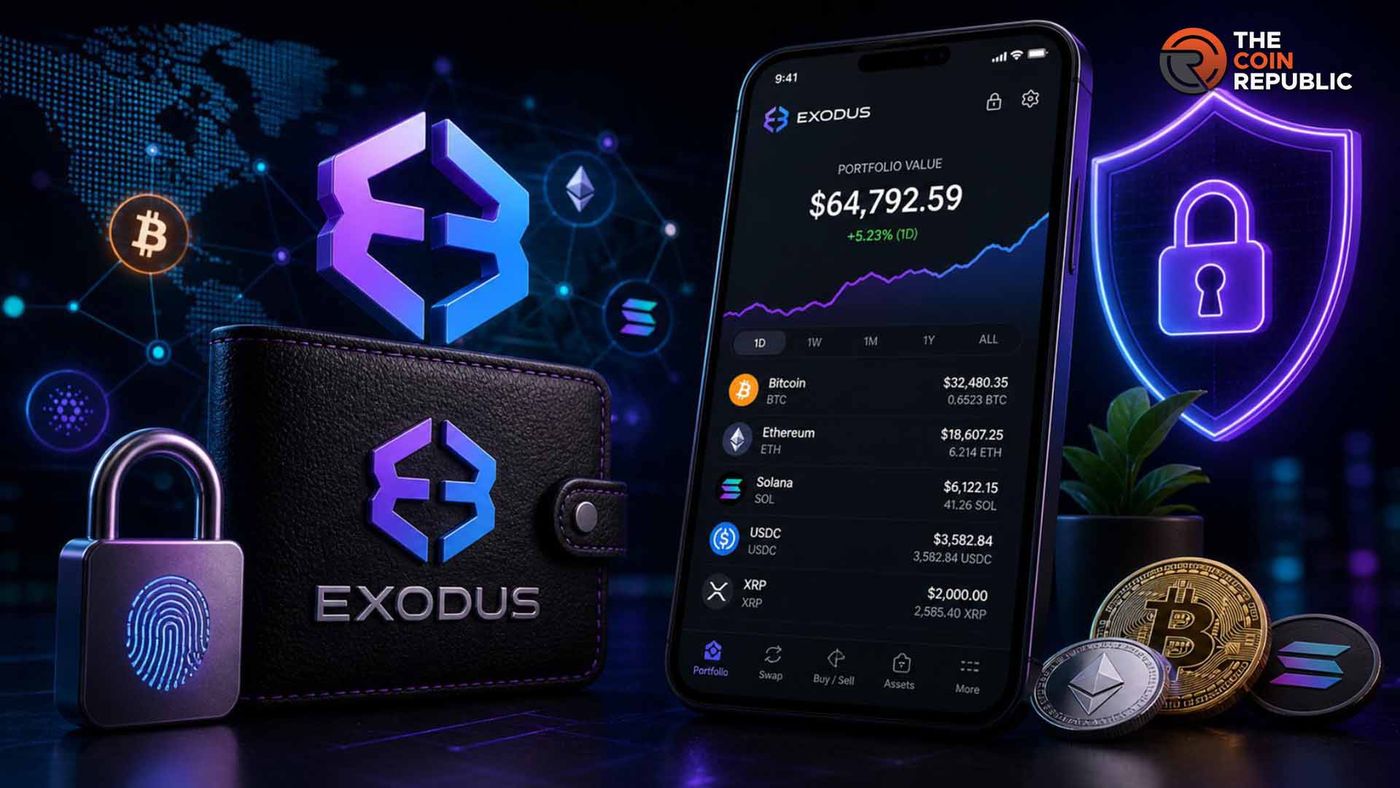
As a non-custodial wallet, Exodus places the responsibility for security largely on the user, who must safeguard their 12-word recovery phrase. The wallet itself employs several security measures, including the use of device-based passkeys for access, eliminating passwords. For users seeking the highest security standard, Exodus supports integration with Trezor hardware wallets, allowing assets to be stored in cold storage while still being managed through the Exodus interface. This provides a robust defence against online threats. The wallet's code is not open-source, which means its security architecture cannot be publicly audited by the community, a point of consideration for some users. Customer reviews generally highlight Exodus as secure and beginner-friendly, though some users report occasional app lagging.
Fees, Limits, and Costs
Using Exodus involves several types of fees that Canadian users should understand. Transferring crypto into the wallet incurs standard network transaction fees, which are paid to the respective blockchain, such as Bitcoin or Ethereum. The in-app swap feature charges a spread fee, which is a percentage of the transaction amount. These swap fees can start as low as 0.5% but vary depending on the tokens and market conditions, with reports of fees as high as 12% for certain swaps. The swap interface is designed to show the total output amount after all fees are deducted. Purchasing crypto with fiat through Moonpay will involve additional fees set by that third-party service, which are displayed during the transaction process. There are no monthly subscription fees for using the Exodus wallet itself.
| Fee Type | Description | Note |
|---|---|---|
| Network Transfer Fees | Paid to the blockchain | Varies by network congestion |
| In-App Swap Fee | Percentage of swap amount | Starts at ~0.5%, can be up to 12% |
| Fiat Purchase Fee | Charged by Moonpay | Disclosed at time of purchase |
| Exodus Card Usage | May involve transaction fees | Check card terms for details |
Canadian Regulations and Tax Implications
Cryptocurrency holdings and transactions are subject to Canadian regulations and tax laws. The Canada Revenue Agency treats cryptocurrency as a commodity, meaning capital gains or losses must be reported on your income tax return. Any time you sell, trade, or spend crypto, including through in-app swaps or using the Exodus Card, it is considered a disposition and may trigger a taxable event. It is crucial for users to keep detailed records of all their transactions, including dates, amounts in Canadian dollars, and the purpose of each transaction. Notably, Exodus Wallet is not available for residents of Quebec due to specific provincial laws, making it inaccessible to users in that province. For other Canadians, using a non-custodial wallet like Exodus does not change your tax obligations. You are still responsible for reporting all crypto-related income and capital gains.
Risks and Drawbacks to Consider
While Exodus offers convenience and a wide range of features, it comes with certain risks and limitations. As a hot wallet connected to the internet, it is inherently less secure than a hardware wallet used in isolation, though the Trezor integration mitigates this. The wallet is not open-source, which limits community verification of its security practices. Some users have reported difficulties with customer support, which could be problematic if urgent assistance is needed. The swap fees, while convenient, can be high compared to decentralized exchanges, and the swap functionality requires certain main tokens for many trades, potentially forcing users into multiple swaps. The most significant limitation for Canadians is that the wallet is not available in Quebec, excluding a large portion of the population. Furthermore, while Exodus supports many assets, some specific Canadian tokens or assets may not be available.
Frequently asked questions
What are the fees for swapping crypto in Exodus?
Exodus charges a spread fee for its in-app swap service. These fees start as low as 0.5% but vary depending on the tokens being swapped and market conditions. Some user reports indicate fees can be as high as 12% for certain swaps. All fees are calculated into the quoted swap amount.
Is Exodus Wallet available in Quebec?
Exodus wallet is not available in Quebec, as per Quebec laws, making it inaccessible to Quebec residents. This is a specific regional limitation within Canada. The wallet is otherwise available as a desktop, mobile, and web based application for users in other provinces. This restriction is a key consideration for potential users residing in Quebec who are seeking a non custodial crypto wallet. The wallet's general availability across other Canadian regions is not affected by this provincial regulation.
Can I buy cryptocurrency directly in Exodus with Canadian dollars?
Yes, you can easily buy and sell crypto using your credit or debit card, bank account, Apple Pay, or Google Pay. Your crypto is delivered straight to your wallet. This fiat on ramp feature is facilitated through the integrated service Moonpay. Purchases are made through an off app webpage, but the acquired assets appear directly in your Exodus wallet. This provides a convenient entry point for Canadian users looking to convert traditional currency into digital assets. The process is designed to be user friendly for beginners.
How secure is the Exodus Wallet?
Exodus uses robust security measures to protect users' assets, including multi signature wallets and cold storage. You can also securely manage and swap crypto in Exodus with your Trezor hardware wallet. The wallet is a self custody solution, meaning users control their private keys. Additional security features include the ability to secure your wallet with a device based passkey, eliminating the need for passwords. These combined measures aim to provide a secure environment for storing and managing a diverse portfolio of digital assets.
Does Exodus report my transactions to the Canada Revenue Agency?
The provided materials focus on the wallet's features, security, and usability. There is no mention of tax reporting procedures or compliance with specific Canadian tax authorities. Users should consult official tax guidelines or seek professional advice regarding their cryptocurrency tax obligations in Canada. The wallet's role as a non custodial platform may influence its reporting responsibilities.
Can I use Exodus with a hardware wallet?
Yes, you can securely manage and swap crypto in Exodus with your Trezor hardware wallets. This integration allows users to pair their Exodus wallet with a Trezor device. This feature provides a convenient way to access a cold wallet while maintaining the security benefits of hardware based storage. It combines the user friendly interface of Exodus with the enhanced security of a dedicated hardware wallet. This compatibility is a significant advantage for users seeking an additional layer of protection for their assets.
Sources and further reading
- Exodus Wallet exodus.com
- Uncovering the Truth: Exodus Wallet In Canada staging.elkford.ca
- Exodus Wallet Review 2024 milkroad.com
This article explains how things work and is not financial, tax or legal advice. Rules, limits and rates change, so check the current figures with the Canada Revenue Agency, your province or your financial institution before you act.