Cryptocurrency prices represent the current market value of digital assets like Bitcoin and Ethereum, quoted in Canadian dollars. These prices are determined by global supply and demand on trading platforms and can fluctuate significantly. For Canadians, understanding these prices is essential for buying, selling, or trading cryptoassets through regulated exchanges or Bitcoin ATMs. The Canadian regulatory landscape for cryptocurrency continues to evolve, with significant new rules on custody, stablecoins, and platform registration taking effect in 2026.
What Cryptocurrency Prices Represent
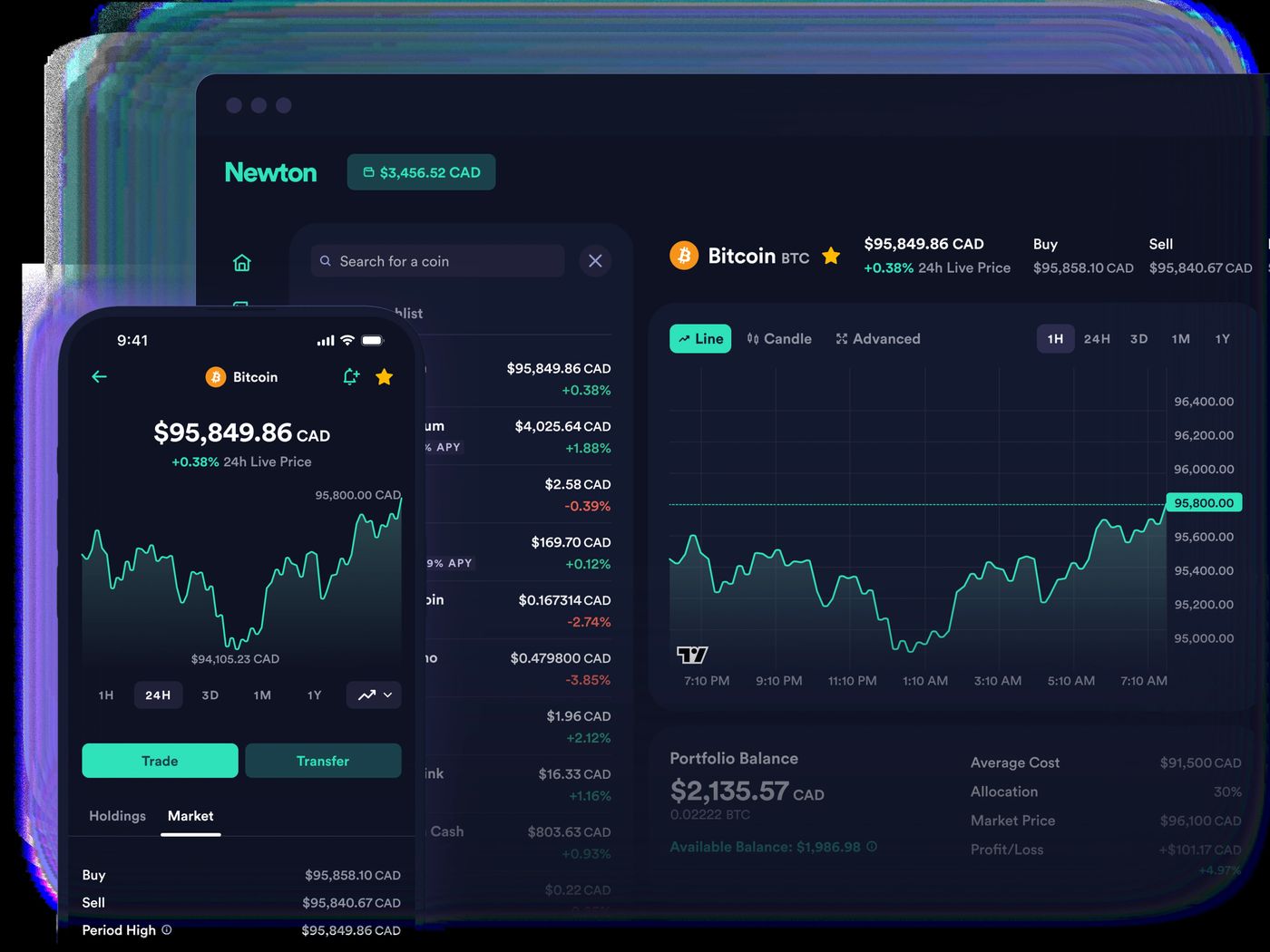
Cryptocurrency prices indicate the current exchange rate between a digital asset and a fiat currency, such as the Canadian dollar. These prices are not set by a central authority but are determined by the continuous buying and selling activity across hundreds of global trading platforms. The price you see for an asset like Bitcoin is the last traded price on a particular exchange, aggregated from many sources to provide a benchmark. Prices are updated in real time as new transactions are recorded on the blockchain, the decentralized public ledger that forms the foundation for all cryptocurrencies. Market capitalization, calculated by multiplying the current price by the total circulating supply, is a key metric used to compare the relative size of different cryptoassets.
As of February 2023, there were 22,519 distinct cryptocurrencies available on the open market. The overall cryptocurrency market cap exceeded one trillion dollars at that time, with Bitcoin and Ethereum together representing approximately 60 percent of the total market value. The global cryptocurrency market cap can experience rapid changes, with recent data showing a 1.69 percent decline over a 24-hour period. Price movements are influenced by a complex mix of factors including investor sentiment, regulatory news, technological developments, and broader macroeconomic conditions. An International Monetary Fund report from early 2022 noted a correlation between stock market movements and cryptocurrencies, meaning factors like fiscal policy, interest rates, and geopolitical events can impact both asset classes.
How Cryptocurrency Markets Work
Cryptocurrency markets operate on a 24/7 global basis, with no central exchange or closing bell. Trading occurs on centralized platforms registered in various jurisdictions, as well as through decentralized protocols that allow peer-to-peer transactions. The foundational technology is the blockchain, a decentralized system where transaction records are stored and maintained across a vast network of computers. This structure makes the system resistant to censorship and tampering, as no single entity controls the ledger. Transactions are verified and added to the blockchain through consensus mechanisms like proof-of-work or proof-of-stake, which also serve to secure the network.
Cryptocurrency itself is a virtual currency where all transactions are recorded and confirmed on this public digital ledger. The first and most prominent cryptocurrency, Bitcoin, was launched in 2009 by the pseudonymous Satoshi Nakamoto. It introduced the concept of a decentralized digital currency not controlled by any bank or government. Since then, thousands of alternative coins and tokens have been created, including smart-contract platforms like Ethereum and stablecoins pegged to the value of fiat currencies. The value of these assets is derived from their utility, scarcity, and the faith of the network's participants. The unpredictable nature of these markets means the value of cryptoassets can go down as well as up, and past performance is not indicative of future results.
Buying and Storing Cryptocurrency in Canada
Canadians have several mainstream options for purchasing cryptocurrency. The most common method is through a regulated cryptocurrency exchange platform that operates in Canada. These platforms allow users to deposit Canadian dollars via Interac e-Transfer, bank wire, or other methods to buy cryptoassets. Canada is considered a premier hub for crypto activity, offering a mature market shaped by past industry events. Many investment apps that Canadians already use for traditional stocks and ETFs now also offer crypto trading, significantly lowering the barrier to entry for new investors.
- Registered cryptocurrency exchanges like Bitbuy, Coinsquare, Kraken, Coinbase, or NDAX.
- Fintech investment apps such as Wealthsimple Crypto and Shakepay.
- Bitcoin ATMs, with Canada having one of the highest concentrations per capita worldwide, concentrated in cities like Toronto, Vancouver, and Montreal.
- Regulated Bitcoin and Ether exchange-traded funds (ETFs) on major stock exchanges.
Once purchased, cryptocurrencies are stored in a digital wallet. A digital wallet is software or hardware that allows users to store and access their cryptocurrency holdings. These wallets safeguard the critical public and private keys that identify, authenticate, and encrypt a user's assets. It is important to note that crypto holdings on Canadian platforms are not bank deposits and are not covered by Canada Deposit Insurance Corporation (CDIC) deposit insurance, even on fully registered platforms. For those looking to earn rewards, crypto staking allows holders to lock up their assets to participate in maintaining a blockchain network, receiving periodic staking rewards in return.
Canadian Regulations and Compliance
Canada regulates cryptocurrency through a coordinated framework involving several federal and provincial bodies. The landscape saw significant tightening in 2026, introducing stronger protections for investors. A key development was the end of the interim registration system for trading platforms. Since August 2024, the Canadian Securities Administrators (CSA) has stopped accepting new interim restricted dealer registrations. Crypto trading platforms must now register directly and fully as investment dealers with the Canadian Investment Regulatory Organization (CIRO), which absorbed this oversight. On February 3, 2026, CIRO published a new Digital Asset Custody Framework for dealer members operating crypto-asset trading platforms.
This framework introduces a tiered, risk-based structure with stronger requirements for segregated wallets, governance, and cybersecurity. This was developed partly in response to past platform failures in Canada. For stablecoins, Canada's federal Stablecoin Act (Bill C-15) received Royal Assent in the 2025 to 2026 period, establishing the country's first dedicated federal framework for fiat-backed stablecoins, with detailed rules continuing to roll out through 2026. All cryptocurrency exchanges operating in Canada must register with the Financial Transactions and Reports Analysis Centre of Canada (FINTRAC) as money services businesses and maintain anti-money laundering and anti-terrorist financing compliance programs.
| Regulatory Area | Key Requirement or Development (2026) |
|---|---|
| Platform Registration | Full CIRO investment dealer registration required. Interim registrations ended. |
| Custody | CIRO's new Digital Asset Custody Framework implemented. |
| Stablecoins | Federal Stablecoin Act (Bill C-15) in force. |
| Anti-Money Laundering | FINTRAC registration mandatory. Enforcement and penalties significantly increased. |
| Taxation | CRA treats crypto as a commodity. Crypto-Asset Reporting Framework (CARF) being implemented. |
FINTRAC significantly stepped up enforcement in 2026. It revoked dozens of money services business registrations, with most tied to crypto. It also issued large penalties, supported by a higher statutory penalty ceiling introduced under recent legislation. Before depositing funds, Canadians should confirm the platform is registered as a money services business with FINTRAC. For trading, platforms must now hold full investment dealer registration with the Canadian Investment Regulatory Organization (CIRO). The regulatory framework for cryptocurrency in Canada is established and continues to be refined.
Taxation of Cryptocurrency in Canada
The Canada Revenue Agency (CRA) treats cryptocurrency as a commodity rather than official currency for tax purposes. This classification has important implications for investors. Any disposal of cryptocurrency is generally considered a taxable event. Disposal includes selling crypto for Canadian dollars, trading one cryptoasset for another, or using crypto to pay for goods or services. The resulting gain or loss is typically subject to capital gains tax, where 50 percent of the capital gain is included in your taxable income.
In some circumstances, if your activities are considered to be carrying on a business, such as frequent high-volume trading, the CRA may assess the profits as business income, which is taxed at your full marginal rate. Canada is also implementing the international Crypto-Asset Reporting Framework (CARF) into the Income Tax Act. This framework will facilitate the automatic exchange of crypto tax information with other jurisdictions, increasing reporting obligations for cryptoasset service providers and transparency for tax authorities. Keeping detailed records of all transactions, including dates, values in Canadian dollars, and purposes, is essential for accurate tax filing.
Risks and Considerations for Canadian Investors
Investing in cryptocurrency carries substantial risk and is not suitable for all investors. The prices of cryptoassets are highly volatile and can experience rapid and severe declines. Unlike traditional bank accounts, funds held on cryptocurrency trading platforms are not protected by CDIC deposit insurance, meaning they could be lost if the platform fails, even if it is fully registered. The regulatory environment, while maturing, continues to evolve, and new rules or enforcement actions can impact the accessibility or valuation of certain assets. Technological risks include the potential loss of assets due to forgotten passwords, lost private keys, or sophisticated hacking attacks on wallets or exchanges.
While platforms are implementing stronger custody standards, the responsibility for security is often shared with the user. Furthermore, the correlation between cryptocurrency prices and traditional stock markets, as noted by the IMF, means crypto may not provide the portfolio diversification some investors seek. It is critical to only invest capital that you can afford to lose entirely and to conduct thorough research before making any investment decision. Content provided by many platforms is for general information purposes only and is not investment advice or a recommendation to buy or sell.
Frequently asked questions
How do I buy Bitcoin with Canadian dollars?
You can buy Bitcoin with CAD through several methods. Registered cryptocurrency exchanges like Bitbuy, Coinsquare, Kraken, Coinbase, or NDAX support deposits via Interac e-Transfer or bank transfer. Fintech apps such as Wealthsimple Crypto and Shakepay also offer this service. Canada also has a high concentration of Bitcoin ATMs per capita, allowing for cash or debit purchases, though these often carry higher fees.
How are cryptocurrencies taxed in Canada?
The Canada Revenue Agency treats cryptocurrency as a commodity. Disposing of crypto by selling, trading, or spending it is a taxable event, typically resulting in a capital gain or loss. Fifty percent of capital gains are included in your taxable income. In cases of frequent trading, profits may be considered business income and taxed fully. Canada is implementing the Crypto-Asset Reporting Framework to automatically exchange tax information with other countries.
Is cryptocurrency legal in Canada?
Yes, buying, holding, and trading cryptocurrency is legal in Canada. Exchanges must register with FINTRAC as money services businesses, and platforms offering trading to Canadians generally need full investment dealer registration with CIRO. This regulatory framework is coordinated through several bodies and has been significantly tightened in 2026. New rules include a Digital Asset Custody Framework from CIRO and the federal Stablecoin Act. These regulations are shaped by past industry events and aim to provide stronger governance and investor protection within the legal market.
What is the Crypto-Asset Reporting Framework (CARF)?
The Crypto-Asset Reporting Framework is an international standard for the automatic exchange of tax information related to cryptocurrency transactions. Canada is implementing CARF into its Income Tax Act. This framework will require cryptoasset service providers to collect and report detailed customer transaction information to the Canada Revenue Agency. The CRA will then share this data with partner jurisdictions to improve tax compliance and oversight. This integration represents part of Canada's broader approach to cryptocurrency taxation, where crypto is treated as a commodity and disposals are generally taxable events.
Are my crypto funds insured in Canada?
No, cryptocurrency holdings on Canadian trading platforms are not bank deposits and are not covered by Canada Deposit Insurance Corporation deposit insurance. This lack of insurance applies even to platforms that are fully registered with CIRO as investment dealers. Investor funds are subject to platform insolvency risk, which highlights the importance of using reputable and regulated services. The new CIRO Digital Asset Custody Framework introduced in February 2026 aims to strengthen custody requirements, but it does not provide government backed deposit insurance for crypto assets.
What happened to the 'restricted dealer' registration for crypto platforms?
The Canadian Securities Administrators stopped accepting new interim 'restricted dealer' registrations in August 2024. This older interim registration model is no longer available for crypto trading platforms operating in Canada. Platforms must now register directly and fully as investment dealers with the Canadian Investment Regulatory Organization. This shift to full CIRO membership involves meeting higher standards for conduct, custody, and compliance. The change is part of a broader regulatory evolution that includes stricter custody rules and anti money laundering enforcement for the cryptocurrency sector in Canada.
Sources and further reading
- Cryptocurrency Prices in Canada, Market Cap & Live ... kraken.com
- Cryptocurrency Prices Live in Canada (CAD, Canadian Dollar) cryptocurrencyprices.stockmaster.in
- Canadian Cryptocurrency Prices bitbuy.ca
This article explains how things work and is not financial, tax or legal advice. Rules, limits and rates change, so check the current figures with the Canada Revenue Agency, your province or your financial institution before you act.