Cryptocurrency market capitalization is a core metric used to rank and compare digital assets by their total circulating value. It is calculated by multiplying an asset's current price by the total number of coins or tokens in circulation. For Canadian investors, tracking market cap provides insight into the relative size, dominance, and stability of thousands of cryptocurrencies. This data is foundational for participating in the regulated Canadian crypto market, which includes registered trading platforms and specific tax obligations.
What Is Cryptocurrency Market Capitalization
Market capitalization, often shortened to market cap, is the standard measure for valuing a cryptocurrency's total outstanding supply at current market prices. The calculation is straightforward: the total circulating supply of a coin or token is multiplied by its current market price in a reference currency like the Canadian dollar. This figure represents the theoretical total dollar value of all units in circulation, not the amount of money that has been invested. It is a snapshot of perceived value rather than liquidity or trading volume. Market cap allows for the ranking of cryptocurrencies, with Bitcoin consistently holding the largest share, a metric known as Bitcoin dominance.
Total cryptocurrency market capitalization is the aggregate sum of the market caps for every digital asset listed on tracking sites. This global figure is frequently updated to reflect price movements and new listings. It serves as a broad indicator of the overall health and growth of the crypto industry. The metric is crucial for comparing the relative size of different assets. A cryptocurrency with a large market cap is generally considered more established than one with a small cap, though it is not a direct measure of stability or adoption. Platforms like CoinMarketCap, founded in May 2013, automate these calculations and provide real-time data feeds used by exchanges and financial institutions worldwide.
The process of calculating market cap relies on accurate data for circulating supply, which excludes coins that are locked, reserved, or not yet released. This supply figure is multiplied by the price, which is typically an average derived from trading pairs across multiple exchanges. The resulting market cap is then converted into various fiat currencies, including Canadian dollars, for local investors. This methodology ensures a standardized approach to valuation across the entire asset class, enabling meaningful comparisons between projects as diverse as Bitcoin, Ethereum, and newer altcoins.
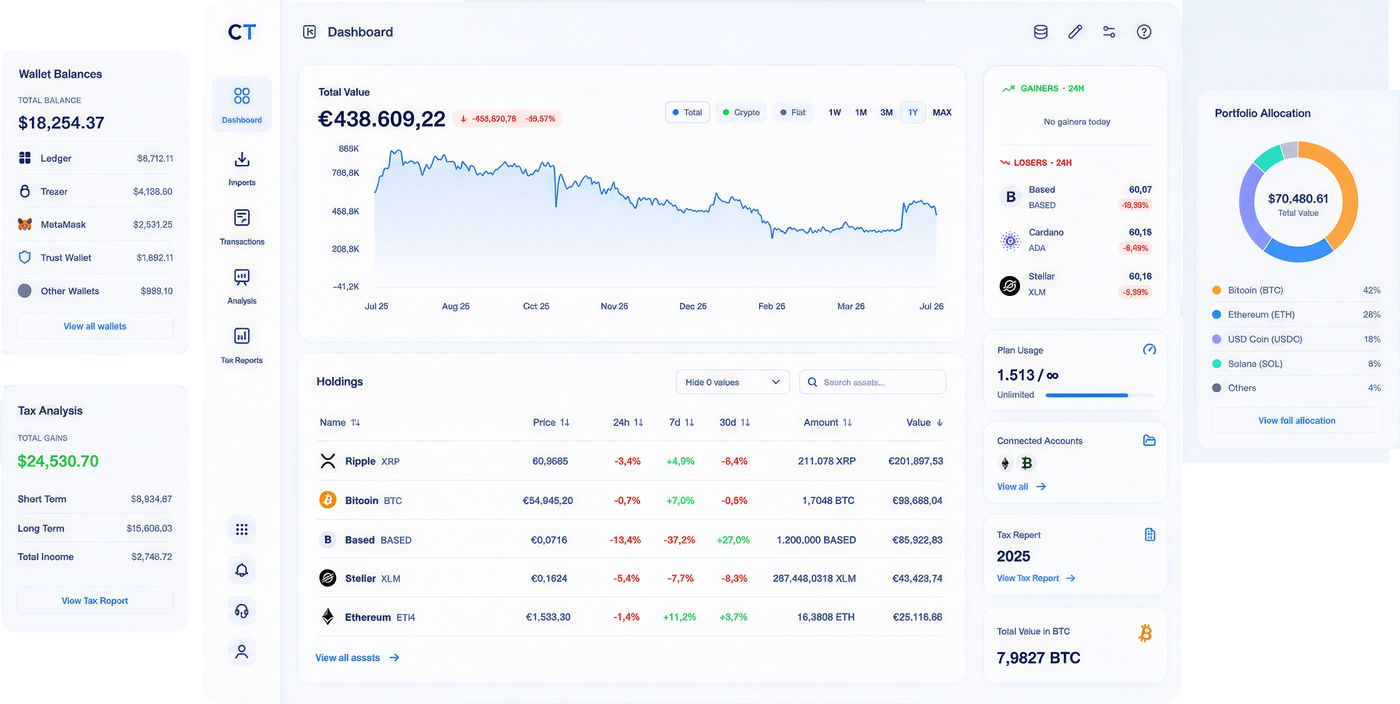
History and Evolution of the Crypto Market
The cryptocurrency market began with the launch of Bitcoin in 2009 by the pseudonymous Satoshi Nakamoto. As an open-source project, its codebase allowed others to create alternative coins, or altcoins, by making modifications. Early altcoins like Litecoin offered slight variations, but the market's scope expanded dramatically with the introduction of smart contracts. Ethereum was the first blockchain to launch this technology, enabling decentralized applications, finance, and token creation. This innovation led to an explosion in the number and variety of crypto assets, moving beyond simple currencies to programmable platforms and utility tokens.
The market has experienced significant volatility and milestones throughout its history. The collapse of the Canadian exchange QuadrigaCX was an event that influenced domestic regulatory thinking toward custody and investor protection. The development of stablecoins, which are cryptocurrencies pegged to the value of fiat currencies, aimed to reduce volatility for everyday transactions. The total number of tradable pairs globally is estimated to be over two million, comprising coins, tokens, and projects across numerous blockchains. Tracking services now monitor the top 70 chains, which represent over 97 percent of all token activity.
Market capitalization tracking evolved with the industry. CoinMarketCap was created to provide a single source for cryptocurrency prices, charts, and data about the emerging markets. The site's goal from its founding was to be the primary online location for crypto market data, offering free charts that show both current and historic price information for each asset. The data is considered unbiased and accurate, with a due diligence process applied before new coins are listed on the main site. For unverified assets, on-chain data from smart contracts on tracked chains is automatically listed through tools like Dexscan.
How Market Capitalization Data Is Used
Market capitalization data serves multiple critical functions for investors, traders, and analysts. Primarily, it allows for the categorization of cryptocurrencies into segments such as large-cap, mid-cap, and small-cap, which can indicate different risk and growth profiles. Bitcoin's dominance, calculated as its market cap divided by the total crypto market cap, is a closely watched metric that signals whether capital is flowing into or out of the flagship asset versus altcoins. A high Bitcoin dominance often correlates with a risk-off sentiment in the broader market, while a declining dominance can indicate increased speculation in smaller projects.
For portfolio management, market cap weighting is a common strategy where an investor allocates funds proportionally to the size of each asset. This approach is foundational to many crypto index funds and exchange-traded products. The data also provides a basis for technical and fundamental analysis, giving context for price movements. A token experiencing a price surge but with a still-small market cap may be viewed differently than a similar percentage gain in a top-ten asset. Furthermore, total market cap trends are used to gauge overall market cycles, such as bull and bear markets, offering a macro perspective beyond individual coin volatility.
Canadian platforms and services integrate this data directly. Trading interfaces on exchanges like Kraken and Coinbase display market caps alongside prices. Investment apps such as Wealthsimple Crypto use this information to educate users and present asset choices. The data feeds are also essential for the functioning of regulated financial products, including the Bitcoin and Ether ETFs listed on major Canadian exchanges, whose net asset values are tied to the underlying assets' market prices and circulating supplies.
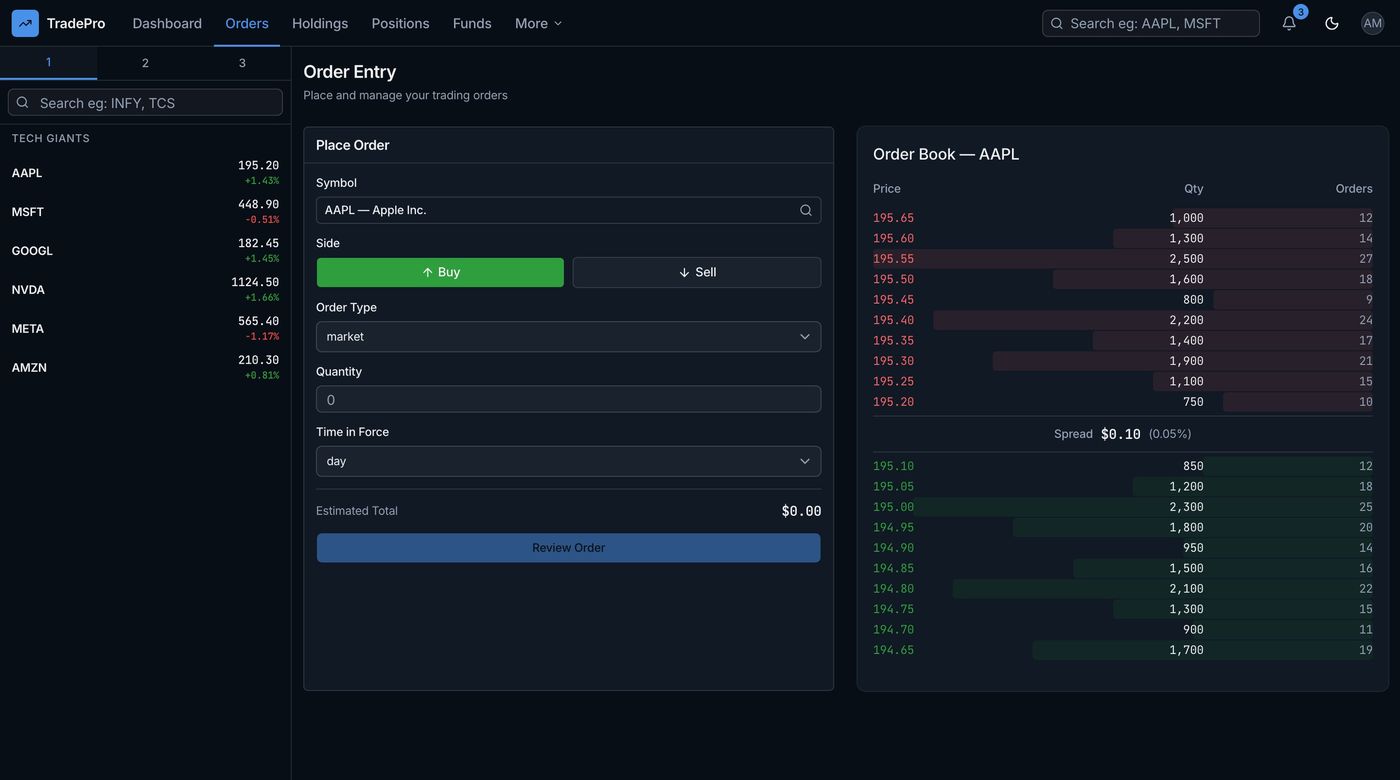
How Canadians Buy and Store Cryptocurrency
Canadian investors have several mainstream avenues for purchasing cryptocurrencies. The most common method is through online trading platforms registered in Canada, such as Bitbuy, Coinsquare, Kraken, Coinbase, and NDAX. These platforms typically support funding via Interac e-Transfer, bank wire, or debit card. Many fintech investment apps that Canadians already use for traditional assets, like Wealthsimple Crypto and Shakepay, also offer integrated crypto trading, lowering the barrier to entry. Canada also has one of the highest concentrations of Bitcoin ATMs per capita globally, with machines concentrated in major urban centres like Toronto, Vancouver, and Montreal, allowing for cash or debit purchases.
Once purchased, crypto assets must be stored securely. On-exchange storage means the assets are held in a wallet controlled by the trading platform. For enhanced security, investors often transfer assets to a private wallet, which can be a software application on a device or a dedicated hardware device. It is critical to understand that crypto holdings on Canadian platforms are not bank deposits and are not covered by Canada Deposit Insurance Corporation (CDIC) deposit insurance. The choice between on-exchange and private wallet storage involves a trade-off between convenience and personal responsibility for security, including safeguarding private keys.
- Online Trading Platforms: Bitbuy, Coinsquare, Kraken, Coinbase, NDAX.
- Funding Methods: Interac e-Transfer, bank transfer, debit card, PayPal.
- Fintech Apps: Wealthsimple Crypto, Shakepay.
- Physical Purchase: Bitcoin ATMs (high concentration in Canadian cities).
- Storage Options: Exchange wallets, private software wallets, hardware wallets.
- Platform Features: Commission-free trading on some platforms for 600+ cryptos.
- Registration Requirement: Platforms must be registered as MSBs with FINTRAC.
The user experience on Canadian platforms is designed for local needs. Coinbase Canada, for instance, offers free cash top-ups using Interac e-Transfer and Electronic Funds Transfer. Kraken provides commission-free trading on over 600 cryptocurrencies for its Canadian users. These platforms must operate under the new regulatory regime, requiring full investment dealer registration with CIRO and compliance with its 2026 Digital Asset Custody Framework, which mandates segregated wallets and strict governance.
Canadian Regulations and Tax Rules
Canada employs a multi-agency approach to cryptocurrency regulation rather than relying on a single dedicated regulator. The Canadian Securities Administrators (CSA) determines whether a crypto trading platform or token falls under securities law. A significant shift occurred in August 2024 when the CSA stopped accepting new interim "restricted dealer" registrations. Since then, crypto trading platforms must register directly and fully as investment dealers with the Canadian Investment Regulatory Organization (CIRO), which now oversees this activity. All platforms operating in Canada must also register with the Financial Transactions and Reports Analysis Centre of Canada (FINTRAC) as money services businesses to comply with anti-money laundering and anti-terrorist financing rules.
On February 3, 2026, CIRO published a new Digital Asset Custody Framework for dealer members operating crypto-asset trading platforms. This framework introduces a tiered, risk-based structure with stronger requirements for segregated wallets, governance, and cybersecurity. For stablecoins, the federal Stablecoin Act (Bill C-15) received Royal Assent in the 2025 to 2026 period, establishing Canada's first dedicated federal framework for fiat-backed stablecoins. The Canada Revenue Agency (CRA) treats cryptocurrency as a commodity for tax purposes. Disposing of crypto through sale, trade, or spending is generally a taxable event, subject to capital gains tax or business income tax depending on the circumstances. Canada is also implementing the international Crypto-Asset Reporting Framework (CARF) into the Income Tax Act for the automatic exchange of crypto tax information with other jurisdictions.
Enforcement actions have intensified alongside new rules. FINTRAC significantly increased its enforcement activity in 2026, revoking dozens of money services business registrations, with many tied to crypto platforms, and issuing large financial penalties. This was supported by a higher statutory penalty ceiling introduced under recent legislation. The regulatory landscape now demands that platforms not only register but maintain robust compliance programs. For investors, this means verifying a platform's registration status with both FINTRAC and CIRO is a critical first step before depositing any funds.
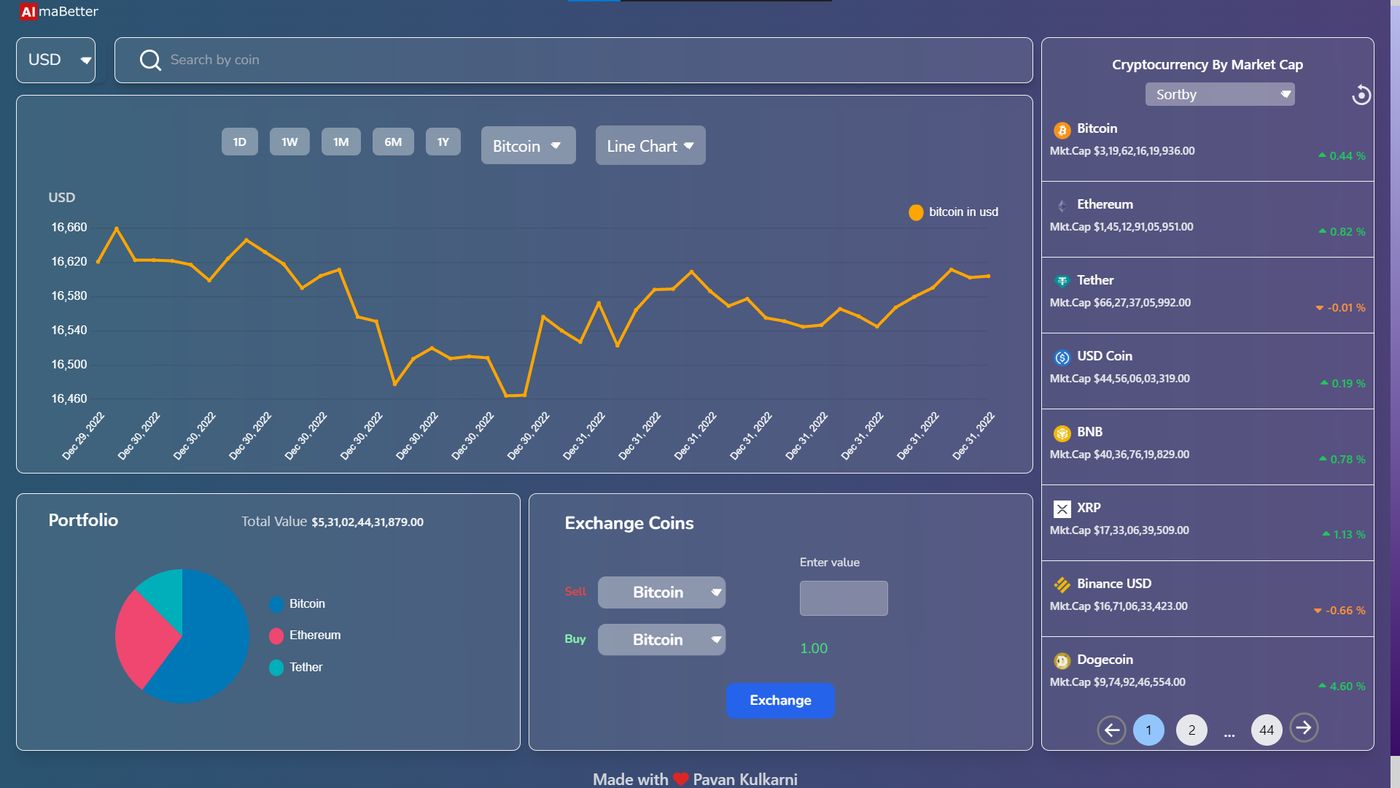
Risks for Canadian Crypto Investors
Investing in cryptocurrency carries substantial risk, beginning with extreme price volatility. Asset prices can move rapidly in either direction, and the market can be relatively thin, making it difficult to execute transactions at desired prices. This volatility is a fundamental characteristic of the crypto market. Counterparty risk is another major concern, as demonstrated by the failure of the Canadian exchange QuadrigaCX. While new custody rules aim to mitigate this, investors must understand that assets held on an exchange are not insured bank deposits. There is also technological risk, including the potential for hacking, smart contract bugs, or loss of access to private keys, which can result in irreversible loss of funds.
Regulatory risk remains present as the legal landscape continues to evolve. FINTRAC significantly stepped up enforcement in 2026, revoking dozens of money services business registrations, many tied to crypto, and issuing large penalties. Investors face tax complexity, as every transaction can be a taxable event requiring detailed record-keeping. Furthermore, the promise of high returns often accompanies projects with little proven utility or adoption, presenting significant speculative risk. Canadians should only invest funds they are prepared to lose entirely and must conduct thorough due diligence on any platform or asset.
Specific risks in the Canadian context include the lack of CDIC deposit insurance for crypto holdings, even on fully registered platforms. The value of cryptoassets can go down as well as up, and gains may be subject to Capital Gains Tax. There may be extra charges when paying via credit card from your provider. The market also contains assets that tracking sites feel unable to verify, which are listed automatically from on-chain data but carry higher uncertainty. Reliance on any third-party content or price data carries its own risk, as platforms like Kraken state they do not vouch for or take responsibility for such content.
Tracking Tools and Market Data for Canadians
Canadians have access to sophisticated tools for tracking cryptocurrency prices and market capitalizations. Dedicated websites and mobile apps provide real-time data on thousands of assets, with prices available in Canadian dollars. These trackers display key metrics beyond price, including 24-hour trading volume, circulating supply, and historical price charts. Many allow users to create personalized watchlists and portfolios, set price alerts, and compare different cryptocurrencies. The underlying data is sourced directly from exchanges and converted into a reference currency, providing a consolidated view of a fragmented global market.
These services also publish broader market statistics that are valuable for analysis. The total global crypto market cap aggregates the value of all listed cryptocurrencies. Bitcoin dominance shows Bitcoin's market cap as a percentage of the total market cap, indicating its relative influence. Other metrics track the volume of decentralized finance activity and the share of trading volume comprised of stablecoins. For advanced users, professional data feeds and APIs are available for integration into trading systems and financial analysis. These tools empower investors to make informed decisions based on comprehensive, timely, and unbiased market information.
| Tool Type | Key Features | Examples/Notes |
|---|---|---|
| Websites | Real-time prices, market cap rankings, historical charts | CoinMarketCap, Yahoo Finance crypto list |
| Mobile Apps | Portfolio tracking, price alerts, news aggregation | CoinMarketCap app tracks 50M+ cryptocurrencies |
| Exchange Dashboards | Live prices, trading pairs, advanced charts | Kraken, Coinbase Canada interfaces |
| APIs & Data Feeds | Programmatic access for institutions & developers | Used by largest exchanges and financial institutions |
| Market Analytics | Total market cap, dominance metrics, volume analysis | Shows DeFi volume as percentage of total market |
The CoinMarketCap app exemplifies these tools, allowing users to track over 45,000 active cryptocurrency markets and compare assets based on price, market capitalization, and volume across different time frames. It can display portfolio values in over 90 fiat currencies, including CAD, or in crypto bases like BTC. These applications also provide sector-specific data, such as for NFTs, DeFi, and different blockchain ecosystems, giving Canadian investors a detailed view of market segments beyond the top assets by market cap. The app includes features for converting between crypto, fiat, and even precious metals, and allows users to follow market trends from top cryptocurrency media outlets.
Frequently asked questions
Is cryptocurrency legal in Canada?
Yes, buying, holding, and trading cryptocurrency is legal in Canada. Crypto assets are not legal tender, which means a government or central bank does not issue or oversee them. Exchanges operating in Canada must register with FINTRAC as money services businesses. Furthermore, platforms offering trading to Canadians generally need to be registered as investment dealers with the Canadian Investment Regulatory Organization (CIRO), as the interim "restricted dealer" registration is no longer accepted.
How do I buy Bitcoin with Canadian dollars?
Canadians can buy Bitcoin using Canadian dollars through several methods. Registered online exchanges like Bitbuy, Coinsquare, Kraken, Coinbase, and NDAX support funding via Interac e-Transfer or bank transfer. Fintech apps such as Wealthsimple Crypto and Shakepay also offer crypto trading. Alternatively, Canada has a high concentration of Bitcoin ATMs, which allow for cash or debit purchases, though fees are typically higher than on online platforms.
How are cryptocurrencies taxed in Canada?
The Canada Revenue Agency treats cryptocurrency as a commodity, not currency. Disposing of crypto by selling, trading, or using it to purchase goods or services is generally a taxable event. This typically results in a capital gain or loss, with 50% of the capital gain being taxable. If trading activity is frequent and systematic, it may be considered business income, which is fully taxable. Canada is implementing the Crypto-Asset Reporting Framework to automatically exchange tax information with other countries.
What is the safest way to store my cryptocurrency?
Security involves a trade-off between convenience and control. Leaving crypto on a registered, CIRO-regulated exchange provides convenience but means you rely on the platform's custody safeguards, which are now strengthened under CIRO's 2026 Digital Asset Custody Framework. For maximum security, transferring assets to a private wallet you control, such as a hardware wallet, is recommended. This eliminates counterparty risk but places full responsibility for safeguarding the private keys on you. Crypto holdings are not protected by CDIC deposit insurance.
What are the new custody rules for Canadian exchanges in 2026?
On February 3, 2026, CIRO published a new Digital Asset Custody Framework for dealer members operating crypto-asset trading platforms. The framework introduces a tiered, risk-based structure with enhanced requirements. These include rules for segregating client assets, robust governance practices, and stringent cybersecurity measures. This regulatory development was influenced in part by past exchange failures and aims to provide stronger protection for investor assets held on platforms.
What is a stablecoin and how is it regulated in Canada?
A stablecoin is a type of cryptocurrency designed to maintain a stable value by being pegged to a reserve asset like the Canadian dollar. They aim to reduce the price volatility common in other cryptocurrencies. Canada's federal Stablecoin Act (Bill C-15) received Royal Assent in the 2025 to 2026 period, establishing the country's first dedicated federal framework for fiat-backed stablecoins. Detailed rules under this act continue to roll out through 2026, providing regulatory clarity for issuers and users.
Sources and further reading
- CoinMarketCap: Cryptocurrency Prices, Charts And Market ... coinmarketcap.com
- Cryptocurrency Prices in Canada, Market Cap & Live ... kraken.com
- Cryptocurrency Prices Live in Canada (CAD, Canadian Dollar) cryptocurrencyprices.stockmaster.in
- CoinMarketCap: Crypto Tracker, App Store, Apple apps.apple.com
- Coinbase Canada, Buy & Sell Bitcoin, Ethereum, and ... coinbase.com
This article explains how things work and is not financial, tax or legal advice. Rules, limits and rates change, so check the current figures with the Canada Revenue Agency, your province or your financial institution before you act.