Cryptocurrency market capitalization, or market cap, is the total market value of a digital asset's circulating supply. It is calculated by multiplying the current price of a single coin or token by the total number of coins currently in circulation. This metric is a primary tool for gauging the relative size and dominance of different cryptocurrencies within the broader market. For Canadian investors, understanding market cap provides crucial context beyond just price, helping to assess risk, liquidity, and a project's overall standing in a volatile and rapidly evolving asset class. The Canadian market is mature, with access to regulated products and platforms, but crypto assets remain very risky and are not legal tender.
What Is Cryptocurrency Market Capitalization?
Market capitalization is a fundamental metric borrowed from traditional finance and applied to the cryptocurrency world. It represents the total market value of a cryptocurrency's circulating supply, providing a snapshot of its size and scale relative to other digital assets. The calculation is straightforward: you take the current market price of a single coin and multiply it by the total number of coins that are currently in circulation and available to the public. This figure is distinct from the fully diluted value, which is an estimate of the market cap if the project's maximum possible supply were already in circulation. For cryptocurrencies like Bitcoin with a fixed cap of 21 million coins, the fully diluted value can be a useful forward-looking metric, though it may not reflect current market reality. Understanding the difference between circulating supply and max supply is critical, as an asset with a large portion of its supply yet to be released could face significant future selling pressure. The circulating supply is the number of tokens that currently exist, minus any coins that have been burned, analogous to shares outstanding in equities.
Key Metrics and How They Work Together
Market cap does not exist in a vacuum. It must be interpreted alongside other key metrics to form a complete picture of a cryptocurrency's market activity and health. The 24-hour trading volume is the total value of a cryptocurrency traded across all exchanges in the past day, indicating the level of current market activity. High volume often suggests strong liquidity, meaning it is easier to buy or sell the asset near its current market price without causing drastic price swings. The ratio of 24-hour volume to market cap is a particularly useful liquidity indicator. A higher ratio suggests the asset is more actively traded relative to its size, which can mean tighter bid-ask spreads and greater price stability. Conversely, a very low volume-to-market-cap ratio can signal illiquidity, which may lead to higher volatility and difficulty executing large orders. For Canadian investors, these metrics are readily available on most trading platforms and market data websites, providing essential tools for due diligence before making any investment decision. These platforms display real-time prices and market data for hundreds of cryptocurrencies, allowing investors to track these figures continuously.
History and Major Market Cap Milestones
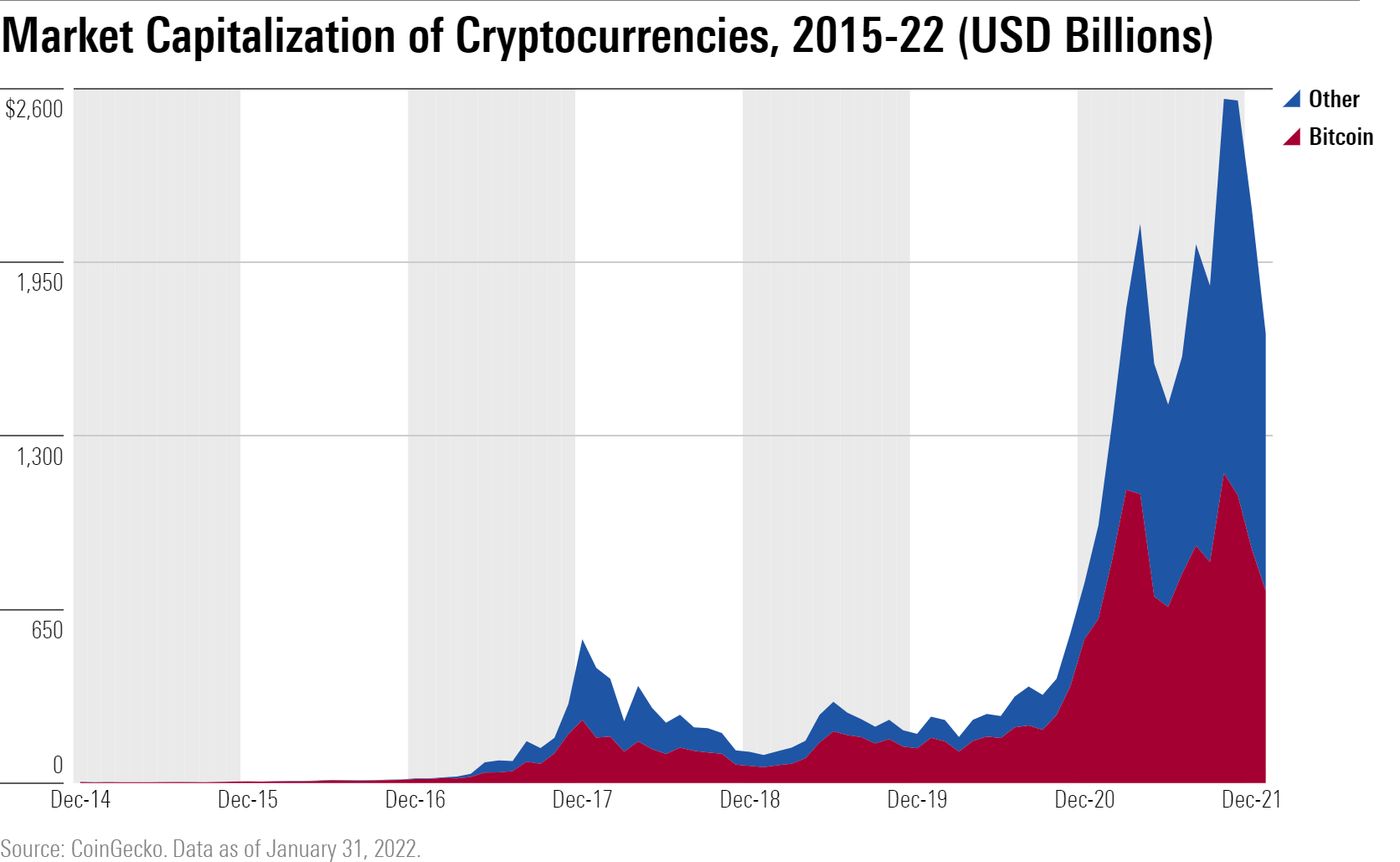
The history of cryptocurrency market capitalization is a story of explosive growth, severe crashes, and increasing institutional adoption. Bitcoin, launched in 2009, created the entire asset class and has consistently dominated the market cap rankings. The combined value of all cryptocurrencies first surpassed the one trillion US dollar mark as of February 2023, a significant milestone that underscored the asset class's move from niche to mainstream. This growth has been driven by several factors including the development of new blockchain technologies like smart contract platforms, the rise of decentralized finance, and increasing interest from both retail and institutional investors. The Canadian market has mirrored this global growth, with the total market size for cryptocurrency reaching 55,002.2 million US dollars in 2025. Projections indicate continued expansion, with the market expected to reach 125,846.5 million US dollars by 2034, growing at a compound annual rate of 9.34 percent. This growth is part of a broader trend of blockchain innovation in Canada, which is enabling secure, transparent, and decentralized systems for both financial and non-financial applications.
The evolution of cryptocurrency market capitalization has seen the rise and fall of thousands of alternative coins since the launch of Bitcoin. Bitcoin, launched in 2009, was the first cryptocurrency and remains the largest by market value. It has since been joined by tens of thousands of alternative coins and tokens, including smart contract platforms like Ethereum. The global cryptocurrency market cap today is 3.92 trillion dollars, reflecting this vast ecosystem of digital assets.
- 2009: Launch of Bitcoin, the first cryptocurrency.
- February 2023: Total global cryptocurrency market cap surpasses $1 trillion.
- 2025: Canada's cryptocurrency market size reaches USD 55,002.2 Million.
- 2025 to 2026: Canada's federal Stablecoin Act (Bill C-15) receives Royal Assent.
- August 2024: The Canadian Securities Administrators stop accepting new interim restricted dealer registrations for crypto platforms.
- February 3, 2026: CIRO publishes its new Digital Asset Custody Framework.
- Projected 2034: Canada's cryptocurrency market size is expected to reach USD 125,846.5 Million.
These milestones reflect broader adoption, regulatory development, and more robust market infrastructure within Canada. Canada has one of the more mature crypto markets globally, shaped by lessons from past exchange failures. The country regulates crypto through several coordinated bodies, with significant regulatory tightening occurring in 2026. Canadian investors have access to regulated Bitcoin and Ether ETFs, and the market is projected to grow significantly, reaching an estimated 125,846.5 million USD by 2034.
How Canadians Buy and Store Cryptocurrency
Canadian investors have multiple avenues for purchasing cryptocurrencies using Canadian dollars. The most common method is through a regulated crypto asset trading platform, such as Bitbuy, Coinsquare, Kraken, Coinbase, or NDAX. These platforms typically allow funding via Interac e-Transfer, bank wire, or debit card. Many fintech investment apps that Canadians already use, like Wealthsimple Crypto and Shakepay, have integrated crypto trading, offering a familiar interface for buying Bitcoin and Ethereum alongside traditional stocks and ETFs. Canada also has one of the highest concentrations of cryptocurrency ATMs per capita in the world, with machines concentrated in major cities like Toronto, Vancouver, and Montreal. Bitcoin ATMs allow for purchases with cash or debit, though they typically carry significantly higher fees than online exchanges. Once purchased, crypto can be stored on the exchange platform itself, but for enhanced security, investors often transfer holdings to a private wallet. It is crucial to understand that crypto holdings on Canadian platforms are not bank deposits and are not covered by Canada Deposit Insurance Corporation deposit insurance, even for fully registered platforms. Before depositing funds, investors should confirm the platform is registered as a money services business with FINTRAC and, where applicable, is registered as an investment dealer and CIRO member.
Canadian Regulations and Tax Rules
Canada regulates cryptocurrency through several coordinated bodies rather than a single dedicated regulator. The Canadian Securities Administrators treats many crypto trading platforms and certain tokens as falling under securities law. Since August 2024, the CSA has stopped accepting new interim restricted dealer registrations. Crypto trading platforms must now register directly and fully as investment dealers with the Canadian Investment Regulatory Organization, the body that absorbed this oversight. On February 3, 2026, CIRO published a new Digital Asset Custody Framework for dealer members operating crypto-asset trading platforms, introducing a tiered, risk-based structure with stronger requirements around segregated wallets, governance, and cybersecurity. This framework was developed partly in response to past failures such as QuadrigaCX. For stablecoins, Canada's federal Stablecoin Act received Royal Assent in 2025 to 2026, establishing the country's first dedicated federal framework for fiat-backed stablecoins. All crypto exchanges operating in Canada must register with FINTRAC as money services businesses and maintain anti-money laundering and anti-terrorist financing compliance programs.
FINTRAC significantly stepped up enforcement in 2026, revoking dozens of MSB registrations most tied to crypto and issuing large penalties, supported by a higher statutory penalty ceiling introduced under recent legislation. From a tax perspective, the Canada Revenue Agency treats cryptocurrency as a commodity rather than currency. Disposing of crypto including selling, trading, or spending it is generally a taxable event subject to capital gains tax, or in some circumstances, business income tax. Canada is also implementing the international Crypto-Asset Reporting Framework into the Income Tax Act for automatic exchange of crypto tax information with other jurisdictions. Investors must keep meticulous records of all transactions, as crypto holdings on platforms are not covered by CDIC insurance. The CSA reminds Canadians that holding a crypto asset with a trading platform does not offer the protections generally afforded to holding regulated deposits.
Risks for Canadian Crypto Investors
Investing in cryptocurrency carries substantial risk, and Canadian investors should be fully aware of these before participating in the market. Crypto assets are very risky and are not legal tender in Canada, meaning no one is obligated to accept them as payment. The markets are notoriously volatile, with prices capable of extreme swings based on speculation, regulatory news, or technological developments. Platform risk is another major concern. Despite stronger custody rules, the failure of an exchange could lead to a total loss of funds, as seen in the past with the collapse of QuadrigaCX. Regulatory risk persists as governments around the world, including Canada, continue to develop and change the rules governing crypto assets. There is also significant technological and security risk, including the potential for hacking, smart contract bugs, or the obsolescence of a particular blockchain protocol. Unlike traditional bank accounts or registered investment accounts, crypto holdings are not protected by government-backed deposit insurance, placing the full burden of security and loss on the investor. The Canadian Securities Administrators remind Canadians that holding a crypto asset does not offer the protections generally afforded to holding regulated deposits.
The Role of Blockchain and AI in Market Growth
Underpinning the cryptocurrency market is blockchain technology, which is driving secure and transparent financial solutions in Canada. Innovations in blockchain are enabling tokenized assets, efficient cross-border payments, and expansion into areas like digital identity and supply chain management. The Canada blockchain in finance market size reached 162.03 million US dollars in 2024, indicating strong foundational growth. Canadian firms are using blockchain in finance to create more efficient systems for cross-border payments, digital asset management, and tokenized investment products. Beyond finance, blockchain is being applied to healthcare data, digital identity, supply chain traceability, and energy trading, which increases overall public and institutional trust in the technology. The Canadian government is also showing interest in exploring blockchain for improving transparency in public services. Innovations in smart contracts, decentralized applications, and Web3 platforms are gaining momentum within the country's strong foundation of blockchain research and development.
Concurrently, the rising adoption of artificial intelligence is bolstering the cryptocurrency market growth. AI algorithms are used for predictive market analysis, automated trading, and enhanced cybersecurity on crypto platforms. Canadian fintech companies are integrating AI to streamline compliance processes, including automated anti-money laundering checks, which simplifies the experience for new users while maintaining regulatory standards. AI is also playing an important role in optimizing blockchain networks by analyzing data for scalability, energy efficiency, and transaction validation. The Canada AI market is set to attain 28.2 billion US dollars by 2028, and its intersection with crypto is creating new business models like AI-based decentralized finance tools and tokenized AI services. These technological advancements are strengthening the infrastructure of the crypto market and attracting both retail and institutional participants, positioning Canada as a forward-looking player in the digital economy.
Registered and Unregistered Platforms in Canada
The regulatory status of a crypto trading platform is a critical consideration for Canadian investors. The Ontario Securities Commission provides lists of platforms that have received exemptive relief to offer crypto products in the province. Registered crypto asset trading platforms are subject to specific terms and conditions, which are detailed in individual exemptive relief decisions. The OSC has also communicated that unregistered platforms operating in Ontario that are non-compliant may be included on the OSC Investor warnings and alerts page and subject to regulatory action, including temporary orders. Both registered and unregistered platforms are subject to review by OSC staff for compliance with securities law, including rules related to advertising and marketing. False or misleading advertising raises concerns about the fitness of a firm for registration. The CSA reminds investors that regulatory oversight cannot eliminate all risks associated with trading in crypto assets. Canadians should consult the list of platforms registered with the CSA and understand the fundamentals of crypto assets before investing. The CSA initially expected unregistered platforms to provide a pre-registration undertaking, but this interim approach for time-limited restricted dealer registration is no longer continued as of August 2024.
Frequently asked questions
Is cryptocurrency legal in Canada?
Yes, buying, holding, and trading cryptocurrency is legal in Canada. However, businesses offering these services are subject to regulation. Crypto exchanges must register with FINTRAC as money services businesses for anti-money laundering purposes. Platforms offering trading to Canadians generally need to be registered as investment dealers with the Canadian Investment Regulatory Organization. It is important to use registered platforms to ensure they are complying with Canadian investor protection rules.
How do I buy Bitcoin with Canadian dollars?
You can buy Bitcoin with CAD through several methods. The most common is using a regulated crypto trading platform like Bitbuy, Coinsquare, or Kraken, which support funding via Interac e-Transfer or bank transfer. Many fintech apps like Wealthsimple Crypto also offer this service. Alternatively, Canada has a high number of Bitcoin ATMs where you can purchase with cash or debit, though fees are typically higher. Always ensure the platform you are using is properly registered with Canadian authorities.
How is cryptocurrency taxed in Canada?
The Canada Revenue Agency treats cryptocurrency as a commodity, not as currency. This means disposing of crypto, by selling, trading, or even spending it, is generally a taxable event that can result in a capital gain or loss. You must report these on your annual tax return. In some cases, if you are trading very frequently, the CRA may consider it business income, which is taxed differently. Canada is also implementing new international reporting rules for crypto assets.
What does market capitalization tell me about a cryptocurrency?
Market capitalization tells you the total market value of all the circulating coins of a specific cryptocurrency. It is calculated by multiplying the current price by the circulating supply. A higher market cap generally indicates a larger, more established project with potentially greater liquidity and stability, though this is not a guarantee. It is a key metric for comparing the relative size of different cryptocurrencies, but it should always be considered alongside other data like trading volume and the project's fundamentals.
Are my crypto funds protected by CDIC insurance?
No. Crypto holdings on Canadian trading platforms are not bank deposits. They are not covered by Canada Deposit Insurance Corporation deposit insurance, even if the platform is fully registered with CIRO. This means if the platform fails or is hacked, you could lose your funds. Some platforms use third-party custodians or have their own insurance, but this is not the same as government-backed deposit insurance. For maximum security, many investors transfer large holdings to private wallets they control.
What is the difference between circulating supply and max supply?
Circulating supply refers to the number of coins or tokens that are publicly available and actively circulating in the market. This is similar to shares outstanding in a company. Max supply is the maximum number of coins that could ever exist according to the project's code. For example, Bitcoin has a max supply of 21 million coins. The fully diluted market cap is calculated using the max supply, showing what the market cap would be if all those coins were already released. A large gap between circulating and max supply can indicate future inflationary pressure.
Sources and further reading
- Bitcoin BTC (BTC-CAD) Live Price, News, Chart & ... ca.finance.yahoo.com
- Cryptocurrency Prices in Canada, Market Cap & Live ... kraken.com
- Cryptocurrency Prices Live in Canada (CAD, Canadian Dollar) cryptocurrencyprices.stockmaster.in
- Canada Cryptocurrency Market Size & Trends Report 2034 imarcgroup.com
- Crypto businesses | OSC osc.ca
This article explains how things work and is not financial, tax or legal advice. Rules, limits and rates change, so check the current figures with the Canada Revenue Agency, your province or your financial institution before you act.