Cryptocurrency live prices display the real-time market value of digital assets like Bitcoin and Ethereum in Canadian dollars, reflecting global trading activity. For Canadian investors, monitoring these prices is fundamental for tracking portfolio performance and making informed trading decisions in a volatile market. The Canadian crypto environment is shaped by a mature regulatory framework, widespread access through exchanges and ATMs, and lessons from past industry failures. Understanding the mechanics of pricing, the legal and tax obligations, and the inherent risks is essential for responsible participation in this asset class.
What Live Cryptocurrency Prices Mean
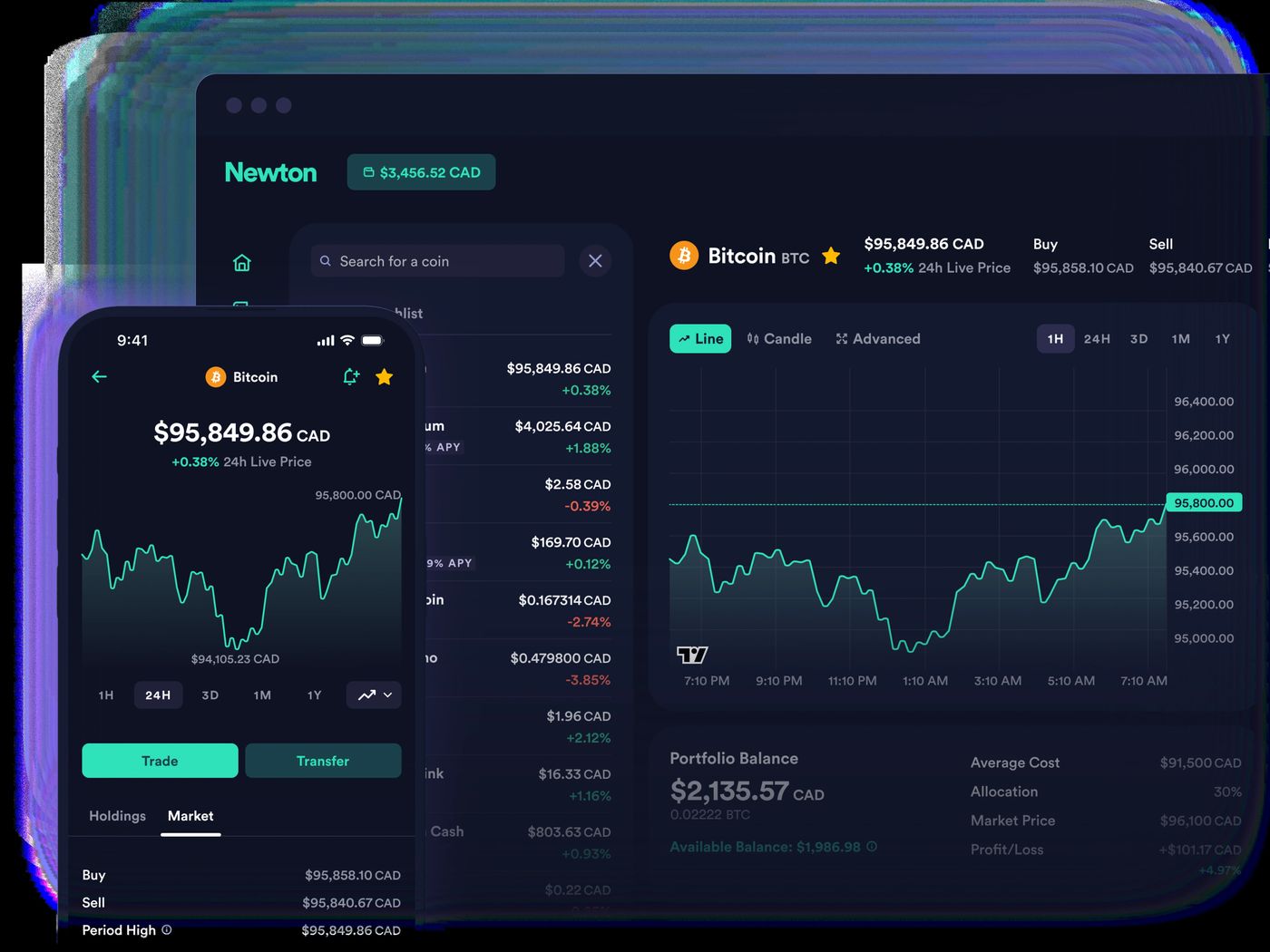
Live cryptocurrency prices represent the instantaneous market valuation of a digital asset, quoted in Canadian dollars, as determined by the latest executed trades on global exchanges. These prices are highly dynamic, changing by the second due to continuous buy and sell orders from millions of participants worldwide. The price for a single unit, such as one Bitcoin, is established through this order book matching process across numerous trading platforms. Investors and traders rely on this real-time data to monitor market sentiment, identify short-term trends, and execute trades, making live price feeds an indispensable tool for active market engagement. The overall market health is often summarized by the total cryptocurrency market capitalization, which aggregates the value of all circulating coins and can experience significant percentage changes over a 24-hour period.
The Technology Behind Cryptocurrencies
Cryptocurrency is a virtual currency where transactions are verified and recorded on a public, decentralized digital ledger known as a blockchain. A blockchain operates as a distributed system where transaction records are stored and maintained across a vast, interconnected ecosystem of computers and networks, eliminating the need for a central authority. This structure makes the ledger highly resistant to censorship and tampering, as altering recorded data would require consensus across the majority of the network. Security for individual users is managed through cryptographic keys a public key acts as a shareable address for receiving funds, while a private key is a secret code that proves ownership and authorizes transactions. The integrity of this system relies on network participants, often through mechanisms like proof-of-work or proof-of-stake, to validate transactions and secure the blockchain against fraudulent activity.
Historical Development and Market Evolution
The cryptocurrency era began with the launch of Bitcoin in 2009 by the pseudonymous entity Satoshi Nakamoto, introducing the first decentralized digital currency and its underlying blockchain technology. Bitcoin's creation solved the double-spending problem for digital cash without a trusted third party, establishing a new asset class. Its success paved the way for tens of thousands of alternative coins and tokens, including programmable smart-contract platforms like Ethereum and stablecoins designed to maintain a peg to fiat currencies. The market has seen tremendous growth, with the total crypto industry market capitalization surpassing one trillion dollars as of February 2023, a period when Bitcoin and Ethereum together commanded approximately 60 percent of the total market value.
Market maturation has been accompanied by increased correlation with traditional finance. An International Monetary Fund report from early 2022 found a measurable correlation between stock market movements and cryptocurrency prices. This means macroeconomic factors that influence equities, such as changes in fiscal policy, interest rates, geopolitical turmoil, and corporate earnings, also exert a significant influence on the prices of Bitcoin, Ethereum, and other digital currencies. This interconnection demonstrates crypto's integration into the broader financial system and affects its volatility patterns. The Canadian market's development was notably impacted by the collapse of the QuadrigaCX exchange, a event that underscored custody risks and later influenced the push for stronger regulatory standards in areas like platform governance and client asset protection.
Methods for Canadians to Acquire Cryptocurrency
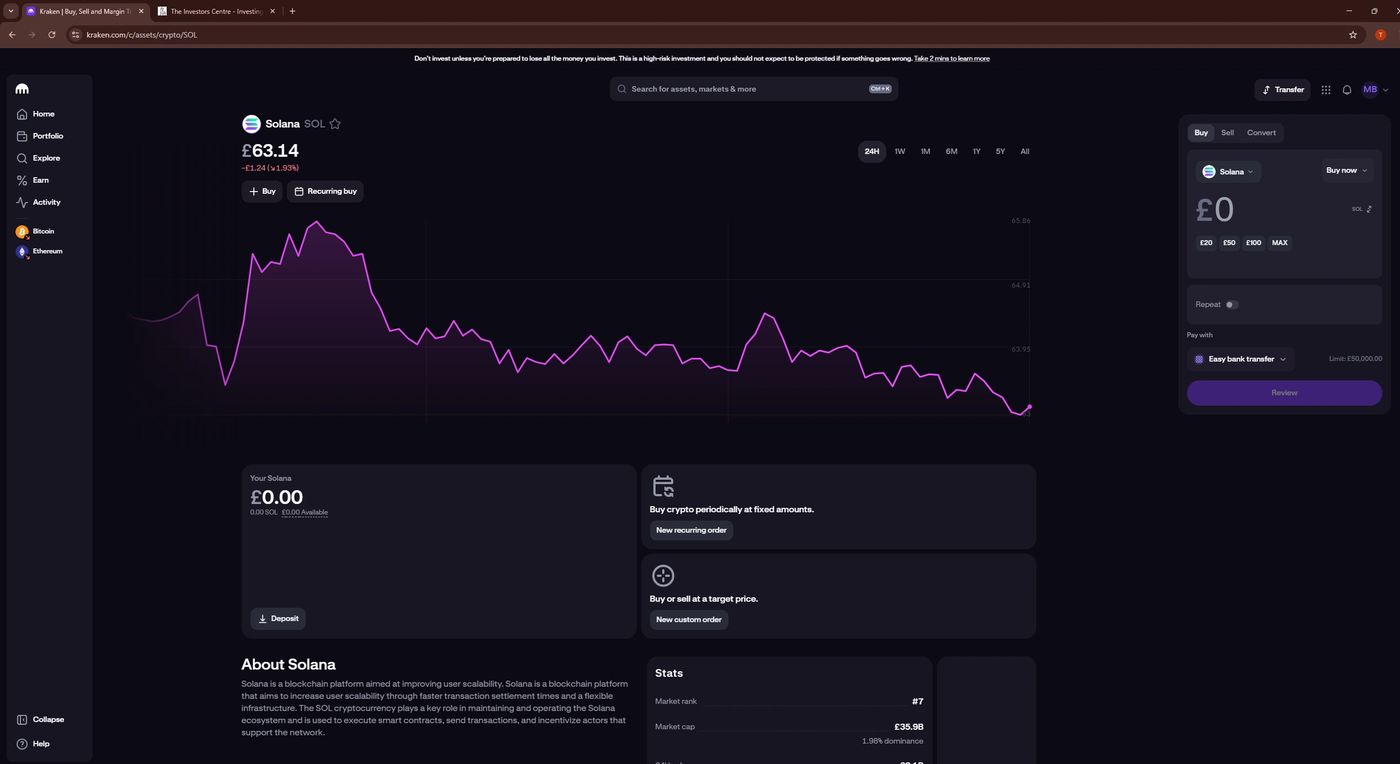
Canadian investors have multiple mainstream avenues to purchase cryptocurrency, primarily categorized into online exchanges, integrated fintech applications, and physical Bitcoin ATMs. Regulated online platforms such as Bitbuy, Coinsquare, Kraken, Coinbase, and NDAX operate in Canada and typically allow users to fund accounts using Interac e-Transfer or direct bank transfers. Fintech adoption has been a significant driver of access, with investment apps like Wealthsimple Crypto and Shakepay offering cryptocurrency trading alongside traditional stocks and ETFs, creating a familiar interface for new buyers. For those preferring cash transactions, Canada has one of the highest concentrations of Bitcoin ATMs per capita globally, with machines heavily located in major urban centres like Toronto, Vancouver, and Montreal, though these transactions usually incur higher fees than online methods.
Once acquired, cryptocurrencies must be stored securely, which is managed through a digital wallet. A digital wallet is software or hardware that allows users to store and access their cryptocurrency by safeguarding the essential public and private cryptographic keys. When assets are held directly on a trading platform, the platform acts as a custodian, meaning the user does not control the private keys and relies on the platform's security and integrity. In response to custody risks highlighted by past failures, the Canadian Investment Regulatory Organization published a new Digital Asset Custody Framework for dealer members on 3 February 2026. This framework introduces a tiered, risk-based structure with stronger mandates for segregated client wallets, governance, and cybersecurity protocols specifically for crypto-asset trading platforms.
- Online Exchanges: Registered platforms like Bitbuy, Kraken, and NDAX for trading.
- Fintech Investment Apps: Services such as Wealthsimple Crypto and Shakepay that blend crypto with traditional investing.
- Bitcoin ATMs: Thousands of machines nationwide for instant cash-to-crypto purchases.
- Storage Solutions: Self-custody via software/hardware wallets or custodial storage on regulated platforms.
- Funding: Most platforms support Interac e-Transfer, with some allowing credit card payments that may incur extra charges from the card provider.
The Canadian Regulatory and Tax Landscape
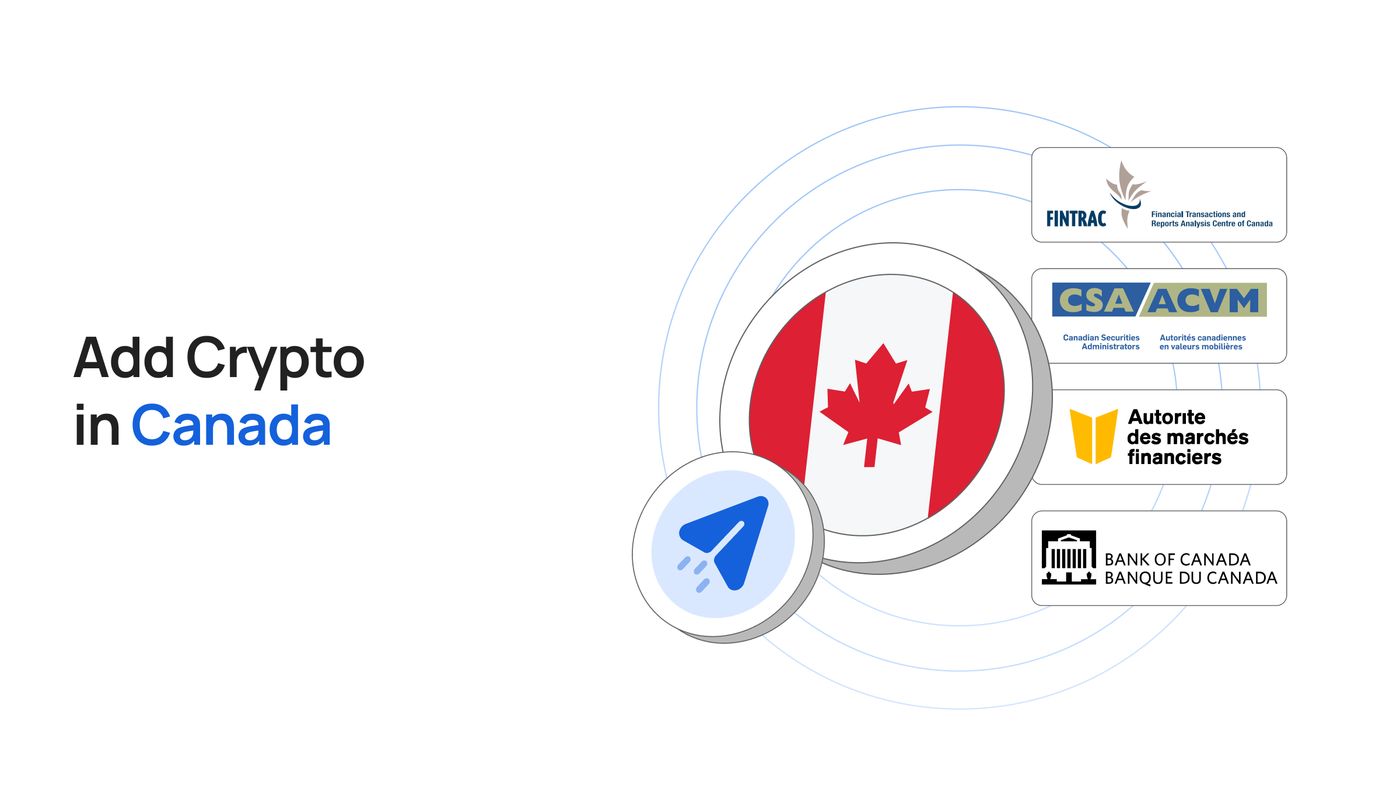
Canada employs a multi-agency approach to cryptocurrency regulation, involving provincial and federal bodies rather than a single dedicated regulator. For securities law, the Canadian Securities Administrators asserts that many crypto trading platforms and certain digital tokens fall under provincial securities legislation, requiring oversight. A major change occurred in August 2024 when the CSA stopped accepting new interim restricted dealer registrations, forcing all crypto trading platforms to obtain full registration as investment dealers with the Canadian Investment Regulatory Organization. Concurrently, all entities facilitating crypto transactions must register with the Financial Transactions and Reports Analysis Centre of Canada as money services businesses and maintain robust anti-money laundering and counter-terrorist financing programs, with FINTRAC significantly increasing enforcement actions and penalties in 2026.
On the legislative front, the federal Stablecoin Act received Royal Assent in the 2025 to 2026 period, establishing Canada's first dedicated federal framework for fiat-backed stablecoins with detailed rules rolling out through 2026. For taxation, the Canada Revenue Agency classifies cryptocurrency as a commodity, not as legal tender. Any disposition of crypto, including selling, trading, or spending it, is generally a taxable event that triggers either capital gains tax or, for those engaged in frequent trading, business income tax. Canada is also in the process of implementing the international Crypto-Asset Reporting Framework into the Income Tax Act, which will mandate automatic reporting and exchange of crypto tax information with other jurisdictions. A critical disclaimer for all investors is that cryptocurrency holdings on Canadian platforms are not considered bank deposits and receive no protection from Canada Deposit Insurance Corporation insurance.
| Regulatory Aspect | Key Development or Requirement (2026) |
|---|---|
| Securities Trading & Platform Registration | Full CIRO investment dealer registration mandatory. No new restricted dealer registrations. |
| Custody of Client Crypto Assets | Digital Asset Custody Framework enacted (tiered, risk-based with segregation rules). |
| Stablecoin Issuance & Operation | Stablecoin Act (Bill C-15) is law, creating a federal regulatory framework. |
| Anti-Money Laundering Compliance | MSB registration required. Heightened enforcement with revoked registrations and larger penalties. |
| Taxation of Transactions | Capital gains/business income treatment. CARF implementation for international reporting. |
| Consumer Protection | No CDIC deposit insurance coverage for crypto holdings. |
Key Risks for Canadian Crypto Investors
Investing in cryptocurrency involves substantial risks that must be carefully weighed. Extreme price volatility is the most prominent risk, with asset values capable of rapid and severe fluctuations driven by speculation, regulatory announcements, technological developments, and broader macroeconomic trends. The value of cryptoassets can decrease as well as increase, and losses can be total, with no guarantee of recovery. Custody and counterparty risk remains a serious concern, as investors must trust the security and solvency of the trading platform or wallet provider holding their assets, a vulnerability starkly illustrated by the QuadrigaCX collapse where client funds were lost.
Regulatory uncertainty persists as governments worldwide continue to develop rules, and changes in Canada, such as new registration or reporting requirements, can directly impact platform operations and asset legality. There is a distinct lack of investor protection mechanisms comparable to those in traditional finance crypto holdings are not CDIC-insured, and there is no financial services compensation scheme for these assets. Furthermore, the technological complexity presents operational risks, including the permanent loss of funds due to mismanagement of private keys or falling victim to sophisticated scams. The Canadian Securities Administrators and other regulators consistently warn that cryptoassets are high-risk speculative investments, and individuals should only commit funds they are prepared to lose entirely after conducting thorough personal research.
Investment Considerations and Market Participation
Participating in the cryptocurrency market requires a foundational understanding of both investment principles and the unique attributes of digital assets. Investors are advised to conduct extensive research, study basic investment strategies, and continuously monitor market conditions before committing capital. Investment decisions should be based on personal due diligence, clear financial objectives, and a firm understanding of one's own risk tolerance, with the cardinal rule being to only invest money one can afford to lose. The range of available strategies extends beyond simple buying and holding to include activities like crypto staking, where holders lock up their assets to help maintain a blockchain network and earn staking rewards in return, which are typically paid out periodically based on the amount and duration staked.
Market access in Canada is robust, with platforms catering to both novice and experienced traders. Fee structures vary, with some platforms offering commission-free trading on hundreds of cryptocurrencies, while others charge fees for deposits, withdrawals, or trades, such as a 1.5 percent withdrawal fee and a minimum deposit of fifty dollars on one noted platform. The growth of the sector is reflected in metrics like the total global cryptocurrency market capitalization, which can be in the multi-trillion dollar range, and the 24-hour trading volume, which indicates the liquidity and activity level for major assets like Bitcoin and Ethereum. Ultimately, the choice of which cryptocurrency to buy, whether Bitcoin, an altcoin, or a stablecoin, is a personal decision that must align with an individual's research, goals, and comprehension of the associated risks and potential rewards.
Frequently asked questions
Is cryptocurrency legal in Canada?
Yes, buying, holding, and trading cryptocurrency is entirely legal in Canada. The activities are governed by a framework that requires platforms to be registered. Exchanges must register with FINTRAC as money services businesses for anti-money laundering purposes. Furthermore, platforms offering trading services to Canadians generally need to be registered as investment dealers with the Canadian Investment Regulatory Organization, following the phasing out of the older restricted dealer model.
How do I buy Bitcoin with Canadian dollars?
Purchasing Bitcoin with CAD can be done through several convenient channels. Online cryptocurrency exchanges like Bitbuy, Kraken, or Coinbase allow you to buy using Interac e-Transfer or bank transfer. Fintech investment applications such as Wealthsimple Crypto and Shakepay integrate crypto purchases directly into their platforms. Canada also has a very high number of Bitcoin ATMs per capita, located in cities nationwide, where you can use cash or debit, though these machines often carry higher transaction fees compared to online exchanges.
How is cryptocurrency taxed in Canada?
The Canada Revenue Agency treats cryptocurrency as a commodity for tax purposes, not as official currency. Whenever you dispose of cryptocurrency by selling, trading it for another asset, or using it to purchase goods or services, it is typically a taxable event. The resulting profit or loss is usually subject to capital gains tax rules, though individuals trading frequently may have their earnings classified as business income. Canada is also implementing the global Crypto-Asset Reporting Framework to automatically share crypto tax information with international partners.
Are my cryptocurrency funds insured in Canada?
Cryptocurrency holdings on Canadian trading platforms are not considered bank deposits. They are not covered by Canada Deposit Insurance Corporation deposit insurance. This is true even for platforms that are fully registered. Your protection relies on the platform's compliance with custody rules like those in CIRO's Digital Asset Custody Framework.
What is Canada's new law on stablecoins?
Canada's new Stablecoin Act, formally Bill C-15, received Royal Assent in the 2025 to 2026 period. This law creates the country's first dedicated federal regulatory framework for fiat-backed stablecoins. It establishes legal guidelines for the issuance and operation of these digital assets, aiming to provide stability and clarity for the market. The detailed regulatory rules stemming from this act continue to be rolled out through the year 2026.
What are the custody rules for crypto platforms in Canada?
Custody rules for crypto platforms are now formalized under CIRO's Digital Asset Custody Framework, published on 3 February 2026. This framework introduces a tiered, risk-based regulatory structure for dealer members that operate crypto-asset trading platforms. It mandates stronger requirements for segregating client wallets from platform assets, enhances governance standards, and imposes rigorous cybersecurity protocols. The framework was developed partly in response to past platform failures to better protect client assets.
Sources and further reading
- Cryptocurrency Prices Live in Canada (CAD, Canadian Dollar) cryptocurrencyprices.stockmaster.in
- Cryptocurrency Prices in Canada, Market Cap & Live ... kraken.com
- Cryptocurrency Prices, Charts, Daily Trends, Market Cap, ... coinbase.com
- Canadian Cryptocurrency Prices bitbuy.ca
This article explains how things work and is not financial, tax or legal advice. Rules, limits and rates change, so check the current figures with the Canada Revenue Agency, your province or your financial institution before you act.