Property insurance is a financial contract that provides protection against risks to physical property and personal liability. In Canada, this primarily manifests as home insurance for owners, condo insurance for unit owners, and tenant insurance for renters. While not legally required by the government, it is almost always mandated by mortgage lenders as a condition of financing. The coverage helps pay for damage from events like fire, theft, and certain types of water damage, and it can also cover additional living expenses if a home becomes uninhabitable. Understanding the types of coverage, how premiums are calculated, and the specific rules in the Canadian market is essential for property owners and renters to manage their financial risk effectively.
What Property Insurance Is and How It Works
Property insurance is a contract where an insurer agrees to cover financial losses related to a property in exchange for regular premium payments. The fundamental principle is the transfer of risk from the property owner to the insurance company. In the Canadian context, this is most commonly purchased as home insurance, which is an umbrella term for policies covering owned houses, condominium units, rented dwellings, and seasonal properties. The policy functions by defining specific perils or causes of loss that are covered, setting coverage limits for different categories like the dwelling and personal belongings, and establishing a deductible which is the amount the policyholder pays out-of-pocket when a claim is made. When a covered event occurs, the insured files a claim, and after the deductible is paid, the insurer provides compensation up to the policy's limits, helping to repair, replace, or provide alternate living arrangements.
Coverage is fundamentally broken into two main parts: personal property and personal liability. Personal property coverage protects the physical structure of the home and the belongings inside it, subject to the policy's terms. Personal liability coverage protects the policyholder if they are found legally responsible for causing bodily injury to someone else or damaging another person's property. This liability protection applies to incidents on the insured property or caused by the policyholder's actions anywhere in the world. It is crucial to understand that a standard policy does not cover every possible risk. Common exclusions include damage from floods, earthquakes, and normal wear and tear, though some of these can be added as optional endorsements for an additional premium.
Historical Origins of Property Insurance
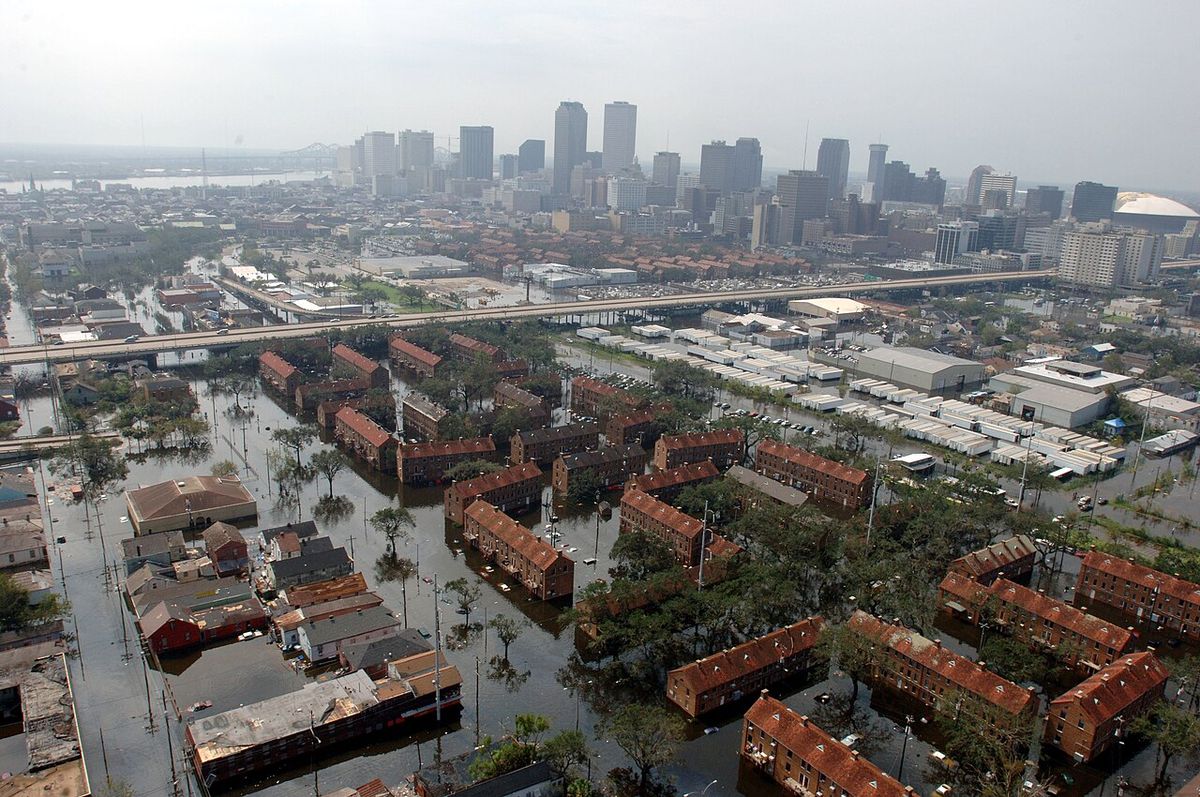
The modern concept of property insurance has its roots in the aftermath of the Great Fire of London in 1666, which destroyed over 13,000 houses. This catastrophe transformed insurance from a convenience into an urgent necessity. In 1681, economist Nicholas Barbon and eleven associates established the first fire insurance company, the Insurance Office for Houses, at the back of the Royal Exchange to insure brick and frame homes. This initial venture successfully insured 5,000 homes and demonstrated the viability of pooling risk. Following this success, numerous similar companies were founded in the subsequent decades, each often employing its own fire brigade to protect insured properties and issuing fire insurance marks for customers to display on their buildings.
These early companies laid the foundation for the industry. The Hand in Hand Fire & Life Insurance Society, founded in 1696 at Tom's Coffee House in London, was one notable example. The first property insurance company still in existence today was founded in 1710 as the Sun Fire Office, which through many mergers and acquisitions eventually became the RSA Insurance Group. The practice crossed the Atlantic to Colonial America, where Benjamin Franklin helped popularize it. In 1752, he founded the Philadelphia Contributionship for the Insurance of Houses from Loss by Fire, which helped standardize the practice but also began the practice of risk assessment by refusing to insure buildings with a high fire risk, such as wooden houses.
Types of Coverage and Policy Structures
Insurance policies structure coverage in several key ways, primarily through the concepts of perils and the basis for payout. There are two main ways to define what is covered: open perils and named perils. An open perils policy covers all causes of loss except those specifically listed as exclusions, which commonly include earthquakes, floods, nuclear incidents, acts of terrorism, and war. A named perils policy only provides coverage if the actual cause of loss is listed in the policy, with common named perils being fire, lightning, explosion, and theft. In Canada, insurers typically offer different levels of coverage that combine these concepts, such as Comprehensive coverage which is akin to open perils, and Basic or Named Perils coverage which is more restrictive.
The amount paid on a claim is determined by the type of coverage value selected. Replacement cost coverage pays the full cost of repairing or replacing damaged property with materials of like kind and quality, without deduction for depreciation. Actual cash value coverage provides for the replacement cost minus depreciation, meaning it accounts for the age and wear of the item. Extended replacement cost is a feature that may pay over the stated coverage limit if construction costs have risen, typically up to 25 percent above the limit. When setting a policy, the limit is the maximum amount the insurer will pay for a given situation, and it must be carefully calculated to match the actual cost to rebuild the home, which is distinct from its market value or municipal tax assessment.
- Open Perils: Covers all risks not explicitly excluded.
- Named Perils: Covers only risks specifically listed in the policy.
- Replacement Cost: Pays to repair or replace with new, no depreciation.
- Actual Cash Value: Pays replacement cost minus depreciation.
- Additional Living Expenses: Covers hotel and food costs if home is uninhabitable, often up to 20% of dwelling coverage.
The Canadian Property Insurance Market
In Canada, property insurance is a critical component of personal financial planning, especially for homeowners. While not a legal requirement for simply owning a home, it is almost universally required by mortgage lenders as a condition of approving and maintaining a mortgage. This makes it effectively mandatory for the vast majority of homeowners with financing. The market offers several distinct policy types tailored to different living situations: homeowner's insurance for detached houses, condo insurance for unit owners within a strata corporation, tenant insurance for renters, and seasonal property insurance for cottages or chalets. Each type addresses the unique ownership structure and liability exposures of the policyholder.
The cost of home insurance in Canada averages about $1,300 annually, but this figure varies significantly based on numerous factors. According to industry data, average premiums increased by 5.8 percent year-over-year as of the second quarter of 2026. Insurers calculate premiums by assessing the risk profile of the property and the policyholder. Key rating factors include the home's location, which influences risks like flooding, fire, and burglary. The age and construction type of the building. The presence of safety and mitigation devices like alarm systems. The policyholder's claims history. And the specific coverage options, limits, and deductibles chosen. Consumers can often secure discounts, such as bundling home and auto insurance, which can save an average of $960 annually according to some providers, or by maintaining a claims-free record.
| Policy Type | Primary Insured Interests |
|---|---|
| Homeowner's Insurance | Dwelling, detached structures, contents, personal liability |
| Condo Insurance | Unit improvements, personal contents, personal liability |
| Tenant Insurance | Personal contents, personal liability, additional living expenses |
| Seasonal Property | Secondary dwelling, contents, liability specific to recreational use |
Specifics of Condo and Tenant Insurance
Condo insurance, known as strata insurance in British Columbia, involves a unique two-policy system. The condominium corporation holds a master policy that covers the building's common elements, such as hallways, elevators, the roof, and the original fixtures within units. This corporation policy also includes liability coverage for the corporation's actions. However, this master policy does not cover the unit owner's personal belongings, any upgrades they have made to their unit, or their personal liability. Therefore, individual condo owners must purchase their own policy to fill these gaps. A standard condo insurance policy covers personal property, additional living expenses if the unit is uninhabitable, personal liability, and often includes coverage for unit improvements and betterments that go beyond the original builder's specifications.
Tenant insurance, or renter's insurance, is designed for individuals who rent a house, apartment, or condo unit. It is a common misconception that a landlord's insurance policy covers the tenant's possessions. It does not. Tenant insurance protects the renter's personal belongings from covered perils like fire or theft. It also provides crucial personal liability coverage, which can protect the tenant if they are found responsible for damage to the rental property or if a guest is injured within their rented home. Furthermore, it includes additional living expense coverage, which would pay for temporary accommodation if the rental unit becomes unlivable due to a covered loss, such as a fire. Despite its importance, tenant insurance is often overlooked, but it represents a relatively low-cost way to secure significant financial protection.

Key Factors Affecting Premiums and Available Discounts
Insurance premiums are not arbitrary. They are carefully calculated based on the insurer's assessment of the likelihood and potential cost of a claim. The location of the property is a primary factor, as it determines exposure to risks like flooding, wildfire, crime rates, and even the proximity to a fire hydrant and fire station. The age and construction type of the home are also critical, with newer homes generally attracting lower premiums due to modern building codes and materials, while older homes may have higher risks from outdated electrical or plumbing systems. Other structural details, such as the type of roofing and heating system, are also considered. Policy-specific choices have a direct impact: opting for a higher deductible lowers the premium, while adding optional coverages or selecting higher limits increases it.
Canadian insurers offer numerous avenues for policyholders to reduce their premiums through discounts and preferred rates. One of the most significant savings comes from bundling, where insuring both a home and an automobile with the same company can save customers an average of $960 per year according to some market data. Other common discounts include those for claims-free customers, where maintaining a record without claims can lead to an average savings of 25 percent for new customers. Installing centrally monitored alarm systems for theft, fire, or water leaks can also result in lower premiums. Furthermore, members of certain alumni associations, professional organizations, or employer groups may qualify for preferred group rates. Some insurers also offer discounts for homes that are mortgage-free or for homes that are less than five years old.
- Location: Postal code influences flood, fire, and crime risk.
- Home Age & Construction: Newer homes typically have lower premiums.
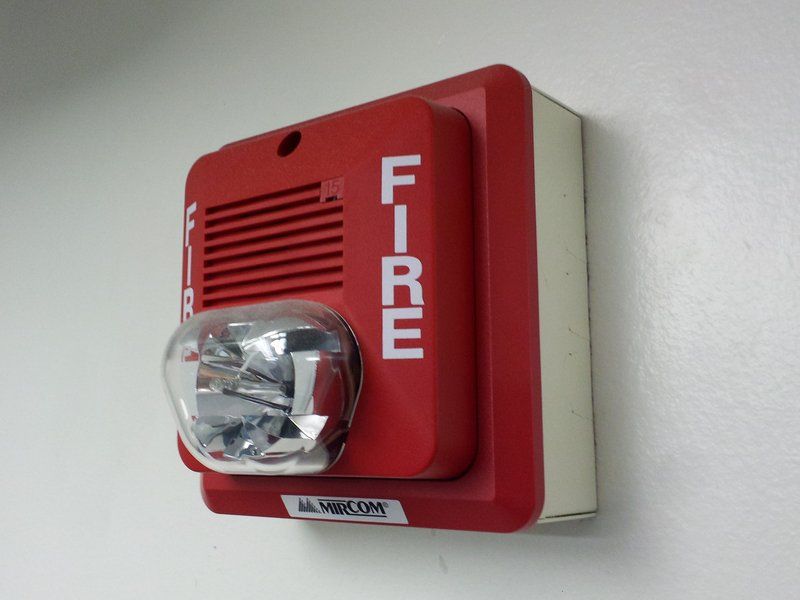
- Safety Devices: Monitored alarm systems for fire, theft, or water leaks.
- Claims History: A record free of claims leads to discounts.
- Bundling: Combining home and auto insurance with one provider.
- Group Membership: Preferred rates for certain alumni or professional associations.
- Deductible Amount: Choosing a higher out-of-pocket deductible.
- Mortgage Status: Some insurers offer discounts for mortgage-free homes.
Important Considerations and Common Exclusions
When purchasing and maintaining property insurance, policyholders must be aware of common exclusions and the importance of accurate coverage amounts. Standard home insurance policies in Canada typically do not cover damage caused by floods, earthquakes, or sewer backup unless specific optional endorsements are purchased. Damage from gradual events, such as seepage, mould, or general wear and tear, is also excluded. It is the policyholder's responsibility to review their coverage carefully and discuss with their insurance advisor whether add-ons like overland water coverage or earthquake insurance are necessary for their region. Furthermore, high-value items like jewellery, fine art, or collectibles often have sub-limits within a standard policy and may require scheduled personal property coverage to be fully insured.
Regularly reviewing and updating a policy is crucial. The replacement cost of a home is not static. It can increase due to inflation in construction costs or after major renovations. Policyholders should inform their insurer of any significant home improvements, such as a kitchen remodel or an addition, to ensure the dwelling coverage limit remains adequate. Underinsurance is a significant risk, as being insured for less than the true replacement cost can lead to a reduced payout after a major loss. Similarly, creating a home inventory of belongings can streamline the claims process. Understanding that liability coverage protects against lawsuits for injuries or damage caused by the policyholder, but does not cover injuries to the policyholder or their own household members, is another key point of clarity.
Claims Process and Major Historical Cases
The claims process is initiated when a covered loss occurs. The policyholder must promptly notify their insurance company and submit a claim in writing, providing details of the damages and their estimated values. The insurer will then assign an adjuster to assess the loss. After the assessment and once the policyholder pays the chosen deductible, the insurer will provide compensation up to the applicable policy limits. For dwelling claims, this is often based on the agreed replacement cost. The process also covers additional living expenses if the home is uninhabitable, with insurers typically covering reasonable hotel and meal costs for a specified period, often subject to a limit such as 20 percent of the dwelling coverage.
Historically, major property loss events have tested the boundaries of insurance contracts and led to significant legal rulings. Leaseholder Larry Silverstein argued the two plane impacts constituted two separate insured events, seeking over $7 billion, while insurers contended it was a single coordinated attack. A federal jury reached a compromise decision in December 2004, and by May 2007, a settlement made over $4.5 billion available for rebuilding. These cases highlight the complexities of policy wording, particularly around the definition of a single event versus multiple events, and the ongoing challenges in regions prone to catastrophic perils.
Frequently asked questions
What does a standard home insurance policy cover?
A standard home insurance policy in Canada typically includes four main areas of coverage. It covers the dwelling itself and other structures on the property against named or open perils. It covers personal belongings inside the home. It provides personal liability protection if you are found responsible for injuring someone or damaging their property. Finally, it includes additional living expenses to pay for temporary accommodation and meals if your home becomes uninhabitable due to a covered loss.
How is the cost of home insurance determined?
Insurers calculate premiums based on the assessed risk of a claim. Major factors include your home's location, which affects exposure to floods, fire, and crime. The age, size, and construction type of the building. Your claims history. And the coverage limits and deductible you choose. Safety features like alarm systems can lower costs, while optional add-ons increase the premium. The average annual cost is about $1,300, but it varies widely.
How can I lower my home insurance premium?
There are several ways to potentially lower your premium. Bundling your home and auto insurance with the same provider often yields one of the largest discounts. Installing centrally monitored alarm systems for fire, theft, or water leaks can reduce risk and lower costs. Maintaining a claims-free record qualifies you for discounts. Choosing a higher deductible lowers your premium. You may also qualify for group discounts through alumni or professional associations.
Is home insurance mandatory in Canada?
Home insurance is not a legal requirement in Canada. However, it is almost universally required by mortgage lenders as a condition for approving a mortgage. Even without a mortgage, insurance is strongly recommended to protect your home, belongings, and finances from major covered losses. Policies help pay for damage to your house, theft of personal property, liability if someone is injured on your property, and temporary living costs if you cannot stay in your home after a covered event. Coverage is defined by your specific policy, and reviewing it regularly ensures you have appropriate protection.
What is the difference between replacement cost and market value?
Replacement cost is the amount required to rebuild your home with like kind and quality at current construction prices, without deduction for depreciation. Market value is the price your home would sell for on the open market, which includes the value of the land. Home insurance coverage for the dwelling is based on replacement cost, not market value, because the land is not at risk from perils like fire or storm damage. When obtaining a policy, the limit is the maximum benefit the insurer will pay, and this amount needs to be in step with the actual reconstruction value of the home, which can fluctuate.
Does my condo corporation's insurance cover my unit?
A condo corporation's master policy typically covers the building's common elements and the original standard structure of units. It does not cover your personal belongings, any upgrades or improvements you have made, or your personal liability. Therefore, you must purchase your own condo insurance policy to protect these items. This separate policy fills the gaps left by the corporation's coverage, ensuring protection for your contents, personal liability, and often additional living expenses if your unit becomes uninhabitable due to a covered loss.
Sources and further reading
- Property insurance (Wikipedia) en.wikipedia.org
- Home Insurance Quotes in Canada, Save Up to 15% rbcinsurance.com
- Get A Home Insurance Quote tdinsurance.com
- Get a Home Insurance Quote Today allstate.ca
- Types of home coverage ibc.ca
- Compare Home Insurance Quotes Online & Start Saving ratehub.ca
This article explains how things work and is not financial, tax or legal advice. Rules, limits and rates change, so check the current figures with the Canada Revenue Agency, your province or your financial institution before you act.