Comprehensive car insurance is an optional form of auto coverage that protects a vehicle from loss or damage caused by events other than a collision. It covers perils such as theft, vandalism, fire, falling objects, and weather-related damage. While not legally mandatory across Canada, it is often required by lenders for leased or financed vehicles. For many Canadian drivers, comprehensive coverage provides crucial financial protection against unpredictable and costly incidents that basic mandatory insurance does not cover.
Definition and Scope of Coverage
Comprehensive car insurance is designed to cover the cost of repairing or replacing a vehicle due to damage or loss from events not involving a collision with another vehicle or object. This coverage responds to a wide range of specified perils that are typically unexpected and accidental. The core principle is to protect the vehicle owner from financial burdens arising from incidents largely outside their control while the vehicle is parked or in operation. It is a form of first-party coverage, meaning it applies to the policyholder's own vehicle rather than to liability for damage to others. In the Canadian insurance context, comprehensive coverage is universally considered an optional add-on to the mandatory minimum auto insurance required by each province and territory.
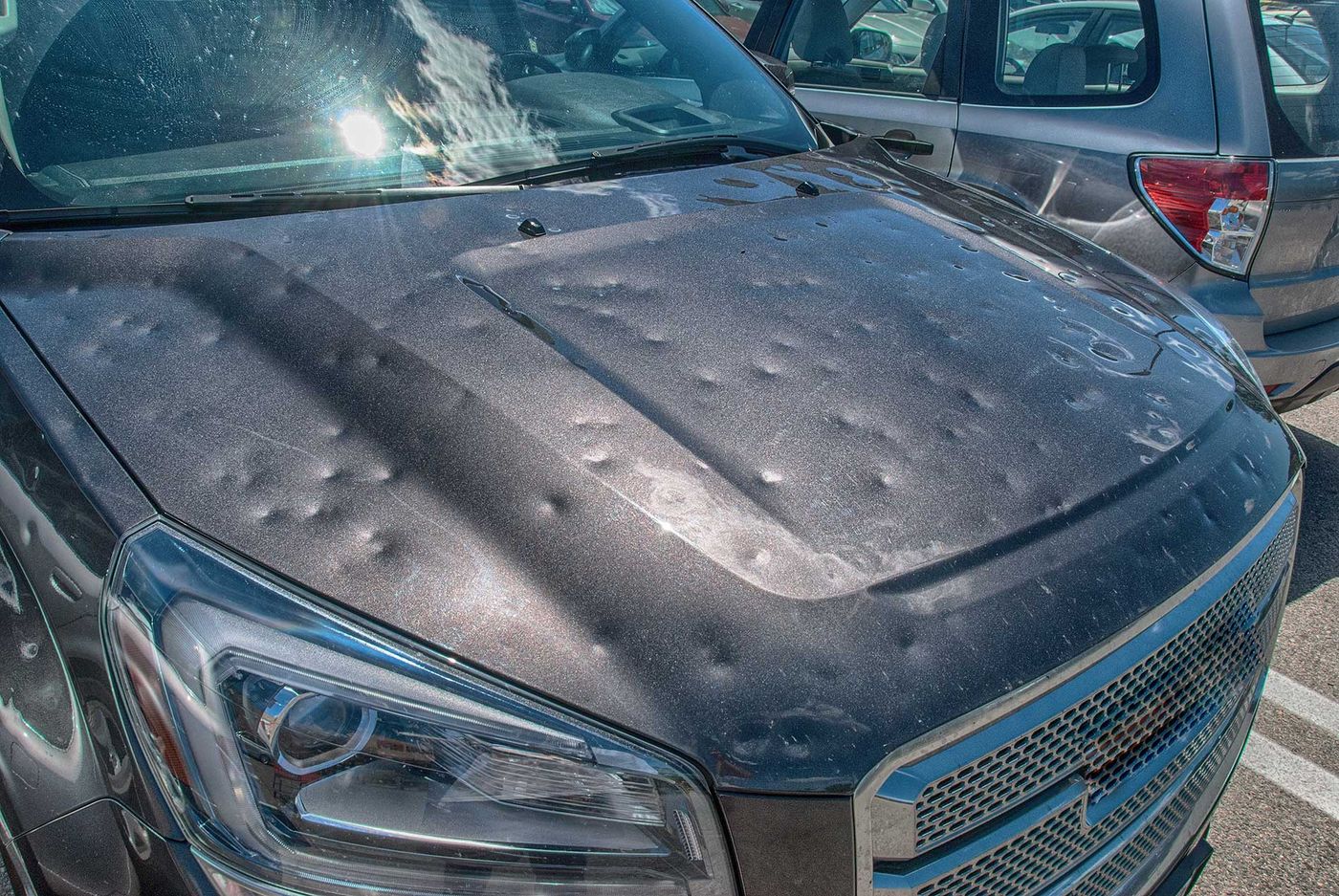
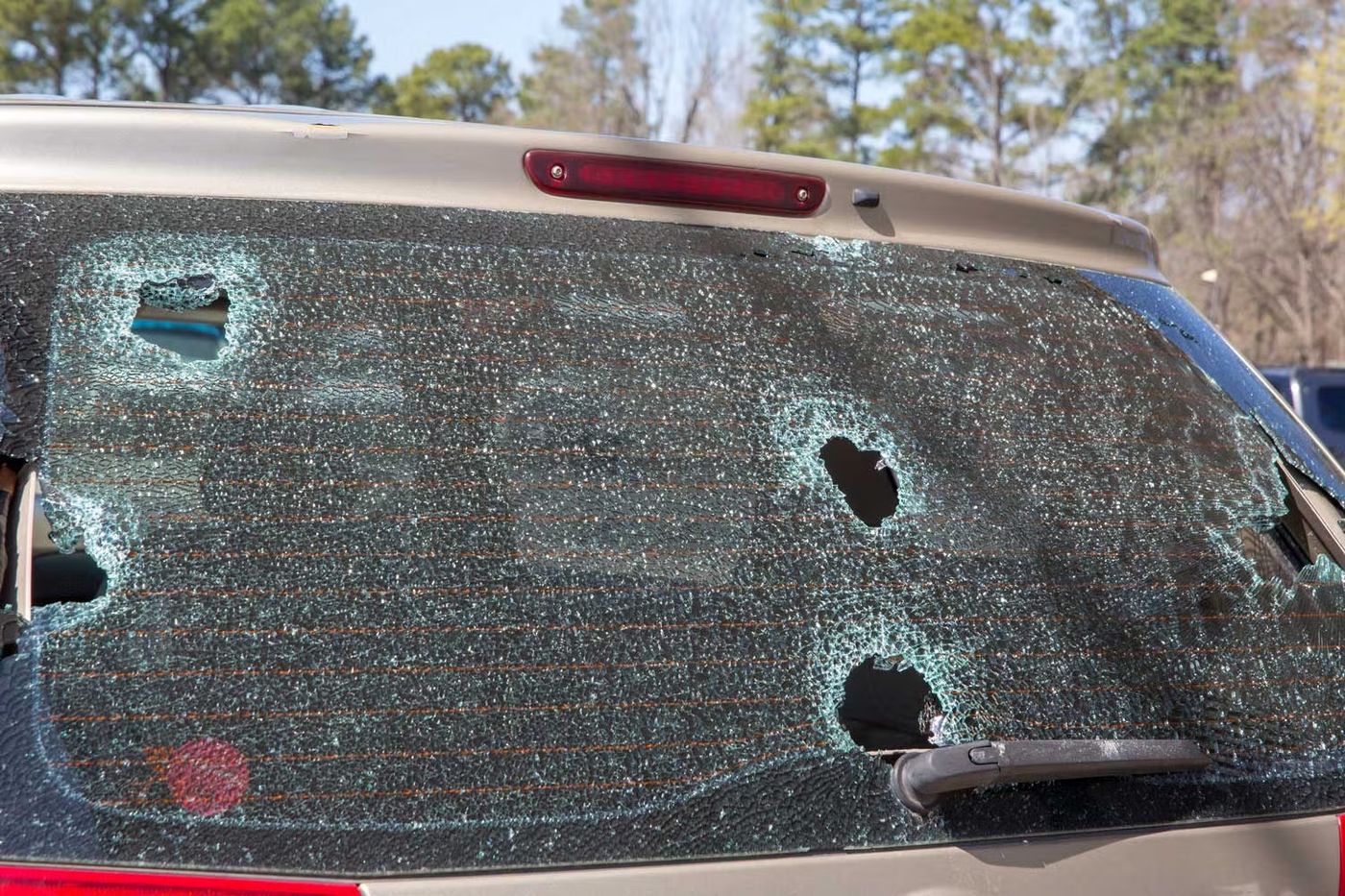
The specific perils covered under a comprehensive policy are listed in the insurance contract, often under a section titled Specified Perils. While insurers generally offer similar lists, the exact inclusions can vary, so policyholders must review their specific wordings. Common covered events include theft of the entire vehicle or its parts, vandalism such as keying or broken windows, and fire whether from arson, electrical fault, or spreading from a nearby structure. Damage from falling objects like tree branches or hail, as well as damage caused by contact with animals such as deer, is also typically included. Natural disasters like floods, windstorms, tornadoes, and wildfires are standard covered perils under comprehensive insurance policies across Canada.
It is crucial to understand what comprehensive insurance does not cover. The defining exclusion is damage caused by a collision with another vehicle or object, or from the vehicle rolling over (an upset), which falls under separate collision coverage. Furthermore, comprehensive policies usually exclude damage caused by theft committed by a person who lives with the policyholder or by someone who repairs the vehicle. Wear and tear, mechanical breakdown, and damage from freezing are also not covered. Liability for injuries to others or damage to another person's property is handled by mandatory third-party liability insurance, not by comprehensive coverage.
How Comprehensive Insurance Works in Canada
In Canada, auto insurance is regulated provincially, leading to variations in mandatory coverage but relative consistency for optional products like comprehensive insurance. Every province requires vehicle owners to purchase a minimum level of auto insurance, which always includes third-party liability coverage. Physical damage to the policyholder's own vehicle, however, is not part of these mandatory minimums except in specific circumstances. For instance, in Saskatchewan, SGI's basic public insurance policy includes collision coverage with a deductible under $1000. Comprehensive coverage remains optional nationwide, purchased as an addition to a base policy to fill this protection gap for the insured's own vehicle.
The process of using comprehensive coverage involves a deductible, which is the amount the policyholder must pay out-of-pocket before the insurer pays the remainder of a covered claim. Deductibles for comprehensive coverage are commonly set at $300, $500, or $1000. Choosing a higher deductible lowers the annual insurance premium, while a lower deductible increases the premium. For example, if a hailstorm causes $3000 in damage to a car and the policy has a $500 comprehensive deductible, the insurer would cover $2500 for repairs. If the vehicle is a total loss, the insurer will pay its actual cash value, accounting for depreciation, minus the deductible.
Filing a comprehensive claim follows a standard procedure. The policyholder must report the incident to their insurer, provide necessary details and documentation, and pay the applicable deductible. The insurer then assesses the damage and arranges for repairs or determines if the vehicle is a write-off. It is important to note that making claims can affect future coverage and premiums. Some insurers may deny the option to purchase comprehensive coverage if a policyholder makes too many claims within a set period, such as three claims in three years. Each claim typically leads to an increase in the insurance premium at renewal, so policyholders must weigh the cost of the repair against their deductible and potential long-term rate increases.
Costs, Deductibles, and Eligibility Factors
The cost of adding comprehensive coverage to an auto insurance policy in Canada varies significantly based on several factors. On average, the annual premium for comprehensive coverage ranges from approximately $100 to $300 as an add-on cost. This is generally less expensive than adding collision coverage, which can average between $500 and $700 per year. The final premium is influenced by the province of residence, the insurer's pricing model, the vehicle's make, model, and age, the driver's claims history, and the chosen deductible amount. Since comprehensive is optional, drivers can often adjust this coverage at any time during an active policy, not just at renewal, though changes may be subject to insurer approval.
Choosing a deductible is a key financial decision when selecting comprehensive coverage. The deductible is the portion of any claim the policyholder agrees to pay. A higher deductible signals to the insurer a lower likelihood of filing small claims, resulting in a lower annual premium. Conversely, a lower deductible provides more coverage in the event of a claim but comes with a higher premium. Common deductible options are $300, $500, and $1000. Policyholders should select a deductible amount they can comfortably afford to pay out-of-pocket if a covered event occurs. It is often not financially prudent to file a claim for damage that is only slightly above the deductible amount due to the potential for increased future premiums.
Eligibility for comprehensive coverage can be affected by certain risk factors. While generally available, insurers may refuse to offer comprehensive coverage under specific conditions. These can include the vehicle having pre-existing damage, the vehicle being of very high value or of a type associated with high risk, or the driver having a history of frequent claims. For drivers who lease or finance their vehicle, comprehensive coverage is typically mandatory as part of the financing agreement, as the lender requires protection for their financial interest in the asset. For owners who have paid off their vehicles, the choice is entirely optional and should be based on the vehicle's value and the owner's financial ability to absorb a loss.
Comparison with Other Auto Coverages
Understanding how comprehensive insurance differs from other common auto coverages is essential for Canadian drivers building a suitable policy. The most direct comparison is with collision insurance, as both are optional coverages for physical damage to the insured's own vehicle. Collision coverage pays for damage resulting from a collision with another vehicle or object, or from the vehicle rolling over. Comprehensive coverage handles virtually everything else that is sudden and accidental, such as theft, fire, or hail. Together, collision and comprehensive coverage provide what is often called full protection for a vehicle, covering a wide spectrum of damage causes, though exclusions still apply.
Mandatory coverages form the foundation of any auto policy and operate separately. Third-party liability insurance is compulsory across Canada and covers the policyholder's legal liability for bodily injury or property damage caused to others. Accident benefits coverage is also mandatory in most provinces, providing medical, rehabilitation, and income replacement benefits to the policyholder and passengers regardless of who is at fault in a collision. Direct Compensation Property Damage (DCPD) is a mandatory coverage in some provinces, like Ontario, that allows a driver to claim from their own insurer for vehicle damage when another driver is at fault in a collision. As of recent changes, DCPD is no longer mandatory in Ontario and can be waived by signing an OPCF 49 endorsement.
Basic auto insurance is mandatory throughout Canada with each province's government determining the minimum required coverage. In several provinces like British Columbia, Saskatchewan, Manitoba, and Quebec, auto insurance is provided through a public system, while it is privatized elsewhere. Comprehensive insurance is an optional coverage that protects against damage to the insured's own vehicle from events like theft, vandalism, or weather, which is different from mandatory third-party liability coverage. Damage to the driver's own vehicle is generally optional across Canada, with Saskatchewan being a notable exception where basic public insurance includes collision coverage.
| Coverage Type | Mandatory/Optional | Primary Purpose | Key Example of Covered Incident |
|---|---|---|---|
| Third-Party Liability | Mandatory | Covers injury/damage you cause to others | You are at fault in a crash that injures another driver. |
| Accident Benefits | Mandatory (except NL) | Covers medical/rehab costs for you and passengers | You require physiotherapy after a crash. |
| Direct Compensation Property Damage (DCPD) | Mandatory in some provinces (e.g., ON), now optional in ON | Covers your vehicle damage when another driver is at fault | Another driver runs a red light and hits your car. |
| Collision | Optional | Covers your vehicle damage from a collision or rollover | You lose control on ice and hit a guardrail. |
| Comprehensive | Optional | Covers your vehicle for non-collision damage (theft, fire, etc.) | Your car is stolen from your driveway. |
| Specified Perils | Optional | Covers your vehicle for a specific list of named perils | A named peril like fire or hail damages your car. |
Specified perils coverage is another optional product similar to comprehensive but more restrictive. It covers only the perils explicitly listed in the policy, whereas comprehensive coverage typically includes all perils except those specifically excluded, such as collision. All perils coverage is a broader option that combines both comprehensive and collision coverage into one. This combined coverage simplifies the policy by merging the two main physical damage protections under a single insuring agreement.
Historical Context of Auto Insurance
The development of auto insurance globally provides context for the role of comprehensive coverage today. Widespread automobile use after the First World War introduced new dangers, yet no compulsory insurance existed initially, leaving crash victims without compensation and drivers facing large costs. The United Kingdom introduced the first compulsory car insurance scheme with the Road Traffic Act 1930, mandating coverage for liability to third parties for injury or death. Other jurisdictions soon followed, with Ireland enacting similar laws in 1933 and Germany in 1939. The European Economic Community mandated compulsory insurance for all member states from 1973, a framework that continues in the European Union with periodically updated minimum coverage levels.
In Canada, the auto insurance system evolved as a mix of public and private provision. Several provinces established public auto insurance systems, notably British Columbia, Saskatchewan, Manitoba, and Quebec. In these provinces, a public entity provides the mandatory basic coverage, while optional coverages like comprehensive may be offered by the public insurer or through private competitors depending on the province. In the rest of Canada, insurance is provided entirely by private companies in a competitive market. The concept of no-fault insurance, which limits the right to sue and provides accident benefits regardless of fault, is a feature in all Canadian provinces, though the balance between no-fault benefits and tort rights varies.
The introduction of comprehensive coverage as a distinct product followed the establishment of mandatory liability insurance. As vehicles became more valuable and exposures like theft and fire were recognized, insurers began offering optional packages to cover the vehicle itself, not just the owner's liability to others. The separation of collision and comprehensive into distinct coverages allowed for more precise pricing based on risk. In Canada, the optional nature of comprehensive coverage reflects a policy choice that vehicle owners should have the freedom to decide whether to insure their own asset against a wide array of perils, provided they maintain the legally required liability protection for the safety of others on the road.
Key Considerations for Canadian Drivers
Deciding whether to purchase comprehensive insurance requires careful evaluation of personal circumstances. The primary consideration is the value of the vehicle relative to the cost of the coverage and deductible. For an older car with a market value under $2000, the annual premium plus a deductible of $500 or $1000 may approach or exceed the car's worth, making comprehensive coverage less economical. In such cases, an owner may decide to self-insure, meaning they would pay for any repairs or replacement out-of-pocket if a non-collision event occurs. For a newer, more valuable vehicle, or one that would be a significant financial hardship to replace, comprehensive coverage offers important peace of mind and financial security.
The method of vehicle ownership is another critical factor. If a car is leased or financed, the leasing company or lender almost always requires both comprehensive and collision coverage as a condition of the agreement. This protects their financial interest in the vehicle. Failure to maintain the required coverage could be a breach of contract. For drivers who own their vehicle outright, the choice is fully discretionary. Drivers should also consider their geographic location and associated risks, such as higher hail frequency in certain regions or increased theft rates in some urban areas, which might make comprehensive coverage more valuable.
Managing a comprehensive policy involves understanding the long-term implications of claims. Policyholders should be aware that insurers may deny the option to purchase comprehensive coverage if they make too many claims within a specific timeframe, a practice reported by The Canadian Underwriter. The threshold varies by insurer but could be as few as three claims in three years. Therefore, it is crucial to weigh the benefit of filing a claim for minor damage against the potential for increased premiums and even loss of the coverage option in the future. Consulting with an insurance broker or representative can help drivers understand these decisions and the specific terms of their policy.
Provincial Variations and Public Systems
While comprehensive insurance itself is a consistent optional product, the broader auto insurance landscape in Canada varies significantly by province, affecting how and where drivers purchase it. Canada features a mix of public and private auto insurance systems. In British Columbia, insurance is provided by the public Insurance Corporation of British Columbia (ICBC), though recent changes allow for some private competition for optional coverages. Saskatchewan has Saskatchewan Government Insurance (SGI) as its public insurer. Manitoba operates through Manitoba Public Insurance (MPI). In Quebec, a public plan covers bodily injury liability, while property damage liability and physical damage coverages are provided by private insurers.
In provinces with public insurance systems, optional comprehensive coverage is typically offered by the public insurer alongside the mandatory base policy. For example, a driver in Manitoba would purchase their basic mandatory coverage from MPI and could then add comprehensive coverage from MPI as an endorsement to their policy. In provinces with fully private systems, such as Ontario, Alberta, and the Atlantic provinces, drivers purchase all coverages, both mandatory and optional, from private insurance companies of their choice. This leads to a competitive market where premiums for comprehensive coverage can vary widely between providers, encouraging consumers to shop around.
All Canadian provinces have some form of no-fault insurance system, which influences how claims are processed but does not directly change the function of comprehensive coverage. No-fault rules generally pertain to accident benefits for injuries and, in some cases, property damage through DCPD. A comprehensive claim, however, is always a first-party claim made with the policyholder's own insurer, regardless of fault, because it pertains to non-collision damage to their own vehicle. The process for filing a comprehensive claim is therefore largely uniform across the country, though specific forms, repair networks, and claims handling procedures will differ between public insurers and private companies.
Frequently asked questions
Is comprehensive car insurance mandatory in Canada?
No, comprehensive car insurance is not legally mandatory anywhere in Canada. It is an optional coverage that drivers can add to their auto insurance policy. However, it is often mandatory if you lease or finance your vehicle, as the lender requires this protection for their financial interest in the car. For vehicle owners who have paid off their car, the decision to purchase comprehensive coverage is entirely optional.
What does comprehensive car insurance cover?
Comprehensive insurance covers the cost of repairing or replacing your vehicle due to damage or loss from events other than a collision. Commonly covered perils include theft of the vehicle or its parts, vandalism, fire, hail, windstorm, flooding, falling objects like tree branches, and damage caused by contact with animals such as deer. It is designed for sudden and accidental events. You should review your policy's specified perils section for the exact list of covered events, as inclusions can vary slightly by insurer.
How much does comprehensive insurance cost in Canada?
The cost of adding comprehensive coverage varies by province, insurer, vehicle, and driver profile. As a rough average, comprehensive coverage costs between $100 and $300 per year as an add-on to a base auto insurance policy. This is generally less expensive than collision coverage, which can average $500 to $700 annually. The final premium is also affected by the deductible you choose. A higher deductible lowers your premium, while a lower deductible increases it.
What is the difference between comprehensive and collision insurance?
Comprehensive and collision insurance are both optional coverages for damage to your own vehicle, but they cover different types of incidents. Collision insurance covers damage resulting from your vehicle colliding with another vehicle or object, or from rolling over. Comprehensive insurance covers damage from virtually all other sudden and accidental events, such as theft, vandalism, fire, hail, or animal strikes. Together, they provide broad protection for your vehicle. Collision is typically more expensive than comprehensive coverage.
Can I be denied comprehensive coverage?
Yes, in some cases insurers may deny you the option to purchase comprehensive coverage. This can happen if you have a history of making too many insurance claims within a set period. While thresholds vary by company, making three claims in three years, for example, could lead to denial. Insurers may also refuse coverage for vehicles with pre-existing damage or for certain high-risk vehicle types. If you lease or finance your car and are denied comprehensive coverage, you may need to seek a high-risk policy to meet your lender's requirements.
Should I get comprehensive insurance for an old car?
Whether to get comprehensive insurance for an older car depends on its value and your financial situation. If the car's market value is low, for instance under $2000, the cost of the annual premium plus a deductible of $500 or $1000 may not be cost-effective. In such cases, you might decide to forgo comprehensive coverage and accept the risk of paying for any repairs or replacement yourself. However, if the loss of the vehicle would be a significant financial burden, or if you want peace of mind against risks like theft or fire, you may still choose to carry the coverage.
Sources and further reading
- Comprehensive insurance (Wikipedia) en.wikipedia.org
- Types of Auto Coverage ibc.ca
- What is Comprehensive Car Insurance? tdinsurance.com
- Why you need both collision and comprehensive insurance caaneo.ca
- Compare comprehensive car insurance quotes in Canada ratehub.ca
- Comprehensive Car Insurance and Collision Damage rbcinsurance.com
This article explains how things work and is not financial, tax or legal advice. Rules, limits and rates change, so check the current figures with the Canada Revenue Agency, your province or your financial institution before you act.