In Alberta, the best car insurance is not defined by a single company but by finding the right coverage at a competitive rate through comparison. Alberta operates a private insurance market where companies like Intact Financial, TD Insurance, and Wawanesa are among the largest providers. The provincial government regulates rates through the Automobile Insurance Rate Board, and significant system reforms are underway. Understanding mandatory coverage, the factors affecting premiums, and the upcoming changes to the insurance system is essential for Alberta drivers to make informed decisions.
The Alberta Car Insurance Market and Regulatory Framework
Car insurance is mandatory for all drivers in Alberta, and coverage must be purchased from the province's private insurance marketplace. The industry is regulated by the Alberta Automobile Insurance Rate Board, which oversees company rates and produces annual market reports. According to the 2026 Market & Trends Report from the AIRB, Albertans pay the second-highest average premiums in Canada. The private market includes many providers, with Intact Financial being noted as Canada's largest property and casualty insurer, protecting one in four Canadians through a network of over 6,000 broker offices. Other major companies frequently mentioned in market analyses include TD Insurance and Wawanesa, which along with Intact take the top three spots in the province. The government has implemented several measures to reform the system and reduce costs for drivers, including rate caps and a shift towards a different claims model. Despite these efforts, premiums have continued to rise, with the Applied Rating Index reporting a 22.6 percent year-over-year increase as of the second quarter of 2026. Over a thirty-year period, Alberta has seen a significant increase in insurance premiums, mirroring a national trend.
Mandatory Car Insurance Coverage in Alberta
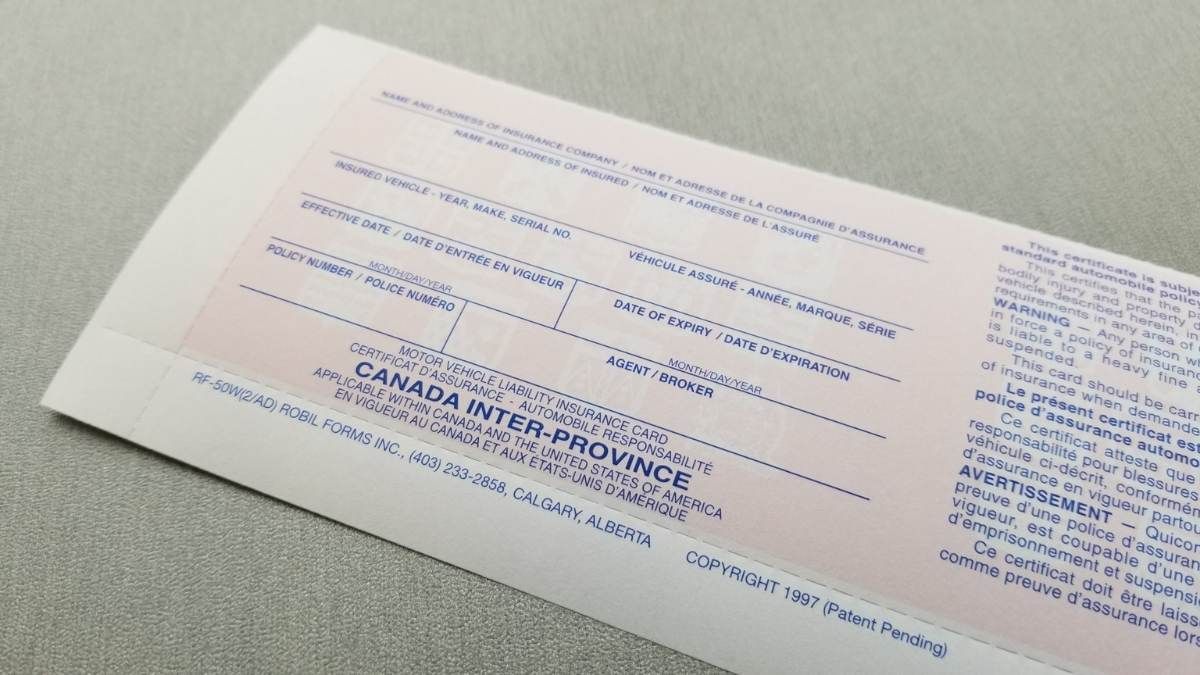
All drivers in Alberta must carry three specific types of auto insurance coverage as a legal requirement. Third-party liability insurance covers bodily injury or death to others and damage to their property, and it also provides coverage for legal defence costs if you are sued. While the province sets a minimum required limit, many brokers recommend carrying at least $2 million in liability coverage due to the high potential costs of a serious accident. The second mandatory coverage is accident benefits, which provide critical financial support for medical treatment, income replacement, and other expenses if you or your passengers are injured in a collision, regardless of who is at fault. This coverage is designed to ensure you are not left covering major costs out of pocket following an accident, even if the other driver is at fault or uninsured. The third mandatory coverage is Direct Compensation for Property Damage, which was automatically added to all Alberta auto insurance policies starting January 1, 2022. DCPD covers damage to your own vehicle when you are not at fault in a collision, and it is a key component of the province's move towards a more efficient, no-fault style system for property damage claims. Under DCPD, drivers only deal with their own insurer when making a property damage claim after a collision, which is intended to expedite the claims process and provide funds earlier.
Upcoming Changes to Alberta's Insurance System in 2027
The Alberta government is enacting major reforms to its auto insurance system, with significant changes taking effect on January 1, 2027. The current hybrid tort system, where injured parties can sue the at-fault driver for damages beyond basic benefits, will be replaced by a new 'Care-First' system. This new model is similar to systems in other provinces like Ontario, where injured drivers deal directly with their own insurance company for accident benefits claims instead of pursuing litigation. The government expects this change to save vehicle owners an average of 13.7 percent, or approximately $297 per vehicle, annually. Accompanying this new system, the existing auto insurance grid rate calculator will no longer be used after January 1, 2027. Furthermore, the current 7.5 percent cap on rate increases for 'Good Drivers' will be replaced by an adjusted rate cap. This new cap will prevent insurers from increasing an individual driver's premium by more than 10 percent at renewal and from raising their overall portfolio's average rates by more than 5 percent. The launch of the 'Care-First' system and the new rate cap are central parts of the government's plan to reform the system and provide more stable and predictable costs for Alberta drivers.
Detailed Factors That Influence Car Insurance Premiums
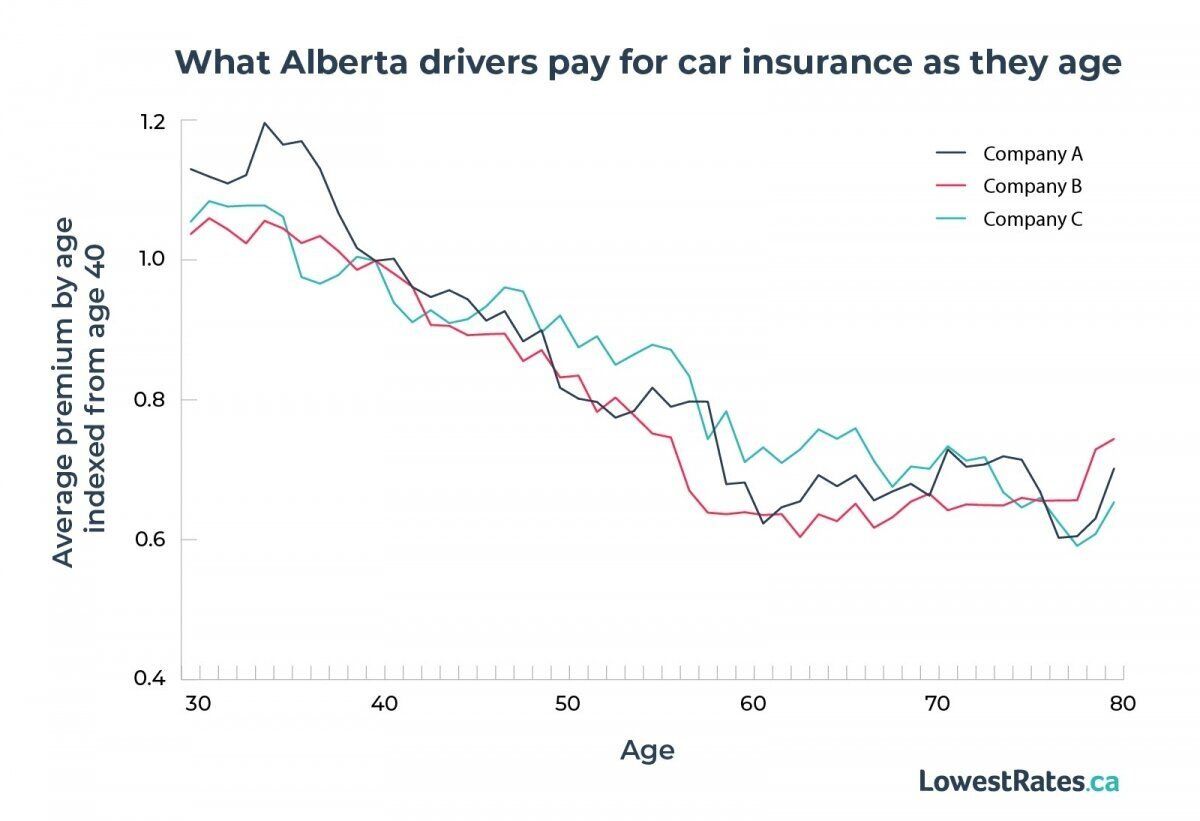
Several key factors determine the cost of a car insurance premium for Alberta drivers. Your geographic location within the province is a major determinant, with premiums varying significantly between cities and postal codes based on local claims history, theft rates, and repair costs. The driver's age, gender, and years of driving experience directly impact risk assessment and therefore price, with new drivers typically facing higher rates due to their novice status. The make, model, year, and value of the vehicle being insured are critical factors, as repair costs and theft rates differ. A driver's personal claims history and driving record, including any traffic convictions, are heavily weighted by insurers, with a clean record being a primary way to secure lower rates. The specific coverage options selected, such as liability limits and deductible amounts for collision and comprehensive coverage, also change the final premium, with higher deductibles generally lowering the cost. Many insurers offer discounts that can reduce the base rate, such as for bundling home and auto policies, having multiple vehicles on one policy, or using telematics programs like my Drive™. Insurance companies also consider how the vehicle is used, including annual mileage and whether it is used for commuting, business, or pleasure, which must be accurately declared.
Common discounts offered by Alberta insurers include multi-policy discounts for bundling home and auto insurance, which insurers often provide to thank customers for their combined business. Multi-vehicle discounts are available for insuring more than one car on a single policy within the same household. Loyalty discounts reward customers who remain active with the same insurer for several years, especially with multiple family members on the policy. Telematics or usage-based insurance discounts are offered for programs that monitor driving habits, such as Intact's my Drive™, which can save money based on driving behaviour. Claims-free discounts apply to drivers with no recent at-fault claims, with some programs offering deductible reductions or forgiveness for a clean record. Winter tire discounts are a common safety incentive for using approved tires during the colder months. Insurers may also offer promotional benefits, such as entry into prize draws for using their mobile app features, which was a promotion run from July 6 to October 31 noted in the materials.
A Step-by-Step Guide to Comparing and Shopping for Insurance
Comparing quotes from multiple providers is the most effective method for finding suitable car insurance coverage at a competitive price in Alberta. The Alberta Automobile Insurance Rate Board provides a public Comparative Rate Tool designed to show the wide range of rates available from different companies for private passenger vehicles. Many drivers also use the services of insurance brokers, such as Acera Insurance, which work with numerous insurance companies to provide clients with multiple quotes and choice, taking a hands-on, customer-first approach. When requesting quotes, you will need to provide detailed information about yourself, all drivers in the household, and the vehicles to be insured, typically through an online form, phone call, or in-person branch visit. It is crucial to compare not only the premium cost but also the exact coverage details, limits, deductibles, and any exclusions or special conditions, as cheaper is not always better when balancing budget and protection. Reviewing customer service records and claims satisfaction ratings for insurers can provide insight into the experience you might have if you need to file a claim, including support call answer times and digital tools. The shopping process should be repeated periodically, especially at renewal time, as rates and personal circumstances can change, and new discounts or products may become available. Drivers should also consider the long-term relationship, as some companies offer enhanced experiences and exclusive features through their mobile apps for managing policies and claims.
Optional and Recommended Coverage Types for Broader Protection
Beyond the three mandatory coverages, Alberta drivers can purchase additional insurance to broaden their protection. Collision coverage pays for damage to your own vehicle resulting from an accident, regardless of who is at fault, and is often required by lenders if you have a car loan or lease. If you are partially or fully at fault in an accident, collision coverage is necessary to cover your repair costs, as DCPD does not apply in those scenarios. Comprehensive coverage protects against non-collision-related damage, such as theft, vandalism, fire, hail, or hitting an animal, covering many of the risks vehicles face while parked or in use. Many lenders also require comprehensive coverage for financed vehicles to protect their financial interest, ensuring the loan can be repaid if the vehicle is damaged or destroyed. Loss of use coverage provides a rental car or transportation allowance while your vehicle is being repaired after a covered claim, which can be a critical convenience. Depending on the insurer, you may also find coverage for specific items like original manufacturer parts, roadside assistance, or perils like earthquake or flood. For owners of classic or collector vehicles, specialized insurance policies are available that account for the vehicle's agreed value and limited usage, with coverage for things like spare parts and auto show liability. Drivers who use their vehicle for ride-sharing services like Uber or Lyft require special commercial insurance endorsements, as personal auto policies do not cover this activity and being underinsured can lead to significant financial risk.
Common Mistakes and How to Avoid Them When Buying Insurance
Several common errors can lead Alberta drivers to pay more than necessary or end up with inadequate coverage. Selecting only the provincially mandated minimum liability limits is a frequent mistake, as the minimum may be insufficient to cover the costs of a serious accident, leaving you personally responsible for the difference. Brokers strongly recommend a minimum of $2 million. Failing to shop around and compare quotes from at least three different insurers or brokers means you might miss out on significantly better rates or more suitable coverage options, which is the best way to find affordable coverage. Not inquiring about all available discounts, such as those for bundling policies, having a clean driving record, or installing an anti-theft device, can result in paying a higher base premium unnecessarily. Providing inaccurate information on an application, whether about driving history, annual mileage, or the primary use of the vehicle, can lead to policy cancellation or claim denial, creating major financial and legal problems. Allowing your policy to lapse by missing a payment creates a coverage gap that insurers view as high-risk, which will increase future premiums and could lead to difficulty obtaining insurance. Finally, neglecting to review and update your policy after major life changes, such as moving, adding a new driver, or changing jobs, can mean your coverage is no longer correctly rated or appropriate for your situation, potentially voiding coverage. Another mistake is not understanding the claims process under the new DCPD and upcoming 'Care-First' systems, which changes how you interact with your insurer after an incident.
The Cost of Car Insurance Across Alberta and Future Outlook
The average annual cost of car insurance in Alberta was $1,903 according to the 2026 AIRB Market & Trends Report. However, premiums vary widely based on location and individual driver profiles. On average, Alberta drivers spend 3.2 percent of their after-tax income on auto insurance, which is comparable to rates in Newfoundland and Labrador and Saskatchewan, but lower than Ontario's 3.9 percent. This percentage is calculated using 2024 Statistics Canada income data, as reported in the 2026 AIRB report, since 2025 income levels were not yet available at the time of the report. Sample quotes for a 35-year-old male driving a 2023 Honda Civic with a $1,000 collision and comprehensive deductible, $1,000,000 in liability coverage, and no applied discounts show notable differences between major cities, confirming location as a primary rating factor. The new adjusted rate cap starting in 2027 is also designed to provide more stability and predictability in premium costs at renewal time by limiting how much an insurer can increase an individual's rate and their overall portfolio average. These changes represent a concerted effort to address affordability, which is a key issue in auto insurance across the province, after years of premium increases.
Using Brokers and Digital Tools for Insurance Management
Many Alberta drivers utilize insurance brokers to find the best coverage in the private marketplace. Brokers like Acera Insurance, which is noted as the largest independent insurance brokerage in Canada, act as intermediaries who work with multiple insurance companies. They provide personalized service, obtain competitive quotes from various insurers, and help clients understand the delicate balance between budget and necessary protection. Brokers can also assist in determining specific coverage needs for unique situations, such as commercial fleets, trucks, or motorcycles. In addition to broker services, digital tools provided directly by insurers have become central to policy management. Most major companies offer mobile apps and online client centres where policyholders can access digital proof of insurance, submit or track claims, and make bill payments. For example, the Intact Insurance app allows users to access their pink card via the Documents section or iPhone Wallet, add photos to claims, and use widgets for quick access. These digital platforms often promote paperless billing and provide live chat support during business hours for policy or claim inquiries. Using these tools can sometimes unlock additional benefits, such as entry into promotional contests for engaging with app features, which was a specific promotion noted in the source materials.
Frequently asked questions
What is the average cost of car insurance in Alberta?
According to the 2026 Alberta Automobile Insurance Rate Board Market & Trends Report, the average annual cost of car insurance in Alberta is $1,903. Alberta has the second-highest average premiums in Canada. Drivers in the province spend an average of 3.2 percent of their after-tax income on auto insurance coverage. This percentage is based on 2024 Statistics Canada income data as used in the AIRB report.
What car insurance is mandatory in Alberta?
Three types of coverage are legally mandatory in Alberta. Third-party liability insurance covers injuries and damage you cause to others and provides legal defence. Accident benefits coverage provides medical and income support if you are injured, regardless of fault. Direct Compensation for Property Damage coverage, added to all policies on January 1, 2022, covers damage to your vehicle when you are not at fault in a collision, streamlining the claims process with your own insurer.
When is Alberta switching to a no-fault insurance system?
Alberta is introducing a new 'Care-First' auto insurance system starting on January 1, 2027. This system will operate similarly to no-fault models, meaning injured drivers will deal directly with their own insurance company for accident benefits claims instead of suing the at-fault driver. The current grid rate calculator will also be discontinued on that date. The government expects this change to save drivers an average of 13.7% annually.
What are the largest car insurance companies in Alberta?
The private insurance market in Alberta includes many providers. Intact Financial is Canada's largest property and casualty insurer, protecting one in four Canadians. Other major companies often highlighted in market analyses include TD Insurance and Wawanesa, which along with Intact take the top three spots in the province according to the AIRB's 2026 Market & Trends Report. Many drivers also use brokers who work with a panel of these and other companies.
What is the rate cap for car insurance in Alberta?
The rate cap for car insurance in Alberta is changing. Until the end of 2026, a 7.5 percent cap applies to rate increases for 'Good Drivers'. Effective January 1, 2027, a new adjusted rate cap will be implemented. This new cap will prevent insurers from increasing an individual driver's premium by more than 10 percent at renewal. It also prevents insurers from raising their overall average rates by more than 5 percent. This new cap will launch alongside the new 'Care First' auto insurance system. The government expects this new system to save vehicle owners an average of 13.7 percent annually on their auto insurance.
How can I find the best car insurance rate in Alberta?
To find the best car insurance rate in Alberta, you should compare quotes from multiple insurers. The Alberta Automobile Insurance Rate Board provides a public Comparative Rate Tool for this purpose. Working with an insurance broker, such as those from Acera Insurance, can also provide choice as they work with numerous companies. It is important to research which companies offer the cheapest premiums, as identified by the 2026 Market and Trends Report. Furthermore, you can often secure discounts by bundling your home and auto policies or by insuring multiple vehicles in one household.
Sources and further reading
- Intact Insurance: Canada's Largest P&C Insurer | Car & Home ... intact.ca
- Compare Alberta Car Insurance Quotes For Free ratehub.ca
- Car Insurance: Get An Auto Insurance Quote allstate.ca
- Auto Insurance Alberta | AB Car Insurance Quotes & Advice acera.ca
This article explains how things work and is not financial, tax or legal advice. Rules, limits and rates change, so check the current figures with the Canada Revenue Agency, your province or your financial institution before you act.