Non-sufficient funds (NSF) fees are charges applied by a bank when a payment, such as a cheque or pre-authorized debit, cannot be processed because the associated personal deposit account lacks the required balance. In Canada, these fees have been a significant source of financial hardship, particularly for low-income individuals, as they can quickly accumulate and contribute to cycles of debt. This major policy change is expected to save Canadians an estimated $4.1 billion in fees over the next decade.
What Are Non-Sufficient Funds?
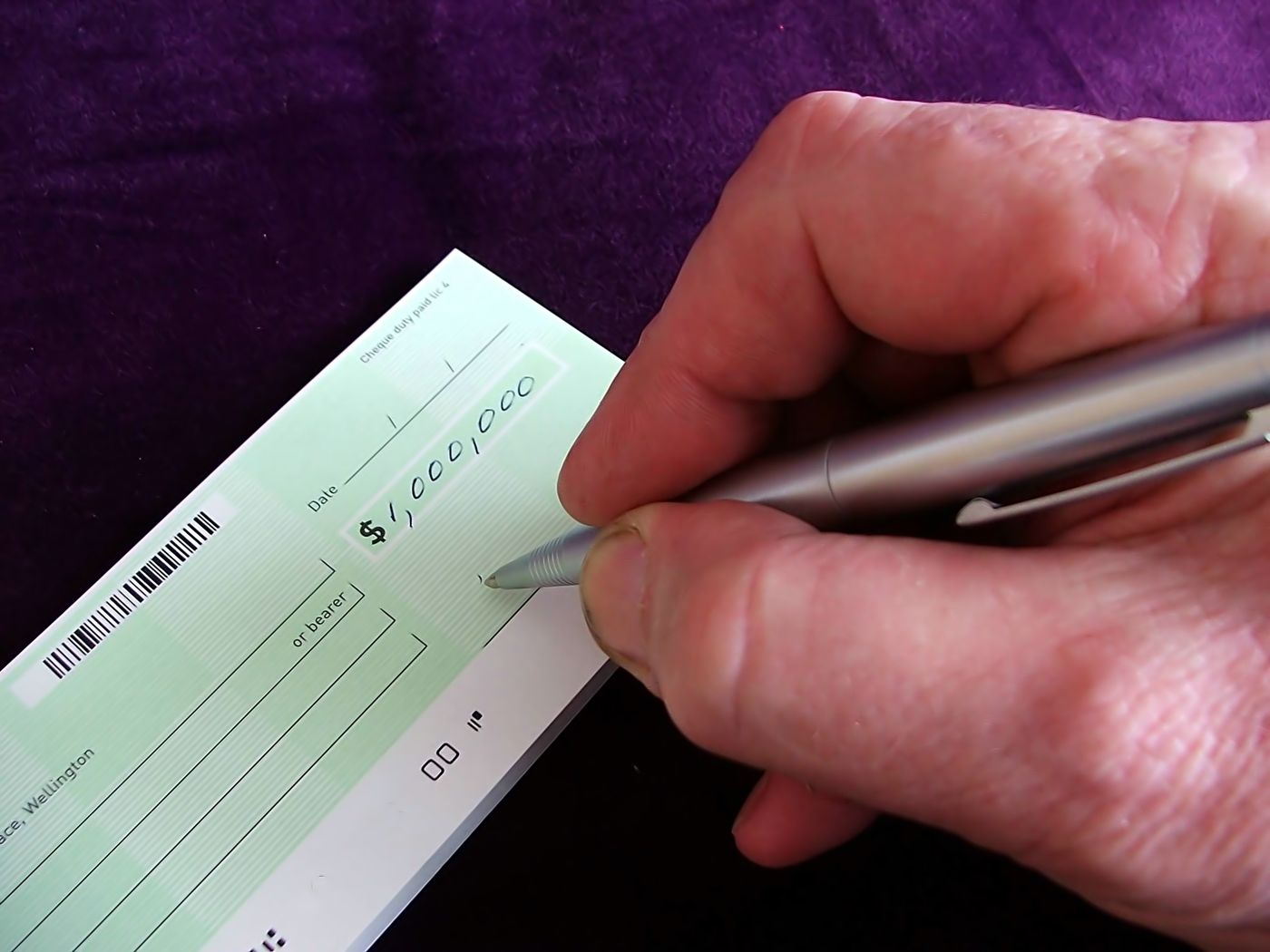
Non-sufficient funds (NSF) is a banking term indicating that a customer's account does not contain enough cleared money to cover a payment request. The most common scenario involves a cheque that the bank on which it is drawn declines to honour, often referred to as a bounced, bad, or dishonoured cheque. NSF situations also occur with pre-authorized debit (PAD) transactions, where a merchant or service provider attempts to withdraw funds automatically. When a bank receives a payment instruction and the account lacks sufficient funds, it has the discretion to either decline the payment entirely or, if the customer has pre-arranged it, cover the shortfall with an overdraft. If the payment is declined due to insufficient funds and no overdraft protection is in place, the bank will typically charge an NSF fee to the account holder. The bank must promptly return the unpaid item to the institution that presented it, which then reverses the credit from the recipient's account. This process can cause late payments, strained relationships with payees, and additional fees from merchants for dishonoured payments.
The New Canadian NSF Fee Regulations
In a significant shift for consumer banking, the Canadian government has enacted strict new rules to limit the cost and frequency of NSF fees. The central provision caps the fee that a federally regulated financial institution can charge a natural person at $10. This represents a substantial reduction from the previous typical range of $45 to $48 per returned item. The regulations also include critical restrictions on how often these fees can be applied. An institution is prohibited from charging an NSF fee more than once within a two-business-day period on the same personal deposit account. Furthermore, banks cannot charge any NSF fee if the account is in an unauthorized overdraft by less than $10. These rules apply specifically to personal and joint deposit accounts and do not extend to corporate or business accounts. The government gave financial institutions a one-year implementation period, with the new regime coming into force on March 12, 2026. The Finance Department estimates these changes will reduce fees charged by banks by $4.1 billion over ten years, providing a net benefit to society.
Reasons a Payment Can Be Dishonoured
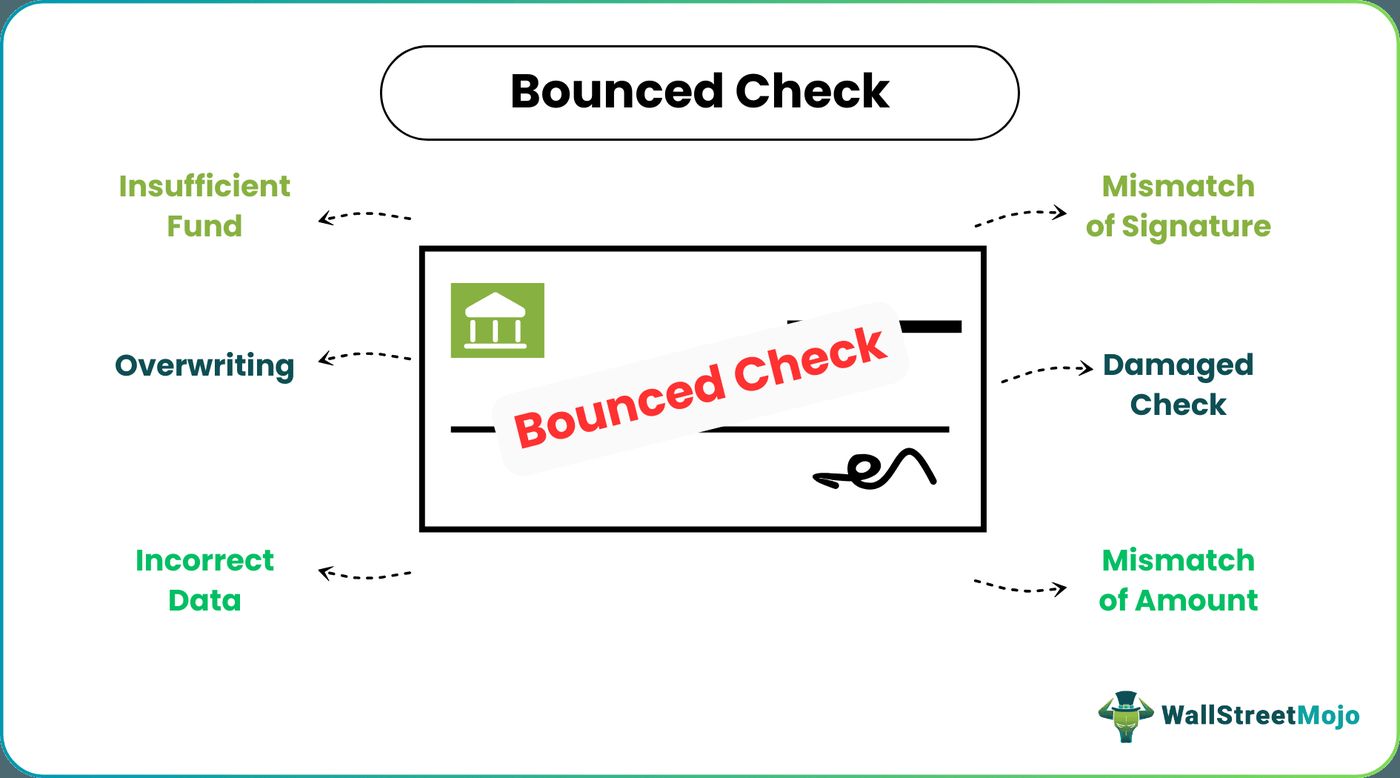
While insufficient funds is the most frequent cause, a financial institution may dishonour a cheque or other payment for several other reasons. A customer can instruct their bank not to pay a specific cheque, which is known as placing a stop payment. Funds in an account may be frozen due to a court order or other legal action, making them unavailable for withdrawal. The account on which the cheque is drawn may have been closed, or the account number may be written in error, making the cheque drawn on a non-existent account. Cheques have validity periods and can be dishonoured if they are stale-dated or cashed before the date written on them, known as the post-date. Discrepancies between the numerical amount and the written amount on a cheque can also lead to it being returned. Banks may refuse payment if a cheque is materially altered, damaged, or if the signature does not match the one on file. In cases where multiple cheques are presented on the same day and paying all would overdraw the account, the bank has discretion over which ones to honour and which to return.
Consequences and Additional Costs
The repercussions of an NSF event extend beyond the bank's fee. For the payer, the immediate financial impact is the NSF charge itself. Prior to the 2026 cap, this could be nearly $50 per item, and multiple transactions hitting an empty account in quick succession could result in hundreds of dollars in penalties. If the unpaid item was for a critical bill like a loan or credit card payment, the missed payment can be reported to credit bureaus, potentially damaging the individual's credit score. The recipient of the dishonoured payment also faces costs and inconvenience. Merchants, landlords, or service providers often charge their own dishonoured payment fee, which typically ranges from $20 to $40, to cover their administrative costs and lost revenue. Governments also charge administrative fees for dishonoured payments. Federal charges are $15, or $25 if the amount needs to be forwarded to a third party. These merchant and government fees are generally regulated at the provincial level and are not affected by the new federal bank fee cap. Repeated NSF incidents can lead a merchant to refuse future cheques from that customer or to add them to an internal 'do not accept' list. In severe cases, it can become difficult for the individual to open a new chequing account elsewhere.
How Banks and Consumers View NSF Fees
The implementation of the fee cap concludes a long debate between consumer advocates and the banking industry. Groups like ACORN Canada argued that high NSF fees disproportionately harm low-income Canadians, who are less likely to have access to overdraft protection, and that the fees exacerbate debt cycles. The government's regulatory impact assessment agreed, noting the fees disproportionately affect women, lone-parent families, recent immigrants, and Indigenous Peoples. The Canadian Banking Association, representing the industry, defended the fees prior to the cap, stating they encourage responsible banking behaviour and help maintain the integrity of the payment system by incentivizing customers to ensure sufficient funds are available. Banks also stated the fees helped offset their costs for handling returned payments and communicating with customers and merchants. The federal government settled on the $10 cap as a balance between protecting consumers from hardship and maintaining an incentive for consumers to honour their payment commitments. Some banks already offered grace periods or flexibility to help customers avoid fees, and the industry has stated it will focus on making the necessary system changes to comply with the new rules by the 2026 deadline.
Steps to Avoid Non-Sufficient Funds Situations
Proactive money management is the most effective way to avoid NSF fees and the associated headaches. Several practical strategies can help maintain a positive account balance. Regularly monitoring your account balance through online or mobile banking allows you to track spending and spot unauthorized transactions or forgotten subscriptions. Setting up low-balance alerts through your bank's notification system can provide a timely warning before your account dips too low. Utilizing budgeting tools within banking apps, such as RBC's NOMI Insights, can analyze cash flow and predict upcoming shortfalls. Arranging overdraft protection, either as a linked savings account, line of credit, or pre-approved overdraft on your chequing account, acts as a safety net for occasional shortfalls, though it may come with its own costs. Aligning the timing of large automatic payments, like rent or mortgage, with your paycheque deposits ensures major obligations are covered. Maintaining a modest buffer or cushion in your chequing account provides breathing room for unexpected charges. Finally, regularly reviewing statements to identify and cancel unused recurring subscriptions, often called grey charges, can free up funds and prevent surprises.
- Monitor your account balance regularly via online or mobile banking.
- Set up low-balance alerts from your bank.
- Use budgeting and cash-flow analysis tools provided by your financial institution.
- Consider overdraft protection as a backup for occasional shortfalls.
- Schedule large automatic payments to coincide with your income deposits.
- Maintain a buffer of extra funds in your chequing account.
- Audit and cancel unused recurring subscriptions and memberships.
NSF Fees and Legal Frameworks Internationally
The legal treatment of dishonoured cheques and NSF fees varies dramatically around the world, highlighting Canada's consumer protection approach. In India, issuing a bounced cheque is a criminal offence under the Negotiable Instruments Act, punishable by fines up to twice the cheque amount and a jail term of up to two years. Israel imposes a negative mark on the credit history for a bounced cheque, and issuing ten in a year results in a one-year restriction on writing cheques across all banks. In Australia, the Cheques Act imposes strict civil liability on the drawer of a dishonoured cheque, allowing the payee to sue directly. The United Arab Emirates treated bounced cheques as a criminal offence leading to imprisonment until it reformed its laws in 2013. In England and Wales, banks must be careful in how they endorse returned cheques. Using "insufficient funds" when it is incorrect has been ruled libelous, leading to the standard endorsement "refer to drawer." In many U.S. jurisdictions, district attorneys run bad cheque restitution programs where the drawer can avoid prosecution by paying the cheque amount plus fees and taking an educational course. These international examples show a spectrum from severe criminal penalties to civil and administrative remedies, with Canada's new fee cap focusing on reducing financial penalty rather than imposing legal sanctions.
Key Dates and Implementation Timeline
The journey to cap NSF fees in Canada followed a clear political and regulatory timeline. The process began with government announcements in 2023 and was reinforced in the 2024 federal budget and the 2024 fall economic statement. Extensive consultations were held with consumer groups and banks throughout this period. The regulations themselves were registered shortly after. A key feature of the new rules is the one-year implementation period granted to financial institutions to update their systems and processes. This means the $10 cap and associated restrictions will become legally enforceable on March 12, 2026. The regulations apply to all federally regulated financial institutions, which number 79 across the country. An earlier draft of the regulations included a provision requiring banks to alert consumers before charging an NSF fee, but this obligation was not included in the final published version.
| Date | Event |
|---|---|
| 2023 to 2024 | Government announcements and consultations on capping NSF fees. |
| March 12, 2026 | New $10 NSF fee cap and related rules come into force. |
Frequently asked questions
What is an NSF fee?
An NSF fee is a charge a bank imposes when it declines to honour a payment, such as a cheque or pre-authorized debit, because there are insufficient cleared funds in the account. The bank returns the item unpaid and charges the account holder this fee. In Canada, these fees are applied to personal deposit accounts when a payment cannot be covered and the consumer does not have overdraft protection. The fee helps offset bank costs related to the missed payment.
How much is the NSF fee in Canada?
The NSF fee in Canada is now capped at a maximum of $10 for personal deposit accounts. This new federal regulation under the Financial Consumer Protection Framework Regulations came into force recently. Prior to this cap, most banks charged fees ranging from $45 to $48 per NSF transaction. The $10 limit represents a significant reduction intended to alleviate financial hardship for consumers.
Can a merchant charge me a fee for a bounced cheque?
Yes, a merchant or other recipient of a dishonoured cheque can charge their own fee separate from the bank's NSF fee. These dishonoured payment fees typically range from $20 to $40 to cover administrative costs like manual review and communication. Such fees are generally regulated at the provincial level and are not capped by the new federal bank NSF fee regulations. The government also charges a fee for dishonoured payments.
What are the new NSF fee regulations in Canada?
The new regulations cap non-sufficient funds fees at $10 for personal deposit accounts. This change was enacted through amendments to the Financial Consumer Protection Framework Regulations. The regulations prohibit charging an NSF fee more than once within two business days on the same account and forbid fees when the overdraft amount is less than $10. These rules apply to personal and joint accounts but not to business accounts, and they come into effect on March 12, 2026.
Why did the Canadian government cap NSF fees at $10?
The government capped NSF fees to reduce financial hardship for consumers. These fees were seen as disproportionately harming low-income Canadians and contributing to cycles of debt. Previously, NSF fees typically ranged from $45 to $48 per transaction. The new $10 cap, along with restrictions on frequency, is expected to provide $4.1 billion in benefits to Canadians over ten years by reducing the costs associated with insufficient funds incidents.
When do the new NSF fee regulations take effect in Canada?
The new regulations take effect on March 12, 2026. This date was set in the Regulations Amending the Financial Consumer Protection Framework Regulations. The order was finalized by the former government in March 2024, following consultations and announcements in the 2024 budget and fall economic statement. The rules will then apply to federally regulated financial institutions for personal and joint deposit accounts.
Sources and further reading
- Non-sufficient funds (Wikipedia) en.wikipedia.org
- Regulations Amending the Financial Consumer Protection ... gazette.gc.ca
- CIBC Non-Sufficient Funds (NSF) Fee Changes cibc.com
- Financial Consumer Protection Framework Regulations laws-lois.justice.gc.ca
- Non-sufficient funds fee will be limited to $10 in Canada ... cbc.ca
- Insufficient Funds, Again? Five Ways to Make Sure You ... rbcroyalbank.com
This article explains how things work and is not financial, tax or legal advice. Rules, limits and rates change, so check the current figures with the Canada Revenue Agency, your province or your financial institution before you act.