Interac is the national interbank network that facilitates electronic financial transactions across Canada. It is the backbone of the country's debit card system and the dominant platform for person-to-person payments via Interac e-Transfer. With connections to nearly 300 financial institutions, the network supports over 59,000 automated teller machines and is accepted at more than 450,000 merchant locations. For Canadians, Interac provides a secure and ubiquitous method to access cash, make purchases, and send money directly from their bank accounts.
What Interac Is and How It Works
Interac is a Canadian interbank network that links financial institutions and other enterprises to exchange electronic financial transactions. It operates as a shared utility, allowing customers of nearly 300 different banks and credit unions to conduct transactions with each other. The core of Interac's functionality is its ability to authorize and settle payments between accounts at different institutions in real time. When a customer uses an Interac debit card at a store, the terminal communicates through the Interac network to the customer's bank to verify the account has sufficient funds and to request authorization for the purchase. The system then facilitates the immediate transfer of those funds from the customer's account to the merchant's account. This process supports the three main services Interac provides: Interac Direct Payment for debit purchases, Shared Cash Dispensing for ATM withdrawals, and the Interac e-Transfer service for sending money between individuals and businesses.
History and Development of the Network
The Interac network was launched in 1984 by the nonprofit Interac Association, a cooperative venture founded by five major financial institutions: Royal Bank of Canada (RBC), Canadian Imperial Bank of Commerce (CIBC), Scotiabank, Toronto-Dominion Bank (TD), and Desjardins. Its initial purpose was to create a shared network for automated banking machines. By 2010, membership had grown to over 80 organizations. To manage new commercial services, the founding group established a for-profit counterpart called Acxsys Corporation in 1996. Acxsys launched and operated the Interac e-Transfer service starting in 2003. After several attempted mergers between the two entities were blocked by the Competition Bureau or co-owners between 2008 and 2013, they were finally combined into a single for-profit organization, Interac Corporation, on February 1, 2018. Since becoming a unified corporation, Interac has expanded through acquisitions to broaden its service offerings.
In 2019, Interac acquired 2Keys Corporation, an Ottawa-based digital identity and cybersecurity firm. In 2021, Interac acquired the exclusive rights to digital ID services for Canada from SecureKey Technologies Inc. The network's critical infrastructure was highlighted during a major service disruption on July 8, 2022, when a nationwide Rogers Communications outage took all Interac services offline, causing millions in lost transactions for businesses. In response, Interac announced it would add an additional network provider beyond Rogers to improve redundancy. The company also developed a sonic identity in 2022, based on research into music's influence on purchasing behaviour, for use in its campaigns and digital experiences.
Core Services for Canadian Consumers
Interac provides three primary services that are integral to daily financial life in Canada. Interac Direct Payment (IDP) is the national debit card service used for purchasing goods and services. Launched as a pilot in 1990, it allows customers to enter a personal identification number (PIN) at a point-of-sale terminal to have funds deducted directly from their chequing or savings account. By 2001, the volume of IDP transactions in Canada had surpassed those made with physical cash. The service expanded to allow purchases in the United States at merchants on the NYCE network beginning in 2004. Interac moved to more secure EMV chip card technology in 2007, making cards significantly harder to copy than the older magnetic stripe versions.
Shared Cash Dispensing (SCD) is the service that enables cash withdrawals from any automated banking machine not belonging to a cardholder's own financial institution. This makes virtually every ABM in Canada accessible through the Interac network. The third major service is Interac e-Transfer, launched in 2003. It allows online banking customers to send money to anyone with an email address or mobile phone number and a Canadian bank account. Funds are deposited directly into the recipient's account, often within minutes. Due to its central role in the economy, the Interac e-Transfer system was designated as a prominent payment system subject to oversight by the Bank of Canada, effective August 10, 2020.
Security Features and Fraud Concerns
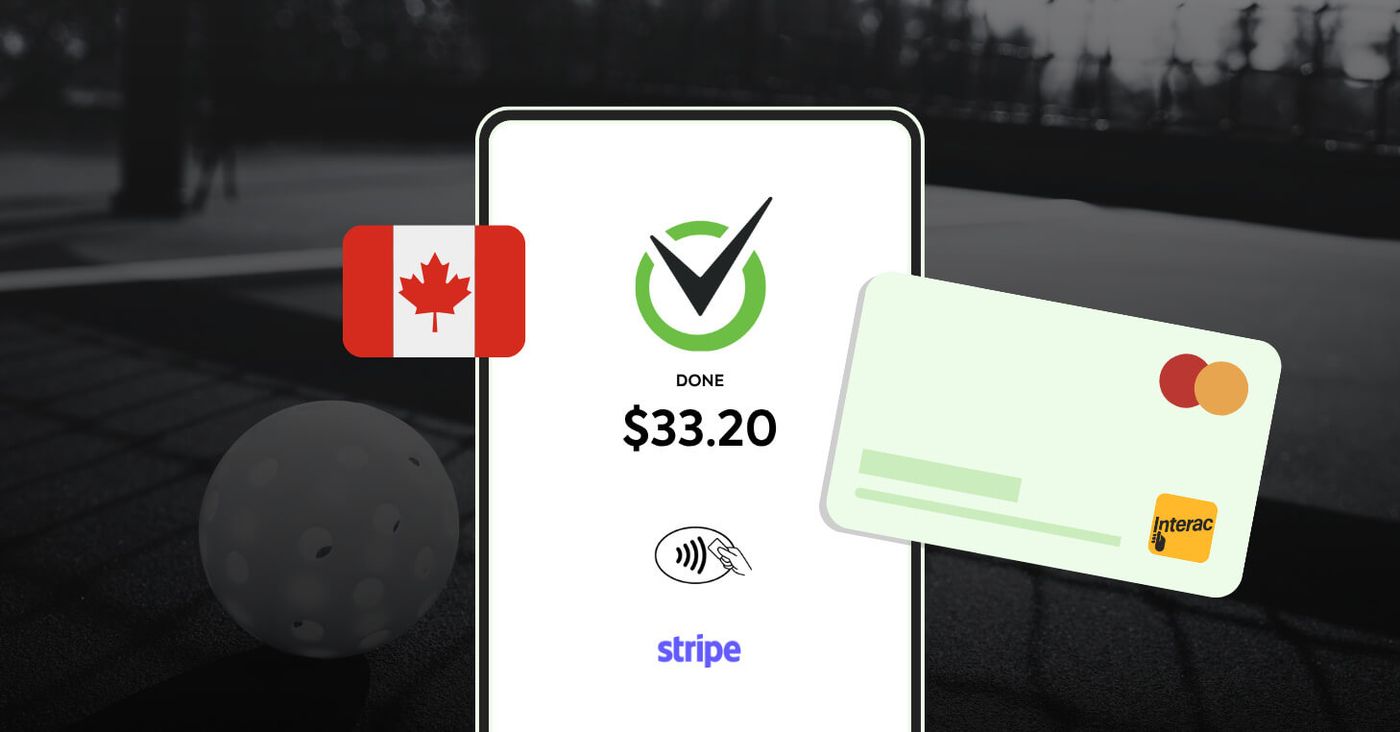
Interac Direct Payment is a PIN-based system where the information entered on the PIN pad is encrypted and verified at a central server, rather than being stored on the card itself. This design makes it more secure than traditional signature-based transactions. The shift to EMV chip card technology in 2007 added another layer of security, as the chips are extremely difficult to duplicate due to high levels of encryption. The Interac Online service, while discontinued, was noted for being more secure than online credit card payments because it did not share financial information with the online merchant. Interac e-Transfer also incorporates security measures, including recipient authentication questions or auto-deposit features set up through online banking.
Despite these security features, fraud remains a concern. A primary risk is card skimming, where a compromised ATM or point-of-sale terminal records the account information from a card's magnetic stripe. Criminals can then create duplicate cards. If they also observe or secretly record the cardholder entering their PIN, they can use the duplicate to make fraudulent purchases. The 2022 nationwide outage also exposed a systemic risk, demonstrating how reliant the Canadian payments infrastructure is on the continuous operation of the Interac network. The Bank of Canada's oversight of the e-Transfer service is specifically intended to mitigate such systemic risks by enforcing rigorous risk management standards.
Market Position and Transaction Volumes
Interac holds a dominant position in the Canadian payments landscape. Its debit service is the standard at retail locations across the country, with acceptance at over 450,000 merchant locations. The network connects nearly 300 financial institutions, ensuring near-universal access for Canadian account holders. The Interac e-Transfer service has become deeply embedded in how Canadians send money, handling a massive volume of transactions. In the 2019 fiscal year alone, the Interac system facilitated over 486 million e-Transfer transactions, with a total value of $169 billion. This scale is why the Bank of Canada designated it as a prominent payment system, noting that a disruption could adversely affect economic activity and confidence in the overall payments system.
Interac e-Transfer is a central payment system in Canada. In the 2019 fiscal year, the Interac system facilitated over 486 million e-Transfer transactions. These transactions totalled $169 billion in value. The service is designated as a prominent payment system by the Bank of Canada. This designation subjects it to the Bank's oversight and risk management standards.
| Year | Key Milestone or Statistic |
|---|---|
| 2003 | Interac e-Transfer service launched. |
| 2019 | Over 486 million transactions totalling $169 billion. |
| 2020 | Designated a prominent payment system by Bank of Canada (August 10). |
| 2022 | Nationwide service disruption due to Rogers outage (July 8). |
Interac Online was a service for making online payments directly from a bank account. By February 2009, it was supported by roughly 300 merchants. These merchants included major universities, wireless carriers, and the Canada Revenue Agency. The service was discontinued on October 31, 2024. It lost support from merchants and financial institutions to co-badged Visa Debit and Debit Mastercard cards.
Business and Verification Services
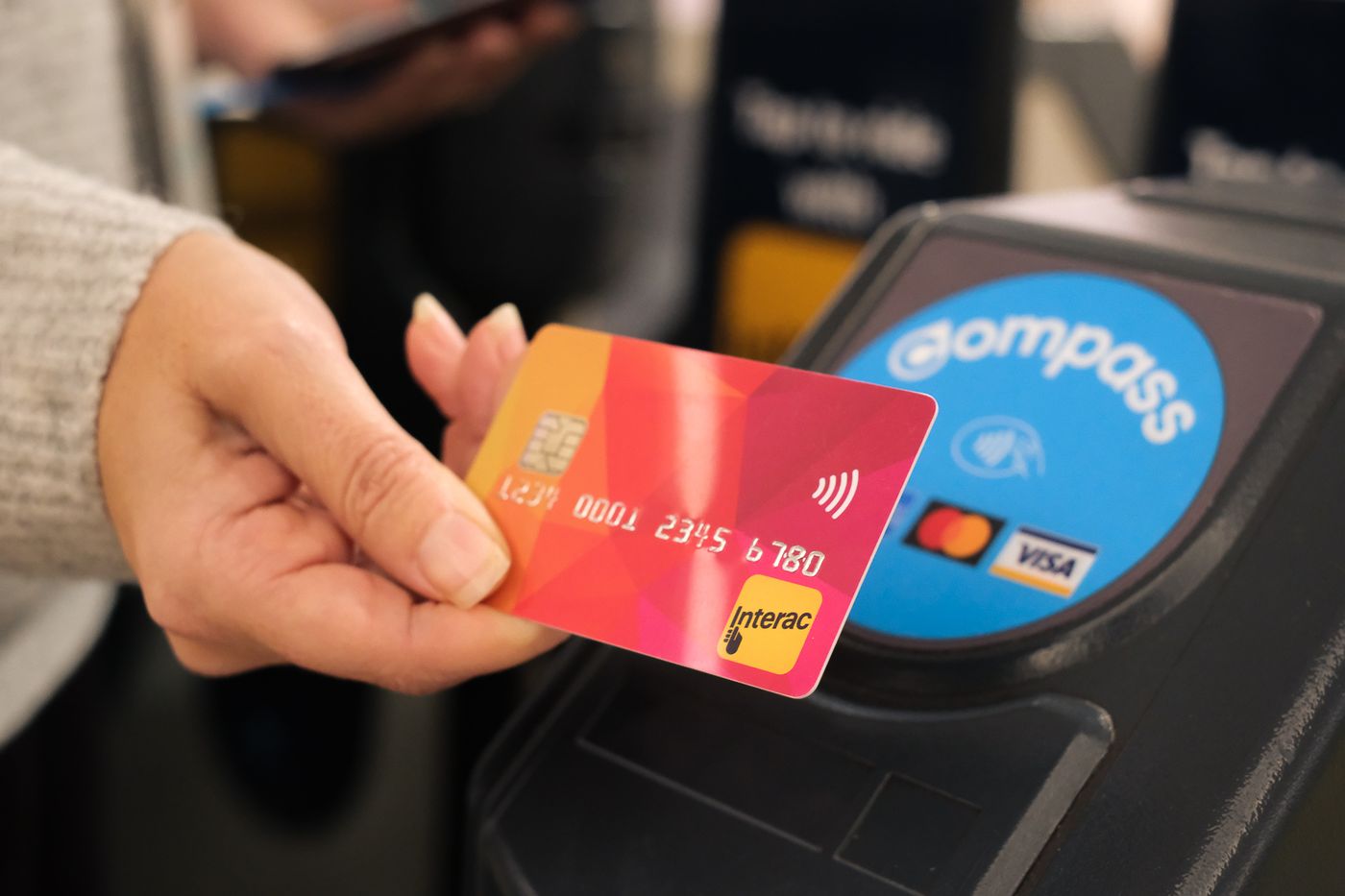
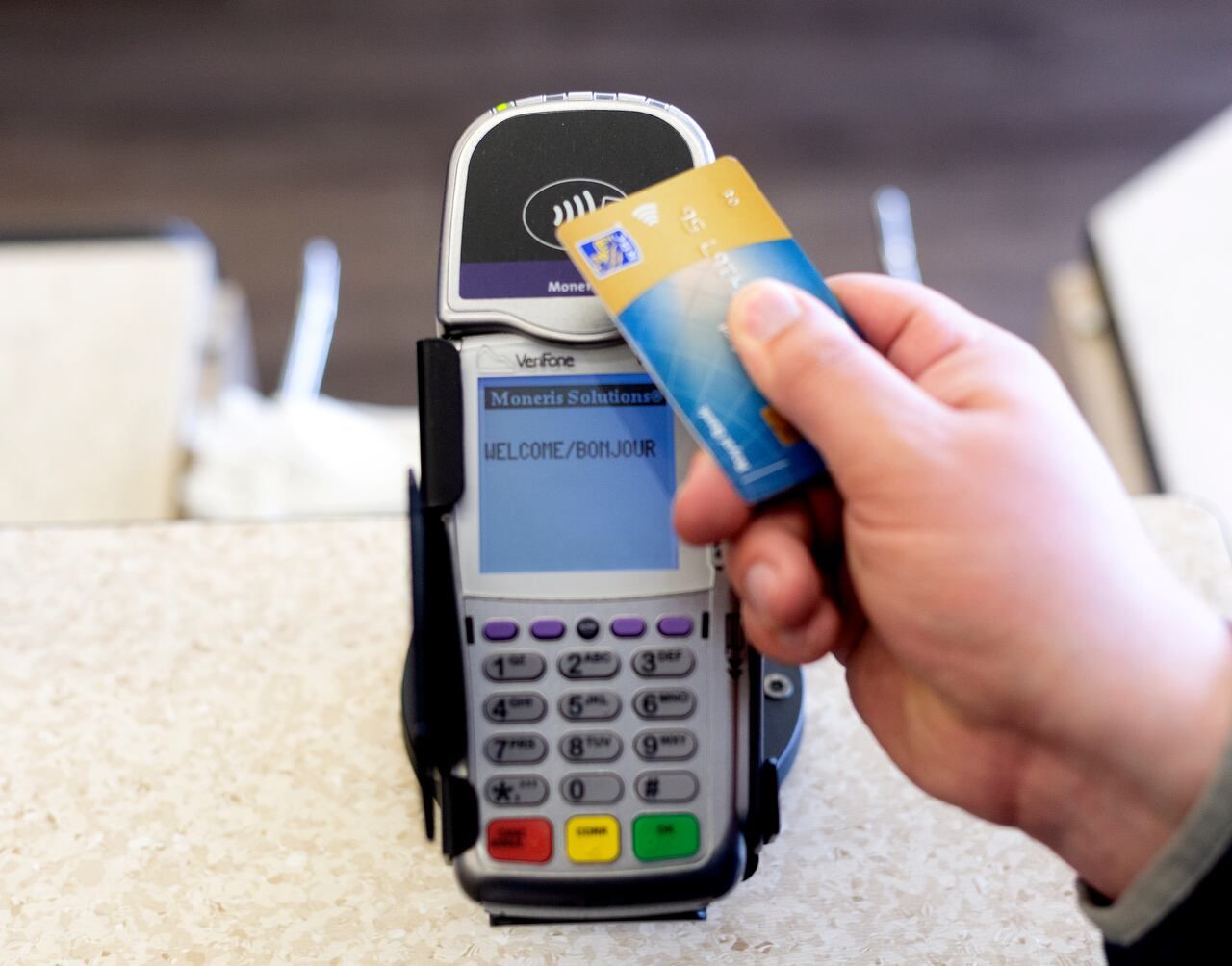
Beyond consumer payments, Interac offers a suite of services tailored for businesses and government. For merchants, accepting Interac Debit provides customers a convenient and secure checkout option using their own money. Interac also promotes Interac Direct through the Konek platform for online merchants, enabling card-free payments directly from a customer's bank account. The Interac e-Transfer service is heavily marketed to businesses for uses like payroll, vendor payments, and receiving customer payments, aiming to simplify payment processing. For public transit agencies, Interac Debit enables convenient on-the-go fare payments. Through its acquisitions, Interac has expanded into the digital identity verification space.
Its verification solutions allow individuals to securely verify personal data to streamline access to online services, such as those offered by government websites. For businesses, these tools enable digital customer verification for faster and more efficient onboarding. This move into authentication positions Interac as more than just a payment rail, aiming to become a trusted provider of secure digital access within the Canadian economy. The company's focus on security and verification is a direct response to the need for fraud mitigation and privacy protection in digital transactions.
Frequently asked questions
Is Interac secure?
Interac employs multiple security measures. Debit transactions use encrypted PIN verification at a central server and EMV chip technology, making cards hard to copy. E-Transfers use authentication methods like security questions or auto-deposit. However, risks like card skimming at compromised terminals or observing a PIN entry still exist, and users should safeguard their PIN and monitor accounts.
Can I use Interac in the United States?
Yes, for debit purchases. Since 2004, Interac Direct Payment has been accepted at merchants in the United States that are on the NYCE network. You can use your Canadian Interac debit card at these locations just as you would at home, by entering your PIN. Cash withdrawals at US ATMs may also be possible depending on your bank's agreements.
What is Interac?
Interac is a Canadian interbank network that links financial institutions and other enterprises for the purpose of exchanging electronic financial transactions. It serves as the Canadian debit card system and the predominant funds transfer network via its e-Transfer service. The network was launched in 1984 through the nonprofit Interac Association, a cooperative venture between five financial institutions. Today, Interac Corporation is a single for-profit organization that connects nearly 300 financial institutions and empowers Canadians to access, spend, and send funds.
How does an Interac e-Transfer work?
The Interac e-Transfer service allows online banking customers to send money to anyone with an email address or a cellphone number and a bank account in Canada. Launched in 2003, the service enables individuals and businesses to electronically send or receive payments within Canada 24 hours a day, 7 days a week. It is designated as a prominent payment system and is subject to oversight by the Bank of Canada to ensure it remains a safe and effective method of payment. The system facilitated over 486 million transactions totalling $169 billion in the 2019 fiscal year.
What happened during the 2022 Interac outage?
On July 8, 2022, all Interac services were disrupted in Canada due to a nationwide Rogers Communications network outage. This resulted in millions of dollars in lost transactions for businesses as debit payments and e-Transfers became unavailable. On July 11, 2022, Interac stated they were adding another provider in addition to Rogers to strengthen their network redundancy. The outage highlighted the system's importance to the Canadian payments infrastructure.
What is Interac Online and can I still use it?
Interac Online was a service that allowed customers to pay for goods and services over the Internet using funds directly from their bank accounts. It was more secure than online credit card payments because no financial information was shared with the merchant. The service was operated by Acxsys Corporation from 2005 to 2018 and then by Interac Corporation until its discontinuation. Interac Online was discontinued on October 31, 2024, after steadily losing support from both merchants and financial institutions.
Sources and further reading
- Interac (Wikipedia) en.wikipedia.org
- Interac Corp.: Home interac.ca
- Bank of Canada designates Interac e‑Transfer as a ... bankofcanada.ca
This article explains how things work and is not financial, tax or legal advice. Rules, limits and rates change, so check the current figures with the Canada Revenue Agency, your province or your financial institution before you act.