Automobile insurance coverage is a mandatory financial protection for drivers across Canada. It provides compensation for injuries and property damage resulting from vehicle collisions and other incidents. The specific coverage requirements and available options are set by each province and territory, leading to varied public and private insurance systems. Understanding the mandatory and optional components of an auto policy is essential for all Canadian vehicle owners.
What Automobile Insurance Is and How It Works
Automobile insurance is a contract between a vehicle owner and an insurance company designed to provide financial protection against losses arising from the use or ownership of a vehicle. The policyholder pays a periodic premium to the insurer, and in return, the insurer agrees to cover certain costs up to specified limits if a covered event occurs. In Canada, this coverage is compulsory for anyone operating a vehicle on public roads. The core function of insurance is to manage risk by pooling premiums from many policyholders to pay for the losses of the few who have claims. When a claim is made, the policyholder typically pays a pre-agreed deductible amount, and the insurer covers the remaining eligible costs up to the policy's limits. Coverage is designed to respond to common property and liability risks involving drivers, passengers, other vehicles, and property. Policies can cover privately owned cars, trucks, motorcycles, mopeds, commercial fleets, and seasonal vehicles like ATVs and snowmobiles.
History of Compulsory Vehicle Insurance
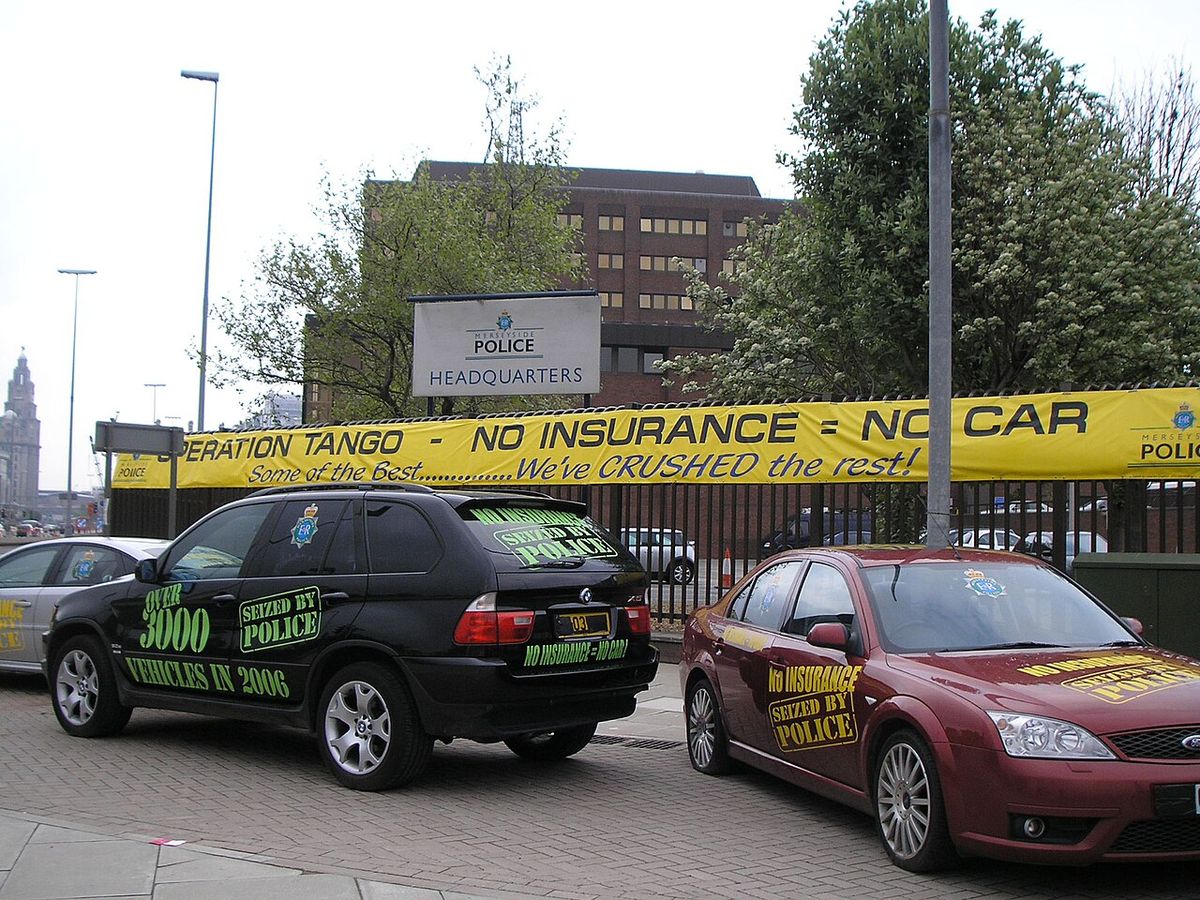
The widespread use of motor cars after the First World War highlighted a significant problem as vehicles were fast and dangerous yet no compulsory insurance existed. This meant injured victims rarely received compensation and drivers faced substantial costs for damage. The United Kingdom introduced the first compulsory car insurance scheme with the Road Traffic Act 1930, requiring all vehicle owners to be insured for third-party liability on public roads. Ireland followed with the Road Traffic Act, 1933, and Germany enacted similar legislation in 1939. The European Economic Community mandated compulsory insurance for all member states from 1973. Finland made road traffic insurance mandatory as early as 1925, initially covering only partial damages for the non-guilty party.
The evolution of coverage has been toward broader protection. For instance, Finnish mandatory insurance expanded to cover all personal injuries of third parties in 1938, passengers of the guilty driver in 1951, and the guilty driver's own injuries in 1968. By 1980, Finland adopted a strict liability regime where a vehicle's insurance covers all operation-related accidents regardless of the owner's fault. Modern systems continue to evolve, with experiments in pay-as-you-drive plans using tracking devices and jurisdictions like Alberta planning systemic reforms such as the Care-First model set to begin in 2027.
How Auto Insurance Works in Canada
Canada does not have a single national auto insurance system. Instead, each province and territory sets its own minimum mandatory coverage requirements and operates either a public insurance system, a private one, or a hybrid. Basic auto insurance is mandatory throughout Canada, with government vehicles being a notable exception. The specific benefits included as minimum required coverage are determined by each provincial government. All provinces in Canada have some form of no-fault insurance available to crash victims, though the emphasis on tort versus no-fault systems varies by jurisdiction. International drivers entering Canada are permitted to drive for a three-month period using their international licence, during which they are covered by an International Insurance Bond (IIB) unless they obtain Canadian insurance. The IIB is reinstated each time the driver enters the country.
In the private market, insurers calculate premiums using factors such as the driver's age, location, claims history, and the vehicle's make and model. Consumers can often lower their premium by choosing a higher deductible. Facility insurance policies are offered by the facility association residual market as a last resort for high-risk drivers who cannot obtain coverage in the regular voluntary market. Driving without insurance is a serious offence that can result in fines, vehicle seizure, and being deemed a high-risk driver, which leads to higher premiums or refusal of coverage.
- Public auto insurance systems exist in British Columbia, Saskatchewan, Manitoba, and Quebec.
- In Saskatchewan, SGI provides collision coverage with a deductible under $1000 as part of its basic policy.
- Less than 0.5% of Saskatchewan residents opt for the tort system alternative.
- Quebec has a hybrid system where third-party liability is privatized and mandatory, but the province covers other aspects.
- Accident benefits coverage is mandatory everywhere except Newfoundland and Labrador.
- Damage to the driver's own vehicle is generally optional coverage across Canada.
Mandatory Coverages Across Provinces
The mandatory components of an auto insurance policy form the legal minimum every driver must carry. While details vary, most provinces require a combination of third-party liability, accident benefits, and uninsured automobile coverage. Third-party liability coverage pays for injury or property damage the policyholder causes to others. Accident benefits, also known as no-fault benefits, provide coverage for medical treatment, rehabilitation, and income replacement for the policyholder and passengers regardless of who caused the crash. Uninsured automobile coverage protects the policyholder if they are injured or their property is damaged by an uninsured or hit-and-run driver. Some provinces also mandate direct compensation for property damage (DCPD) coverage, which allows drivers to claim from their own insurer for vehicle damage when they are not at fault in a collision with another insured vehicle.
Minimum financial limits for these coverages are set provincially. For example, at the time of writing, all provinces except Manitoba and Nova Scotia require a minimum of $200,000 in third-party liability and accident benefits. Manitoba and Nova Scotia set their minimum at $500,000. In Alberta, basic automobile insurance consisting of accident benefits and third-party liability is required by law, and the government has established a maximum amount that can be charged for this basic coverage to ensure affordability. Additional coverages like collision and comprehensive are not mandated by law in Alberta, though the Automobile Insurance Rate Board regulates those rates as well.
Optional and Additional Coverages
Beyond the mandatory minimums, Canadian drivers can purchase a variety of optional coverages to tailor their protection. These are generally similar across the country. Collision coverage pays for damage to the policyholder's own vehicle caused by a collision with another object or vehicle or if it rolls over. This coverage is often required if a vehicle is leased or financed. Comprehensive coverage protects against damage from non-collision events such as theft, vandalism, fire, hail, or falling objects. An All Perils policy combines comprehensive and collision coverage and also typically covers theft of the vehicle by someone who lives in the policyholder's house.
Specified perils coverage is a more limited option that responds only to losses caused by specific events listed in the policy, such as fire, theft, or windstorm. Other common optional add-ons include loss of use or rental vehicle coverage, which helps pay for a temporary replacement vehicle after a covered claim. Some insurers offer endorsements like collision forgiveness, which protects the policyholder's premium from increasing after their first at-fault accident. Endorsements, also called riders, are used to add, delete, or alter the scope of the original policy. In Alberta, these are categorized as Standard Endorsement Forms, which any licensed insurer can use, and Company Approved Endorsements, which are unique to individual insurers.
Rules for Visitors and Cross-Border Travel
For visitors to Canada, most U.S. car insurance policies extend the same coverages and limits into Canada for short trips. This typically includes liability, collision, and comprehensive coverage. It is crucial for drivers to check their specific policy, as some insurers require notification before travel or may ask for additional coverage for longer stays. Canadian law requires all persons entering the country to carry proof of citizenship and identity, such as a valid U.S. passport. Drivers must also have a valid driver's licence. Canada does not require an International Driving Permit for U.S. licence holders. Vehicle registration is necessary to prove ownership if stopped by police.
Tourists can generally use their U.S. licence and insurance for up to six months. For longer stays, they may need to obtain a Canadian licence and insurance. In the event of an accident in Canada, drivers should follow the same procedures as in the U.S., including contacting local authorities, exchanging information, and notifying their insurance company promptly. Many U.S. roadside assistance programs also offer coverage in Canada, but this should be confirmed with the provider before travel. When renting a car in Canada, a driver's personal auto policy may extend certain protections to the rental vehicle, though coverage for damage to the rental itself can vary and is not always included.
| Document/Requirement | Details for U.S. Drivers in Canada |
|---|---|
| Proof of Citizenship/ID | Valid U.S. passport, passport card, or NEXUS card |
| Driver's Licence | Valid U.S. licence. International Driving Permit not required |
| Vehicle Registration | Required to identify vehicle ownership |
| Insurance Proof | Physical copy of insurance card/policy declarations page recommended |
| Maximum Stay (Typical) | Up to six months using U.S. licence and insurance |
| Accident Procedure | Contact authorities, exchange info, notify insurer |
Regulation and Recent Reforms
Automobile insurance in Canada is heavily regulated at the provincial level. Provincial governments approve the policy forms, set minimum coverage limits, and oversee the insurance industry. In provinces with private insurance, rate regulation is common. For example, in Alberta, the Automobile Insurance Rate Board (AIRB) has statutory authority to approve, reject, or require changes to insurers' premium rating programs for both basic and additional coverage. The AIRB ensures basic coverage remains affordable by capping the maximum chargeable premium. The use of non-approved automobile insurance endorsement forms is an offence under provincial insurance acts and subject to prosecution or administrative penalties.
Significant reforms are periodically undertaken. Alberta is transitioning its automobile insurance system to a Care-First model effective January 1, 2027, aiming to provide better, faster, and more reliable coverage. This transition requires amendments to Alberta's standard automobile insurance forms. Other provinces have also revised their systems over time, such as South Australia, which moved from a public Compulsory Third-Party insurer to licensing private insurers in 2016. In Canada, the continuous evaluation of no-fault versus tort systems and the adjustment of mandatory benefit levels reflect ongoing debates about balancing consumer protection with system affordability and efficiency.
Risks and Key Considerations for Drivers
The primary risk for drivers is being underinsured. Carrying only the provincial minimums may leave a driver personally liable for costs that exceed those limits, especially in severe accidents involving multiple injuries or expensive vehicles. Another significant risk is driving without any insurance, which is a serious offence that can lead to hefty fines, licence suspension, vehicle impoundment, and personal liability for all damages. Drivers should also be aware of policy exclusions, which are specific situations where coverage will not apply. Common exclusions can include using a vehicle for commercial delivery without proper endorsement, racing, or driving under the influence of alcohol or drugs.
For drivers with financed or leased vehicles, failing to maintain the collision and comprehensive coverages required by the financing agreement can constitute a breach of contract. Policyholders must also understand their obligations after an incident, such as promptly reporting claims and cooperating with the insurer's investigation. Disputes can arise over fault determination, the extent of repairs, or the valuation of a totaled vehicle. In provinces with private insurance, shopping around is important as premiums can vary significantly between insurers for the same driver profile. Finally, drivers should review their policies regularly, especially after life changes like moving, adding a new driver, or purchasing a different vehicle, to ensure their coverage remains adequate.
Frequently asked questions
Is car insurance mandatory in Canada?
Yes, car insurance is mandatory across Canada. Every driver must carry at least third-party liability coverage, which pays for injury or property damage they cause to others. Additional mandatory coverages, such as accident benefits and uninsured automobile coverage, are also required in most provinces and territories. The specific minimum requirements are set by each provincial or territorial government.
What is the difference between collision and comprehensive coverage?
Collision coverage pays for damage to your own vehicle from a collision with another object or vehicle or from rolling over. Comprehensive coverage pays for damage from non collision events such as theft, vandalism, fire, hail or falling objects. Collision is often required if you lease or finance your vehicle. Comprehensive is generally optional but provides broader protection against a wide range of risks.
Does my U.S. car insurance work when I drive in Canada?
Most U.S. car insurance policies extend the same coverages and limits to Canada for short trips, typically including liability, collision, and comprehensive. You should verify this with your specific insurer, as some may require notification before travel. You must carry your proof of insurance, a valid driver's licence, and vehicle registration. Tourists can usually use their U.S. insurance for up to six months.
What happens if I drive without insurance in Canada?
Driving without the mandatory insurance is a very serious offence. If convicted, you may face fines, have your vehicle seized, and be considered a high-risk driver. This can result in much higher insurance premiums or being refused coverage altogether. You would also be personally liable for all costs arising from any accident, including injuries and property damage to others.
What are accident benefits?
Accident benefits are a mandatory component of auto insurance in all Canadian provinces except Newfoundland and Labrador. They provide coverage for medical treatment, rehabilitation and income replacement for you and your passengers if injured in a crash. This coverage applies regardless of who was at fault. It helps with expenses like physiotherapy and lost wages during recovery.
Which Canadian provinces have public auto insurance?
Four Canadian provinces have public auto insurance systems. These provinces are British Columbia, Saskatchewan, Manitoba and Quebec. In Quebec, third party insurance is privatized and is mandatory. The province covers everything but the vehicle. The rest of Canada uses private insurance systems where drivers purchase coverage from competing companies.
Sources and further reading
- Vehicle insurance (Wikipedia) en.wikipedia.org
- Car Insurance: Get Auto Quotes in Canada rbcinsurance.com
- Types of Auto Coverage ibc.ca
- Does My U.S. Car Insurance Work in Canada? allstate.com
- Car Insurance Canada, Get an Auto Insurance Quote Now scotiainsurance.com
- Automobile insurance alberta.ca
This article explains how things work and is not financial, tax or legal advice. Rules, limits and rates change, so check the current figures with the Canada Revenue Agency, your province or your financial institution before you act.