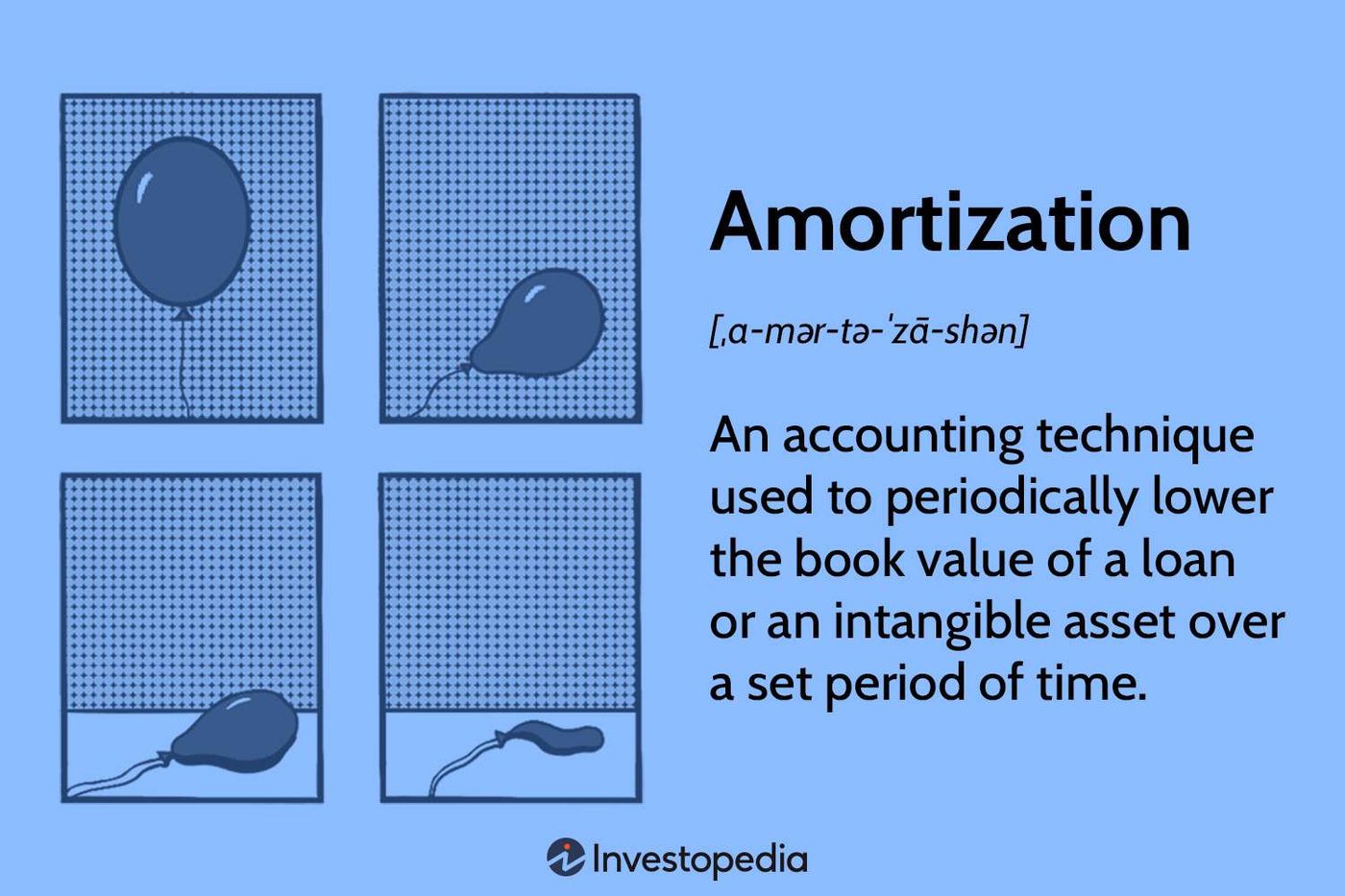
Amortization is the total length of time required to repay a mortgage or loan in full, based on regular payments at a certain interest rate. In Canada, the most common amortization period for a mortgage is 25 years, though periods of 30 years are also available under specific conditions. The amortization period directly influences the size of regular payments and the total interest paid over the life of the loan. Understanding amortization is crucial for Canadian borrowers to manage debt effectively and make informed financial decisions.
Definition and Distinction from Mortgage Term
Amortization refers to the total time it takes to repay a mortgage or loan balance in full. This period is an estimate based on current interest rates and a set schedule of regular, constant payments. It is fundamentally different from the mortgage term, which is the length of time a specific mortgage agreement and its interest rate are valid. The most common mortgage term in Canada is five years, while the most common amortization period is 25 years. A mortgage consists of multiple terms over its full amortization journey, with renewal required at the end of each term. Borrowers renegotiate interest rates and potentially switch lenders at each renewal point, but they continue along the original amortization schedule unless they actively change it. The term provides the contractual framework for a set period, whereas amortization outlines the entire repayment journey from the first payment to the last.

How Amortization Works and Calculating Payments
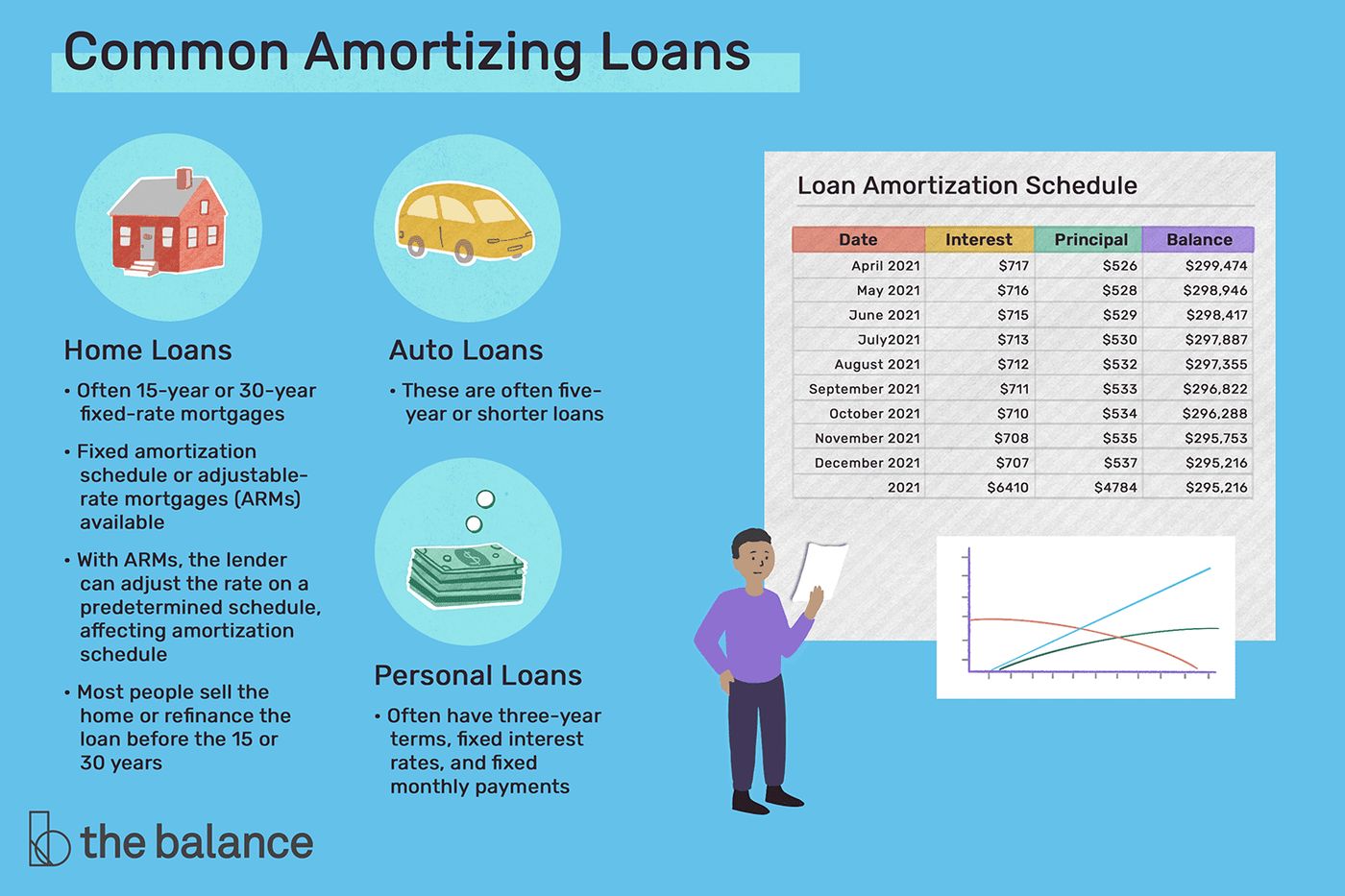
The calculation of a mortgage payment and the construction of an amortization schedule are based on the loan amount, interest rate, and amortization period. For a fixed-rate mortgage, the payment amount remains constant throughout the term, but the allocation between principal and interest changes with each payment. In the initial stages, a larger portion of each payment is applied to interest. As the principal balance slowly decreases, the interest portion of each subsequent payment also decreases, allowing more of the payment to go toward reducing the principal. This process is detailed in an amortization schedule, which shows the breakdown for every payment over the entire period. To build the schedule, one must first calculate the periodic mortgage payment using a standard formula that accounts for the loan amount, periodic interest rate, and total number of payments. For example, on a $500,000 mortgage at a 5% interest rate with semi-annual compounding and a 25-year amortization, the monthly payment would be approximately $2,908. The first month's interest, calculated on the beginning balance, might be $2,062, leaving $846 to pay down the principal. The ending balance then becomes the starting balance for the next month, and the calculation repeats, with the interest amount gradually shrinking and the principal payment gradually increasing with each installment.
Amortization Period Rules and Limits in Canada
Canadian regulations tie the maximum allowable amortization period to the size of the down payment. For homebuyers with a down payment of less than 20 percent, the amortization period is limited to 25 years for mortgages that require default insurance. This insurance is mandatory for these high-ratio mortgages and protects the lender if the borrower defaults. Homebuyers who make a down payment of 20 percent or more are not required to have this insurance and may choose an amortization period of up to 30 years. It is important to note that default insurance is not available for homes valued over $1 million, meaning all mortgages on such properties are uninsured and subject to lender-specific amortization limits. While 25 and 30 years are the standard periods, some lenders may offer terms of 35 or even 40 years in specific circumstances, though these are less common and come with significantly higher total interest costs. The rules are designed to balance accessibility with financial stability, ensuring borrowers do not take on excessive long-term debt relative to their home's value.
Common Mortgage Term Lengths and Their Strategic Use
Mortgage terms in Canada typically range from six months up to ten years, with the five-year fixed term historically being the most common selection. However, borrower preferences are shifting towards shorter terms for greater flexibility. Choosing a term length is a strategic decision that affects interest costs, prepayment penalties, and exposure to future rate changes. Short-term mortgages, lasting between six months and three years, allow borrowers to renew more frequently and potentially secure lower rates if market rates are expected to fall. Prepayment penalties for breaking a short-term fixed mortgage are also lower, as they are calculated on the remaining months. Long-term mortgages, usually five to ten years, offer payment stability but carry higher penalties for early termination and may lock borrowers into a rate above future market rates. A unique product is the convertible mortgage, which allows conversion from a short-term to a longer-term mortgage without penalties. The following list outlines key characteristics of different term lengths based on current trends and data.
- Short-term (6 months to 3 years): Lower prepayment penalties and frequent renewal opportunities. Ideal when rates are expected to fall.
- Five-year fixed: Traditionally the most common term, offering a balance of stability and renewal frequency.
- Long-term (5 to 10 years): Maximum payment stability but highest penalties for early breakage.
- Convertible mortgage: Typically starts as a 6-month term, allowing penalty-free conversion to a longer term.
- Trend data (2026): Only 14.9% of new uninsured mortgages had a fixed term of 5 years or longer, down from 22.8% in 2022.
- Trend data (2026): 49.5% of new uninsured mortgages took a fixed term of less than 5 years.
- Pricing reason: With a normalized yield curve in 2026, 1-year terms were priced below 5-year terms, making short terms attractive.
Recent data shows a shift away from five year mortgage terms toward shorter terms. Borrowers are choosing these shorter terms for their flexibility and often lower initial interest rates. This decision brings the date of their next mortgage renewal closer. At renewal, borrowers have the opportunity to reassess and potentially adjust their amortization period based on the new market conditions.
Factors That Change Your Amortization Schedule
The projected amortization period is based on a fixed payment schedule, but several common actions can alter the timeline. Making more frequent payments, such as switching from monthly to accelerated bi-weekly payments, reduces the amortization period and saves on total interest. Similarly, using prepayment privileges offered by most lenders, like annual lump-sum payments or payment increase options, directly pays down the principal faster, shortening the amortization. Conversely, actions that reduce payments can lengthen the amortization. Many banks offer payment deferral or skip-a-payment options during financial hardship. While these provide short-term relief, the interest from the skipped payment is added to the mortgage principal. This increases the total balance owed, extends the amortization period, and results in more interest paid over the long term. For variable-rate mortgages with fixed payments, interest rate fluctuations also affect the amortization. A rate increase means a larger portion of each payment covers interest, slowing principal repayment and potentially extending the amortization. If rates rise enough, the payment may not even cover the interest, hitting the mortgage's trigger rate. A decreasing rate accelerates principal repayment, which can shorten the amortization. The following are specific lender features and their direct impact on amortization.
- Accelerated bi-weekly payments: Increases payment frequency, reducing amortization and total interest.
- Lump-sum prepayments (e.g., BMO's 20% annual option): Directly reduces principal, shortening amortization.
- Payment increase options (e.g., RBC's Double-Up): Allows higher regular payments, accelerating payoff.
- Payment deferral (e.g., TD's skip-a-payment): Adds skipped interest to principal, lengthening amortization.
- Variable rate increases: Increases interest portion of payments, can extend amortization.
- Variable rate decreases: Increases principal portion of payments, can shorten amortization.
Mortgage contracts often include features like prepayment privileges and payment frequency options. Common prepayment options include making annual lump sum payments or increasing regular payment amounts. Using these features allows borrowers to pay down their principal balance faster. This effectively shortens the amortization period, saves on total interest, and helps the borrower become mortgage free sooner.
Choosing an Amortization Period: Short vs. Long
The choice of amortization period involves a trade-off between monthly cash flow and total interest cost. A longer amortization period, such as 30 years, results in lower monthly payments, which can make homeownership more accessible or manageable for cash-strapped borrowers. However, spreading payments over more years means paying interest on the principal balance for a longer time, significantly increasing the total interest paid over the life of the mortgage. Financial advisors typically recommend choosing the shortest amortization period one can comfortably afford, as the long-term interest savings can be substantial. Borrowers are not locked into their initial choice forever. The amortization period can be re-evaluated and changed at each mortgage renewal or during a refinancing, allowing adjustments based on changed financial circumstances.
Amortization for Other Types of Loans in Canada
While most discussed in the context of mortgages, amortization applies to all installment loans, including auto loans, personal loans, and student loans. For these non-mortgage products, the loan term and the amortization period are typically the same, meaning the loan is designed to be fully paid off by the end of the contract. This contrasts with mortgages, which have multiple shorter terms within a longer amortization. The amortization schedule for a car loan, for instance, would show equal payments where the interest portion decreases and the principal portion increases over the fixed term. Adjusting the amortization period for these loans usually requires renegotiating an entirely new loan with new terms and conditions. Secured loans, like mortgages and auto loans, use an asset as collateral and generally have lower interest rates. Unsecured loans, such as most personal loans and credit cards, carry higher interest rates due to the increased risk to the lender, making the amortization schedule and total interest cost even more critical to understand. The key differences between loan types are important for borrowers to recognize.
- Mortgage Loan: Secured by property. Has separate amortization periods and terms. Typical amortization 25-30 years.
- Auto Loan: Secured by the vehicle. Amortization period and term are identical.
- Personal Loan: Often unsecured. Amortization period and term are identical. Higher interest rates.
- Student Loan: Often government-backed. Amortization period and term are identical, often with a grace period.
- Credit Card Debt: Revolving unsecured debt. Does not have a fixed amortization schedule.
It is important for borrowers to understand the difference between a mortgage term and the amortization period. The term is the length of the current loan agreement, which is often five years or less. The amortization period is the total time needed to repay the entire mortgage loan, typically 25 or 30 years. Knowing this distinction helps borrowers plan for renewal dates and understand how payment changes affect the total loan cost.
Recent Trends and Borrower Considerations
Mortgage trends in Canada show a shift in borrower preferences regarding term length, which indirectly influences amortization management. Data indicates a move away from the traditional five-year fixed term. For new uninsured mortgages, the share with a fixed term of five years or longer fell to 14.9 percent in early 2026 from 22.8 percent in early 2022. For insured mortgages, the share dropped to 35.7 percent from 53.2 percent in the same period. More borrowers are opting for shorter fixed terms of less than five years. Shorter terms bring renewal dates closer, allowing borrowers to renegotiate rates or adjust their amortization more frequently. This can be a tactical decision, especially when the yield curve is normal and shorter-term rates are priced below five-year rates. However, shorter terms also mean facing potential interest rate increases sooner. When renewing, borrowers should actively consider whether to change their amortization period based on their current financial health, future income expectations, and interest rate outlook. Using tools like mortgage affordability calculators and consulting with mortgage professionals can help in this decision. The following table summarizes the recent shift in term selection for new mortgages.
| Mortgage Type | Q1 2022 (5+ Year Term) | Q1 2026 (5+ Year Term) | Q1 2026 (<5 Year Term) |
|---|---|---|---|
| New Uninsured Mortgages | 22.8% | 14.9% | 49.5% |
| New Insured Mortgages | 53.2% | 35.7% | Data not specified |
Market data indicates a significant change in borrower behaviour regarding mortgage terms. More borrowers are now selecting mortgage terms shorter than five years. This choice provides more frequent opportunities to renew or renegotiate the mortgage. At each renewal, borrowers can reassess their overall financial strategy, which includes reviewing their amortization period to ensure it still meets their goals.
Frequently asked questions
What is the difference between amortization and mortgage term?
The amortization period is the total time it takes to repay your mortgage balance in full. The mortgage term is the length of time your current mortgage agreement and interest rate are in effect. The most common mortgage term in Canada is five years. The most common amortization period is 25 years.
Can I get a 30-year amortization period in Canada?
Yes, a 30-year amortization period is available in Canada. It is typically an option for homebuyers who make a down payment of 20 percent or more. For buyers with a down payment of less than 20 percent, the maximum amortization period is usually 25 years for an insured mortgage. The most common amortization period in Canada is 25 years. Choosing a longer amortization period lowers your regular mortgage payments but results in paying more total interest over the life of the loan.
How does a longer amortization period affect my mortgage?
A longer amortization period results in lower regular mortgage payments, which can make homeownership more affordable for cash-strapped buyers. However, it also means you will pay interest on the loan for a longer time. This leads to a significantly higher total amount of interest paid over the full life of the mortgage. For example, extending an amortization from 25 to 30 years can add tens of thousands of dollars in extra interest costs.
What happens if I make extra mortgage payments?
Making extra mortgage payments reduces your principal balance more quickly. This action shortens your amortization period. You will pay off your mortgage faster and save a substantial amount in total interest costs over the life of the loan. Many lenders offer prepayment privileges, such as increasing payment frequency or making lump-sum payments, which accelerate principal repayment. Using these options decreases your amortization period and the total interest you pay.
Can I change my amortization period later?
Yes, you can change your amortization period. This is typically done when you renew your mortgage at the end of its term. You may choose to shorten it to save on interest or extend it to lower your payments, subject to lender approval and regulations. For instance, if your financial situation improves, you might shorten the amortization to build equity faster. Conversely, you might extend it if you need to reduce your monthly payment amount.
What is an amortization schedule?
An amortization schedule is a table that lists all payments over the life of a mortgage. It shows each payment's amount and how much goes toward interest versus principal. It also shows the remaining balance after each payment, illustrating how the principal is paid down over time. Early in the schedule, a larger portion of each payment goes toward interest. As the principal decreases, the interest portion shrinks and more of the payment goes toward repaying the principal balance.
Sources and further reading
- Mortgage Amortization Calculator Canada wowa.ca
- What Are Mortgage Terms and Amortization Periods? nesto.ca
- Mortgage Amortization, RBC Royal Bank rbcroyalbank.com
- Mortgage Payment Calculator | Scotiabank Canada scotiabank.com
- Mortgage and Loan Amortization Schedule Calculator ratehub.ca
This article explains how things work and is not financial, tax or legal advice. Rules, limits and rates change, so check the current figures with the Canada Revenue Agency, your province or your financial institution before you act.