The living wage in Ontario is the hourly pay a worker needs to earn to cover basic expenses and participate in their community, a figure that varies significantly by region. It is distinct from the provincially mandated minimum wage and is calculated annually by the Ontario Living Wage Network based on local costs. The living wage matters because more than a million workers in Ontario earn less than this rate, with women and racialized workers disproportionately affected. Understanding the living wage helps workers, employers, and communities gauge the real cost of living and the gap between minimum wage and financial stability.
What the Living Wage Represents
The living wage is a calculated hourly rate intended to reflect what a worker needs to earn to afford a basic but decent standard of living in their specific community. This calculation goes beyond mere survival to include the ability to participate in community life, such as modest recreational activities. The Ontario Living Wage Network defines it as the pay needed to cover expenses for a worker and their family after government taxes, transfers, and benefits like the Canada Child Benefit are accounted for. It is fundamentally different from the legal minimum wage, which is a mandatory floor set by the provincial government. The living wage is a voluntary benchmark that many advocates argue is a more accurate reflection of the true cost of living. Its calculation is designed to show the gap between legislated minimums and the income required to avoid working poverty, a situation where a family with at least one working person remains below an officially recognized poverty line.
How the Living Wage is Calculated
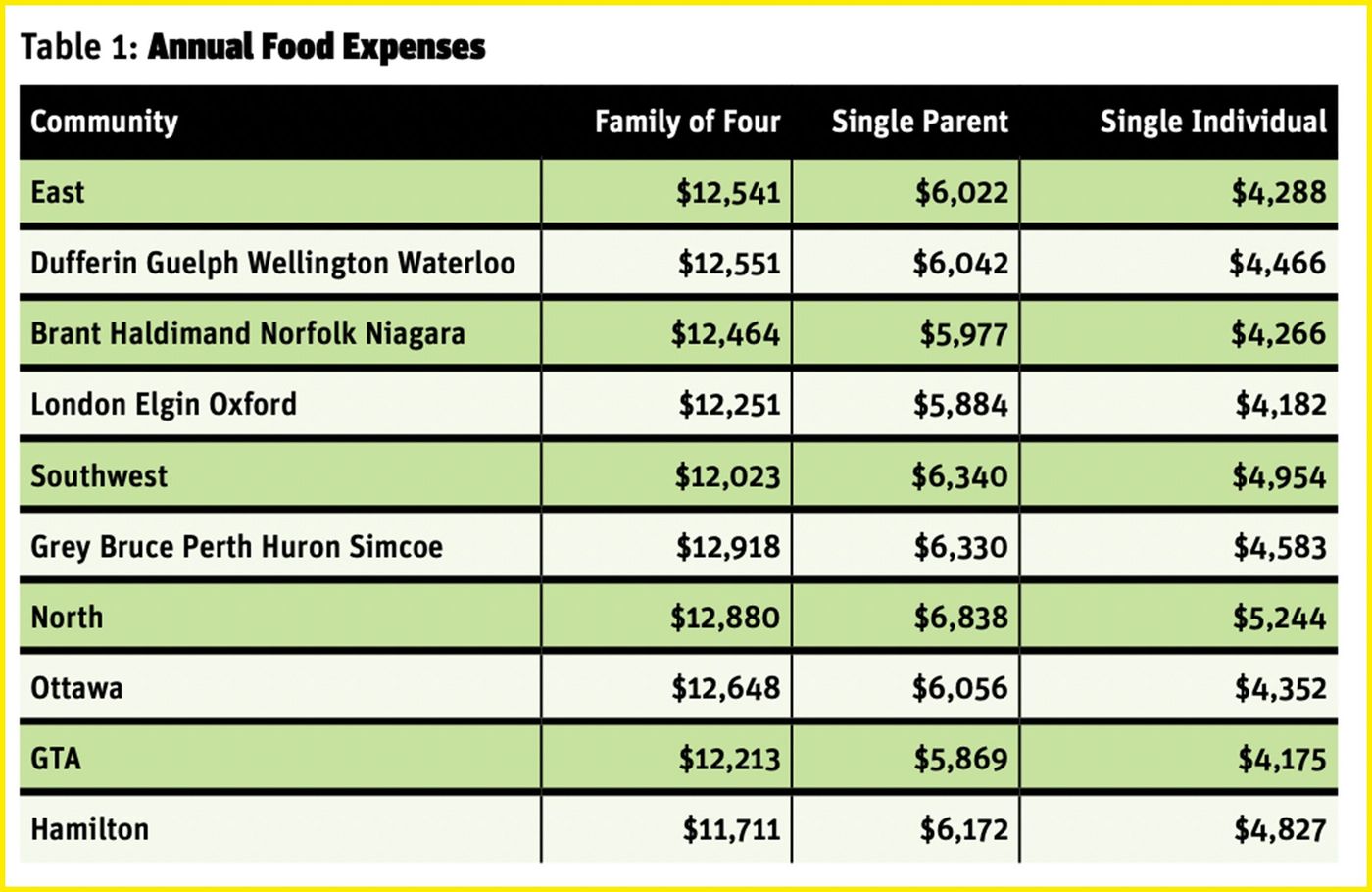
The Ontario Living Wage Network calculates regional rates using a detailed methodology based on the expenses of three representative household types. These household models include a two-parent family with two children aged seven and three, a single parent with a seven-year-old child, and a single adult. The calculation assumes all adults work 35 hours per week and is based on a weighted average of these family types using census data. The expense basket considered is comprehensive, including costs for shelter, food, child care, transportation, medical expenses, a modest contingency savings fund, and a small budget for annual time off. Notably, the calculation does not include debt repayment or savings for a future home purchase. The figures are updated annually, with new rates typically released in mid-November, and they account for local variations in costs like rent and transportation. This localized approach means the living wage in Toronto is significantly higher than in smaller urban or northern communities. The wage calculation takes into account social assistance such as the Canada Child Benefit and is based on a weighted average of the three family types, using census data.
Current Living Wage Rates Across Ontario
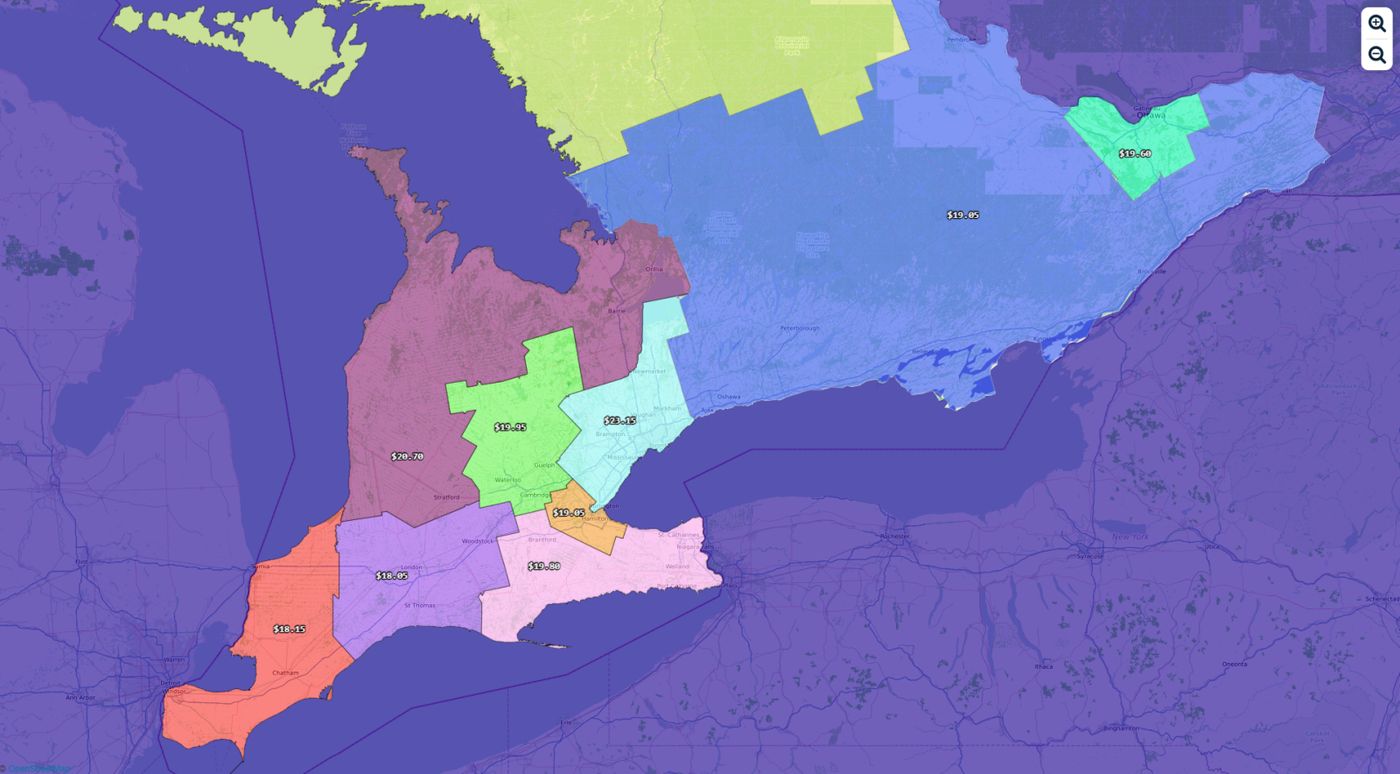
Living wage rates vary across Ontario's regions due to differences in the local cost of living, particularly housing. The rates are recalculated each year and have consistently shown an upward trend. For the 2025 calculation, the Ontario Living Wage Network reported an average increase of 5.3 percent across the province from the 2024 rates. The highest rate is found in the Greater Toronto Area, reflecting its exceptionally high housing costs. Other major urban centres also have rates well above the provincial minimum wage. These figures illustrate that in no region of Ontario does the government-mandated minimum wage meet the threshold of a locally calculated living wage. The persistent gap highlights the phenomenon of working poverty, where individuals employed full-time still struggle to cover basic necessities. The 2024 rates also showed significant regional variation and increases, such as a 6.4 percent rise in southwestern Ontario to $19.85 per hour.
| Region | 2025 Living Wage (per hour) | Key 2024 Rates (per hour) | Annual Change Notes |
|---|---|---|---|
| Ottawa | $23.40 | N/A in notes | Reflects local costs in the capital region. |
| Southwest Ontario | $21.50 | $19.85 (Windsor/Sarnia) | 2024 rate increased 6.4% from 2023. |
| Northern Ontario | $21.10 | N/A in notes | Generally lower due to lower housing costs. |
| Hamilton | N/A for 2025 | $21.30 | 2024 rate was 2.4% more than 2023. |
| Brant Haldimand Norfolk Niagara | N/A for 2025 | $20.90 | Reported by OLWN for 2024. |
| Peel Region | N/A for 2025 | Uses GTA rate. 2025 rate cited as $27.20 | Peel's 2025 living wage is $27.20. |
The Gap Between Minimum Wage and Living Wage
The disparity between Ontario's minimum wage and the living wage is substantial and persistent across all regions. As of October 1, 2024, the provincial minimum wage is $17.20 per hour. An analysis by the Canadian Centre for Policy Alternatives, using the OLWN's rates as a threshold, estimates that more than one million workers in Ontario's urban areas earn less than their region's living wage. This gap means that a single adult working full-time at minimum wage cannot meet basic living costs without additional income or severe deprivation. The situation is more acute for families, as the minimum wage does not lift a household with even one full-time worker above the official poverty line. This financial pressure contributes to increased reliance on food banks and other social services, even among employed individuals. A network spokesperson has stated there is no place in the province where someone working a full-time job at minimum wage can make ends meet without working extra jobs.
The burden of earning below a living wage is not shared equally across the population. Women and racialized workers are more likely to be earning below a living wage in Ontario. In Peel Region, for example, just over half of the immigrant population is working in poverty, and 51 percent of Peel's population are immigrants. Working poverty is more concentrated among immigrants and visible minorities. Furthermore, nearly half of people employed in Peel work part-time or part of the year, a situation where the inadequacy of the minimum wage is even more pronounced. The gap between the minimum wage and living wage continues to grow, a trend explored in reports co-authored by the OLWN and the Canadian Centre for Policy Alternatives.
The Living Wage Employer Certification Program
The Ontario Living Wage Network operates a voluntary certification program for employers who commit to paying all their direct and contracted employees at least the local living wage rate. The program began in 2016 and has grown to include over 800 certified workplaces as of 2024, ranging from small local businesses to large manufacturers. Certified employers pay an annual fee to the OLWN and are listed in a public directory. The certification process involves several stages, starting with a review of the employer guide and the submission of an implementation plan. Once approved, the employer signs a licence agreement, pays the fee, and receives a certificate and public recognition. Employers must renew their certification annually, at which time they confirm they are paying the updated living wage rate. The network provides employers with the new rates ahead of time and typically allows until the following May to implement the updated hourly pay.
Employers choose to certify for various reasons, often citing alignment with organizational values, a desire to reduce employee turnover, and a commitment to community prosperity. Surveys of certified employers indicate reported benefits such as a happier and healthier workforce, improved company reputation, and savings on recruitment and training costs associated with lower staff turnover. The program also includes sectors like landscaping, where 29 employers were certified as of 2024, and non-profits like food banks and environmental organizations. The process ensures accountability, as employers must verify they pay the rate not only to direct staff but also to regular third-party contractors such as cleaners or security personnel. The OLWN began collecting more detailed information from certified employers in 2023 to understand changes attributed to living wage certification.
Becoming a Certified Living Wage Employer
The path to becoming a certified living wage employer involves a structured process managed by the Ontario Living Wage Network. It is a voluntary commitment that demonstrates an employer's dedication to fair wages. The process is designed to be clear and supportive for businesses and organizations of all sizes. Employers must commit to paying the current local living wage rate to all direct employees and contracted staff. The OLWN provides resources and guidance throughout the application and implementation stages. The following list outlines the typical stages an employer completes to achieve and maintain certification.
- Review the OLWN employer guide and initiate contact via an online form or email, such as [email protected] for Peel Region inquiries.
- Prepare and submit a draft implementation plan for paying the living wage across the organization and to contracted staff.
- Upon application approval, sign the licence agreement and pay the employer certification fee.
- Receive the Living Wage Employer Certificate, often presented by a local committee, and be recognized publicly through directories, social media, and events.
- Annually renew certification by completing a survey and paying the fee, and update pay to the new rate when it is released by the OLWN.
After certification, employers are expected to integrate the living wage into their ongoing operations. Each year on the anniversary of their certification, they receive a renewal survey and invoice. When the OLWN releases updated living wage calculations, certified employers are notified and are expected to adjust wages accordingly. The program is funded through these annual fees from certified employers and supporter organizations. The public recognition includes listing on the OLWN's interactive map and directory, which can enhance a business's profile among consumers who value ethical practices. In Peel Region, there were 12 certified living wage employers serving Brampton, Caledon, and Mississauga as of the latest data.
Reported Benefits for Certified Employers
Employers who become certified living wage employers often report a range of positive outcomes that extend beyond corporate social responsibility. These benefits are both ethical and economic, providing a return on the investment of paying higher wages. A key financial benefit is a decrease in employee turnover and associated costs. Research indicates that employee turnover and sick leave can cost organizations 30 percent or more of an annual salary to replace a worker. Paying a living wage is linked to lower turnover and absenteeism, leading to direct savings on hiring and retraining. Certified employers also report building a more loyal, skilled, and healthy workforce, which enhances productivity and operational stability.
Other benefits include an improved organizational reputation and stronger community ties. Being publicly listed as a living wage employer can attract customers who prefer to support businesses with fair labour practices. Employers also note higher employee morale and a stronger sense of team cohesion. For instance, the Neighbour to Neighbour Centre in Hamilton reported a return on investment of two to three times after certifying, citing a happier, healthier team with less turnover. Employers from various sectors, including landscaping, non-profits, and financial services, have stated that paying a living wage helps attract and retain talent, reduces stress for employees, and aligns with broader corporate values around social equity and financial inclusion.
Impact and Growth of the Living Wage Movement
The living wage movement in Ontario has grown from local advocacy into a structured network with measurable impact. It originated over a decade ago with community discussions in Hamilton about the real cost of living, leading to one of the province's first local calculations. The formal creation of the Ontario Living Wage Network in 2017 helped standardize calculations and expand the employer certification program across the province. The movement is driven by the understanding that paying a living wage benefits workers, businesses, and the broader community. For workers, it means reduced financial stress and greater ability to participate in community life. For employers, reported benefits include lower turnover, higher morale, and enhanced loyalty from both staff and customers. For communities, when workers earn more, they spend more locally, contributing to economic resilience and growth.
Municipalities have also engaged with the concept, with some using the living wage as a benchmark in economic development discussions. The City of Hamilton's economic development department, for example, references the living wage when encouraging new employers. The movement continues to expand into new sectors, with faith organizations, non-profits, and small businesses seeing certification as part of their identity. The living wage provides a practical framework for addressing working poverty, emphasizing that full-time work should provide financial stability. The growth to over 800 certified employers demonstrates a shift among some businesses towards viewing fair wages as an investment rather than just a cost. The OLWN itself is governed by a volunteer Board of Directors, with applications for board positions accepted during specific periods, such as from October 19 to November 20 in 2026.
The Broader Context of Working Poverty in Ontario
The living wage calculation exposes the widespread reality of working poverty in Ontario, where employment does not guarantee a life above the poverty line. Key statistics highlight the scale of this issue. More than a million workers in Ontario earn less than the living wage where they live. People living in poverty have higher rates of chronic illness and reduced levels of emotional and mental development, which can affect their productivity and employment stability. The living wage movement argues that these social costs can be mitigated through effective policy and practice changes, such as the widespread adoption of living wage policies by employers and governments.
The problem is exacerbated by the structure of the labour market. The prevalence of low-wage work contributes to rising demand for social services. For example, the Neighbour to Neighbour Centre's food bank in Hamilton saw a 40 percent increase in usage over two years, with more visitors having jobs, some multiple jobs. This underscores that the challenge is not unemployment but the quality and compensation of employment. The living wage is presented as a direct tool to help reduce poverty, increase local spending, and build a fairer economy where work provides dignity and stability.
Frequently asked questions
What is the difference between minimum wage and living wage in Ontario?
The minimum wage is the legal hourly floor set by the provincial government, which was $17.20 as of October 2024. The living wage is a voluntarily adopted benchmark calculated by the Ontario Living Wage Network to reflect the actual hourly income needed to cover basic expenses and participate in the community in a specific region. The living wage is always higher than the minimum wage and varies by location based on costs like housing and transportation. It is calculated for a 35-hour work week and accounts for government benefits, whereas the minimum wage is a uniform rate set by law.
Who calculates the living wage in Ontario?
The living wage rates for communities across Ontario are calculated and published by the Ontario Living Wage Network. The OLWN is the central body that uses a standardized methodology, considering three family types and a basket of basic expenses, to determine local rates. They also run the voluntary Living Wage Employer certification program. The network is funded by fees from certified employers and supporter organizations, and it collaborates with community partners across the province.
Are employers required to pay the living wage?
No, paying the living wage is not a legal requirement for employers in Ontario. It is a voluntary commitment. Employers can choose to become certified through the Ontario Living Wage Network by pledging to pay all direct and contracted staff at least the local living wage rate. Over 800 employers in Ontario have made this voluntary commitment. The province's only mandatory wage is the minimum wage, which is significantly lower than all living wage calculations.
What costs are included in the living wage calculation?
The calculation includes costs for a basket of basic necessities: rent, food, child care, transportation, medical expenses, a modest contingency savings fund for emergencies, and a small budget for annual time off. It uses after-tax income and accounts for government transfers like the Canada Child Benefit. It does not include debt repayment or savings for a future home purchase. The basket is designed to cover a reasonable standard of living that allows for community participation, not just subsistence.
How often do living wage rates change?
The Ontario Living Wage Network typically releases updated living wage rates annually in mid-November. The rates are recalculated each year to reflect changes in the local cost of living, such as rent and food prices. Certified living wage employers are notified of the new rates and are expected to implement them, usually by the following May. The rates have consistently increased year over year, with an average rise of 3.4 percent in 2024 and 5.3 percent for the 2025 rates.
How much is the living wage in Toronto?
For 2025, the living wage in the Greater Toronto Area is $27.20 per hour. This is the highest rate in Ontario and reflects the region's high costs, particularly for housing. The calculation is based on a 35-hour work week and accounts for expenses like rent, food, child care, and transportation after government benefits and taxes are considered. The Ontario Living Wage Network calculates these rates annually, and they are typically released by mid November. The living wage is distinct from the provincial minimum wage, which is significantly lower.
Sources and further reading
- Ontario Living Wage Network ontariolivingwage.ca
- Living wage peelregion.ca
- Ontario's new living wage numbers are out and the network ... cbc.ca
- Ontario's living wage just went up, here's why that's ... broadview.org
This article explains how things work and is not financial, tax or legal advice. Rules, limits and rates change, so check the current figures with the Canada Revenue Agency, your province or your financial institution before you act.