The 1957 Canadian penny is a common one-cent coin with a base melt value of approximately five cents. Its collectible value ranges from around 25 to 35 cents for a typical circulated piece to several dollars for coins in pristine, uncirculated condition. The final worth is determined by the coin's physical state, specific minting characteristics, and market demand. For Canadian collectors and those sorting through old change, understanding these factors is key to assessing this piece of mid-20th century Canadian currency.
Understanding the 1957 Penny's Composition and Design
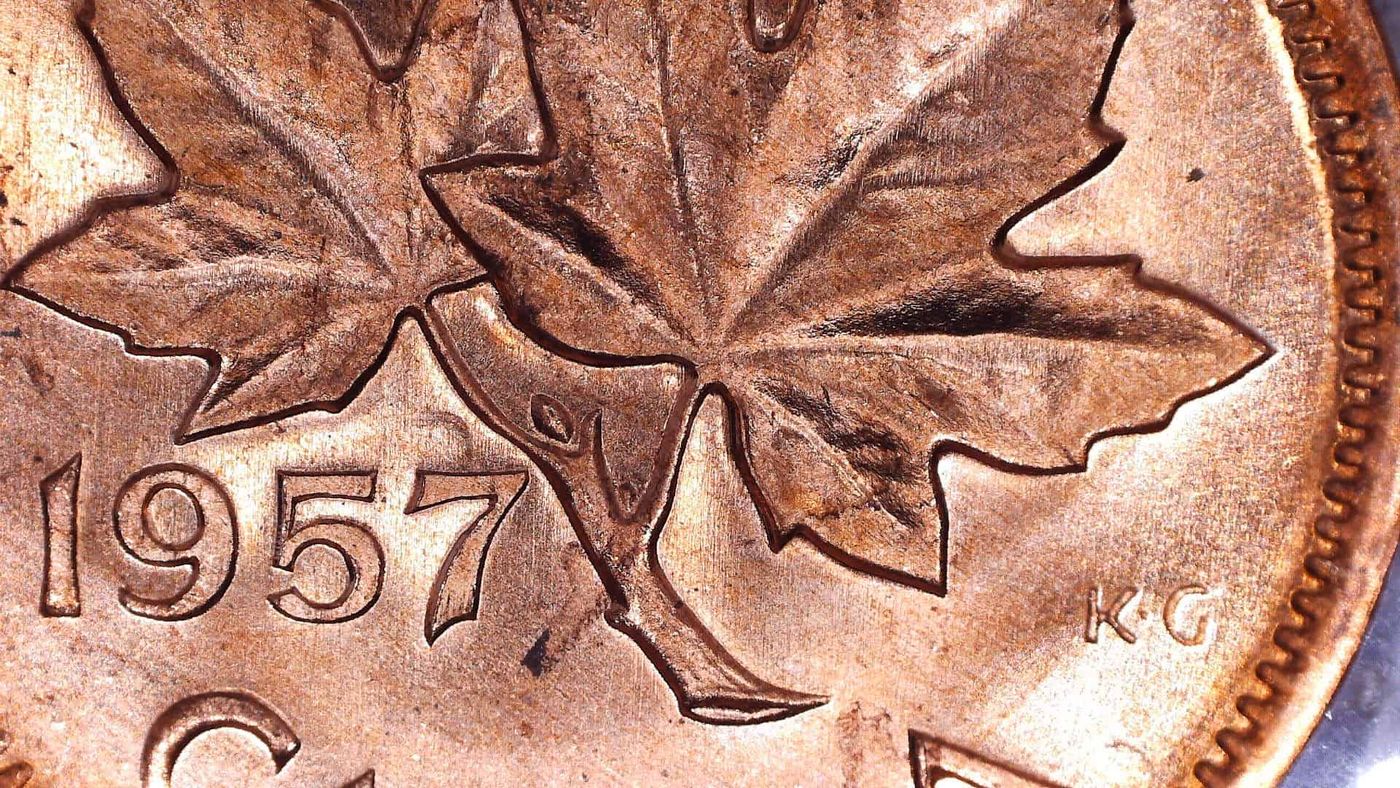
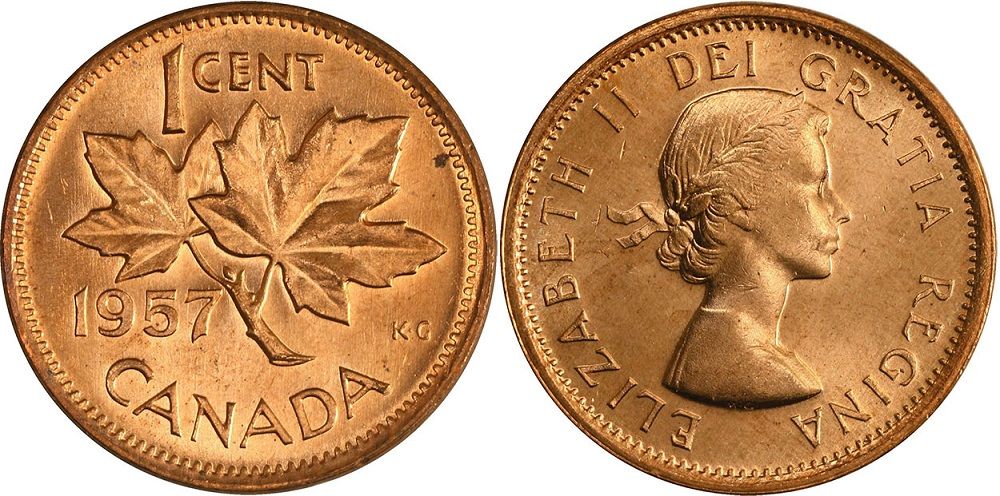
The 1957 Canadian one-cent piece is part of the first portrait series of Queen Elizabeth II that began in 1953. The coin's obverse features the young portrait of the Queen by Mary Gillick, which was used on Canadian coinage until 1964. This specific composition of 98 percent copper, along with small amounts of tin and zinc, gives the coin its distinctive reddish-brown colour and substantial feel. The total weight of the coin is 3.24 grams, which is standard for Canadian bronze pennies of that era. These fundamental characteristics are shared with all Canadian pennies minted between 1953 and 1964, making the 1957 issue a standard date within that series.
Primary Factors That Determine a Penny's Value
The market value of a 1957 penny is not a single number but a range influenced by several key factors. The most significant factor is the coin's condition or grade, which measures the amount of wear it has sustained from circulation. A coin that has never been spent, known as a mint state or brilliant uncirculated coin, commands a much higher price than one that is heavily worn. Supply and demand within the numismatic market also affect prices, as collector interest in specific dates or conditions can drive values. Rarity, while not a major factor for the common 1957 date, can be influenced by minting errors or specific varieties. The finish of the coin, such as whether it is a standard business strike or a special proof-like specimen, is another important consideration for value.
The melt value represents the absolute minimum worth of the coin based on its metallic content. For the 1957 bronze penny, this base value is five cents Canadian. Any collectible value is added on top of this fundamental material worth. Retail value refers to the price a collector can expect to pay when buying from a coin dealer or an online marketplace. Auction results, where coins are sold in an open competitive market between a willing buyer and seller, often provide the best indicator of true market value for specific high-grade examples. Understanding the difference between these value types helps collectors make informed decisions when buying or selling.
The specific state of a coin is categorized into several standard conditions recognized by collectors and dealers. Circulated coins show signs of circulation and wear from being used in commerce. Mint State (MS) or Brilliant Uncirculated (BU) coins have barely or never been in circulation. Proof-like coins have a special mirror-like finish and are not intended for circulation. Specimen coins are struck with special care for collectors and are also not for circulation. Each of these categories contains further sub-grades that more precisely define a coin's appearance and preservation.
Value Ranges by Condition and Grade
The condition of a 1957 penny directly correlates to its potential value in the collector market. Coins are broadly categorized as either circulated or uncirculated, with many sub-grades in between. Circulated coins have been used in commerce and show clear signs of wear, such as loss of detail on the high points of the design. For a typical circulated 1957 penny, the expected retail value falls between 25 and 35 cents Canadian. This price reflects its status as a common date but acknowledges its age and collectibility as a discontinued denomination.
Uncirculated coins, often abbreviated as BU for Brilliant Uncirculated or MS for Mint State, have no wear from being handled or spent. These coins retain their full original lustre and sharp detail. Values for uncirculated 1957 pennies start around two to three dollars and can increase significantly for coins graded at the higher end of the mint state scale. Proof-like and specimen coins, which were struck with special polished dies for collectors, represent the pinnacle of quality for this date and carry the highest premiums. The specific grade, as certified by a professional grading service, is the primary driver of price within the uncirculated category.
Notable Varieties and Minting Errors
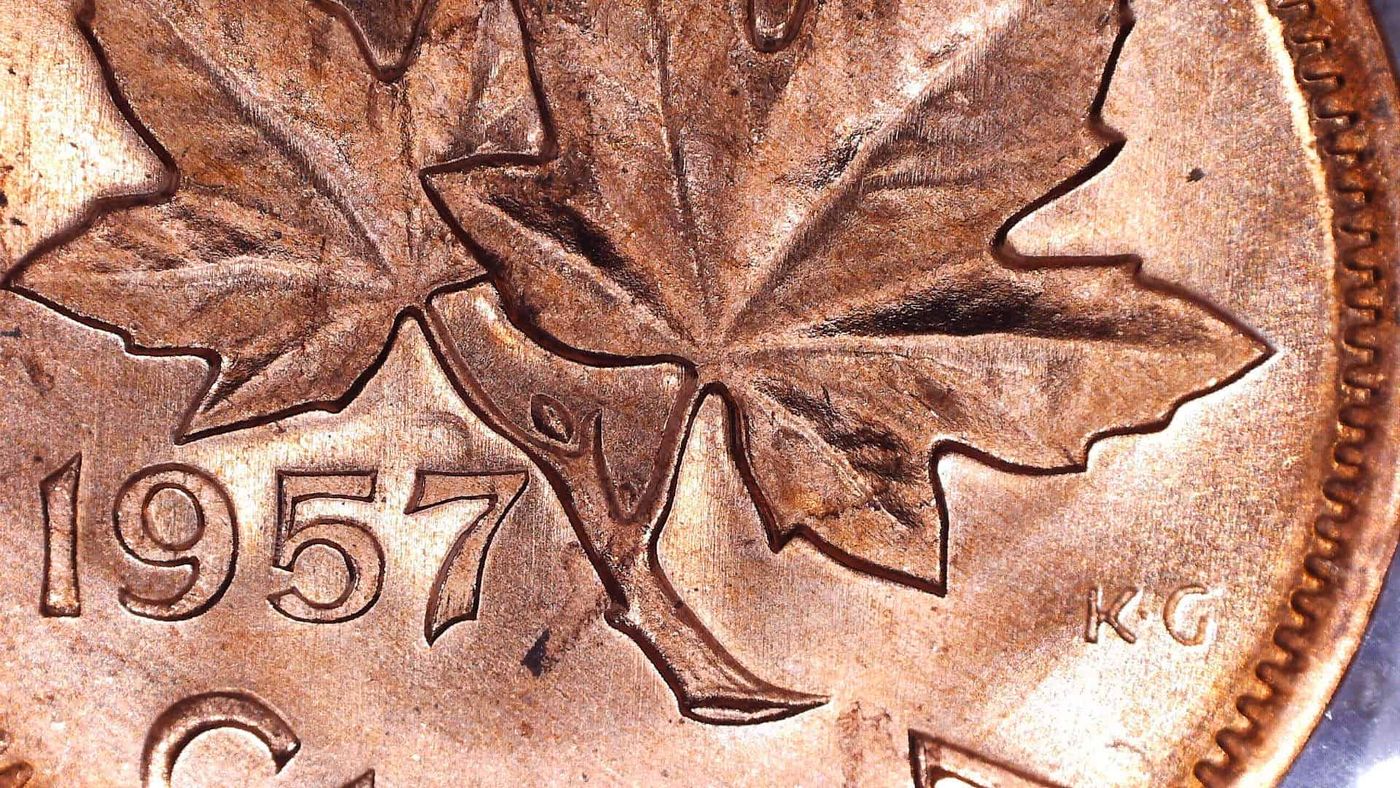
While the 1957 penny is a common business strike, collectors also watch for minor die varieties that can add interest. One documented variety involves the last digit of the date, where the '7' appears to be hanging due to a die clash during the minting process. An even rarer version is the double hanging '7', caused by a double die clash. These varieties are catalogued in specialist references and are sought after by variety collectors, though they may not command a massive premium over a standard coin in the same condition. Identifying these features requires careful examination, often with magnification.
It is important for collectors to distinguish between true mint errors and post-mint damage. Errors occur at the Royal Canadian Mint during the manufacturing process and include things like off-center strikes, clipped planchets, or major die breaks. Post-mint damage, such as holes, bends, or heavy corrosion, happens after the coin leaves the mint and typically decreases a coin's value rather than increasing it. For the 1957 date, major errors are uncommon, and most coins encountered will be standard strikes. The value of any error coin is highly dependent on the severity and type of the error, as well as the coin's overall state of preservation.
Specific documented varieties for the 1957 cent include the following minor die clashes. The last digit of the date is hanging, which is classified as Zoell #C81n. The last digit of the date is double hanging, classified as Zoell #C81p. These are considered minor coin varieties from the 1965 Third Edition reference guide. Values and details for these proof-like, specimen, and proof coins are grouped under a separate category for coins not intended for circulation.
How to Assess and Sell a 1957 Penny
If you have a 1957 Canadian penny, the first step is to examine its condition carefully. Look at the high points of the design, such as the Queen's hair and the crown on the obverse, and the stems and veins of the maple leaves on the reverse. Compare the amount of detail to published grading images to determine if your coin is circulated or potentially uncirculated. Check the date and surfaces for any unusual characteristics that might indicate a variety or error. A clean, undamaged coin with sharp details will always be more desirable than one that is worn, scratched, or corroded.
To determine a realistic market value, research recent selling prices. You can consult online coin price guides that list retail values for different grades, but for a more accurate picture, review completed auction listings on major numismatic websites. These show the actual prices that buyers have recently paid for 1957 pennies in conditions similar to yours. When preparing to sell, you have several options including online marketplaces, auction houses for high-value pieces, or local coin dealers. Be aware that selling to a dealer will typically net you a wholesale price, which is lower than the retail price they would charge to resell the coin. For a common circulated 1957 penny, the difference between wholesale and retail is minimal, but for higher-grade examples, it can be more significant.
Follow these key steps to accurately evaluate your coin's potential worth. Examine the coin for wear on the highest points of the design. Check for any unusual features in the date or design that indicate a variety. Research retail price guides for the coin's specific grade. Review completed auction results for the most accurate market data. Compare offers from different selling venues like dealers and online platforms. This process will help you establish a reasonable expectation for your coin's value based on its specific characteristics and the current market.
Common Misconceptions and Mistakes
A frequent mistake is assuming that all old pennies are valuable simply because they are old. The 1957 issue had a very large mintage, making it one of the most common dates from the Elizabeth II era. Consequently, finding one in spare change or an old jar does not guarantee a significant windfall. Another common error is overestimating the condition of a coin. A coin that looks shiny to the naked eye may still have light wear that places it in the circulated category, drastically affecting its value. Proper grading requires good lighting and sometimes magnification to accurately assess surface preservation.
Cleaning a coin is one of the most detrimental actions a collector or finder can take. Using abrasive materials or chemicals strips away the original surface and patina, leaving noticeable scratches or an unnatural colour. Professionally graded coins that have been cleaned are designated as such, and their value is severely reduced compared to a coin with original surfaces. It is always better to leave a coin in its found state. Finally, confusing retail price guide numbers with the amount one can actually sell for leads to disappointment. Price guides often list ideal retail prices, whereas the offer from a dealer will be lower to account for their business overhead and profit margin, especially for common coins like the 1957 penny. The melt and minimum value of five cents remains the absolute floor for the coin's worth.
Frequently asked questions
What is a 1957 Canadian penny worth today?
The value depends heavily on condition. A typical worn, circulated 1957 penny is worth between 25 and 35 cents to a collector. Its base melt value, based on its bronze metal content, is about five cents. Coins in uncirculated condition can be worth two dollars or more, with pristine examples or rare varieties commanding higher prices.
What is the melt value of a 1957 penny?
The melt and minimum value of a 1957 Canadian one-cent coin is five cents Canadian. This value is based on its metal content, which is bronze composed of 98 percent copper, 0.5 percent tin, and 1.5 percent zinc. The coin has a weight of 3.24 grams. Any collectible value for a coin in better condition is in addition to this fundamental material value.
Are there any rare or valuable errors on the 1957 penny?
Major errors are uncommon. Some minor die varieties exist, such as a 'hanging 7' or 'double hanging 7' in the date, caused by die clashes during minting. These are of interest to variety collectors but do not typically command extremely high premiums unless combined with superb condition. Most 1957 pennies are standard business strikes.
How can I tell if my 1957 penny is uncirculated?
An uncirculated coin will have no wear from being handled or spent. Examine the highest points of the design under good light. On the obverse, check the hair above the Queen's forehead and the details of the crown. On the reverse, inspect the stems and veins of the maple leaves. If these areas are fully detailed and sharp, and the coin retains its original lustre with no scratches or rub, it may be uncirculated.
Where is the best place to sell a 1957 Canadian penny?
For a common circulated 1957 penny, you can sell it to a local coin dealer or on an online marketplace. If you believe your coin is in exceptional uncirculated condition or has a notable error, consider getting it professionally graded. You could then sell it through a reputable coin auction or a dedicated numismatic online platform. This approach helps you reach serious collectors who may pay a premium for certified coins.
Is the 1957 Canadian penny made of silver?
No, the 1957 Canadian penny is not made of silver. It is composed of bronze, specifically an alloy of 98 percent copper, 0.5 percent tin, and 1.5 percent zinc. The coin has a weight of 3.24 grams. This metallic composition gives the one cent coin its characteristic copper colour. Canadian pennies from this era, featuring the first portrait of Queen Elizabeth II from 1953 to 1964, were consistently minted in this bronze alloy. There is no record of a silver variant for the regular issue 1957 one cent coin.
Sources and further reading
- 1 cent 1957 | Canadian coins price guide, values, errors ... coinsandcanada.com
This article explains how things work and is not financial, tax or legal advice. Rules, limits and rates change, so check the current figures with the Canada Revenue Agency, your province or your financial institution before you act.