A tenant insurance quote in Canada is an estimate of the premium you would pay for a policy that protects your personal belongings and provides liability coverage as a renter. Obtaining a quote is a standard step before purchasing coverage, which is often required by landlords and protects against financial loss from events like theft, fire, or water damage. Quotes vary based on factors like location, the value of your possessions, and your insurance history. Understanding how to get and compare quotes is essential for Canadian renters to secure appropriate and affordable protection.
What Tenant Insurance Covers and Excludes
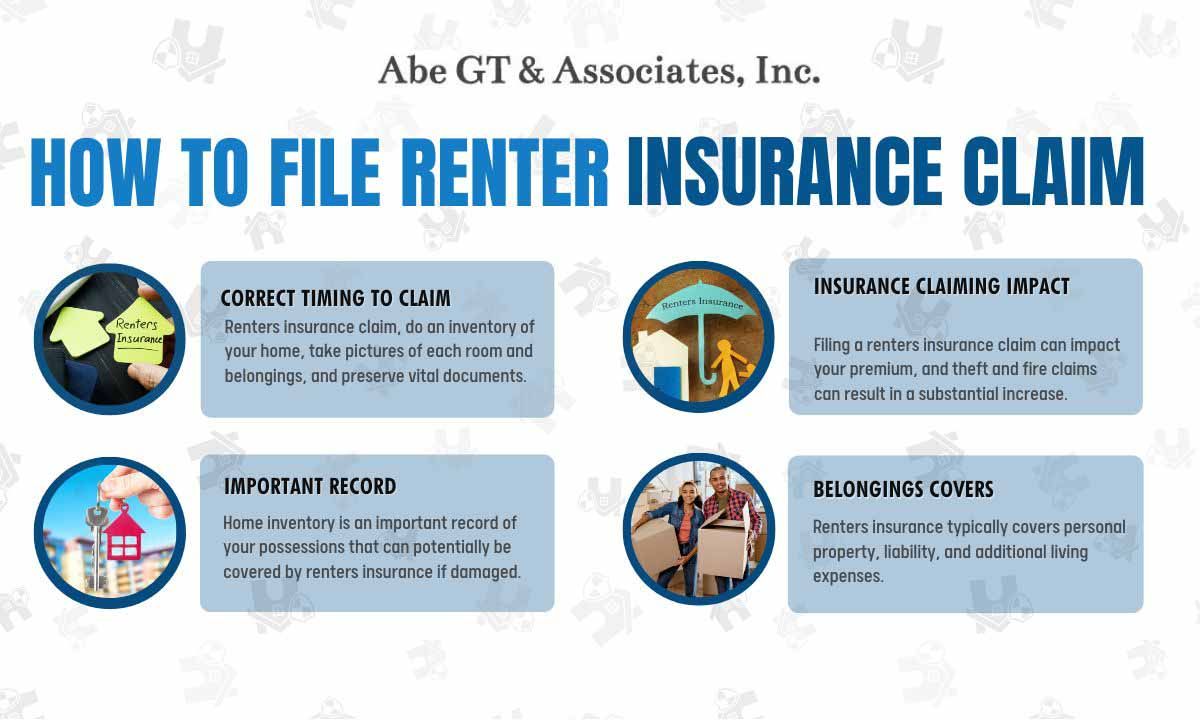
A basic tenant insurance policy in Canada typically includes three core types of coverage. Liability insurance protects you financially if you are found responsible for accidentally causing bodily injury to others or damaging property not owned by you, whether the incident occurs at your rental or elsewhere. Contents insurance covers the cost to repair or replace your personal belongings, such as furniture, electronics, and clothing, if they are damaged or lost due to a covered peril. Additional living expenses coverage helps pay for temporary costs like hotel stays and meals if your rental unit becomes uninhabitable due to an insured loss, such as a fire.
Standard policies often provide All Risks or comprehensive coverage, which means your belongings are protected against almost all perils except those specifically listed as exclusions. Common exclusions listed in policies include loss or damage resulting from deliberate or criminal acts by the insured, illegal activity, war, or terrorism. Damage from normal wear and tear is also not covered. Importantly, most standard tenant insurance policies do not automatically cover damage caused by overland water flooding or sewer backup, though these can often be added as optional endorsements for an additional premium.
There are several specific situations that tenant insurance generally does not cover. Maintenance issues like bed bug infestations or damage from mice or rats are typically considered the responsibility of the renter or landlord and are not covered. Structural repairs, such as patching small holes in walls, are also excluded and are usually handled by the tenant directly or deducted from a damage deposit by the landlord. Pets themselves are not covered, though owning certain breeds may increase your liability premium due to a perceived higher risk of claims. Finally, property that is illegally acquired is not eligible for coverage under any tenant insurance policy.
How Premium Costs Are Calculated
The cost of tenant insurance in Canada is not a fixed price. It is calculated individually based on a range of risk factors that insurers assess when providing a quote. The primary factors include the type and location of the rental property, the total value of possessions being insured, and the policyholder's personal insurance history. Insurers use these details to determine the likelihood of a claim and set a premium that reflects that risk. Understanding these factors can help renters anticipate their potential costs and identify areas where they might qualify for discounts.
Your specific living situation has a direct impact on your quoted premium. Renting a studio apartment presents different risks than a basement unit, which insurers account for in their calculations. The neighbourhood is also critical. Areas with higher rates of theft, vandalism, or those prone to flooding will generally lead to higher premiums. The number of people living in the unit influences cost, as more occupants typically mean a higher risk profile. Insurers also consider whether roommates should be on the same policy or have separate ones, which can affect the final quote.
Personal details and history are equally important in the quoting process. The total value and type of your belongings determine the contents coverage limit. Insuring more items or high-value items like artwork or jewellery will increase the premium, especially if you require extended coverage limits. Your claims history is significant, as making several property insurance claims in the past can lead to higher rates. Some insurers may use a soft credit check to offer discounts for a good credit score. Finally, owning a pet, particularly breeds deemed more likely to cause injury, can increase liability premiums.
- Property Type: Studio apartment, basement unit, or house.
- Location: Neighbourhood crime rates and flood risk.
- Belongings Value: Total worth of possessions and any high-value items.
- Claims History: Number of past property insurance claims.
- Credit Score: May be used by some insurers for discounts.
- Pet Ownership: Particularly for certain dog breeds.
- Number of Occupants: More people can mean higher risk.
- Deductible Choice: A higher deductible can lower the premium.
Average Cost Ranges Across Canada
Tenant insurance premiums in Canada vary widely, but industry data provides a general range for what renters can expect to pay. Monthly costs typically fall between $19 and $50 across the country. On an annual basis, premiums can range from approximately $197 to $483. These figures are averages and the actual cost for any individual will depend heavily on the specific factors involved in their quote, such as their province, city, and coverage selections. Some providers advertise policies starting from as low as $15 per month for basic, customizable coverage.
The wide range in costs reflects the diversity of rental situations and coverage needs. A renter in a small town with few possessions will likely see quotes at the lower end of the spectrum. Conversely, a renter in a major urban centre with a higher-valued inventory of belongings and a chosen lower deductible will likely receive quotes near or above the average. It is important for consumers to compare multiple quotes to find a rate that fits their budget while providing adequate coverage.
Several providers have published their own average annual premium figures. TD Insurance states the average cost of tenant insurance with their company is $483 per year. Other sources cite an annual range of $197 to $240. These averages are useful benchmarks. Renters can influence their final premium through choices like selecting a higher deductible, which lowers the monthly cost, or by qualifying for discounts such as bundling tenant and auto insurance, which can save up to 10%.
The Process of Getting a Quote
Obtaining a tenant insurance quote in Canada is designed to be a quick and straightforward process, often taking just three to five minutes when done online. The process begins by visiting an insurer's website or calling their phone line. Most major providers, including Duuo by Co-operators, TD Insurance, PC Insurance, and Square One, offer online quoting tools. These digital platforms guide you through a series of questions to collect the necessary information for generating a personalized estimate. The convenience of online quoting is frequently promoted, with some companies offering a discount for purchasing a policy online.
You will need to provide specific personal and property details to receive an accurate quote. This information typically includes your full name, the address of the rental property, the type of dwelling, and the estimated value of your personal belongings. You may also be asked about your claims history, the presence of safety features like smoke detectors, and whether you own any pets. For the most precise quote, it is helpful to have a rough inventory of your possessions and their approximate value ready before you start.
After submitting your information, the online system or phone agent will generate a quote detailing the proposed premium, coverage limits, and deductible options. You can often adjust these elements, such as increasing your deductible to lower your premium, to see how it affects the final cost. It is advisable to get quotes from multiple providers to compare coverage and prices. Once you select a policy, you can usually complete the purchase immediately online, with coverage often beginning as soon as you become the legal tenant.
- Choose a Provider: Select an insurance company's website or call their quote line.
- Enter Personal Details: Provide your name, contact information, and rental address.
- Describe Your Rental: Specify property type, number of occupants, and safety features.
- List Your Belongings: Give an estimate of the total value of your possessions.
- Adjust Coverage Options: Review and modify deductibles, limits, and optional endorsements.
- Receive Your Quote: Get the personalized premium estimate.
- Compare and Purchase: Evaluate multiple quotes and buy the chosen policy online or by phone.
Common Discounts and Ways to Save
Insurance providers in Canada offer several avenues for renters to reduce their tenant insurance premiums through discounts and strategic choices. One of the most common discounts is for bundling multiple policies, such as combining tenant and auto insurance with the same company. This can result in savings of up to 10% on the total cost. Another frequent discount is for purchasing and managing your policy entirely online, which can also save up to 10% with some insurers. These discounts are designed to incentivize customer loyalty and efficient digital transactions.
Membership in certain groups can also qualify you for preferred rates. Many insurers offer discounts to members of eligible college or university alumni associations, employer groups, or professional associations. It is worth checking with your insurer to see if your affiliations make you eligible for these group rates. Additionally, maintaining a good insurance history with no claims can help keep premiums lower over time, as insurers view customers with fewer past claims as lower risk.
Your choices within the policy itself directly impact the premium. Opting for a higher deductible, which is the amount you pay out-of-pocket before insurance coverage applies, will lower your monthly or annual premium. Conversely, a lower deductible increases the premium. You can also control costs by customizing your coverage to match your actual needs, ensuring you are not over-insuring possessions you do not own. Finally, installing approved safety and security devices in your rental unit, such as smoke alarms or deadbolt locks, may qualify you for further discounts with some insurance companies.

Provincial Considerations and Landlord Requirements
While tenant insurance is not legally mandated by the federal or provincial governments in Canada, it is frequently a contractual requirement imposed by landlords. Many standard lease agreements include a clause stipulating that the tenant must obtain and maintain tenant insurance for the duration of the tenancy. This requirement protects the landlord's interests by ensuring the tenant has coverage for their own liability and belongings, which can help prevent disputes if damage occurs. Even when not required, obtaining coverage is widely recommended to protect the tenant's financial well-being.
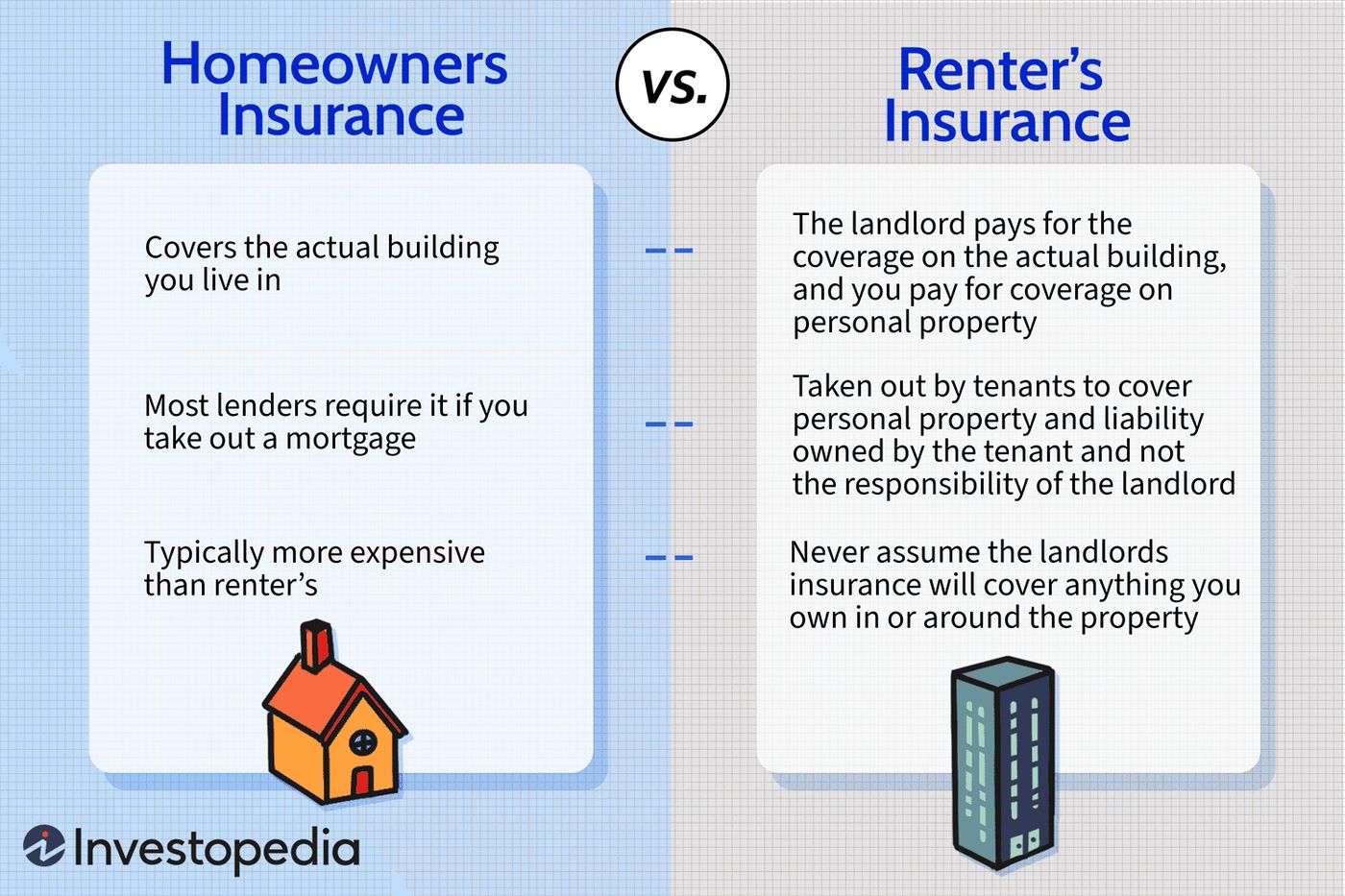
The relationship between tenant insurance and a landlord's policy is often misunderstood. A landlord's insurance, or rental income property insurance, covers the physical building structure and may protect the landlord from financial losses related to property damage or tenant liability claims. However, it does not extend coverage to the tenant's personal possessions or provide liability coverage for the tenant's personal actions. If a tenant causes damage to the rental unit, the landlord's insurance may cover the repair, but the insurer could subsequently seek reimbursement from the tenant. Having tenant insurance can cover such costs and prevent out-of-pocket expenses for the tenant.
Provincial tenancy laws do not specifically address tenant insurance, but they govern the landlord-tenant relationship broadly. For example, rules around security deposits and responsibility for repairs are set provincially. A tenant's failure to obtain required insurance could be grounds for a landlord to pursue eviction for breach of lease. It is important for renters to read their lease agreement carefully and understand any insurance requirements specific to their province and rental situation. In all provinces, the onus is on the tenant to secure their own coverage for personal property and liability.
Comparing Quotes from Major Canadian Providers
When seeking a tenant insurance quote in Canada, renters will encounter a variety of providers, each with different features, average costs, and discount structures. Major insurers like Duuo by Co-operators, TD Insurance, and Square One offer distinct online experiences and policy options. Comparing quotes involves looking beyond the premium price to examine the coverage details, deductible options, and any unique policy features or limitations. A side-by-side comparison helps ensure you are getting appropriate value for your specific needs.
| Provider | Starting Price / Avg. Cost | Notable Discounts | Key Features |
|---|---|---|---|
| Duuo by Co-operators | Quote-based | Up to 10% for bundling | Backed by Co-operators, online chat support |
| TD Insurance | Avg. $483/year | Online purchase, alumni/group rates | Enhanced Home Coverage optional, identity theft coverage optional |
| PC Insurance | Quote-based | Members can save up to $890 | Tailored for PC Optimum members |
| Square One | From $15/month | Customizable coverage | Fully comprehensive (all-risk), online claims, no cancellation penalty |
| Scotia Insurance | Quote-based | Available through Scotiabank channels | Part of Scotiabank's financial services |
| Aviva | Quote-based | Major national provider | Widely available through brokers and direct channels |
Beyond the initial quote, consider the insurer's reputation for customer service and claims handling. Some companies emphasize a fully online experience with easy claims submission and high payout rates. Others highlight access to expert support from a larger parent company. Checking third-party reviews and ratings from organizations like the Better Business Bureau can provide insight into customer satisfaction. Ultimately, the best provider is one that offers a combination of comprehensive coverage, a fair price, and reliable service that meets your specific requirements as a Canadian renter.
Frequently asked questions
Is tenant insurance mandatory in Canada?
Tenant insurance is not legally mandatory under Canadian federal or provincial law. However, it is very common for landlords to include a clause in the lease agreement requiring the tenant to purchase and maintain a tenant insurance policy. This requirement protects both parties. The landlord ensures the tenant has coverage for liability and personal property, while the tenant gains financial protection. Even if your landlord does not require it, obtaining tenant insurance is strongly advised to safeguard your belongings and finances from unexpected events like fire, theft, or water damage.
What is the average cost of tenant insurance per month?
The average monthly cost for tenant insurance in Canada typically ranges between $19 and $50. This translates to an annual range of approximately $197 to $483. The exact premium you will pay depends on numerous individual factors, including the city and neighbourhood you live in, the value of your possessions, your chosen deductible, and your insurance history. Some providers offer policies starting from as low as $15 per month for basic, customizable coverage. It is important to compare quotes from multiple insurers to find the best rate for your specific situation.
Does my landlord's insurance cover my belongings?
No, a landlord's insurance policy does not cover a tenant's personal belongings. Landlord insurance, also known as rental income property insurance, is designed to protect the building structure and may cover the landlord's financial losses from property damage or liability claims. Your clothes, furniture, electronics, and other personal items are not included under the landlord's policy. This is the primary reason tenants need their own insurance. In the event of a loss like a fire or break-in, only tenant insurance would provide funds to repair or replace your personal property.
What factors affect my tenant insurance quote?
Several key factors influence the premium quoted for tenant insurance. These include the type and location of your rental property, as units in areas with higher crime or flood risk cost more to insure. The total value of your personal possessions directly impacts the contents coverage portion of your premium. Your personal insurance claims history is significant, as a record of past claims can lead to higher rates. Other factors include the number of occupants, whether you own a pet (especially certain dog breeds), your chosen deductible amount, and potential discounts for which you may qualify, such as bundling policies or having a good credit score with some insurers.
Are roommates covered under one tenant insurance policy?
Roommates can sometimes be covered under a single tenant insurance policy, but it is often recommended that each roommate purchase their own separate policy. Including multiple unrelated individuals on one policy increases the risk profile, which can raise the premium. Furthermore, a shared policy means all parties are jointly insured, which can complicate matters if one roommate needs to make a claim or if a liability issue arises involving only one individual. For clarity of coverage and to ensure each person's belongings and liability are distinctly protected, obtaining individual policies is generally considered the better approach by insurance providers.
What is not covered by standard tenant insurance?
Standard tenant insurance policies in Canada have specific exclusions. Loss or damage resulting from deliberate or illegal acts by the insured person is not covered. Damage caused by overland water flooding or sewer backup is typically excluded unless you purchase an optional endorsement for an added cost. Normal wear and tear, such as gradual deterioration of items, is excluded. Maintenance-related issues, including infestations of bed bugs, mice, or rats, are generally not covered and are considered the responsibility of the tenant or landlord. Finally, damage from war or terrorism is universally excluded from standard tenant insurance policies.
Sources and further reading
- Tenant insurance for Canadian renters duuo.ca
- Compare cheap tenant insurance quotes ... ratehub.ca
- Tenant Insurance rbcinsurance.com
- Tenant Insurance, Save when you get a quote online tdinsurance.com
- Tenant Insurance from $15/Month squareone.ca
This article explains how things work and is not financial, tax or legal advice. Rules, limits and rates change, so check the current figures with the Canada Revenue Agency, your province or your financial institution before you act.