The general minimum wage in Ontario increased to $17.95 per hour on October 1, 2026. This annual adjustment, based on inflation, applies to most employees across the province. Understanding the specific wage categories and rules is essential for both workers and employers to ensure compliance with Ontario's Employment Standards Act. This guide details the current rates, eligibility, and how the minimum wage is enforced.
Current Minimum Wage Rates in Ontario
As of October 1, 2026, Ontario has several distinct minimum wage rates that apply to different categories of employees. The general minimum wage is $17.95 per hour, which is an increase from the previous rate of $17.60 per hour. This rate applies to the vast majority of employees in Ontario who are covered by the Employment Standards Act. For students under the age of 18 who work 28 hours or less per week during the school year or who work during school holidays, the student minimum wage is $16.90 per hour. Employees who perform paid work from their own home, known as homeworkers, are entitled to a higher rate of $19.70 per hour. It is important to note that the liquor server minimum wage was eliminated in 2022, meaning servers are now entitled to the general minimum wage of $17.95 per hour.
Special rules apply to hunting, fishing, and wilderness guides, whose pay is calculated on a daily basis rather than hourly. Effective October 1, 2026, these guides are entitled to $89.75 for working fewer than five consecutive hours in a day and $179.50 for working five or more hours in a day, whether or not those hours are consecutive. A wilderness guide is defined as a person employed to guide, teach, or assist others in wilderness activities, excluding hunting or fishing guides or students under 18 working within the specified limits. All these rates are subject to annual review and adjustment based on inflation, with new rates typically announced by April 1 and taking effect the following October 1.
Who is Eligible for Minimum Wage
Minimum wage protections under Ontario's Employment Standards Act apply to most employees in the province. This includes full-time, part-time, casual, and seasonal workers regardless of their payment structure. Employees paid an hourly rate, salary, commission, piece rate, or flat rate are all covered. The law requires that an employee's total earnings for a pay period, when divided by the number of hours worked, must equal at least the applicable minimum wage. For example, a salesperson paid solely on commission must still receive at least the minimum wage for each hour worked during the pay period. If their commission earnings fall short, the employer must top up their pay to meet the minimum wage requirement.
There are specific exemptions and special rules for certain industries and job categories. Some students participating in approved work experience programs, certain interns, and employees in specific federally regulated sectors are not covered by Ontario's minimum wage rules. Federally regulated industries include banking, telecommunications, postal services, and interprovincial transportation. Employees in these sectors are subject to the federal minimum wage, which was $18.15 per hour as of April 1, 2026. Employers must pay the higher of the applicable federal or provincial minimum wage rate. Workers should verify their coverage under the ESA to understand their rights and entitlements.
How Minimum Wage is Calculated and Enforced
Compliance with minimum wage requirements is determined on a pay period basis, such as weekly, bi-weekly, or monthly. An employer must ensure that an employee's total wages for that period divided by the hours worked meets or exceeds the applicable hourly minimum wage. For instance, an employee working 38 hours in a week at the general minimum wage of $17.95 must be paid at least $682.10 for that week before any deductions. Meal breaks and other unpaid rest periods are not counted as hours worked. Employers are permitted to account for the provision of room and board as part of an employee's wages, with specific deemed values set for room and board deductions.
The 'three-hour rule' is another key enforcement provision. When an employee who regularly works more than three hours a day is required to report to work but works less than three hours, they must be paid for either three hours at their regular wage or the applicable minimum wage, whichever is greater. This rule generally applies to students as well, except for those under 18 who work during a school holiday, work 28 hours or less per week when school is in session, or are employed as homeworkers. If a minimum wage increase takes effect partway through a pay period, the period is treated as two separate periods, with the old rate applying to hours before the change and the new rate applying to hours after.
Annual Adjustment Process and Historical Context
Ontario's minimum wage is adjusted annually based on the Ontario Consumer Price Index, a measure of inflation. This indexing is required by the Employment Standards Act, 2000. The process involves calculating the inflation rate and applying it to the existing wage rates. The new rates are published on or before April 1 each year and come into effect on the following October 1. This systematic approach is designed to help the minimum wage keep pace with changes in the cost of living. The increase to $17.95 on October 1, 2026, represents a 35-cent rise from the 2025 rate of $17.60.
The annual adjustment affects all minimum wage categories, including the general, student, and homeworker rates. The government estimates that the 2026 increase benefits more than 700,000 workers across Ontario. For a worker earning the general minimum wage and working a standard 40-hour week, the increase translates to approximately $728 more in annual earnings. This indexing mechanism provides a predictable schedule for both employees and employers, reducing uncertainty about when and how wages will change. The following table shows the minimum wage rates for Ontario and other provinces for the 2026 period.
| Province/Territory | General Minimum Wage (2026) |
|---|---|
| Ontario | $17.95 |
| Quebec | $16.60 |
| New Brunswick | $15.90 |
| Nova Scotia | $16.90 |
| Federal | $18.15 |
The legislated minimum wage is distinct from the concept of a living wage. The Ontario Living Wage Network calculates regional living wages based on the actual cost of necessities in different communities. For example, the living wage for the Greater Toronto Area was $25.05 per hour in 2023. These living wage figures are often significantly higher than the legal minimum wage. The living wage represents what a family needs to earn to cover basic expenses, while the minimum wage is only a legal floor.
Steps to Take if You Are Paid Less Than Minimum Wage
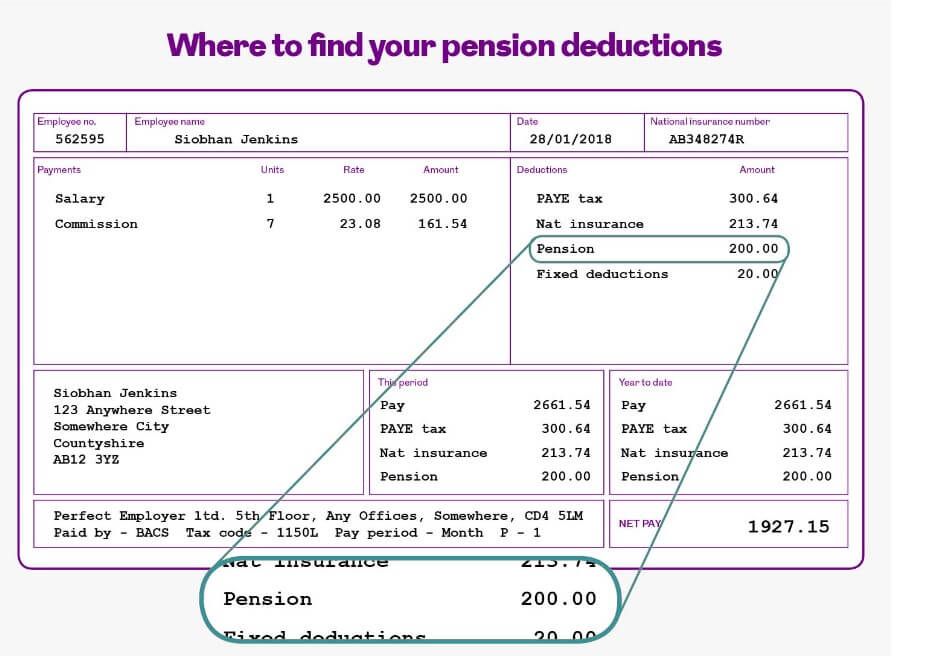
If you believe you are being paid less than the applicable minimum wage and you are not in an exempt category, there are specific steps you can take to address the issue. First, you should gather relevant documentation such as pay stubs, records of hours worked, employment contracts, and any communication with your employer regarding pay. This evidence will be crucial for any formal complaint or legal action. You can use the Ontario government's Employment Standards Self-Service Tool to check compliance with minimum wage and other entitlements. This tool can help clarify whether a violation has occurred based on your specific circumstances.
The next step is to address the issue directly with your employer, as sometimes underpayment is an unintentional error. If discussing the matter does not resolve it, you can file a claim with the Ontario Ministry of Labour. The ministry can investigate and issue orders for an employer to pay owed wages, including any difference between what was paid and the legal minimum. In cases where the violation is part of a broader pattern of employment issues, such as reprisal or wrongful dismissal, seeking legal advice may be necessary. An employment lawyer can help assess your situation and guide you through the process of recovering unpaid wages and potentially seeking further compensation.
Common Misconceptions and Special Cases
Several common misconceptions surround Ontario's minimum wage laws. One is that only hourly employees are protected, but the law explicitly covers those paid by salary, commission, or piece rate. Another is that all young workers receive a lower student wage, but the student rate only applies to those under 18 who work 28 hours or less per week during the school year or during school breaks. Students who are 18 or older, or who work more than 28 hours per week during the school term, are entitled to the general minimum wage of $17.95. Furthermore, homeworkers are entitled to a higher minimum wage regardless of their age, which differs from the rules for independent contractors who are not employees.
Special rules apply in several specific scenarios. For employees paid partly by commission, their total pay must still meet the minimum wage threshold for all hours worked, requiring a top-up if commissions are low. The calculation becomes more complex when overtime hours are involved. Industries like landscaping, hospitality, and certain sales positions may have specific exemptions or special rules under the ESA, so employees in these fields should verify their specific entitlements. Federally regulated employees must be paid the higher of the federal minimum wage or the Ontario minimum wage, which means they would receive $18.15 per hour in 2026, as that is higher than Ontario's $17.95 rate.
Frequently asked questions
What is the minimum wage in Ontario right now?
As of October 1, 2026, the general minimum wage in Ontario is $17.95 per hour. This rate applies to most employees covered by the Employment Standards Act. The student minimum wage is $16.90 per hour, and the homeworker minimum wage is $19.70 per hour. These rates are adjusted annually on October 1 based on the Ontario Consumer Price Index.
When does the Ontario minimum wage increase?
Ontario's minimum wage increases annually on October 1. The new rates are calculated based on inflation and are typically announced on or before April 1 of the same year. The increase from $17.60 to $17.95 per hour took effect on October 1, 2026. This scheduled adjustment is mandated by the Employment Standards Act.
Who gets the student minimum wage in Ontario?
The student minimum wage of $16.90 per hour applies to students under 18 years of age. It applies when they work 28 hours or less per week while school is in session. It also applies to students under 18 who work during a school holiday or summer break. Students who are 18 or older, or who work more than 28 hours per week during the school term, receive the general minimum wage of $17.95.
Is there a different wage for servers in Ontario?
No, there is no separate wage for servers in Ontario. The liquor server minimum wage was eliminated in 2022. Liquor servers are now entitled to the general minimum wage. As of October 1, 2026, the general minimum wage is $17.95 per hour.
What if I am paid by commission or salary?
Minimum wage rules apply if you are paid by commission or salary. Your total pay for a pay period must equal at least the applicable minimum wage for every hour worked. If your earnings from commission or salary fall short, your employer must top up your pay. This ensures you receive the minimum wage for all hours worked in that period.
How does Ontario's wage compare to the federal minimum wage?
Ontario's general minimum wage is $17.95 per hour as of October 1, 2026. The federal minimum wage for federally regulated industries is $18.15 per hour. Federally regulated employees in Ontario must be paid the higher of the two rates. This means employers in sectors like banking or postal services must pay $18.15 per hour.
Sources and further reading
- Minimum wage | Your guide to the Employment Standards ... ontario.ca
- Minimum Wage Ontario 2026 - All Rates Increased October ... monkhouselaw.com
- Ontario Living Wage Network ontariolivingwage.ca
- Minimum wage by Canadian province | 2026 Guide wagepoint.com
- Wages in Ontario jobbank.gc.ca
This article explains how things work and is not financial, tax or legal advice. Rules, limits and rates change, so check the current figures with the Canada Revenue Agency, your province or your financial institution before you act.